It’s Election Day in Pennsylvania - make sure to get out and vote! 🗳️
Pictured are Pennsylvania soldiers voting on the war front in Virginia, as sketched by artist William Waud and published in Harper’s Weekly, October 29, 1864.
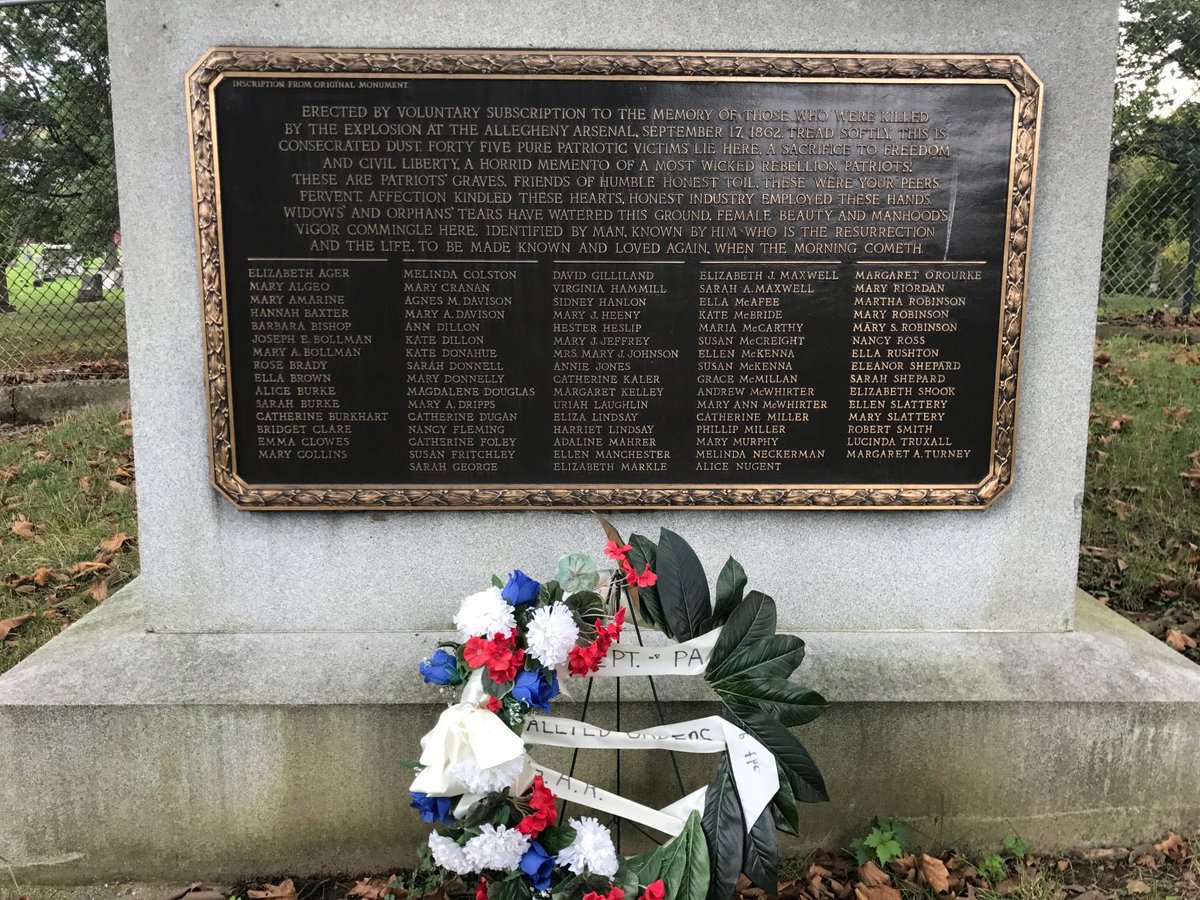
The Arsenal victims rest today in Allegheny Cemetery and St. Mary’s Cemetery - less than a mile from the explosion site, which is now a playground within @Pittsburgh’s Arsenal Park.
5/5
On September 17, 1862, as fighting raged along Maryland’s Antietam Creek, female workers at Lawrenceville’s Allegheny Arsenal manufactured ammunition meant to deliver death to enemies on faraway battlefields. In a sad twist of fate it brought devastation to the home front.🧵
1/5
While families picked up the pieces and buried their dead, the country reeled in horror at the loss of life on the war front. In the shadow of the tragic losses at Antietam, the civilian agony surrounding Allegheny Arsenal largely went unnoticed on the national stage.
4/5
Many thanks to John Schalcosky of @OddPittsburgh for sharing this colorized photograph of veterans from Captain Thomas Espy GAR Post 153 and James A. Garfield GAR Post 215 at Andrew Carnegie Free Library & Music Hall on Memorial Day, 1904!
(@carnegielibrary)
Buried at Arlington National Cemetery is one Washington County native, Gen. Absalom Baird.
On April 22, 1896, Baird received the Medal of Honor for “voluntarily leading a detached brigade in an assault upon the enemy's works” at the battle of Jonesboro, GA on September 1, 1864.
In a letter to the Christian Recorder in Jan 1865 the 25th USCT/Pittsburgh’s Lewis Buchanan noted the SGTs of Co. F, including himself.
“2d Sergeant Lewis Buchanan is a Virginian, and gained his liberty by a trip on the Under Ground Rail Road…”
@civilwarpgh@RichardPCondon
On this episode, I sit down with @AndyMasich of the @HistoryCenter to discuss the Allegheny Arsenal Explosion, the worst civilian disaster of the Civil War #history
https://t.co/iK2zE2SA7h
How do we interact with the places around us? How did people in the past interact with these places? Rich Condon addresses these and other questions in our latest digital history column, "The Power of Place in Public History." Read it here: https://t.co/RBifbq0BRX #CivilWar
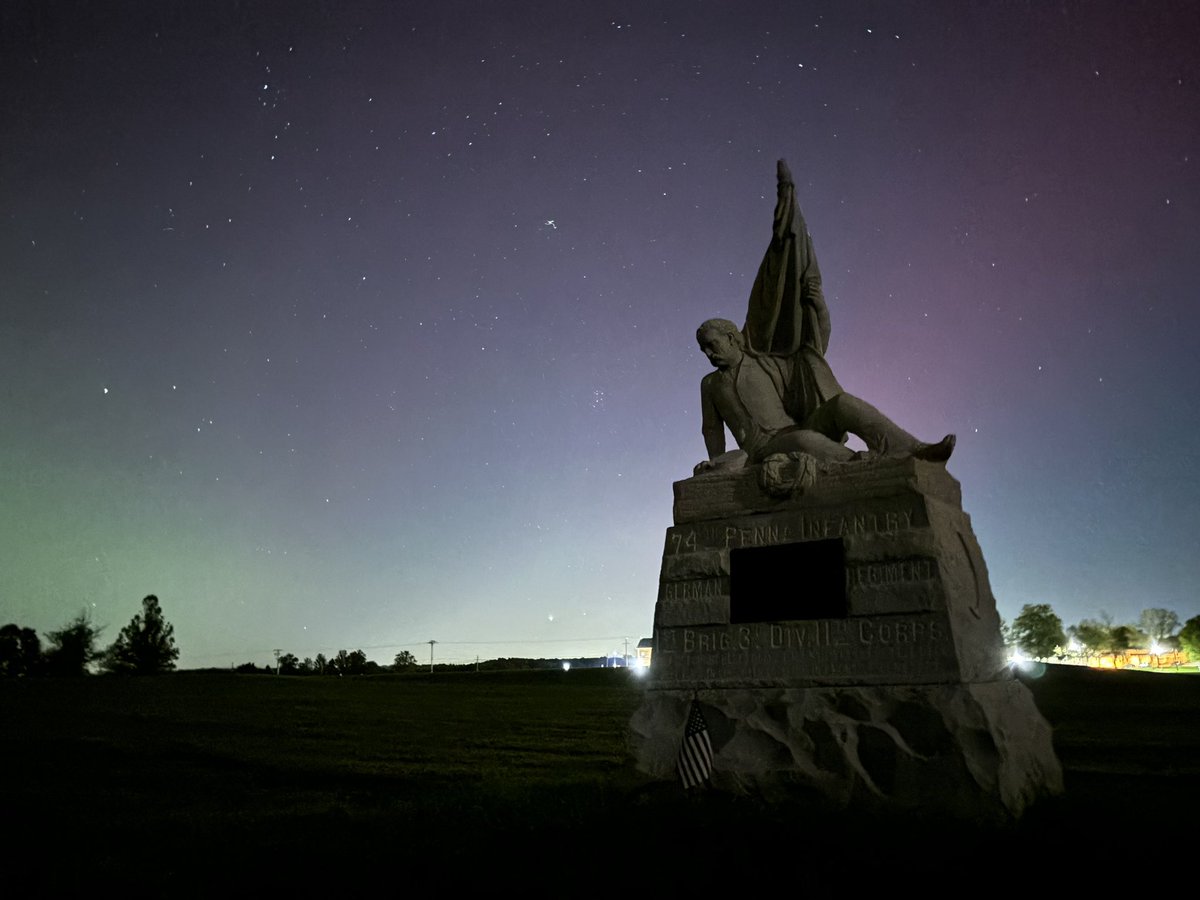
Yesterday we had the opportunity to visit a newly re-opened Little Round Top at @GettysburgNMP!
Renovations include an improved pathway to the 155th Pennsylvania Volunteer Infantry monument on the northern face of the rocky hill.
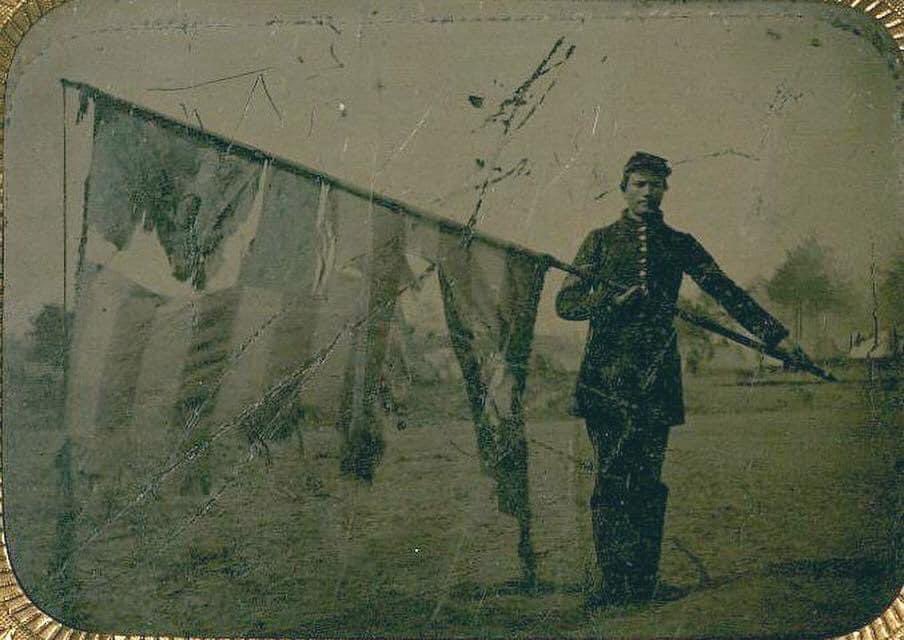
On this Flag Day we remember Sgt. Alex Rogers, who is seen here holding the colors of the 83rd Pennsylvania Infantry. Rogers carried the regiment's flag through several engagements, including Gettysburg in July 1863, until his death at the Battle of the Wilderness on May 5, 1864.
The Temperanceville Odd Fellows Hall in Pittsburgh’s West End, built ca. 1865. Beginning in 1881 this building served as a meeting place for James A. Garfield G.A.R. Post No. 215.
US military veterans of the Grand Army of the Republic march through the Butler Street gatehouse of Lawrenceville’s Allegheny Cemetery on Memorial Day, 1918. Conrad Arensberg, a veteran of Hampton’s Battery and cemetery manager, is pictured at bottom left, heading the column.
Many of the Black troops recruited in Pennsylvania trained at Philadelphia’s Camp William Penn, where approximately 11,000 African American men prepared for armed service.
3/3
On May 22, 1863 the United States War Department issued General Orders No. 143, which established the Bureau of Colored Troops. With these orders in effect, approximately 180,000 African American men served in the U.S. Army and nearly 20,000 in the U.S. Navy.
1/3
While Black volunteers, such as Allegheny County’s Hannibal Guards, offered their services in April 1861, the War Department did not yet allow their enlistment. That status changed nearly two years later with the issuance of President Lincoln’s Emancipation Proclamation.
2/3