A fun little research side quest is now published! 🦁🌳🐆
Why do lions and leopards climb trees? I dug into long-term field observations to explore when, where, and why these big cats head into the canopy.
https://t.co/PXJpyPOl06
#Lions#Leopards#Tanzania#AnimalBehaviour
How do people across Europe perceive their interactions with wildlife?
A study led by @CKiffner and co-authored by WildCRU’s Emu Ostermann-Miyashita reveals how people's views about wildlife vary across roles, regions, and species.
👉https://t.co/oeGpterY4K
@WildTransform
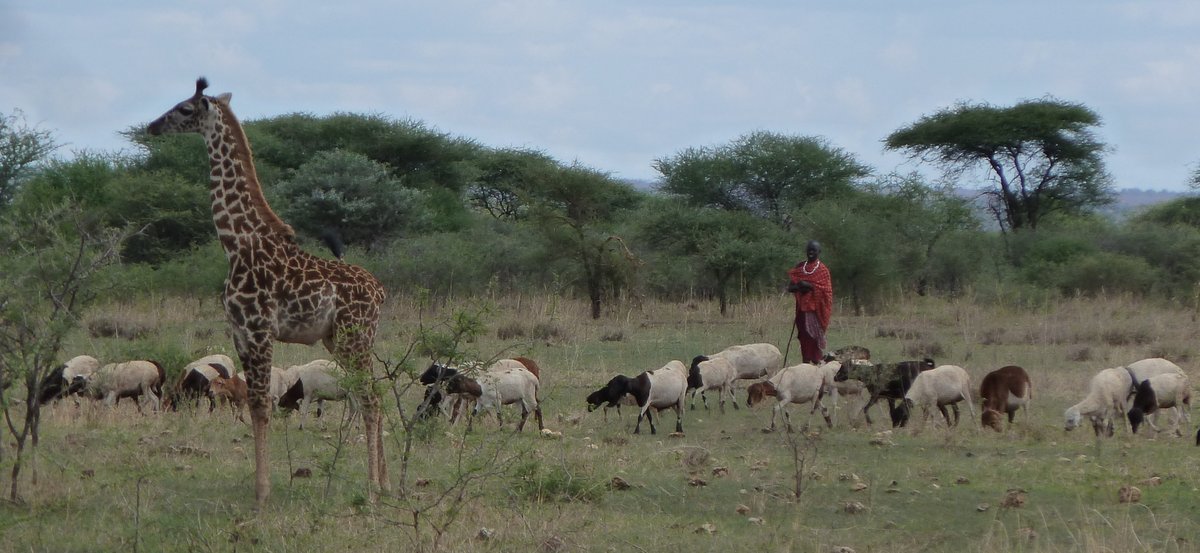
🦓🦁🦒🐘🐆Protected area (PA) outcomes vary even within the same ecosystem. Wildlife trends and human-wildlife interactions differ across PA types, underscoring the importance of local context and management capacity. #Conservation#Tanzania#Coexistence https://t.co/QO3MwpzKUB
Building trust and adaptability between livestock farmers, scientists and policy makers is essential for sustainable coexistence between wolves and grazing livestock in Europe.
Study coauthored by Emu-Felicitas Ostermann-Miyashita and Darragh Hare.
👉 https://t.co/y4aF4O6LVG
📈Herbivore densities in community-based conservation models are comparable to national parks and substantially higher than in lesser protected areas, demonstrating their #effectiveness in stabilizing wildlife populations. Read the full study: https://t.co/r9R9ewygic (2/2)
📢 We're thrilled to announce our latest publication with @WildNatureInst and other amazing, twitterless collaborators! We explored the population dynamics of elephants🐘, giraffes🦒, zebras🦓, and wildebeests across the Tarangire Ecosystem, Tanzania. #CommunityConservation 1/2
Led by @HayleySClements, and with many others, we have just published the dataset of faunal and floral population intactness estimates across Africa’s major land uses in @ScientificData. @ResearchUP @InvasionScience
https://t.co/KFij7e1OAu
What kind of livestock 🐐🐑🐮🐂🦌species do recolonizing wolves 🐺🐺prey on? How many head of livestock are lost during a single event? When does predation on livestock peak?
Why do large #herbivores form mixed species groups? Is it to reduce stress associated with predation risk by #lions🦁? Or to reduce stress associated with finding forage🍀? ➡️https://t.co/mhpCrstGwH
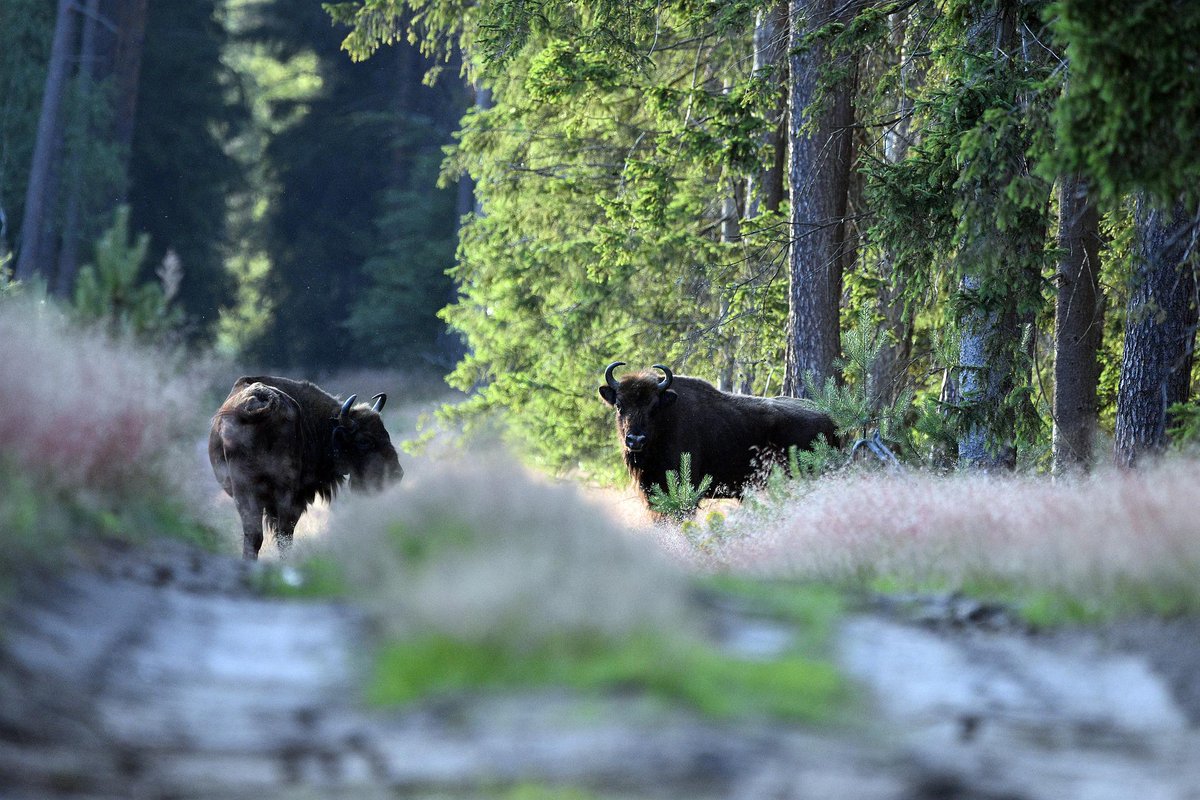
Interested in #human-#wildlife interactions and #CitizenScience? New paper @PaN_BES looks at the connection between knowledge about returning 🦬,🐺& #moose and motivation to engage in science projects: https://t.co/jxOv4VP0GH
Was bedeutet Koexistenz zwischen Mensch und Wildtieren? 🐗👩🌾 Welche Tierarten sind nach Deutschland zurückgekehrt?🤔
Testen Sie Ihr Wissen im Wissenschaftsquiz mit Fragen der ZALF-Forscherin Emu-Felicitas Ostermann: https://t.co/rz7NrlZ9Cl
🦓🦒Giliba et al. assessed the ecological effectiveness of protected areas by investigating temporal changes in land-use and population of six large mammal target species in the Katavi-Rukwa Ecosystem of western Tanzania.🐘🐃 https://t.co/ZXkb15Ll1l #science#conservation#africa
📢First paper by PhD candidate Richard published in @ConservationSP 🍾🎉; interdisciplinary research with @Loos_Jac on #effectiveness of protected areas🐘🦓🦒 in Tanzania:
https://t.co/YxiEe69Cv7
Thankful for US and @POTUS personal leadership in striking in the heart of Putin’s war machine and banning oil, gas and coal from US market. Encourage other countries and leaders to follow.
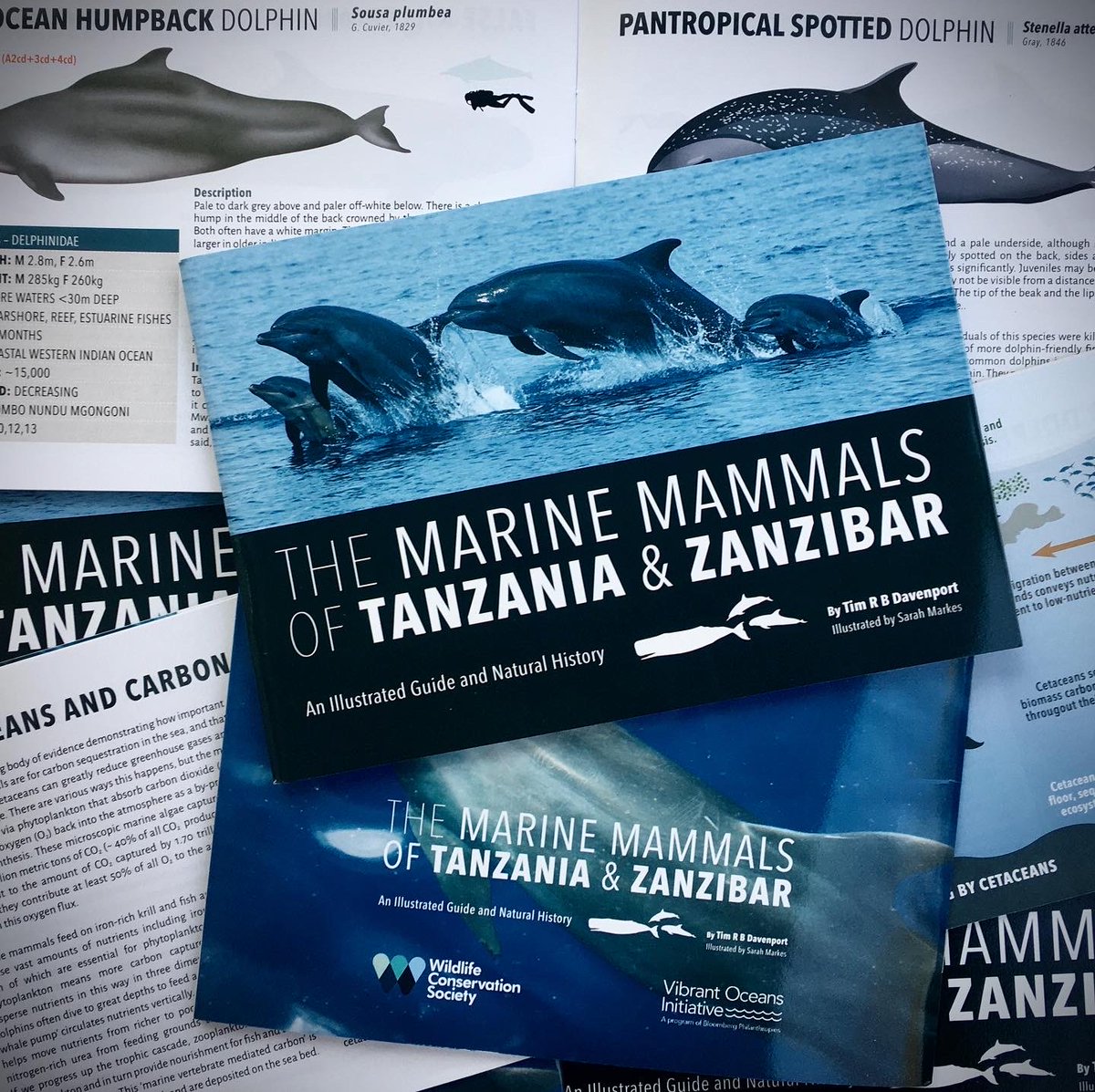
Happy to announce release of my new book ‘The Marine Mammals of Tanzania and Zanzibar’ - beautifully illustrated by @smarkestz. Thanks to @bloombergdotorg we will distribute free copies to schools, colleges, government, conservation NGOs & communities. #VibrantOceans