Det mest intressanta efter Egyptens förlust mot Argentina var inte resultatet. Det var reaktionen.
När ett lag leder med 2–0, släpper in tre mål och förlorar matchen finns det en självklar fråga att ställa: Vad gick fel på planen?
I stället fylldes sociala medier av anklagelser mot domaren, FIFA och påstådda konspirationer. Förklaringen skulle återigen finnas utanför den egna prestationen.
Detta är ett mönster som sträcker sig långt bortom fotbollen. I stora delar av Mellanöstern är konspirationsteorier inte ett undantag utan ett standardverktyg för att slippa självkritik. När något går fel är det nästan alltid någon annans fel: väst, Israel, CIA, FIFA, domaren eller någon diffus “agenda”. Allt utom den egna oförmågan.
Det är en kultur som är djupt destruktiv. För den som alltid ser sig som offer har ingen anledning att förändras. Självrannsakan ersätts av självömkan.
Visst kan domare göra misstag. Visst kan enskilda beslut påverka matcher. Men inget domslut tvingar ett lag att tappa en tvåmålsledning. Tre insläppta mål är sällan resultatet av en internationell komplott.
Den obekväma sanningen är att mästarlag vinner trots tveksamma domslut. De försvarar ledningar, anpassar sig och hittar sätt att avgöra matcher. Förlorare letar syndabockar.
Det är också därför många samhällen fastnar i ett permanent tillstånd av frustration. Om varje misslyckande förklaras med yttre krafter blir den egna handlingsförmågan obefintlig. Ansvar blir något som alltid ligger hos någon annan.
Fotboll är förstås bara fotboll. Men reaktionerna efter matchen säger något större. De visar hur djupt rotad offermentaliteten kan vara och hur svårt det blir att utvecklas när varje motgång omedelbart förvandlas till ännu ett bevis på att världen är emot dig.
Den verkliga vägen framåt börjar med en betydligt tråkigare mening:
Vi ledde med 2–0. Sedan släppte vi in tre mål. Där börjar analysen.
Hypothetical question:
If a President of the USA is a secret Russian asset, what would he do to help Russia?
ChatGPT:
Interesting thought experiment—and a useful way to think about incentives and power. If someone in that position were secretly acting in another country’s interest, the key wouldn’t be dramatic, obvious betrayals. It would be subtle, deniable, and cumulative.
First, they’d likely undermine alliances quietly. The United States’ biggest strategic advantage is its network—especially NATO. So instead of openly pulling out, they might question its value, delay commitments, create distrust among members, or signal unreliability. Even small cracks weaken collective defense.
Second, they could shift foreign policy in ways that benefit Russia without looking extreme. That might mean softening sanctions, slowing military aid to countries Russia opposes (like Ukraine), or reframing conflicts to reduce U.S. involvement. None of that needs to look like “helping Russia”—just “putting America first.”
Third, damage internal cohesion. A divided country is less effective abroad. Amplifying polarization, discrediting institutions (courts, elections, intelligence agencies), or constantly creating internal crises reduces the ability of the U.S. to act strategically. That’s something adversaries historically benefit from.
Fourth, reshape leadership and bureaucracy. Appointing people who are inexperienced, loyal over competent, or sympathetic to certain narratives can gradually shift how decisions are made. Over time, that changes policy outcomes without needing explicit orders.
Fifth, control the narrative. Public opinion matters in democracies. Repeating talking points that align with Russian interests—questioning support for allies, portraying adversaries of Russia as corrupt or unworthy—can steer public sentiment in a favorable direction.
Finally, they’d avoid anything blatantly illegal or provable. The whole strategy would depend on plausible deniability. If it’s obvious, it fails.
The big picture: influence at that level isn’t about one shocking act—it’s about slowly tilting the system so that, over time, outcomes consistently benefit the other side.
King Carl XVI Gustaf of Sweden began his visit to Ukraine by honoring our fallen warriors together with me. We are deeply grateful for this gesture of respect.
The memory of each and every one of them is very important to us – the defenders of Ukraine who fought against Russian aggression. They fought not only for our country, but also for the protection of all of Europe, so that Russian madness and killing would not spread further.
Eternal memory to our fallen heroes!
The White House deleted this embarrassing video. So whatever you do- * DON'T REPOST IT. * Donald wouldn't like it if you hit "repost."
Trump: We can't take care of daycare. We're a big country. We're fighting wars. It's not possible for us to take care of daycare, Medicaid, Medicare, all these things.
@GBX_Press I say: call Elon, use one of those gigantic digging machines in his "Boring" company to dig a large underground tunnel across the Arabic peninsula. Then use the tunnel as a drone-secure mega pipeline for oil....
Problem solved.
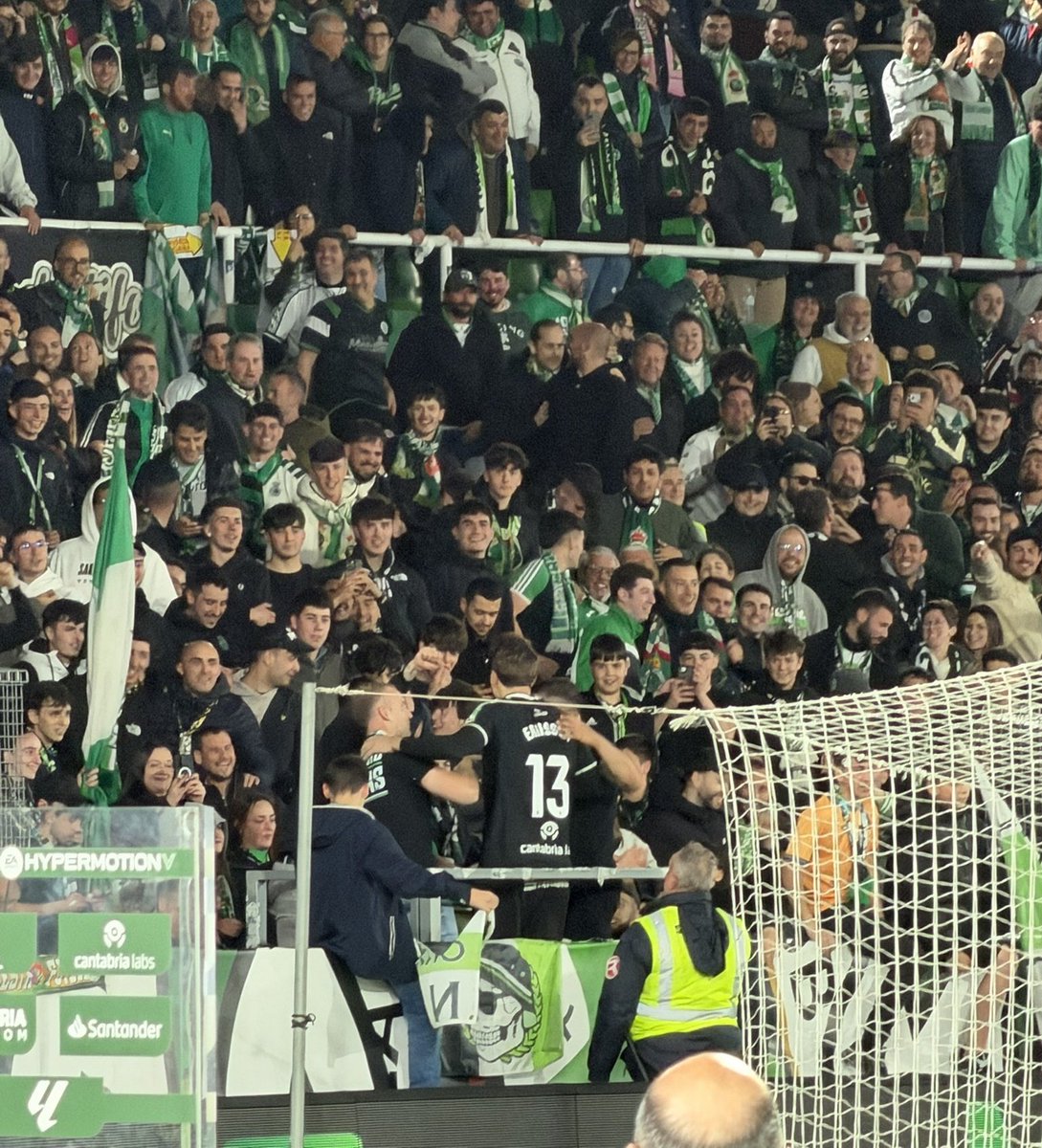
Me parece increíble lo de Simon Eriksson.
Abandonas tú país con 19 años rumbo a un país extranjero, sin tener ni idea del idioma ni conocer a nadie.
Es el primero en celebrar cada gol como si fuese el suyo, sin haber debutado. Está comprometido y entendiendo lo que es Racing.