Last week, I wrote about my AI shopping experience and how Muse compared with other AI experiences.
Our team dove into this topic and researched behavior signals for Muse and other similar AI agents.
Read how we detected Muse using behavior signals.
https://t.co/55v6iIn3jY
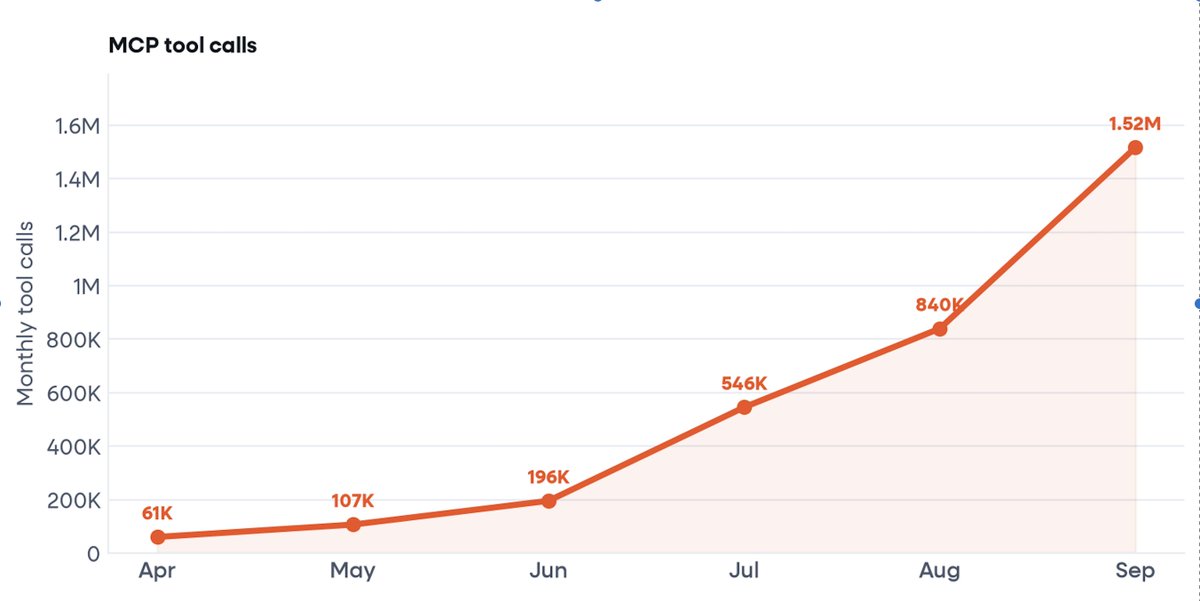
Headless access to @fullstory has grown 25x from April to September in terms of tool call volume. This is the new way of getting insights from user experience data:
- No dashboard --> Only insights, presented however you want
- No human watching session replay --> Agents watching them for you
- No manual analysis --> Automated loops. Getting stuff done.
I think the retail funnel is about to change:
Customer → AI agent → retailer
The human may never visit your homepage, product page, or checkout UI.
The funnel didn’t disappear. It moved.
The human is still the customer. But increasingly, an AI agent will act on that customer’s behalf.
I wrote about what I learned from these 4 experiments and what retailers should start changing now:
https://t.co/wuxOIOe4jE
I tried 4 AI shopping experiences this weekend with the same task:
“Order the same Subway lunch on DoorDash as we did last Saturday.”
Meta Muse: fast, accurate. I’d use it again.
ChatGPT Work: got there, but painfully slow.
DoorDash in ChatGPT: smooth integration, but couldn’t access past orders.
DoorDash AI: smooth experience, but missed a 30% promotion.
This experience got me think a lot about the future of commerce, and what retailers should do to succeed in that future.
That last one is more important than it sounds.
The agent completed the task successfully, but gave me a worse economic outcome.
And the retailer may have no idea anything went wrong.
As agents shop for us, retailers need to understand not just the customer experience, but the agent experience.
Subtext is live in the Linear directory.
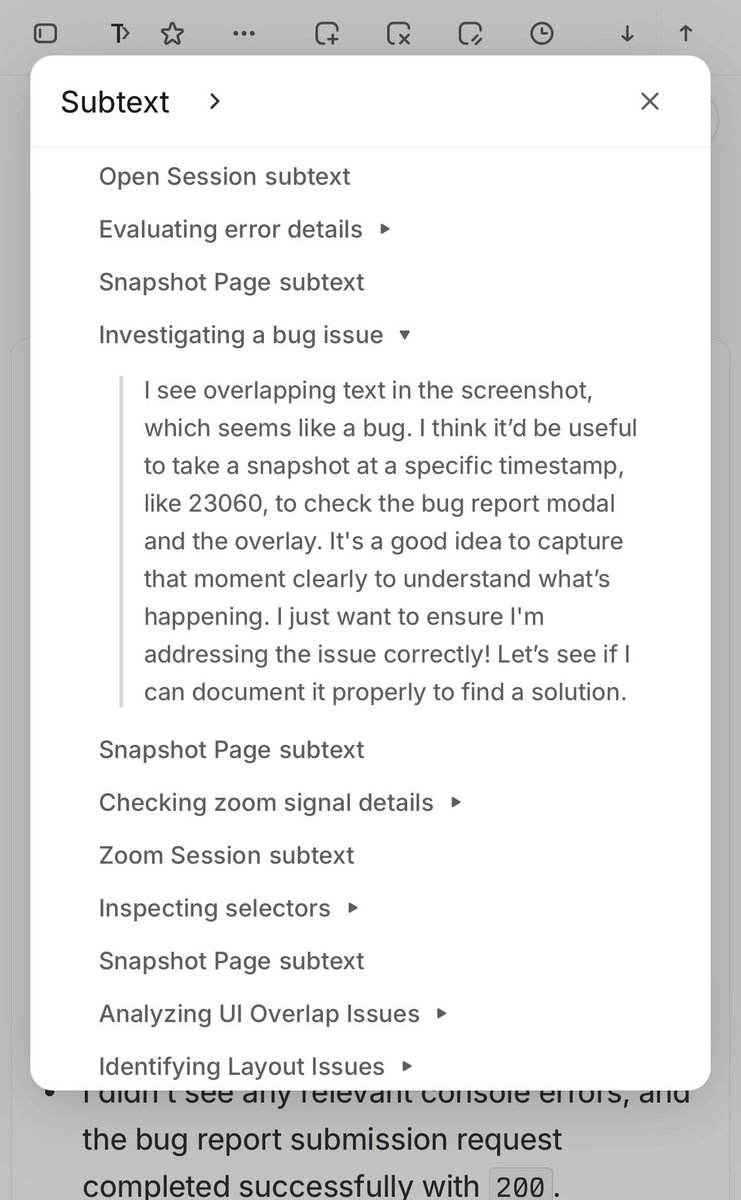
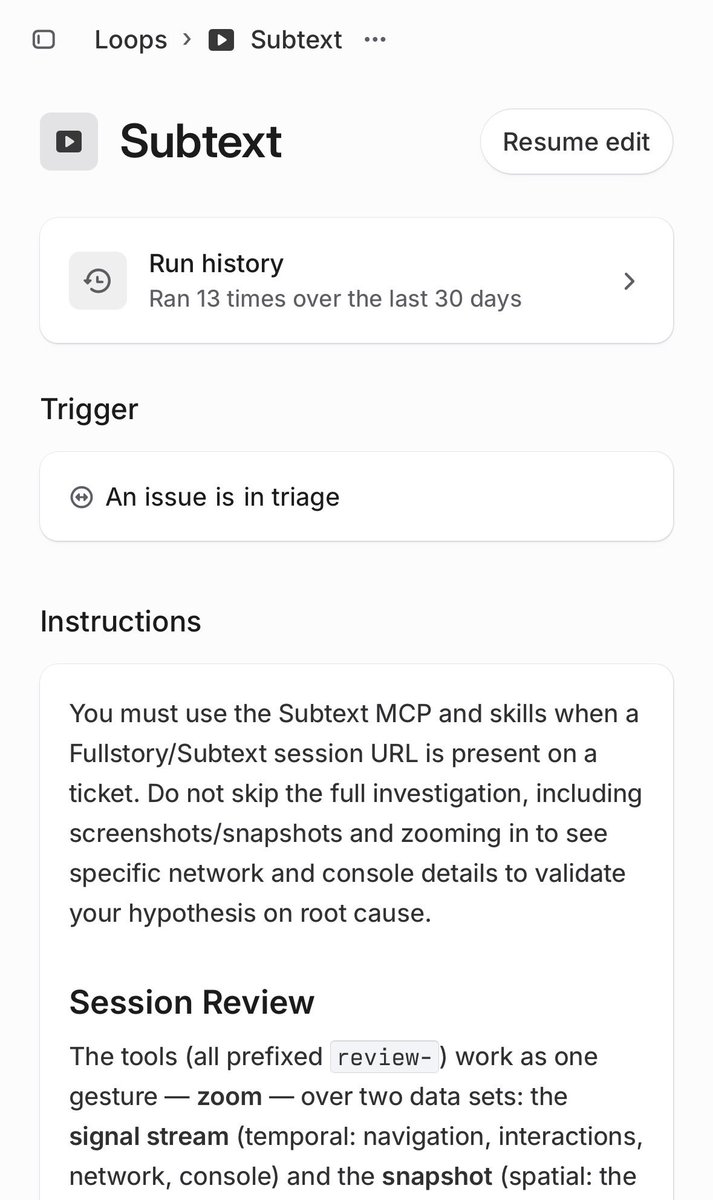
Issues feed the Loop a session link and it runs the investigation. The agent gets tools to zoom into screenshots, network calls and console errors, root cause posted as a comment before an engineer or coding agent opens the issue.
https://t.co/baSzMcy89L
i've been kicking the tires on subtext, a new tool which lets you figure out what happened in your app leading up to some event, very useful for finding the repro for a bug or error. definitely worth checking out if you're building app reliability tooling
Andrew Ng just released a 2-hour course
On building agentic skills from scratch with Anthropic:
00:00 - How to build agent skills with Claude
22:32 - Claude pre-built skills for AI agents
41:07 - Agentic skills vs tools, MCP, and subagents
01:06:06 - Skills for long-running agents
This 2-hour watch can replace 10 paid courses on building agents
Taught with Anthropic themselves
Bookmark and watch it tonight
Then read the article below
The Innovator’s Dilemma is easy to explain and hard to escape.
Once customers love what you built, the company starts organizing around protecting it.
Subtext began with a different question: what would we build if the future users of our product were AI agents, not humans?
That forced us to rethink the product, the cost structure, and the go-to-market model.
AI agents can process far more than people can, so the economics had to change too. We set a hard constraint: the cost needed to be an order of magnitude lower.
Subtext is decoupled from Fullstory. You can use it even if you use another tool for product analytics today.
It would have been easier to make the new product reinforce the current business.
Instead, we built for the market we believe is coming.