If you’ve seen the headlines this morning debating whether menopause is a disease and being over-medicalised, this video explains my thoughts.
Menopause is more than a collection of symptoms; it is a cardiometabolic and inflammatory condition which leads to an increased risk of numerous diseases.
Menopause has been ‘medicalised’ for years – including with antidepressants, antipsychotics, painkillers, sleeping tablets, anticholinergics to treat bladder symptoms, and heart medications to lower cholesterol, reduce blood pressure and control palpitations. The first-line treatment for menopausal symptoms is body-identical HRT.
Studies have shown that when women are given the right dose and type of hormones, their symptoms improve, and they have a lower future risk of numerous long-term inflammatory diseases associated with menopause including diabetes, cardiovascular disease, osteoporosis, dementia, and depression as well as early death.
Talking about menopause as being a ‘natural transition’ or part of ‘healthy ageing’ ignores the very real suffering of many women with menopausal symptoms.
Some things I remember
Being scared every day
Patients with sats of 60% TALKING
FaceTiming relatives so they could say goodbye
A lot of death
Sore face from masks
Sitting on my kitchen floor crying whilst my son held me
IDIOTS ON SOCIAL MEDIA
My amazing ICU family #breathtaking
Remembered this video we made earlier in the year for those who struggle with opening glass ampoules. Take a 5 ml syringe take out the plunger and use as below. You can keep the barrel to use repeatedly. Can be done with 2ml syringe but…Propofol #TipsForNewDocs
Today we remember the one and only Dr Kate Granger MBE who died on this day in 2016.
Kate was an inspiration to thousands across the NHS and her legacy lives on in so much of what we do.
2023 marks 10 years since she launched the #HelloMyNameIs campaign.
🧵
The first short publication about my COVID-19 battle is out.
"My near-death experience with COVID-19: Learning lessons as a healthcare professional"
In the @JCardFail
Thank you @ShelleyZieroth so much for the opportunity.
https://t.co/sbInvn643t
@DrRaniKhatib@JCardFail@ShelleyZieroth@LeedsHospitals @PatientExpLTHT @BTHFT@HarrogateICU @LTHTRespiratory @CVCTForum @UnaLaverty @jobuck01 @covid19leeds Hi Rani - I’ve left the NHS and working in Harrogate hospice now . Can you let me know when you’ve published your book . I’m very keen to read it . I hope it’s been a healing process for you . Sending best wishes to you and the family x
Demystifying Delirium #SOA23
1. Mobility cuts delirium in half
2. Family involvement reduces delirium
3. Don’t underestimate the impact of taking patients outside
4. Listen and Silent share the same letters….let’s listen to our patients more 🤐
@WesElyMD@ICS_updates
@credland_nicki@KateShemirani Absolutely Nikki - having been an ICU sister for 24 years I have left following 2 years in covid - keep telling the truth ❤️
If you are able to, please would you support Jane & the rest of the gang doing Leeds 10k fundraising for British Heart Foundation in memory of Paul Southern ☺️ Check out their @JustGiving page and please donate if you can. Thank you! #JustGiving https://t.co/Y0raq4nDR7
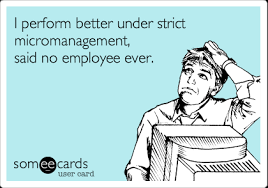
Micromanagement has a terrible impact on psychological safety. Micromanaged teams always have low scores in assessments of psychological safety. To deal with it:
1) make efforts to find out if it's happening amongst the teams you lead (people usually don't tell spontaneously)
2) support people in their first leadership roles not to become micromanagers
3) if you're being micromanaged, take action with others
4) self-reflect on your own style
https://t.co/ignAbQsLCD Via @jvschrag @tom_geraghty. Graphic: @someecards
Dear Cabinet Office
Our lives were in your hands.
Whatever you're hiding was a matter of life and death to us.
Some of us were lucky to survive.
Many did not.
We're entitled to know why.
Every little bit of it.
Michael Rosen