Leading organisational decarbonisation @ourANU Interested in the world. Trying to be “groundedly optimistic” about the future we're creating. Mother of 3 boys.
Looking for a new challenge? The Australian National University is seeking a Carbon Accounting Manager with good data analytics and reporting skills. They will play a vital role in helping ANU achieve our below zero emissions target @ANU_ICEDS
https://t.co/fsi8CCkfaP
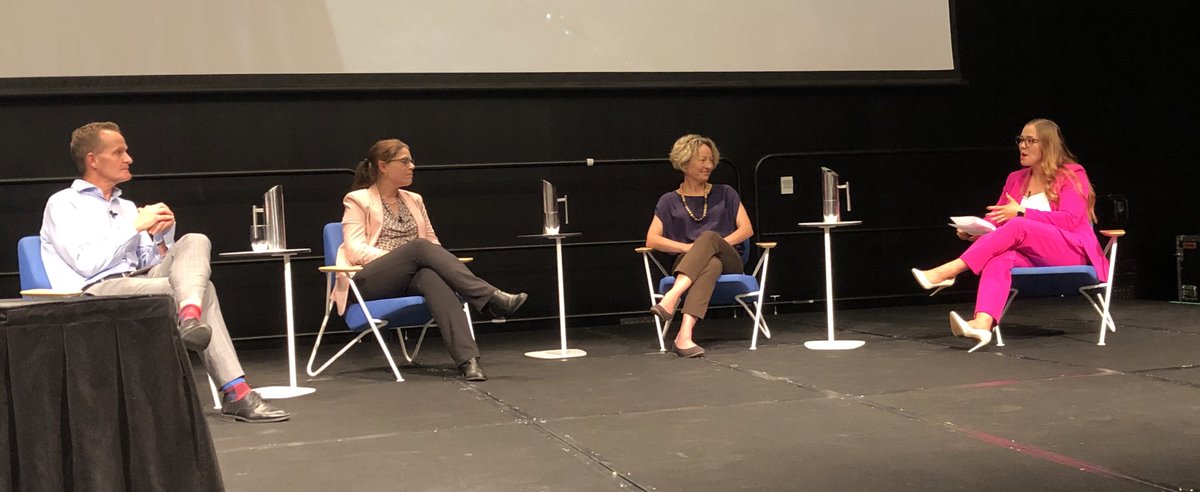
A call to arms for Australia to increase focus on carbon removal. So much opportunity but must be done w integrity, considering co-benefits, alternative models, financing, verification #ANUClimateUpdate Prof Andrew Macintosh Prof Alessandra D’Alessandro @MtMajura@Caitlyn_Baljak
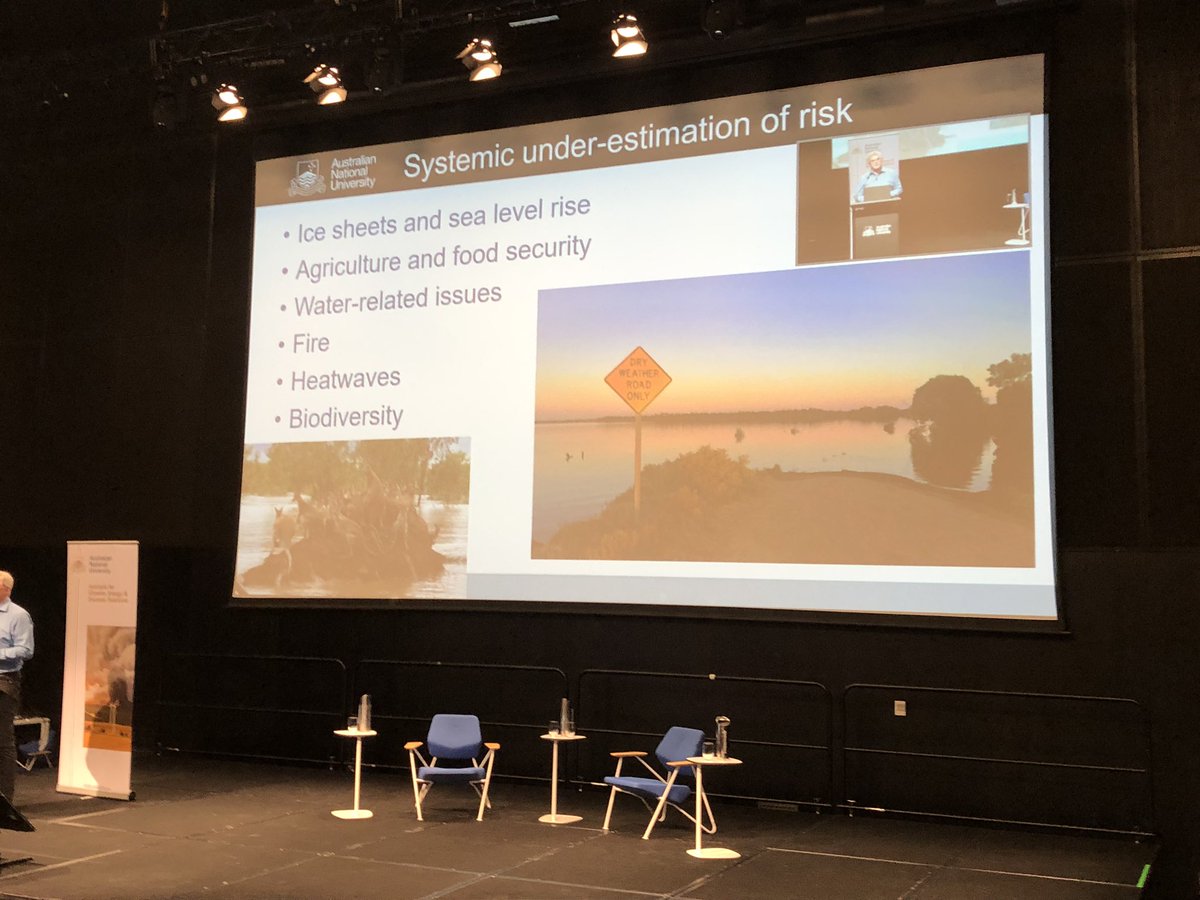
We are systemically underestimating climate risk says @ProfMarkHowden There are a huge number of emission reduction options BUT we urgently need to dial up implementation & financing as it is totally inadequate #ANUClimateUpdate23
Net zero emissions is not enough - to stay even at 2C warming we have to also sequester carbon says Prof Deanna D’Alessandro @Sydney_Uni There are huge opportunities in creating new industries for Australia here #ANUClimateUpdate23
@cbr_heartdoc My father died recently at 93 & one of the causes was frailty of old age (along w ischaemic heart disease & severe coronary artery disease). I’m wondering what the difference (on a death certificate) is between frailty of old age & old age - is it just semantics?
ANU Energy Update 2021: Getting to #NetZero#Energy sector developments, trajectories to #decarbonisation, zero-emissions options for industry, & research & action on #EnergyTransition.
Online & in-person. Wed 1 Dec, 1-5pm AEDT
Program & register➡️https://t.co/PpOnmBs4lg
Pacific communities will bear the brunt of extreme coastal impacts unless we take strong action to reduce emissions now. Download our Oceans & Coasts factsheet to find out more on the findings of the @UN@IPCC#climatereport, as they relate to the Pacific https://t.co/EKaQQrKQG8
United Nations @IPCC_CH#ClimateReport: What's ahead for the Pacific and Papua New Guinea?
Join us & partners @SprepChannel & UPNG for two events on Aug 25, as we discuss the IPCC's climate report as it relates to the Pacific.
▶️https://t.co/eNYZ0akepr
Photo: Jocelyn Carlin
Our #IPCC event is going ahead *online* tomorrow 17 Aug at 6pm AEST, following the ACT COVID-19 lockdown.
Join us & +1,900 others to hear from @VickiTreadell, @pepcanadell & @janfug on the latest @IPCC_CH report & how we can stabilise our #climate
➡️ https://t.co/9JHyKmcLb5
If GHG emissions do not start to decline significantly in the next handful of years, the world is extremely likely to exceed 2°C warming during the 21st century > United Nations @IPCC_CH#climatereport finding.
It is not possible to achieve the low level of warming aimed for in the #ParisAgreement unless we stop emitting high levels of GHGs > United Nations @IPCC_CH#climatereport finding.
The world may warm by 1.5°C by the early 2030s, and even earlier if we don’t move to a lower emissions trajectory > United Nations @IPCC_CH#climatereport finding.
The more we know, the worse it looks, says @ProfMarkHowden. This is the key takeaway from the United Nations @IPCC_CH#climatereport, released today. The choice of climate future is ours to make.
The case for more international arrivals. Take a differentiated, risk based approach. Home q’ for the vaccinated. Dedicated q’ facilities. We don’t have to be so isolationist. https://t.co/1DmvHaaaYy
Halving global emissions over a decade is theoretically possible - but it will simply not happen. The technological, economic and political inertia is too great. Thankfully 1.5d is no singular threshold. "Well below 2d" is a useful goal. CO2 removal could allow 1.5d long term.