On Sakhalin he conducted a door-to-door census of 10,000 convicts and settlers over three months. He recorded names, ages, crimes, sentences, family situations, by hand, on index cards, alone.
The Tsarist government later used his data to reform the penal system. Slightly.
In 1890, Chekhov traveled alone across Siberia to Sakhalin Island, a Russian penal colony north of Japan. He had tuberculosis. The journey took three months by train, horse carriage, and river boat. Nobody sent him. He funded it himself.
He was 30. He was already famous.
She outlived him by nine years. After his death she spent those years trying to correct the historical record, insisting she had been more than a copyist, more than a housekeeper.
She was right. Nobody argued with her seriously until recently.
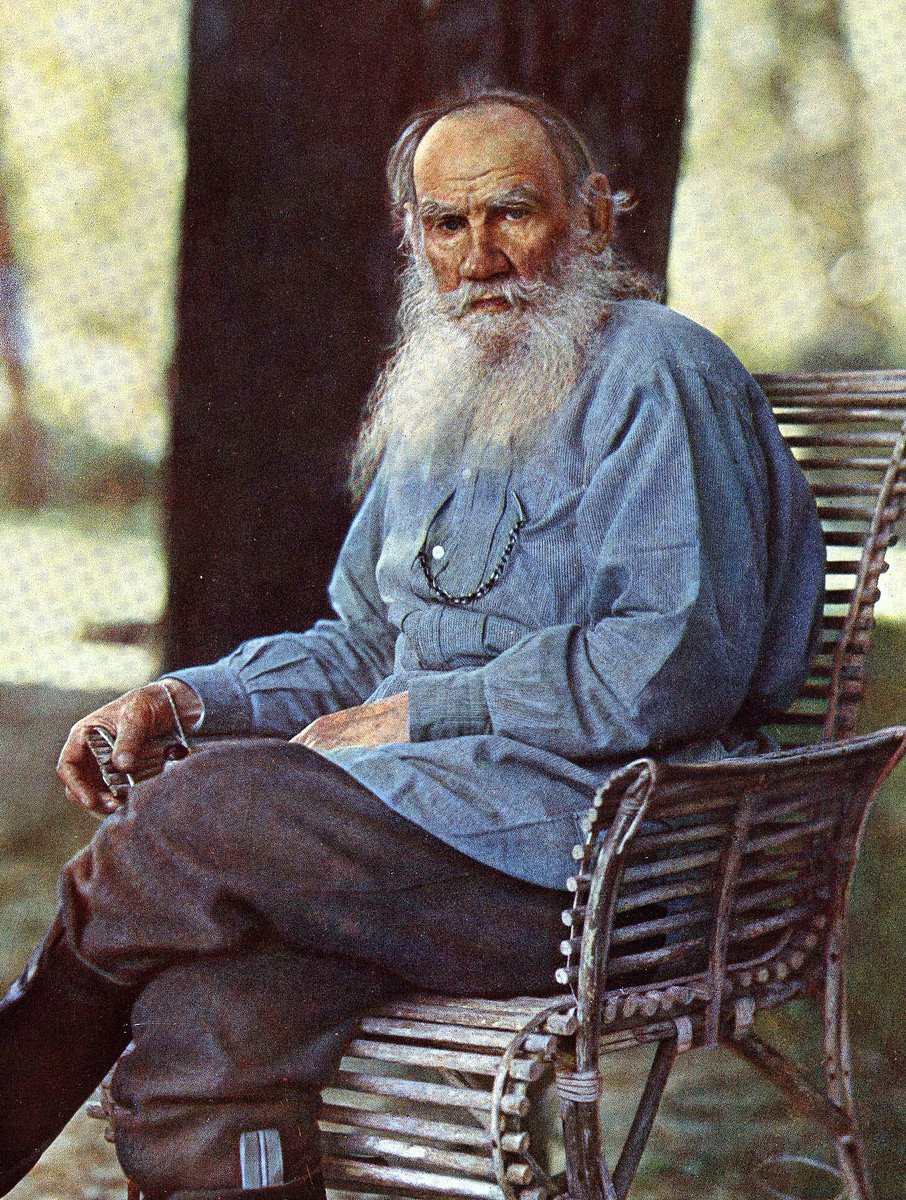
Sophia Tolstaya copied War and Peace by hand seven times. Not typed, copied, in longhand, every night after the children were in bed, deciphering Tolstoy's near-illegible corrections and marginalia.
The novel is 1,225 pages. She did this between 1863 and 1869.
She also managed the estate, raised 13 children, and handled all of Tolstoy's correspondence. In her diaries she wrote that she felt her own mind dissolving into his.
Tolstoy's diaries from the same period are almost entirely about his spiritual development.
She outlived him by nine years. After his death she spent those years trying to correct the historical record, insisting she had been more than a copyist, more than a housekeeper.
She was right. Nobody argued with her seriously until recently.
Sophia Tolstaya copied War and Peace by hand seven times. Not typed, copied, in longhand, every night after the children were in bed, deciphering Tolstoy's near-illegible corrections and marginalia.
The novel is 1,225 pages. She did this between 1863 and 1869.
She also managed the estate, raised 13 children, and handled all of Tolstoy's correspondence. In her diaries she wrote that she felt her own mind dissolving into his.
Tolstoy's diaries from the same period are almost entirely about his spiritual development.
When he fled Austria in 1934, he left most of it behind. The Nazis catalogued the collection. Some pieces ended up in the British Museum. Some disappeared. The manuscripts he cared most about, he didn't know where they went.
He never stopped writing about loss after that.
Stefan Zweig spent decades collecting original manuscripts, not copies, the actual pages. He had Mozart's handwriting, Beethoven's drafts, Goethe's letters. He believed holding the physical object let you feel the moment of creation.
He called it his 'world in miniature.'
When he fled Austria in 1934, he left most of it behind. The Nazis catalogued the collection. Some pieces ended up in the British Museum. Some disappeared. The manuscripts he cared most about, he didn't know where they went.
He never stopped writing about loss after that.
Stefan Zweig spent decades collecting original manuscripts, not copies, the actual pages. He had Mozart's handwriting, Beethoven's drafts, Goethe's letters. He believed holding the physical object let you feel the moment of creation.
He called it his 'world in miniature.'
Alexandre grew up poor, watched his father's story be erased, and spent his life writing about men unjustly imprisoned who return to take back what was taken.
The Count of Monte Cristo isn't a revenge fantasy. It's a son's letter to his father.
The man who inspired The Count of Monte Cristo wasn't fictional. Alexandre Dumas's father. General Thomas-Alexandre Dumas, was born in Saint-Domingue (now Haiti) to a French nobleman and an enslaved African woman.
He became Napoleon's most decorated general of color.
Napoleon eventually turned on him. Dumas was imprisoned for two years in a Neapolitan dungeon after a shipwreck. He returned to France broken in health. Napoleon refused to pay his pension. He died at 43, almost forgotten.
His son was four years old.
Alexandre grew up poor, watched his father's story be erased, and spent his life writing about men unjustly imprisoned who return to take back what was taken.
The Count of Monte Cristo isn't a revenge fantasy. It's a son's letter to his father.
The man who inspired The Count of Monte Cristo wasn't fictional. Alexandre Dumas's father. General Thomas-Alexandre Dumas, was born in Saint-Domingue (now Haiti) to a French nobleman and an enslaved African woman.
He became Napoleon's most decorated general of color.
Napoleon eventually turned on him. Dumas was imprisoned for two years in a Neapolitan dungeon after a shipwreck. He returned to France broken in health. Napoleon refused to pay his pension. He died at 43, almost forgotten.
His son was four years old.
They finally married in March 1850. He died five months later at 51.
Victor Hugo visited on his deathbed and later said he had 'the kind of death that great men deserve, but rarely get.' Hańska didn't attend the funeral.
Balzac wrote 91 novels in 20 years, 15-18 hours a day, fueled by coffee. He also had debts that followed him for decades.
He fell in love by letter with a Polish countess who kept him waiting for 18 years before agreeing to marry him.