@SorenSloth Det samme! Måtte forlade stuen og lue en helt række hindbær for ukrudt de sidste 5 min 🤯 Kæft det var skønt at kravle rystende tilbage til slutresultatet 💪😀 #ultratwitteragf#ksdh
Hi library folks, I'm librarylovestories on Instagram and post mainly about libraries and reading but also about running, cider making and my band, Father Wood
Which great library people should I follow?
https://t.co/uikgbxB2Wn #librarytwitter#librarylove#librarylife
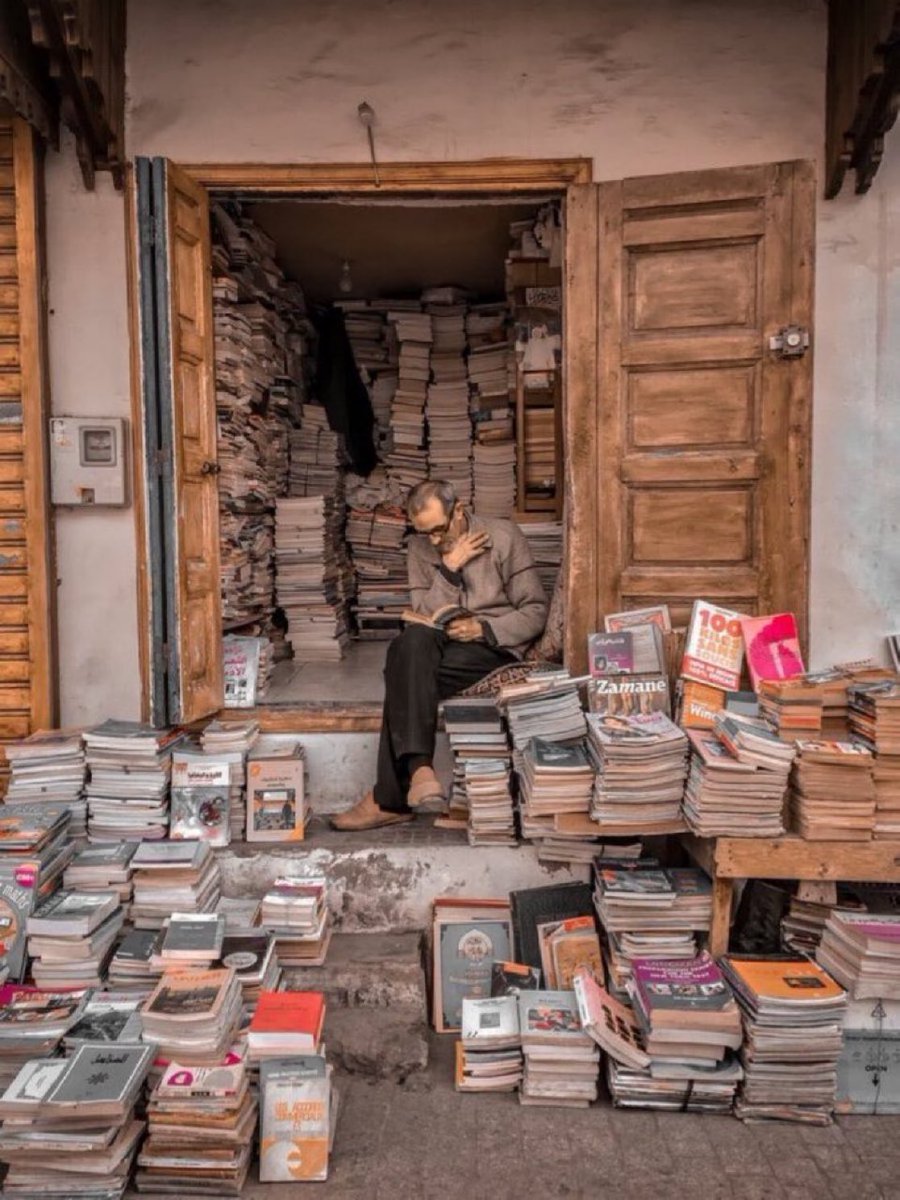
Bored? Read a book.
Stressed? Read a book.
Rainy day? Read a book.
Can’t sleep? Read a book.
Had a bad day? Read a book.
Tired of scrolling? Read a book.
Lacking inspiration? Read a book.
Waiting for someone? Read a book.
Not sure what to do right now? Read a book.
“We are the only species on the planet, so far as we know, to have invented a communal memory stored neither in our genes nor in our brains. The warehouse of this memory is called the library.”
— Carl Sagan
“Libraries are one of the last non-commercial spaces we have where everyone is welcome. They strike me as a little glimpse of how we could live if we chose to be a generous society rather than a fearful one.”
-Jenny Offill
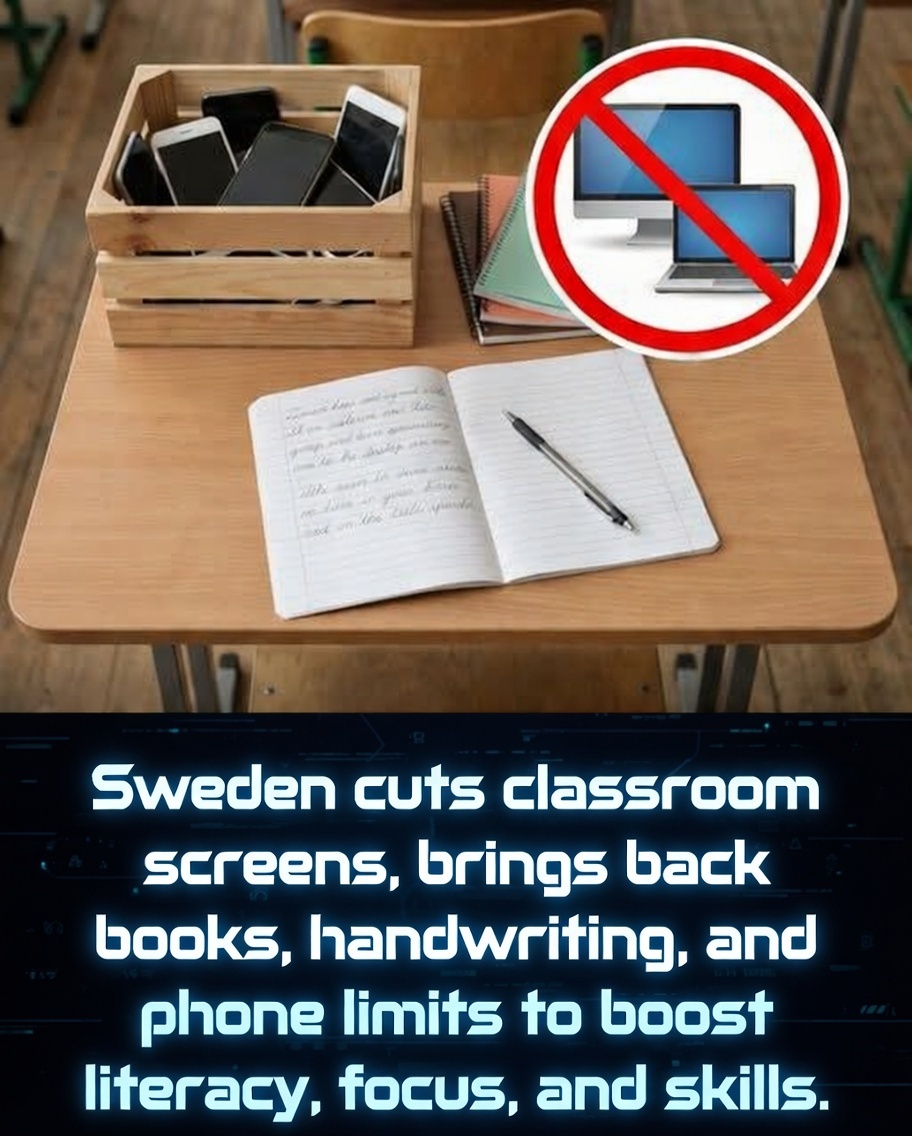
Sweden is committing more than €100 million to a sweeping classroom overhaul: replacing tablets and screens with traditional printed textbooks to help reverse falling student performance and sharpen focus.
After more than a decade of embracing digital-first education, Swedish authorities are now pivoting back to paper-based learning. Official data and recent studies cited by the Ministry of Education show that prolonged screen use in class has been linked to shorter attention spans, weaker reading comprehension, and reduced critical-thinking abilities.
Research consistently finds that reading on illuminated screens requires greater mental effort and invites more distractions compared to the calm, linear experience of physical books—factors believed to have contributed to declining academic outcomes in recent years.
Under the new plan, every student will receive printed textbooks for all core subjects, restoring books as the central learning tool. Digital devices and online resources will remain available as supportive tools, but they will no longer dominate daily instruction.
This bold €100+ million investment signals Sweden’s leadership in rethinking the role of technology in education. It underscores a broader, growing recognition worldwide: while screens provide speed and access, the hands-on, distraction-free engagement of physical books supports deeper concentration, stronger memory retention, and more effective long-term learning.
By choosing paper over pixels, Sweden is charting a path toward a more balanced, evidence-informed classroom future—one that puts proven pedagogical principles ahead of unchecked digital trends.
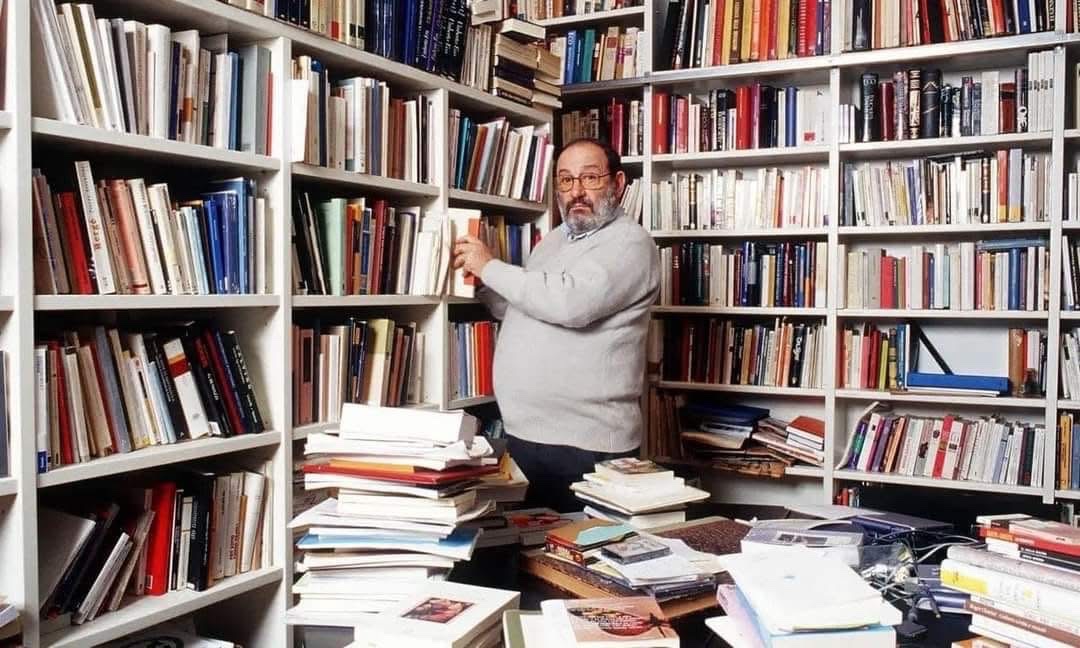
Umberto Eco, who owned 50,000 books, had this to say about home libraries:
“It is foolish to think that you have to read all the books you buy, as it is foolish to criticize those who buy more books than they will ever be able to read. It would be like saying that you should use all the cutlery or glasses or screwdrivers or drill bits you bought before buying new ones.
“There are things in life that we need to always have plenty of supplies, even if we will only use a small portion.
“If, for example, we consider books as medicine, we understand that it is good to have many at home rather than a few: when you want to feel better, then you go to the ‘medicine closet’ and choose a book. Not a random one, but the right book for that moment. That’s why you should always have a nutrition choice!
“Those who buy only one book, read only that one and then get rid of it. They simply apply the consumer mentality to books, that is, they consider them a consumer product, a good. Those who love books know that a book is anything but a commodity.”