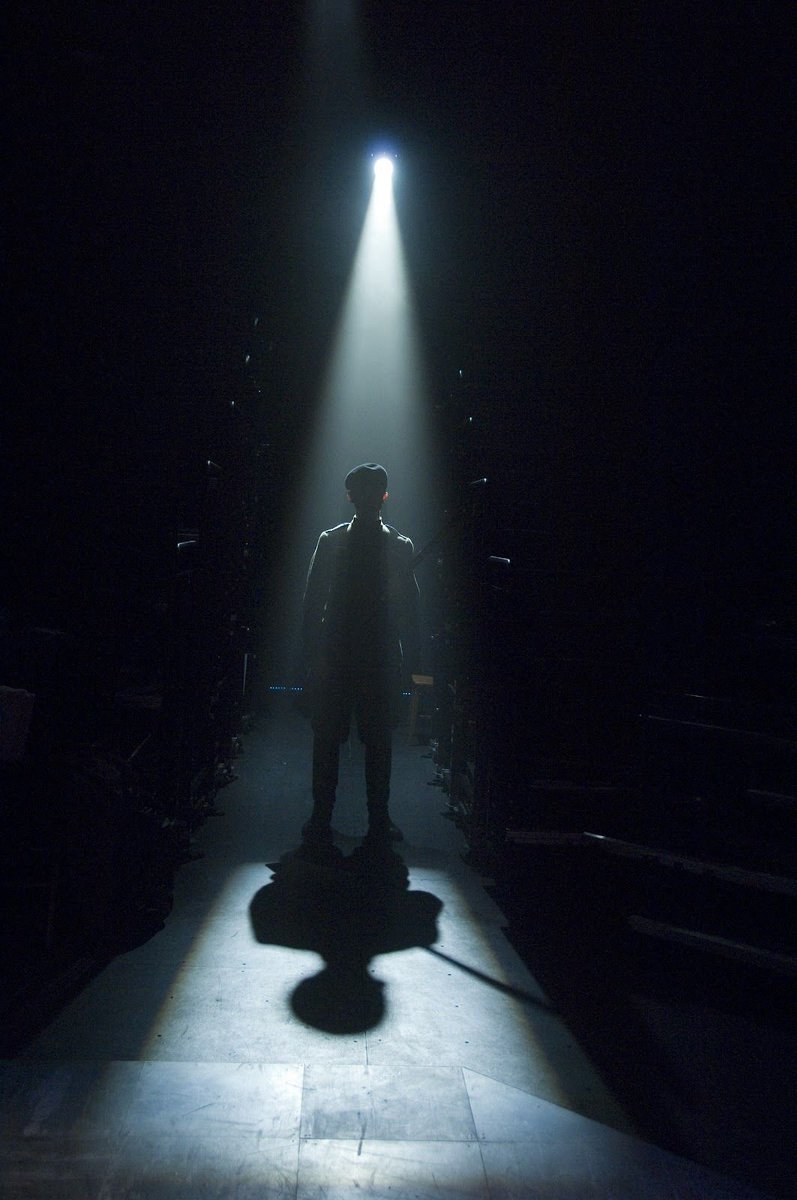
Color proves its relevancy on and off the stage. https://t.co/o6wSCe6Zpr elaborates about how stimulating colors are to the brain, whether it be you're on a stroll, shopping, or working.
It's important to recognize how humans comprehend color. Unbelievably, there is little research regarding color and its effect to the brain. This reading talks about multiple ways that our brain registers color.
Sciencealert offers insightful information about the scientific impact of color. For example, red makes our heart rate beat faster, but why? The article gives a concrete answer that moves me one step forward in my research.
I like this video because it sets a foundation for the new research I will be conducting. Why and how color effects the brain the way it does will be crucial to understanding its ultimate influence. This grand comprehension will ultimately give me the upper hand.
I like this quote note only because its Pablo Picasso... but it also answers one of my Essential Questions "How are colors and emotion related." Hope this was interesting considering Pablo Picasso said it.
Interesting story:
We are more prone to eat foods that look "warm" instead of those that are not natural. What this means? Lets look at a burger for instance. The meaty, orange, look of it is considered natural/ edible to our brain.
If you think about it, it makes so much sense on why kids do not like vegetables. Pop culture and T.V. shows label green as disgusting. Immediately I think of the portrayal of boogers. This stigma later gets associated with the infamous vegetable broccoli.
Shadows and Angles are a new type of technique I want to try next time I design a show. My research journey told me I can grasp my audiences interest aesthetically instead of just emotionally.