As the Strait of Hormuz serves as a vital passage for approximately one-third of the world’s seaborne oil, the dispute over access rights has become the central focus of geopolitical maneuvering amid the escalation of the U.S.-Iran conflict. Iran and Oman have recently engaged in intensive negotiations in an attempt to establish a new access arrangement that would replace the model in place for the past 60 years; however, the U.S.’s hardline stance on issues of control and tolls poses significant obstacles to any agreement. Meanwhile, Iran has issued a clear warning to Persian Gulf nations through high-level diplomatic channels, designating key energy infrastructure as potential targets for retaliation. Whether the Strait will reopen depends on the final balance of interests among the various parties involved.
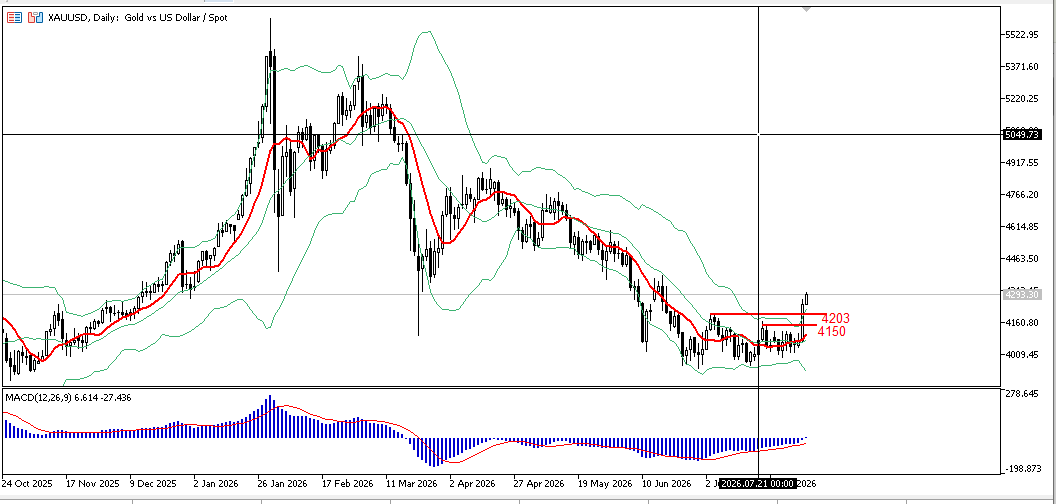
Overall, market optimism regarding the imminent reopening of the Strait of Hormuz has further eased inflation concerns and reduced expectations for Federal Reserve interest rate hikes, putting pressure on the U.S. dollar and U.S. Treasury yields and providing upward momentum for gold prices. Gold surged more than 4% on Wednesday, marking its largest single-day gain since February. During early Asian trading on Thursday (August 6), gold extended its rally, rising as much as 1.3% to a high of $4,302.45—its highest level since June 18.
#XAUUSD #GOLD
@realMaalouf I want something done about the Kurds in Japan. I want the construction of the mosque to stop. Traditional Japanese shrines are being set on fire. It is an abnormal situation.