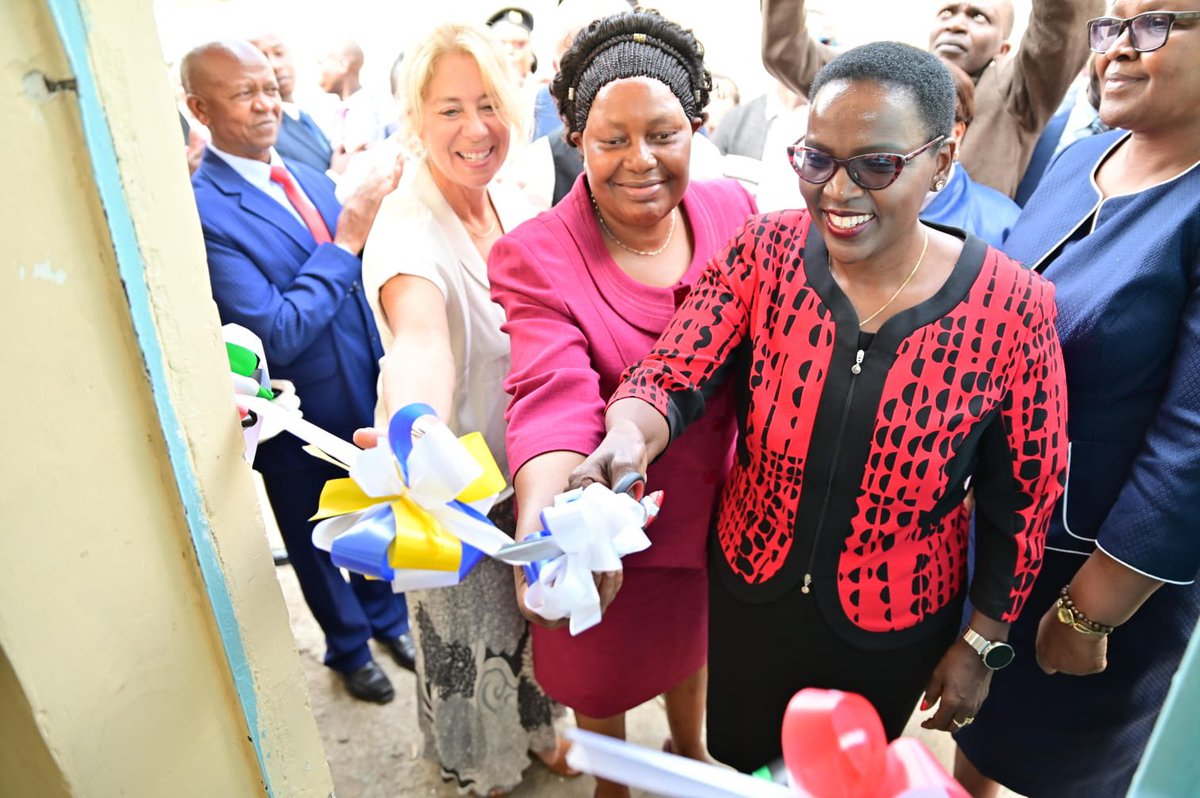
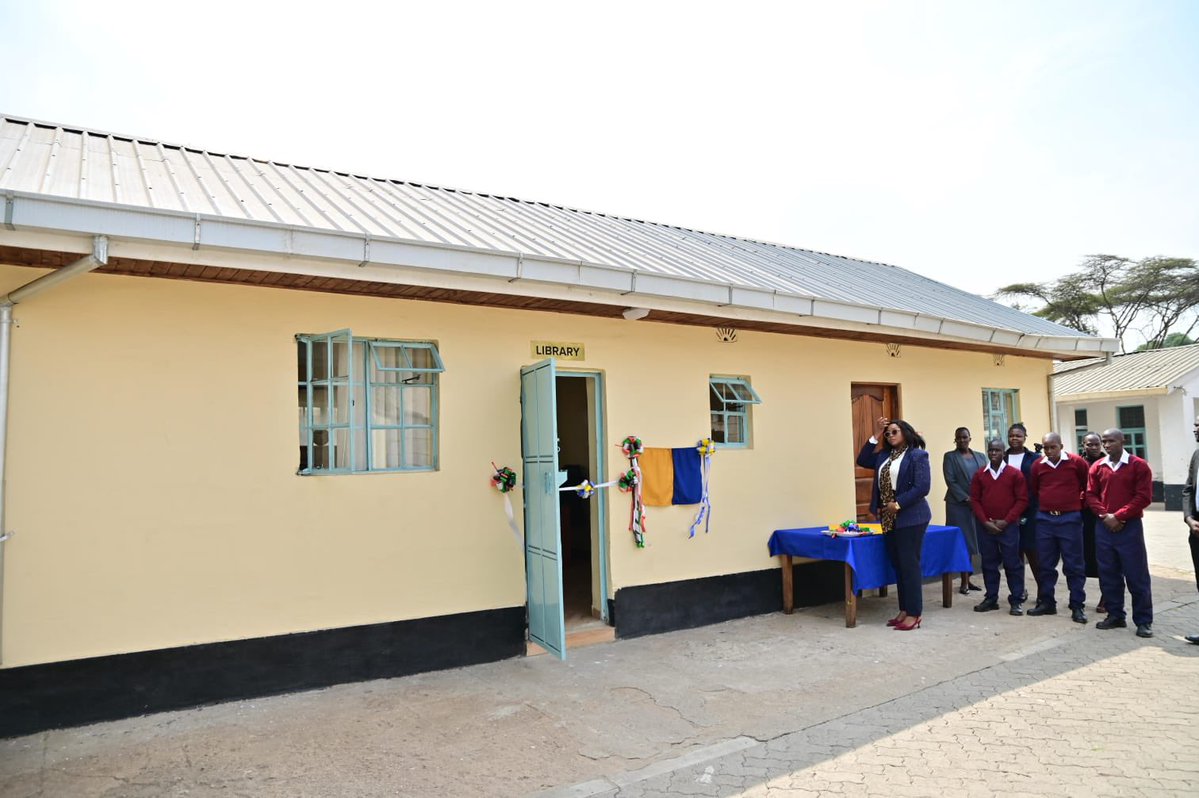
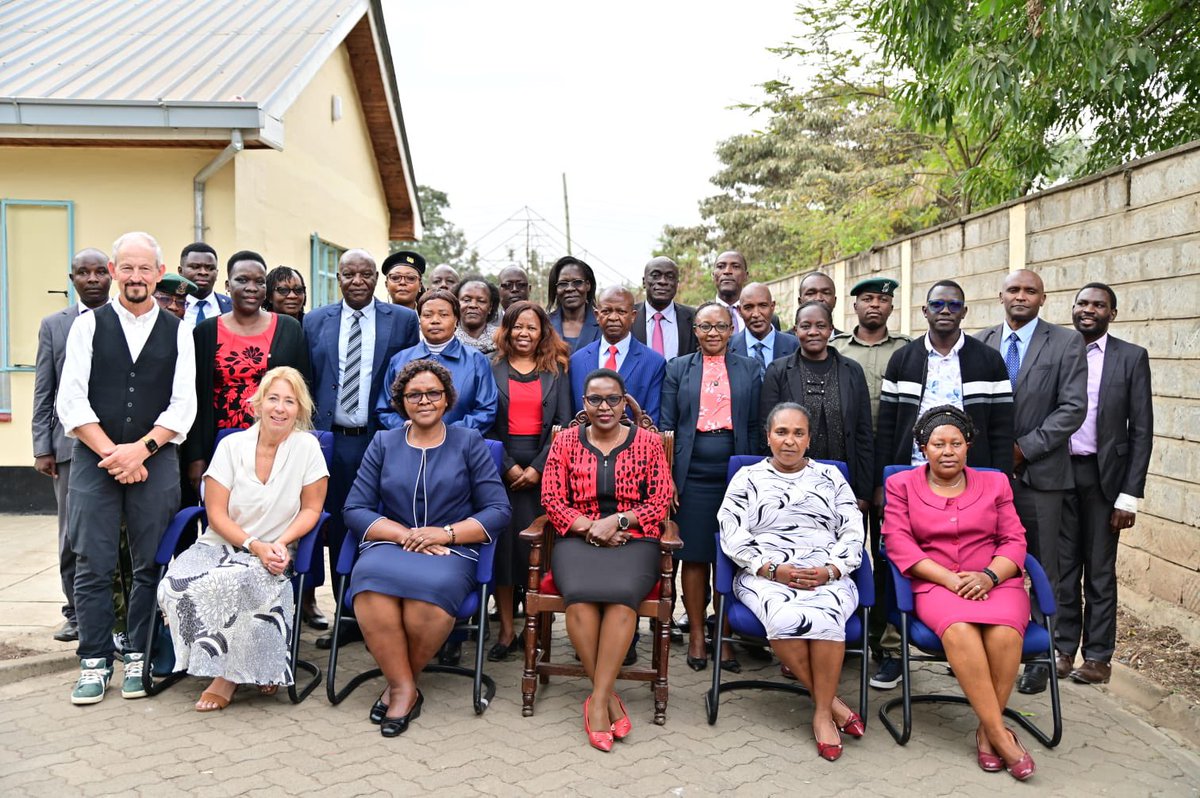
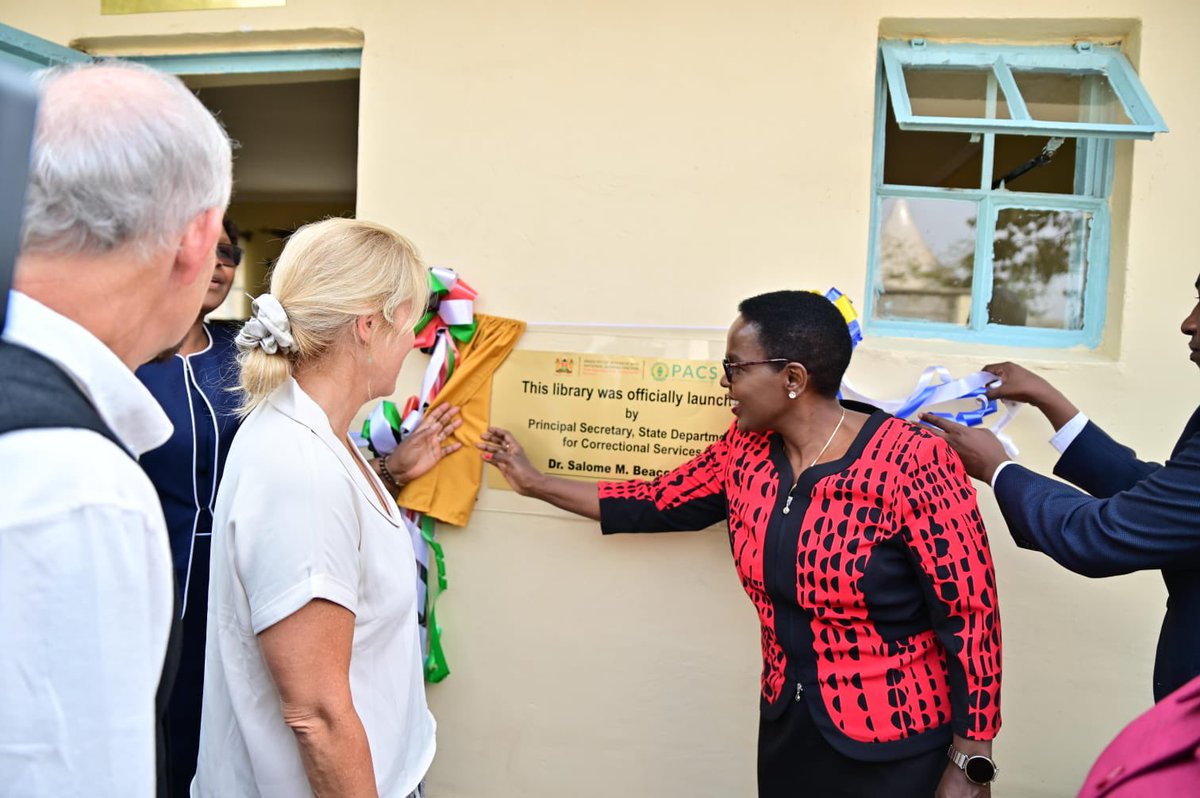
An extraordinary day for our non-profit, iCAN (https://t.co/h0XyGWexlm) launching our first learning center in. Youth detention centers in Kenya, supported by the exceptional people in the Department of Correctional Services. The future is very bright! https://t.co/mGMPXkwpAZ
The State Department for Correctional Services has prioritized education and training in its reformation and rehabilitation efforts targeting young offenders.
Speaking at the Nairobi Boys Probation Hostel during the launch of a library, Correctional Services Principal Secretary Dr. Salome Beacco said empowering young offenders with knowledge remains key to their eventual transformation and reintegration back in the society.
“Through formal schooling, vocational training, and comprehensive programs, we equip our young clients with tools for productive, crime-free lives after their release.” Observed the PS.
She termed the launch of the library, whose concept is planned to be replicated across all the 8 probation hostels in the country, as a transformative step toward turning correctional learning spaces into vibrant hubs of knowledge, creativity, and positive engagement.
While lauding the International Children's Aid Network for the support towards the establishment of the library, the PS said such collaborations help bridge existing resource gaps.
Probation and Aftercare Service Secretary Dr. Christine Obondi said the launch of the library was a testament to the commitment of the State Department to empower young offenders and ultimately reduce the likelihood of reoffending.
Welfare, Sports and rehabilitation Director at the Kenya Prisons Service Susan Majere described the launch as a significant journey towards deepening opportunities for young offenders.
Education and training director at the State Department Dr. Margaret Mutuma termed the latest development as proof that the department remains committed to positively transforming the lives of young offenders through education.
The library will provide both physical and digital learning resources for the beneficiaries through the use of Kolibri educational platform and toolkit which provides a large library of open educational resources, such as lessons, digital story books and interactive exercises, that can be accessed without an internet connection.
According to Dr. Marc Hauser, of the International Children's Aid Network, the resource center will open up a world of alternatives for the beneficiaries and cushion the young offenders from the vulnerability arising from past trauma.
How many lives can be saved if police departments had the de-escalation skills of special education teachers, social workers, or mental health professionals?
Special education teachers are often in a unique situation as they may work with the same student for several school years. This allows them to truly "know" a student and their strengths, and positions the teacher as an advocate and mediator between student, family, and school.
This was one of the most enjoyable and interesting podcasts I've done on my book Vulnerable Minds! Thank you Scott for your awesome Psychology Podcast: https://t.co/NogmRs2zyP
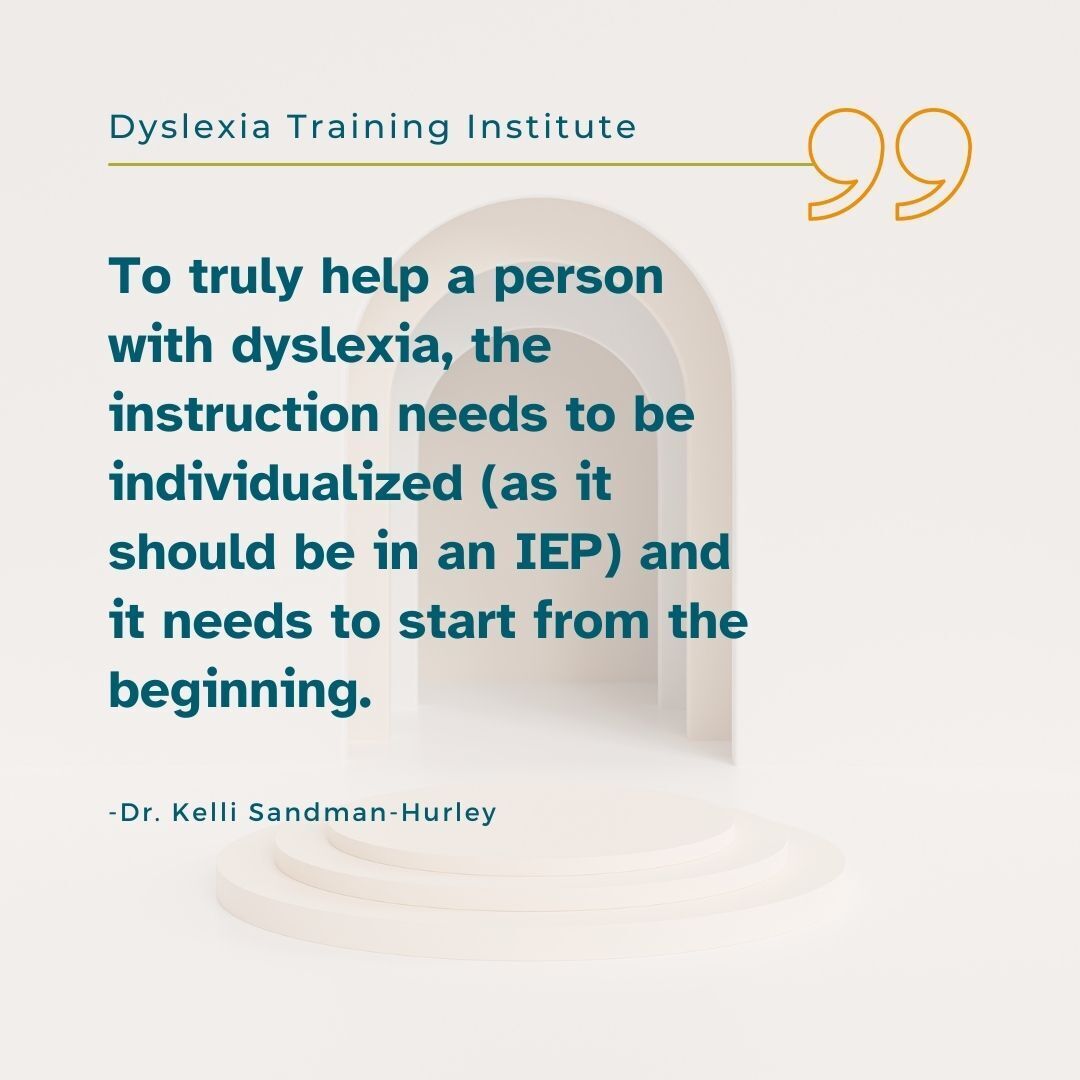
Dyslexia intervention must be individualized. There's no one-size-fits-all timeline. Students need the freedom to go at their own pace so that they can master the material. #dyslexia
In 2016, the International Dyslexia Association coined the term Structured Literacy as a category for evidence-based approaches of explicit instruction, such as Orton-Gillingham, synthetic phonics, phonics-based reading instruction, and systematic reading instruction.
Spelling is often dismissed as unimportant but it's not. Teaching spelling and why words are spelled the way they are can make a huge difference as children are learning to decode and encode words. Don't skip teaching it in favor of a random weekly list of words. #dyslexia
The enthusiasm for teaching in special education is often overshadowed by overbearing workloads and lack of support from admin.
This adversity affects the well-being of teachers and, consequently, the educational standards for students with disabilities.
Study: children with DLD received cognitive & linguistic training. Both types improved verbal short-term memory & verbal working memory. The order of interventions affected the results, suggesting that a combined & tailored therapy may be most beneficial
https://t.co/AKkIwh1ZsX