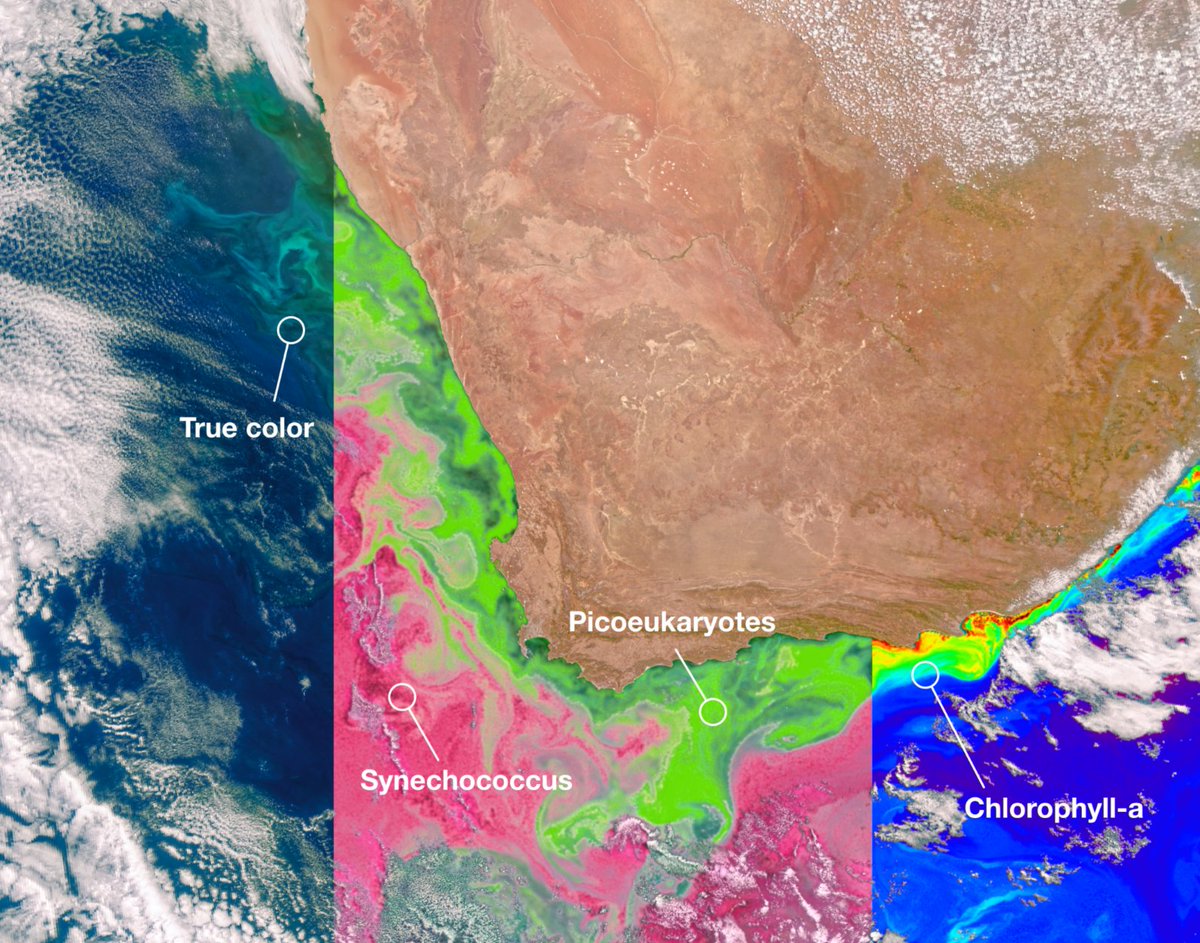
Just in – data from our newest Earth-observing satellite, PACE!
With PACE data, scientists can study microscopic life in the ocean and particles in the air, allowing us to monitor ocean health, air pollution, and impacts of climate change. More: https://t.co/qq4OBYhxYC
I realized recently I didn't know why prisms work. Like, why does light slow down? And why would that depend on color?
It turns out, answering the first question with enough detail automatically answers the second, and it's completely delightful.
https://t.co/lhBBkb5vrx
We're launching Keras Core, a new library that brings the Keras API to JAX and PyTorch in addition to TensorFlow.
It enables you to write cross-framework deep learning components and to benefit from the best that each framework has to offer.
Read more: https://t.co/xmmxBfSZgh
OHW23 application is open! 🌊🌞😎 Consider apply for a week of inspiring interactions and project work with folks in data science in oceanography! https://t.co/Wg7AvjyQqN
Want to use high-res satellites like Landsat and Sentinel-2 for water quality? But unsure how to access, atmospherically correct, and create products like chlorophyll-a or turbidity? Check out Tavora et al's new article outlining recipes to do just that! https://t.co/zUXqtUV3JV
Today I started my class on the butterfly effect in the Lorenz equations by having everyone watch this video by @veritasium. It's so good! Very motivating to the students, and it allowed me to focus more on the nitty-gritty math. https://t.co/Sl3pTZU959
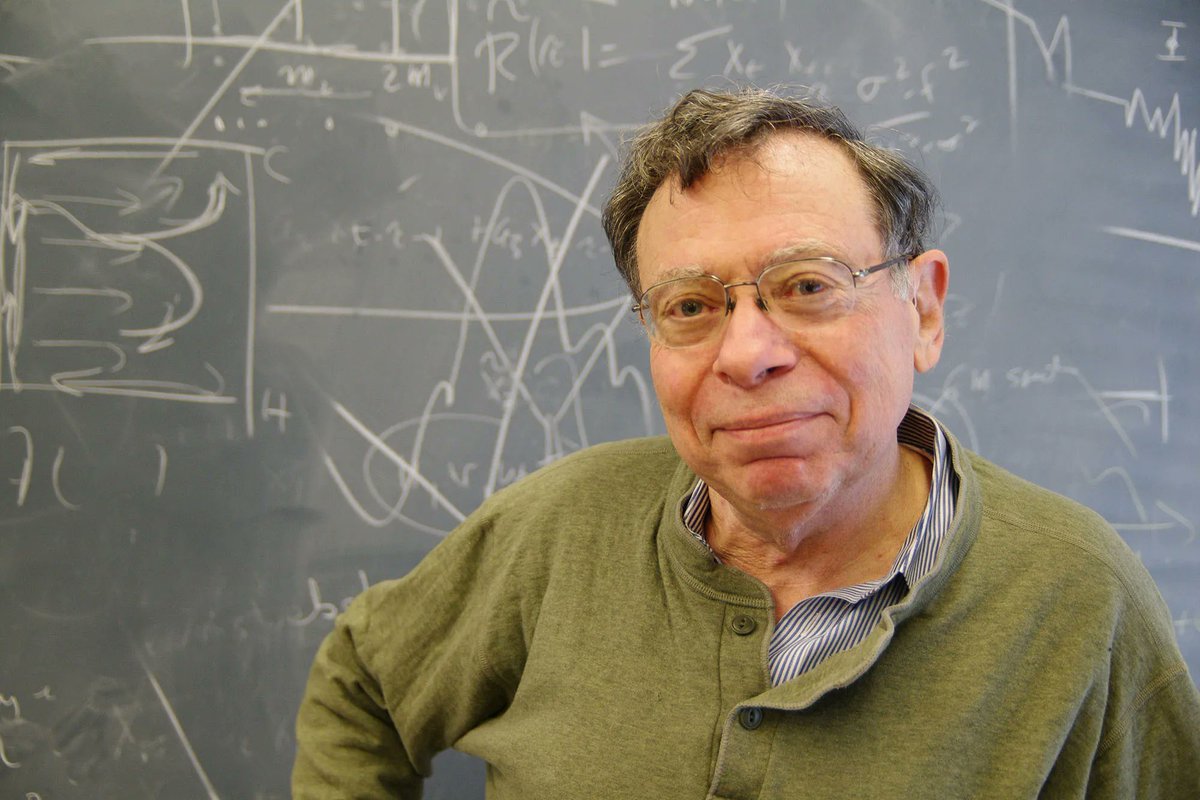
Professor Emeritus Carl Wunsch writes about the changes that have taken place in physical oceanography over the past 60 years, focusing on development of new technology and increasing specialization, in this perspective for @theAGU.
https://t.co/bXaIvz7zYQ
The emotion brought by this first image of SWOT reminds me of the emotion more than 40 years ago when the first CZCS ocean color image was transmitted. It made it to a double page in National Geographic! Two views of the same region mirroring each other through time
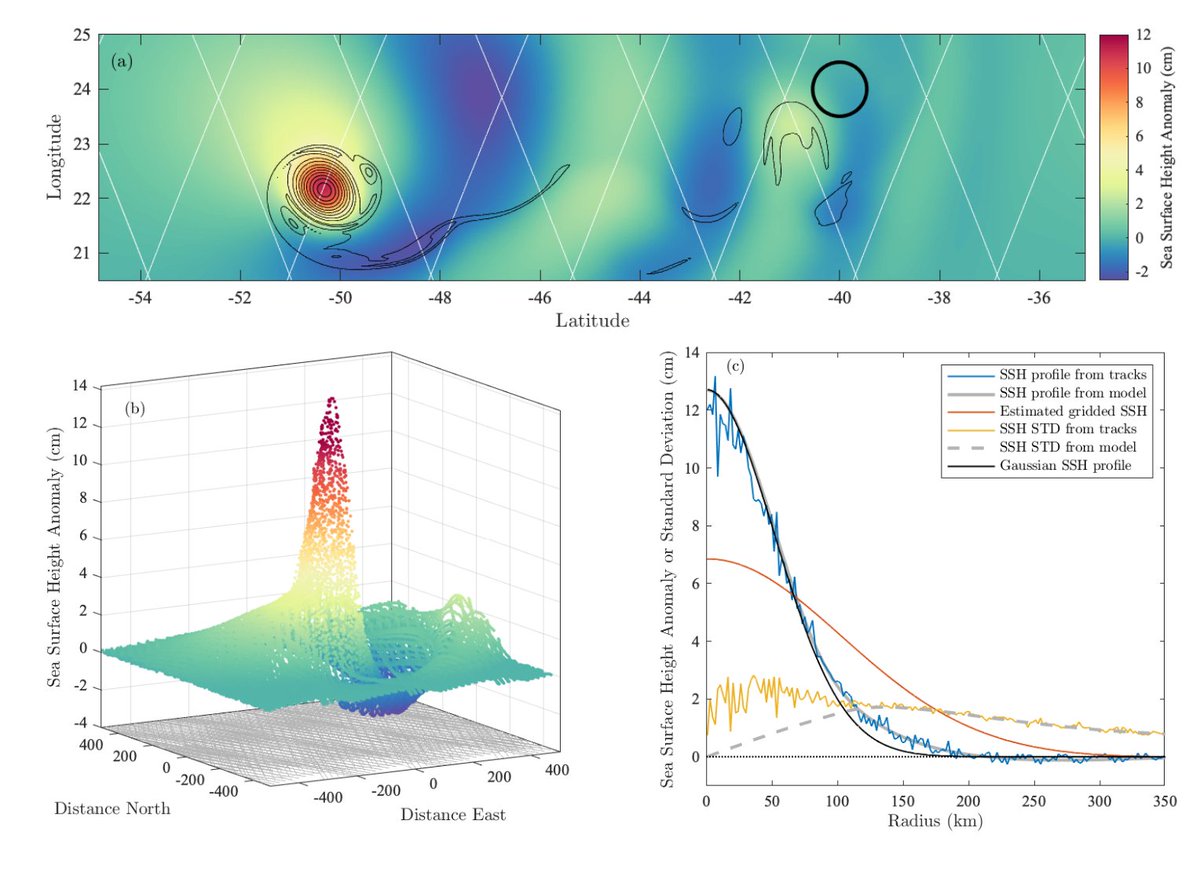
I'm very pleased to announce a 2-year postdoc position working with @pgaube, @jeffreyearly, and myself.
We have a fantastic data analysis project studying eddies in along-track altimeter data using cutting-edge techniques.
Details here: https://t.co/Swniz5Hfs6
Please share!
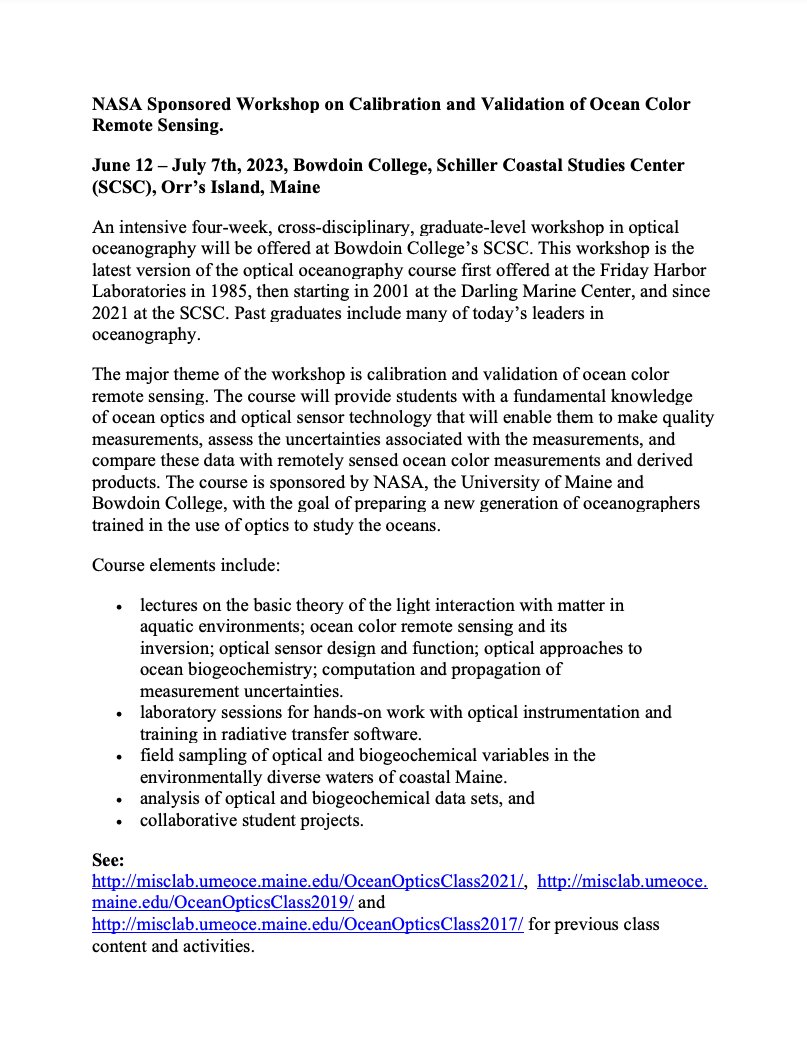
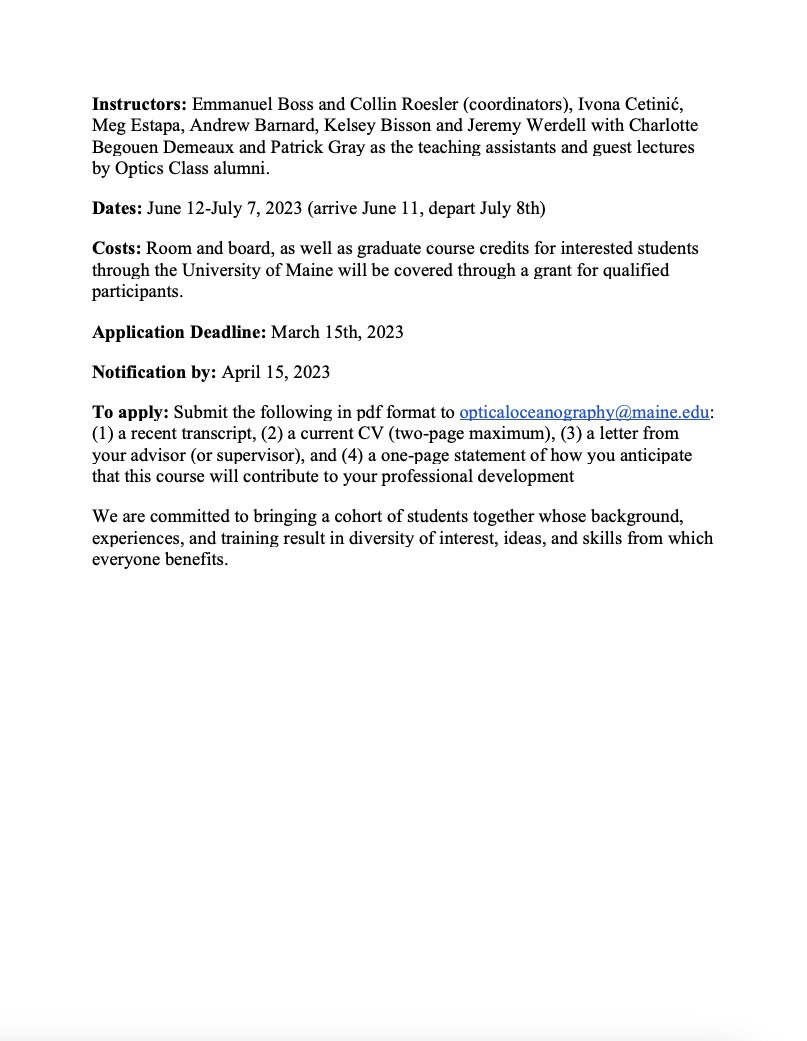
Interested in optical oceanography? Come join us in Maine this summer for four intensive weeks on ocean color, optics, sensors, radiative transfer, and products from ocean color.
I had the most amazing time attending this course and am happy to discuss!
https://t.co/8opotQjl1N
New paper out this weekend led by @snardelli23 that investigates the many drivers of phytoplankton community composition throughout the austral summer on the Western Antarctic Peninsula.
Some insight for changing ice conditions!
Open access at https://t.co/L5k7RLwbp6
I’ve worked both at a company creating radar satellite images & ones using sat images to solve specific problems
I’ve interviewed some of the most thoughtful people working on SAR
I think SAR is one of the most promising satellite image tech but has an education problem
Thread:
AI assistance has a bright future -- applications where humans can guide a search/generation process and correct its output as needed. But keep in mind that's not AI autonomy -- AI agents capable of action on their own in the real world beyond a very narrow scope of automation...
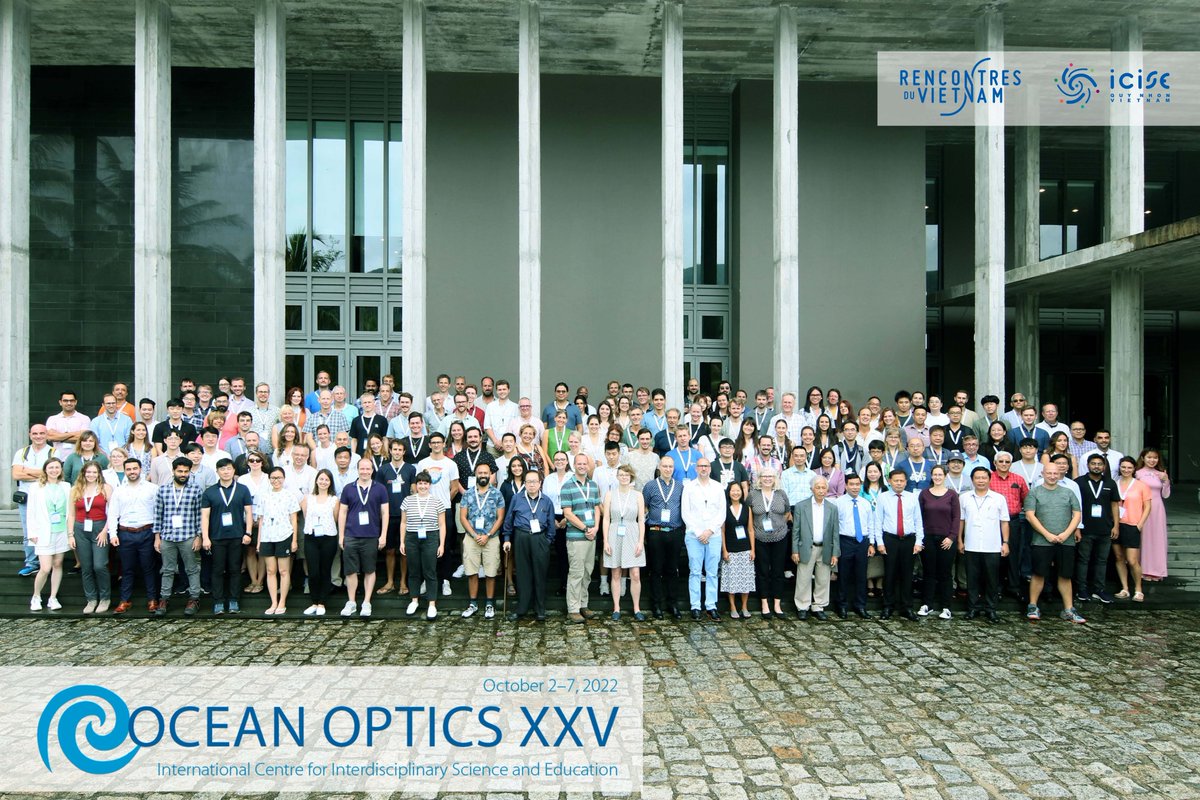
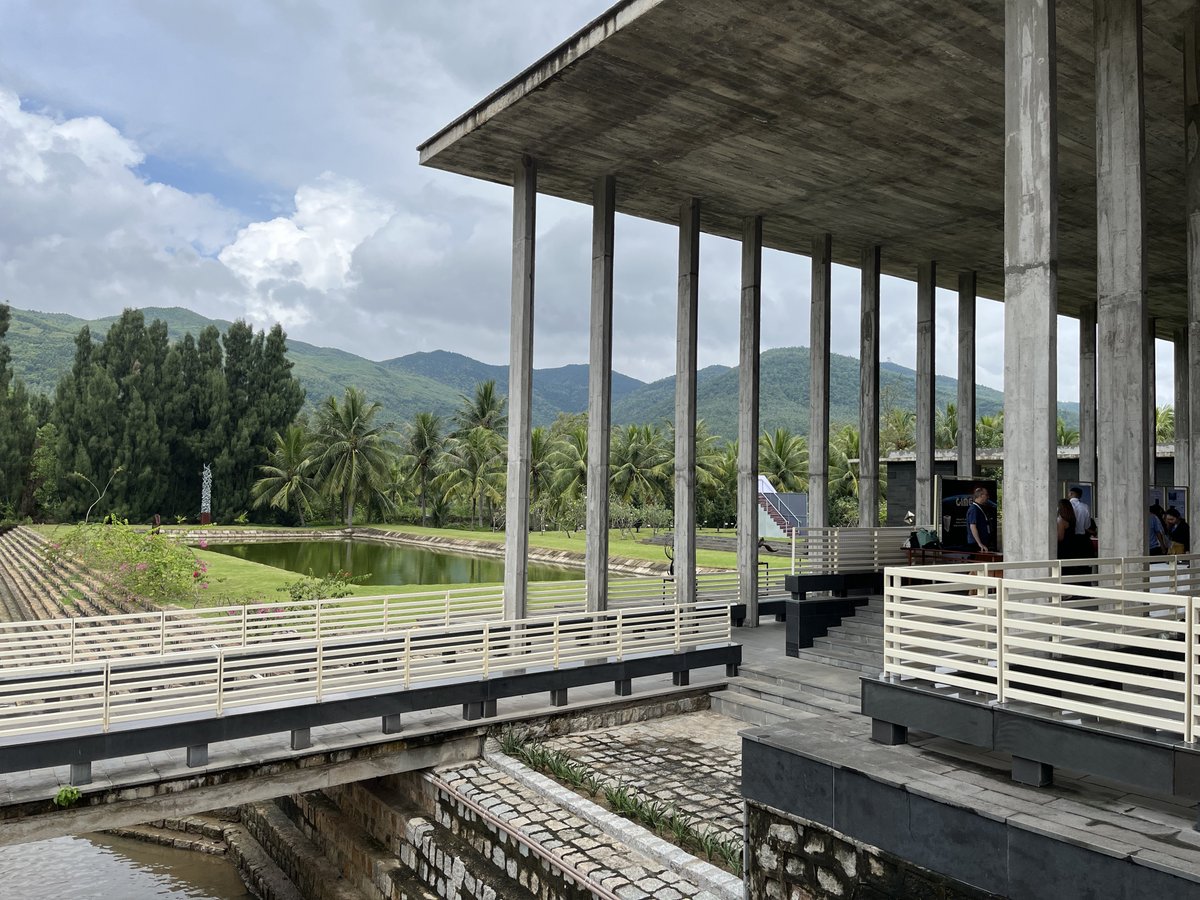
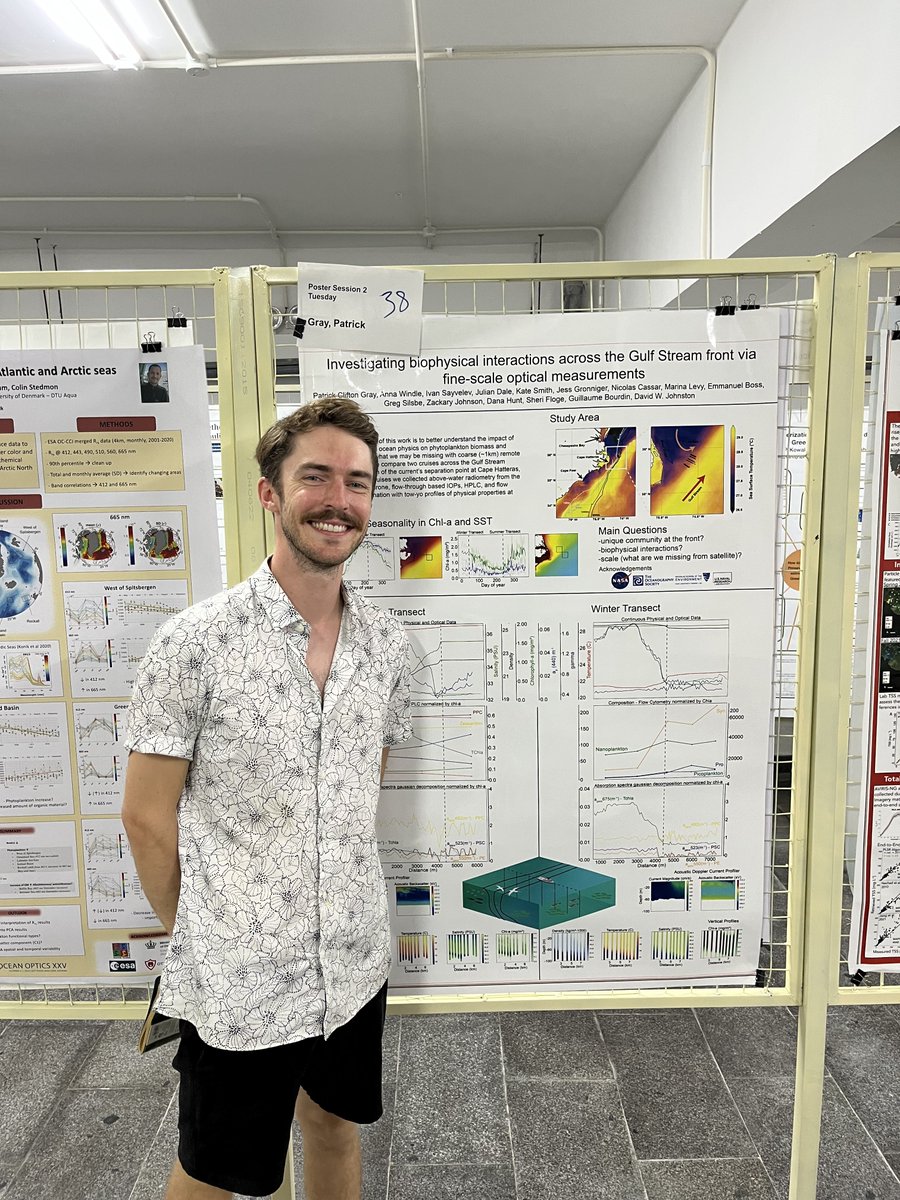
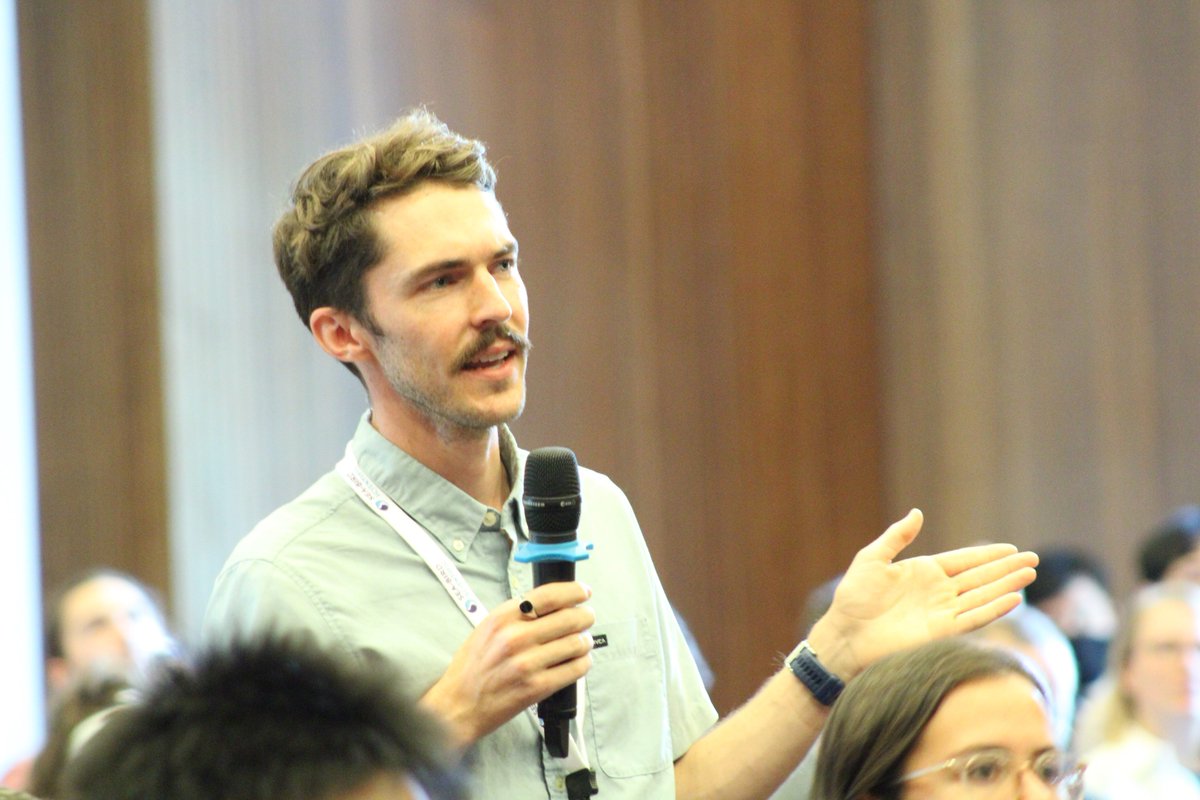
Wrapping up a week in Vietnam at the @OceanOpticsConf in Quy Nhon. What a wonderful community and beautiful country, hope to see everyone and to make it back to Vietnam soon.