Partnership of climate researchers with governments committed to 50% reductions by 2030 to halt overshoot of 1.5°C and irreversible cryosphere feedbacks.
1/3 #Carbonneutrality by 2050 is not enough: the way we get there matters. #Overshoot of the 1.5°C goal cannot be considered a viable or safe option, from either an #economic or #social standpoint: https://t.co/NmHr66bfL8
Virtuellt möte om klimatet, kryosfären och COP-26
Kl. 13-16, onsdag 9 juni
Varför gör krysofärens respons 1,5-graders målet nödvändigt? Hur ser vägar till 1,5 grader C ut, och hur går det för Sverige inför COP-26.
https://t.co/7VG5Ra1Vqb
@Stockholms_univ @vetenskapoallm
5/5 The only things missing are social and political will: that is up to us. Watch #50x30 expert Dr. @JoeriRogelj from @Grantham_IC describe what can and should be done here: https://t.co/NrOPX2TWHg
1/5 How can we get to #CarbonNeutrality without #Overshooting? By rapidly dropping CO2 emissions globally by ~ 50% by 2030; mostly focused on the energy & transport sectors, because alternate technologies there are already well-developed & can be implemented now–if we so choose!
4/5 If we #overshoot 1.5°C, climate models use even more carbon dioxide removal (CDR) -- but these do not yet exist at such scales! The only existing, reliable means is to #reduce#emissions, because that we know how to do – if we so chose!
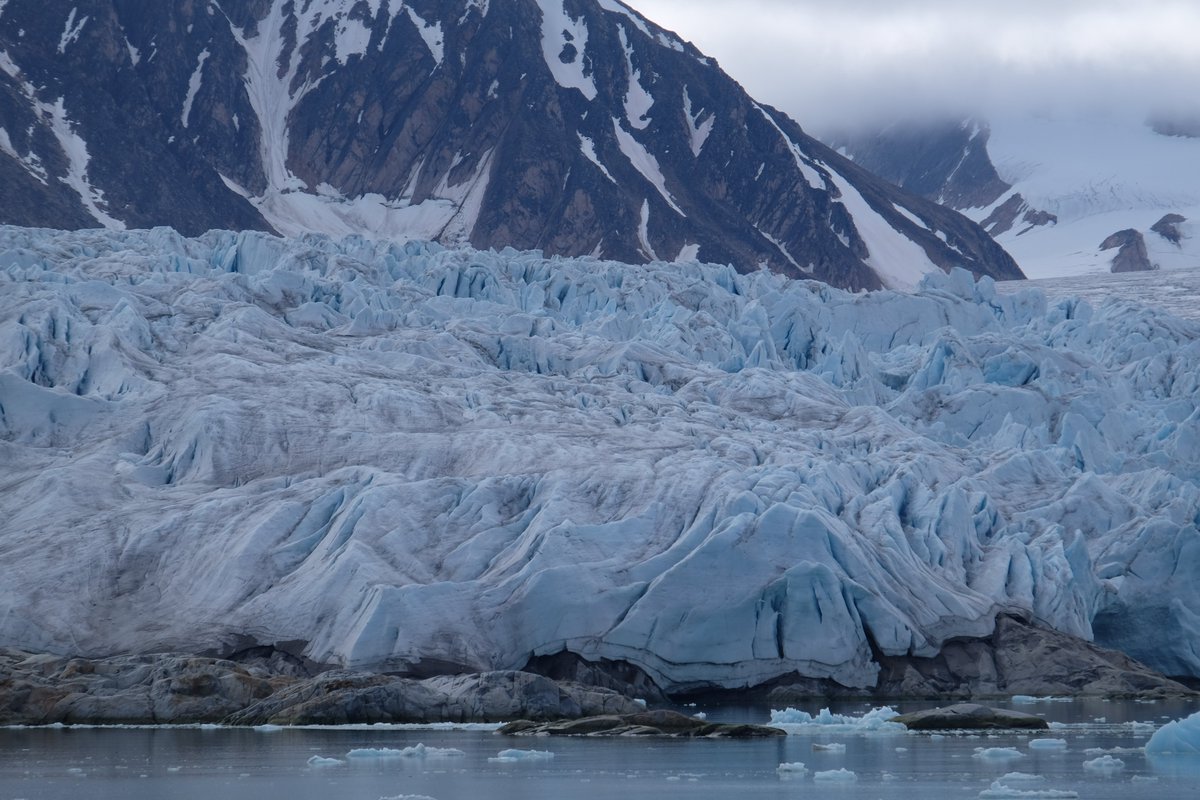
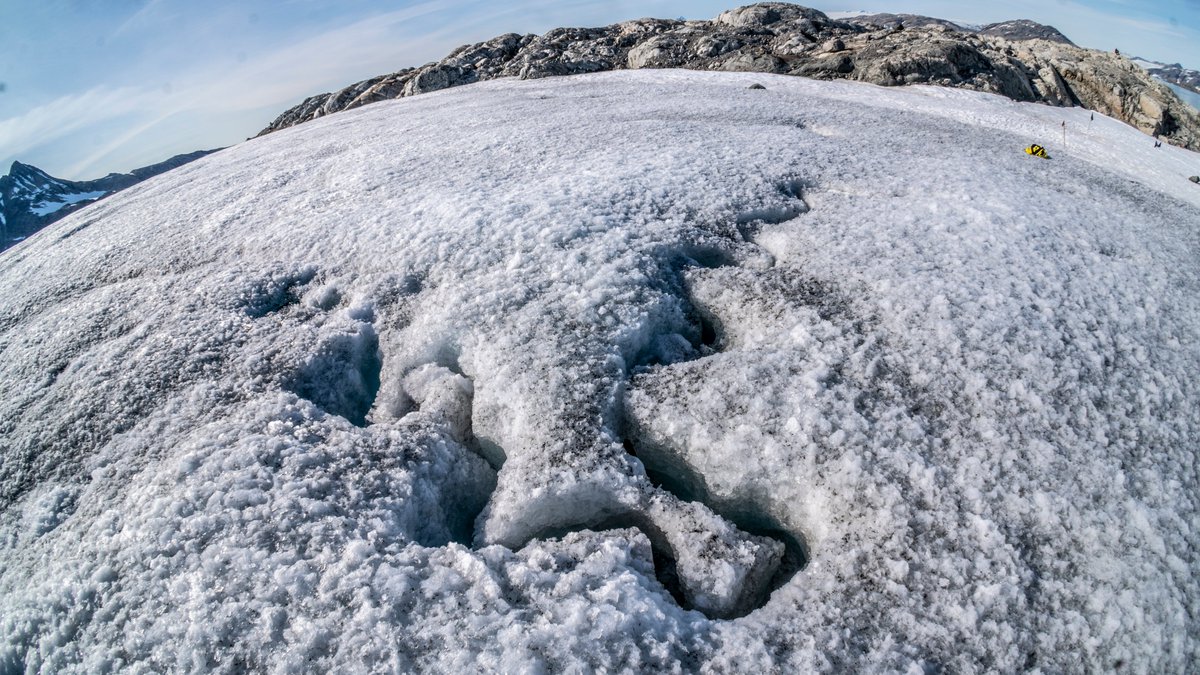
1/2 What are the impacts of #Overshoot on the #Cryosphere? Watch 50x30 experts describe what #overshooting means for our ice sheets, glaciers, permafrost and sea ice: https://t.co/YI5JhKcZKS
3/3 The @IEA mapped out energy sector changes more fully last week: https://t.co/caMtMNF8lj, but cautioned the need is urgent, and the cryosphere adds even greater urgency! #50x30.
1/3 How can we #avoid#overshoot and global devastation from #cryosphere’s collapse? The @IPCC SR1.5 mapped out needed action in all major sectors of global, national and local economies: energy, transport, industry and agriculture.
2/3 The @IPCC found these changes still geo-physically, environmentally, technologically and economically feasible: even advantageous, because they bring strong #health and development #cobenefits.
Many, if not most elements of the #cryosphere react #irreversibly on human timescales (many centuries or thousands of years): #permafrost, #glaciers, acidification of cold polar sea, #SeaLevel rise from ice sheets: https://t.co/SbmCJV3izO
1/3 What is #Climate#Overshoot?
When warming passes the #ParisAgreement 1.5°/2°C mark, that is called climate “overshoot”. It can last decades, or centuries or more before temperature and #CO2 levels come down again.
2/3 Why does #Climate#Overshoot matter?
The higher the overshoot – especially above 2°C – and the longer it lasts, the greater the damage, to all #ecosystems but especially Earth’s #cryosphere, which reacts almost immediately to higher temperatures.
3/3 This can tip many of these systems into a state of #decline, where a later return to lower temperatures and #CO2 levels makes little difference: the damage is done and cannot be reversed on any human timescale. Interested in joining 50x30? -> https://t.co/RciIenfIJo
1/3 #Carbonneutrality by 2050 is not enough: the way we get there matters. #Overshoot of the 1.5°C goal cannot be considered a viable or safe option, from either an #economic or #social standpoint: https://t.co/NmHr66bfL8
From @nytimes : @IEA report gives a roadmap and "concludes that limiting global warming to 1.5 degrees Celsius remains technically and economically feasible, but there is little margin for error or delay.”
Here is the link:
https://t.co/bCUXtdbWAb
@bradplumer#climateaction