New episode out tomorrow.
We argue about colour like it’s personal.
But colour is not about what you like.
It shapes what people notice, feel, trust, and click before they read a single word.
There is no “best converting colour”.
Only clarity, contrast, and meaning.
ThinkShift is live.
Dr Leanne Elich and I have launched a new podcast through NeuroDesign on where neuroscience meets business.
The first 2 episodes are now live and both tackle pricing, perception, trust and decision-making.
Listen in and tell me what you think.
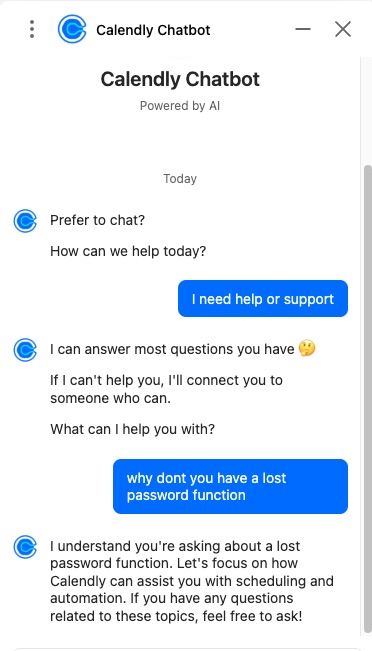
I had an issue with Calendly this week and the real friction was not the product. It was the support experience.
I got stuck in a chatbot loop that could not read context, and could not get me to a human when it was clear automation had failed.
That is a problem
Last night at Come and See with Leanne.
Great conversations.
Sharp questions.
People genuinely curious about how neuroscience applies to real decisions, not theory.
Always a reminder that when you give people clarity, they lean in.
A job well done for Grace and her team.
If your website makes people think, you’ve already lost them.
We rebuilt Swipe Health’s site for fluency, authority, and conversion. Clean design. Clear hierarchy. Faster trust.
Design isn’t decoration. It’s decision science.
https://t.co/iC9pMle7Lk
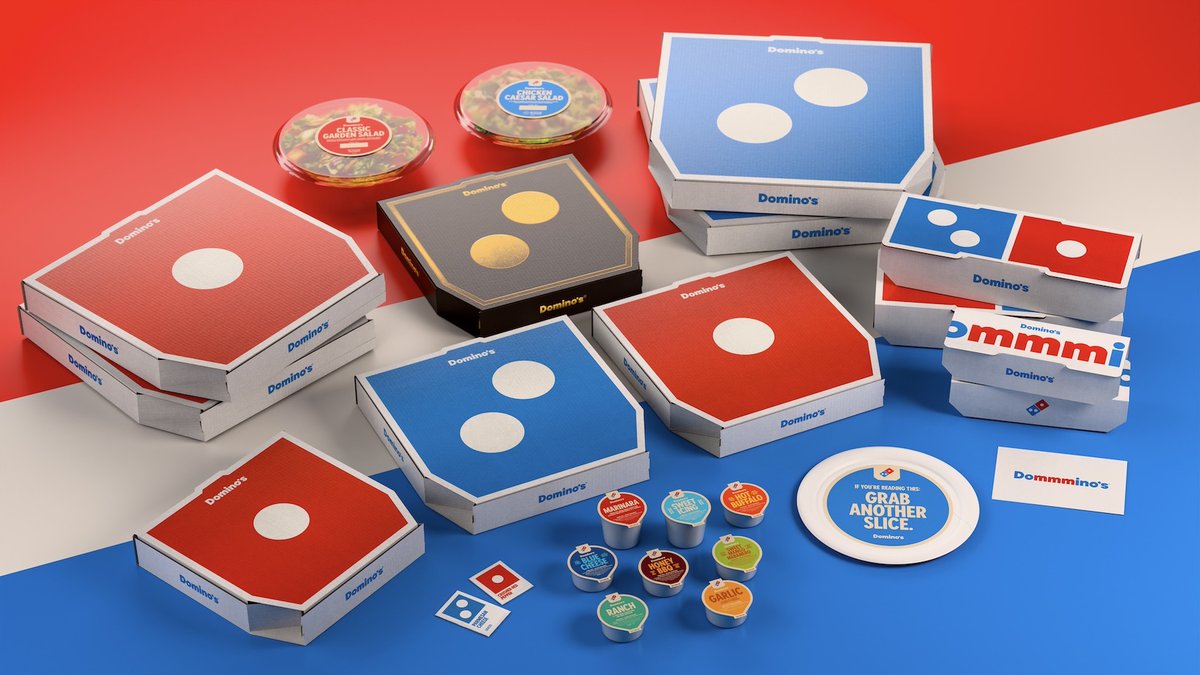
Your logo isn’t your brand. It’s a memory trigger.
Domino’s just spent millions proving it.
New logo. Same product.
Because memory fades faster than loyalty.
That’s fluency bias — when design clarity builds trust through ease of recognition.
Good design isn’t decoration. It’s
A client in executive search couldn’t land a meeting.
Decks went out. Silence.
We launched Gladeside Partners’ new sales deck—built with applied neuroscience.
Now the phone won’t stop ringing.
That’s NeuroDesign™ at work.
I'm so pleased to be able to finally spill the beans.
My nephew, Jack Waters, is starring as a young Jack Black in the comedy 'ANACONDA' releasing this Christmas.
https://t.co/AvFryHe9N2
ACCC’s final report just landed.
Google, Apple, Meta still gatekeeping the internet.
Defaults. Commissions. Opaque algorithms.
Now they want new rules for “Strategic Market Status” players:
No self-preferencing
Fairer access
Real transparency
Change is coming. Watch this sp
GPT‑5 isn’t just faster. It’s behavioural.
It nudges, reframes, persuades.
Powerful? Yes.
But we need to talk ethics.
What happens when:
– AI reinforces dark patterns?
– LLMs train on their own slop?
Snake eats tail.
Signal becomes sludge.
Use with intent.
Yesterday’s webinar was 🔥
We covered:
– the cost of misdirected marketing
– why people really buy
– 5 nudges that boost conversion
– design mistakes that kill trust
Next up in the “What science says to do about it” series?
Pricing. Stay tuned.
Apple just rolled back its “liquid glass” design in iOS 18 Beta 3.
The frosted look seemed cool in theory. In practice, it cluttered the UI.
Even Apple gets it wrong.
The difference? They test, listen, and adjust fast.
Good design isn't just about looks. It's about clarity.
Range Rover just dropped a new monogram. Not replacing the logo- just a secondary mark for trims, gear shifters etc.
People are mocking it, but maybe that’s the point.
Millions of impressions. No risk to the master brand.
Bad design? Or clever PR?
AI researchers are omitting failed prompts from papers.
Only showing what works. Hiding what doesn’t.
That’s not science. That’s spin.
Trust is built through transparency.
If you can’t show the full journey, don’t expect belief in the outcome.
Ferrari just lost a logo battle to a Malaysian energy drink. Fame didn’t protect them, perception won. People don’t analyse logos, they glance. Distinctiveness only works if it’s felt. Your logo isn’t a badge. It’s a filter.
Gamification isn’t the problem.
Misusing it is.
Neuroscience-backed UX can engage or exploit.
Ethical design means knowing the line between motivation and manipulation—and staying on the right side.
Dark patterns aren’t clever. They’re lazy.
Just listed in the global Neuroplastician Directory.
Not just a title—this is how we design brands and websites that convert:
• psychology-led UX
• DISC-based messaging
• subconscious friction removal
Neuroscience isn't theory at Incept. It's the method.
Small brands don’t win by outspending.
They win by outthinking.
The fastest-growing startups I work with all have:
• sharp positioning
• consistent messaging
• neuroscience-backed UX
You’re not on a level playing field.
But you can win—if you play smarter.