Configurable. Simple. Affordable. Robust. 36 seconds.
Drag and drop it, or describe it and let THUNDER build it. Less than half the cost of any eQMS in its class:
https://t.co/gjmVm3lVp8
You imagine it, Cloudtheapp THUNDER will build it.
One prompt. No code. Your quality app, inside your eQMS. Forms, workflow, dashboard.
Watch it here: https://t.co/Ox1LRyOAd9
21 CFR 820.181 is the Device Master Record tied to the lot you shipped. Investigators compare DMR revision to the DHR. A shared-drive folder of mixed PDFs is not that record.
https://t.co/eHZsbF04zZ
Still forcing your process into a rigid QMS?
Cloudtheapp Configurability (23s):
45+ quality apps
No-code Designer
Dev → QA → PROD in seconds
Validation package every update
Demo: https://t.co/EsGSxcf6sQ
21 CFR 211.100 is written process control procedures and proof they were followed. A set-point change from a text with no batch annotation is what investigators ask for first.
https://t.co/tLvQuKC8rW
21 CFR 211.192 is production record review before release. A stamp after the truck left, with an open deviation still in email, is what investigators ask for first.
https://t.co/09O9ov91Um
21 CFR 820.30 is design controls held in the DHF. Investigators ask for the input, the verification, and the DMR that manufacturing still uses. A drawing set with no linked review leaves the file open.
https://t.co/Hmn93DRNuM
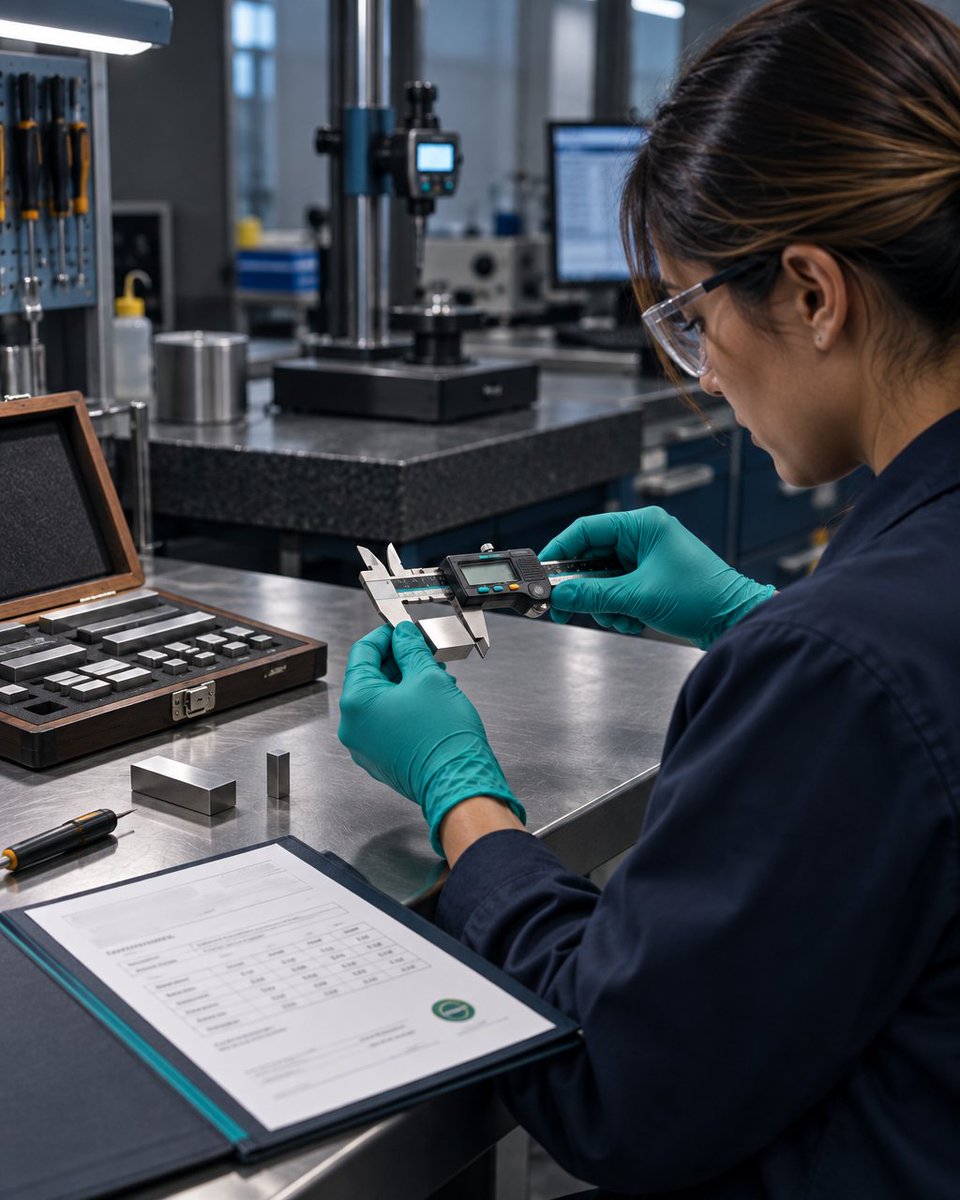
21 CFR 820.72 is calibrated test equipment tied to the result. Investigators pick a measurement and ask which asset produced it and whether it was still in interval.
https://t.co/783uW3BsoN
21 CFR 820.40 is document control of the current revision. Investigators ask which SOP was effective on the floor that day. A FINAL_v7 PDF in a shared drive is not that record.
https://t.co/L9SAPobkJO
21 CFR 820.75 is process validation when inspection of the finished device cannot fully verify the result. A signed IQ/OQ/PQ binder with no monitoring data on last week's lots leaves the validated state historical.
21 CFR 820.65 is a control number that traces the device and, where appropriate, its components. A pouch barcode that never joined the DHR is not that record.
60+ quality apps. One validated platform.
CAPA, audits, document control, supplier qualification, and more for pharma, med device, food, and manufacturing.
Demo: https://t.co/477J045bvS
21 CFR 820.86 is product status identification. Investigators pick a lot on the floor and ask whether it is accepted, rejected, or in process. A sticky note that fell off is not that record.
21 CFR 820.70 is production under documented process controls. Investigators compare the procedure, the monitored parameters, and the last lots. A new set point with no change record leaves the control historical.
21 CFR 820.22 is the internal audit file: independence, findings, and verified corrections. A ticked checklist with no linked CAPA is what investigators ask for first.
21 CFR 820.80 is incoming acceptance, not a CoA in a dock folder. Investigators ask who verified the lot against specification before it reached production.
21 CFR 820.100 is the CAPA file plus an effectiveness check. A closed row on a tracker, with no linked source record or recurrence data, is what investigators ask for first.