📖🖋️ Leer libros físicos y escribir a mano mejora la comprensión lectora y la memoria.
Desde la infancia, el papel favorece procesos cognitivos más profundos que las pantallas. “Hoy no se trata de rechazar la tecnología, sino de resaltar los beneficios del papel para el aprendizaje profundo.” https://t.co/xebYy9A0za
📢 Invitación a Nuevo Ciclo de Conversaciones:
🛒 Comercio electrónico, plataformas y libre competencia: Claves del informe preliminar de la Fiscalía Nacional Económica
📅 19 de mayo
⏰ 17:30 – 19:00 hrs
📍 Facultad de Derecho, Universidad de Chile
Triunfo inédito y memorable en el Moot Madrid 2026! Estudiantes de @derechouchile obtuvieron el primer lugar en su XVIII Edición. Por primera vez una universidad chilena obtiene este triunfo en esta importante competencia Internacional. ¡Felicitaciones!
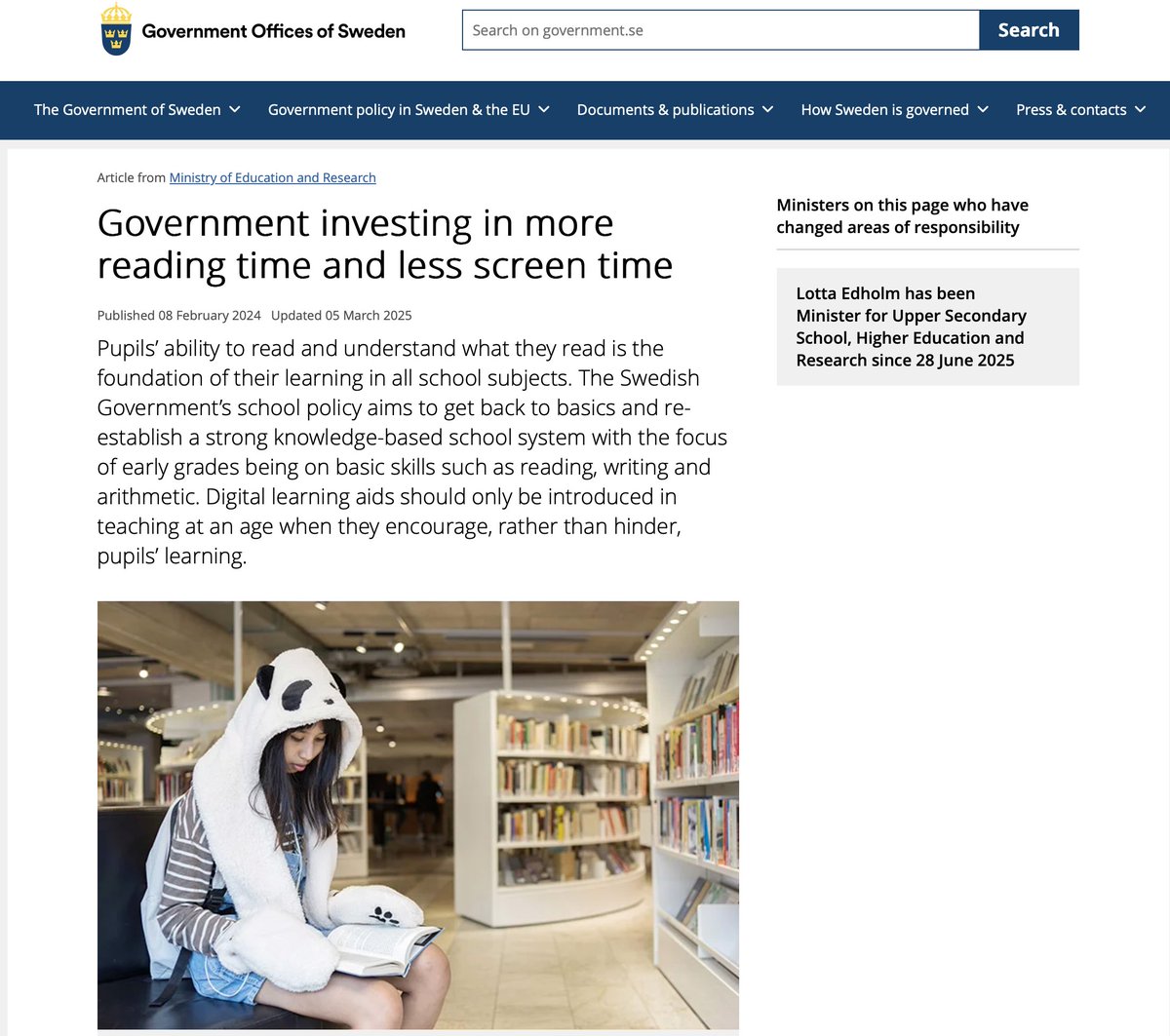
El país más tecnológico de Europa acaba de gastar cien millones de dólares en comprar libros de papel para sus escuelas.
Suecia era el laboratorio perfecto: país rico, hiperconectado, progresista. Hicieron lo que todos pensábamos que era el futuro: digitalizar la educación desde el jardín de infantes, cada chico con su tablet, cada aula conectada y cada libro reemplazado por una pantalla. Si algún país iba a demostrar que la tecnología mejora el aprendizaje, era este.
Sin embargo, y para sorpresa de todos, los resultados de comprensión lectora empezaron a caer. Las pruebas PISA mostraron algo que nadie esperaba: más horas de pantalla en la escuela no estaban generando mejores alumnos, sino peores.
Los que menos pantalla usaban rendían un año y medio por encima de los más expuestos, y dos de cada tres estudiantes con laptop terminaban dedicando la mayor parte de la clase a cualquier cosa menos a aprender.
¿Por qué pasa esto? Porque el cerebro no aprende igual en una pantalla que en papel. Un estudio con 256 sensores cerebrales midió qué pasa cuando escribís a mano vs. cuando tipeás: escribir a mano activa al mismo tiempo redes de memoria, visión y procesamiento motor. Todo encendiéndose junto. Tipear no genera prácticamente nada de eso. La fricción de trazar cada letra es justamente lo que fuerza al cerebro a consolidar lo que aprende.
Suecia escuchó la evidencia: el Instituto Karolinska —el que decide el Nobel de Medicina— declaró que las pantallas perjudican el aprendizaje. El gobierno eliminó dispositivos para menores de seis años, prohibió celulares en toda la jornada escolar y destinó cien millones de dólares a volver a los libros.
Mientras tanto, Estados Unidos gasta treinta mil millones al año en más dispositivos como laptops y tablets, a pesar de que las encuestas indican que distraen incluso más que los celulares.
La generación con mayor acceso a conocimiento de la historia es la primera que sabe menos que la anterior. La tecnología es maravillosa: aprendamos a usarla cuando suma, y no simplemente porque está de moda.
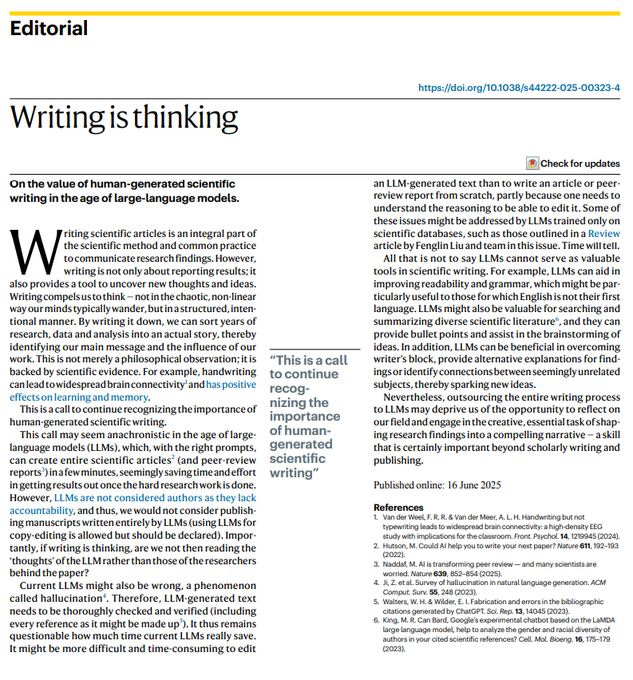
Writing is thinking
Outsourcing the entire task of writing to LLMs will deprive us of the essential creative task of interpreting our findings and generating a deeper theoretical understanding of the world.
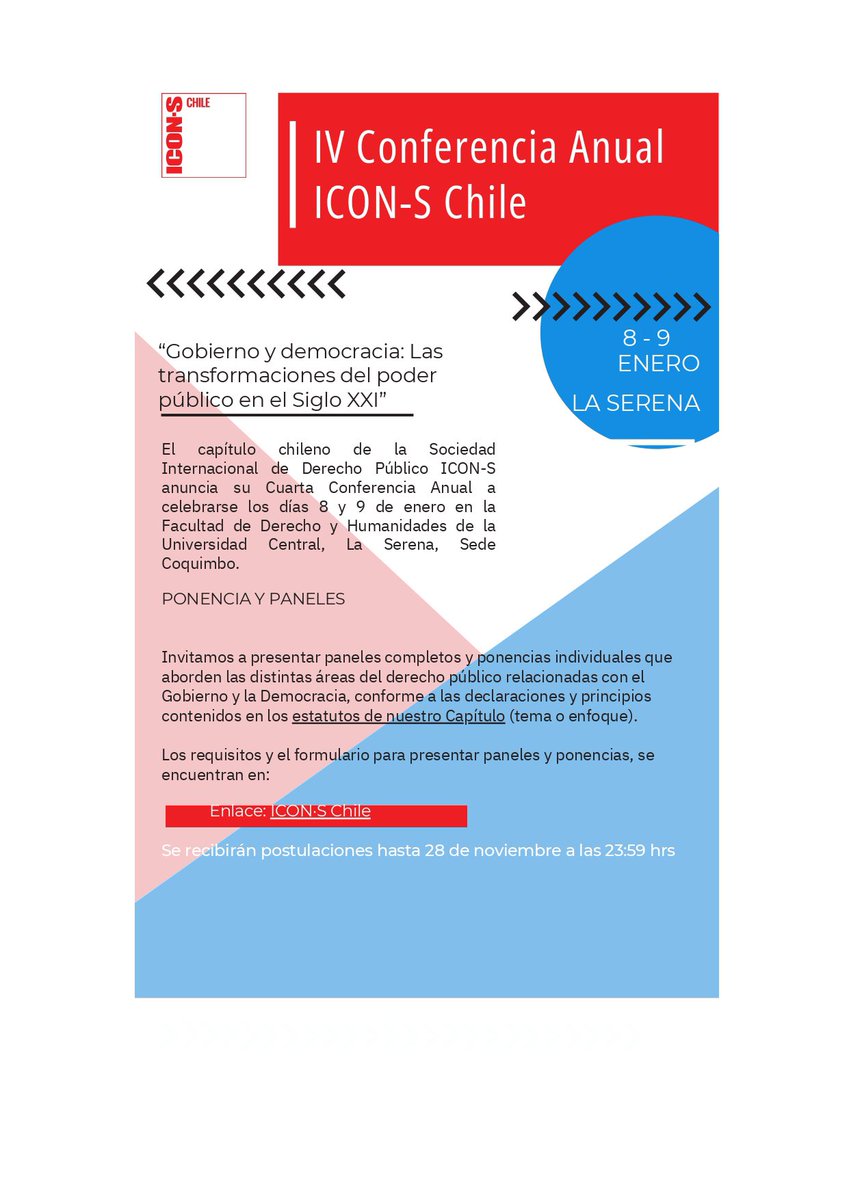
¡Última semana para presentar ponencias y paneles! 🗓️ 🚨
"Gobierno y democracia: Las transformaciones del poder público en el Siglo XXI"
8 y 9 de enero, La Serena 🌊🏝
https://t.co/qT2iBUMcSN
The idea that the point of the humanities is to teach people to read rather than to think is misguided. Good reading requires critical thought about what you are reading and should stimulate your own thoughts on the topic. As Wittgenstein wrote:
"I should not like my writing to spare other people the trouble of thinking. But, if possible, to stimulate someone to thoughts of his own".
Con mucha alegría compartimos la Convocatoria a la IV Conferencia de ICON·S Chile, a realizarse en La Serena, Universidad Central, sede Región de Coquimbo el día 8 y 9 de enero de 2026. Más información en https://t.co/9fi1HNG0eM
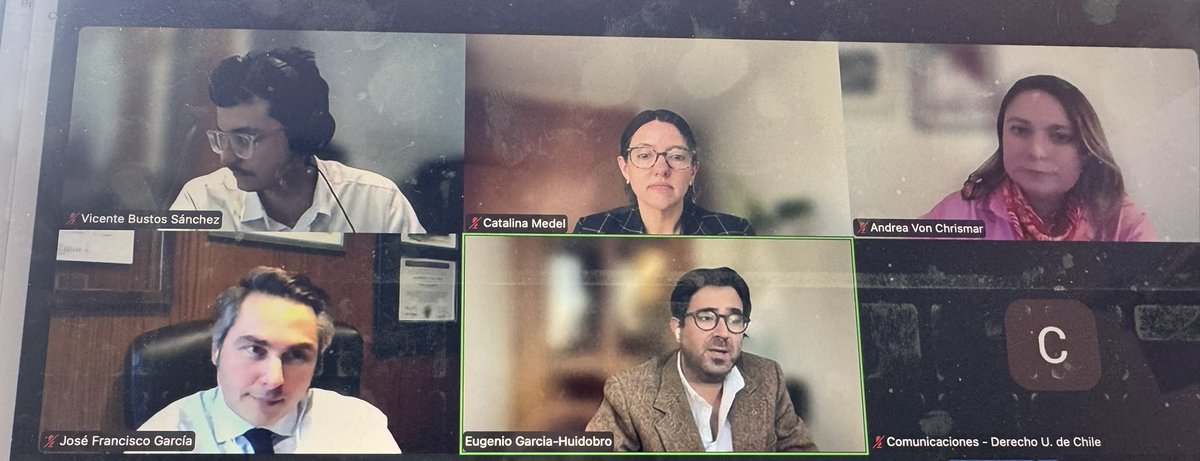
Les recordamos que mañana a las 16:00 tendrá lugar el primer seminario de nuestro ciclo regulatorio organizado en conjunto con @RegCom_UChile ¡Todas y todos invitados!
Actividad vía Zoom. Inscríbete en: https://t.co/I3w12k06xl
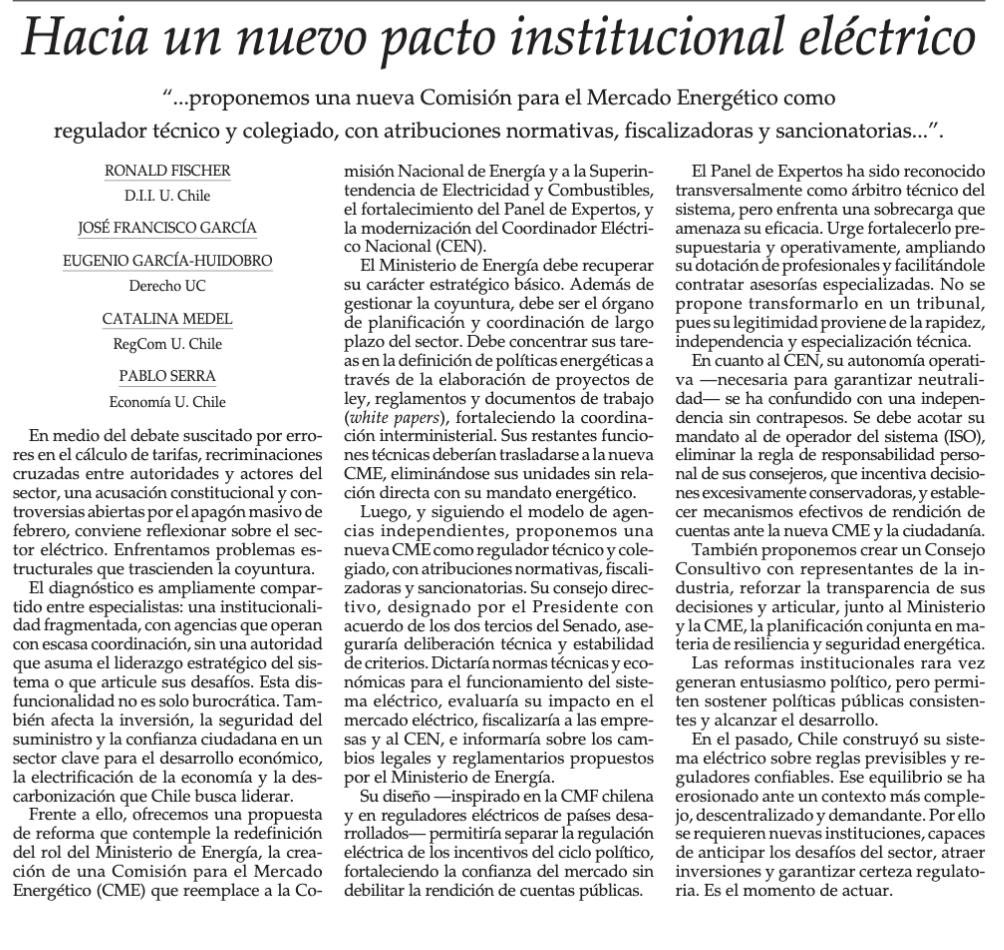
@chechegarcia@cmedellu@Andrea_von
Tras el terremoto en Afganistán, muchos equipos de rescate asisten a los hombres, pero no a las mujeres.
Las leyes aprobadas por los talibanes prohíben cualquier contacto físico si no hay parentesco.
@nytimes ✒️ Fatima Faizi
https://t.co/YtXXoNe0TN
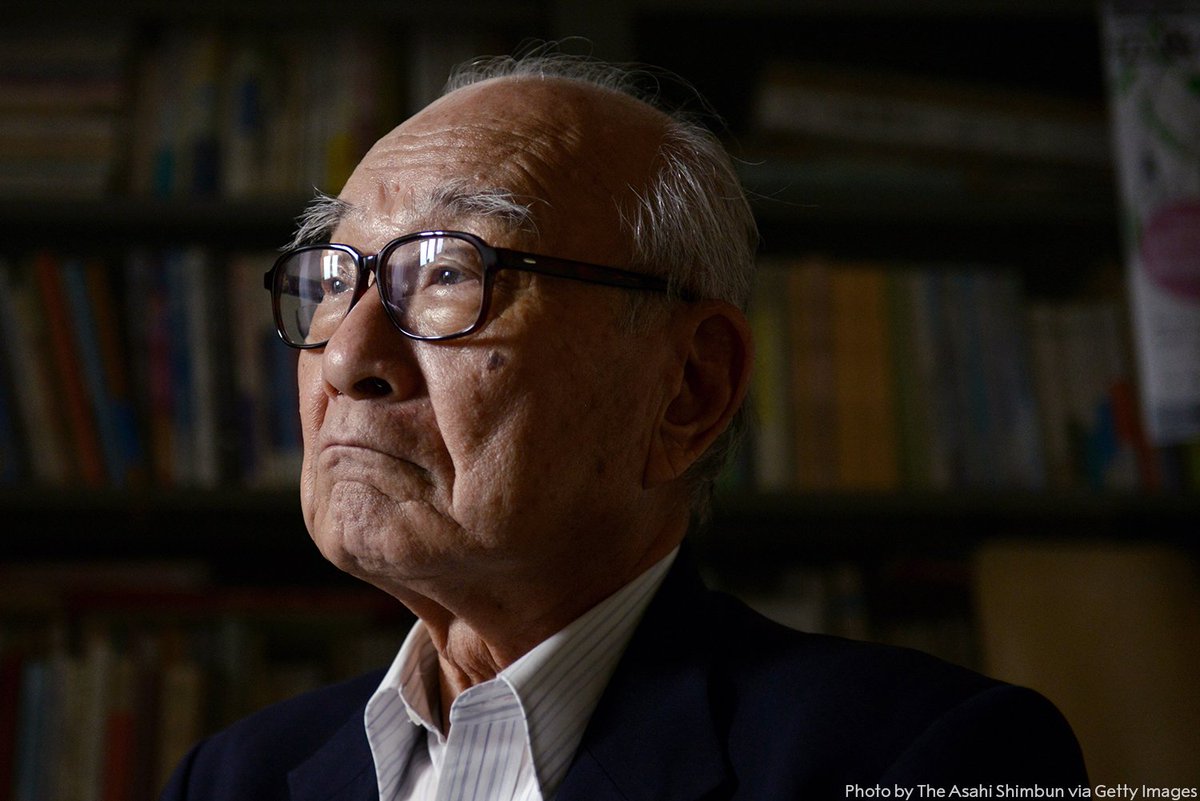
"I am one of the survivors of the atomic bombing of Nagasaki. At the time, I was 13 years old, at home, around 3 kilometers east of ground zero.
It was August 9, 1945. I suddenly heard the buzzing sound of a bomber jet, and was soon after engulfed in a bright, white light. Surprised, I ran downstairs and got down on the floor, covering my eyes and ears with my hands. The next moment, an intense shock wave passed through our entire house. I have no memory of that moment, but when I came to my senses, I found myself under a large, glass sliding door. It was a miracle that none of the glass was broken, and I was somehow spared injuries.
Three days later, I sought out the families of my two aunts who lived in the area near the hypocenter. It was then that I saw the full devastation of the bombing of Nagasaki. Walking with my mother, we went around a small mountain. Reaching a pass, we looked down in horror. Blackened ruins spread out as far as the port of Nagasaki, some three kilometers away. Urakami Cathedral, the largest brick church in the East, had collapsed to the ground, leaving no trace.
All the houses along the path, down to the foot of the mountain, were burnt to the ground and corpses lay scattered around them. Many people who were badly injured or burned, but still alive, were left unattended, with no help whatsoever. I became almost devoid of emotion, somehow closing off my sense of humanity, and simply headed intently for my destination.
I found the charred body of one aunt at the remains of her house, 400 meters from the hypocenter, along with the body of her grandson, a university student.
The other aunt’s house had collapsed and become a pile of wood. My grandfather was crouched down, on the brink of death, with severe burns all over his body. My aunt had been severely burned, and died just before we arrived. We then cremated her remains with our own hands. My uncle, who was initially mostly unharmed, had left the area to seek help. Yet we later learned that he had collapsed at a rescue station, and died after suffering from a high fever for a week. Thus, one single atomic bomb transformed five of my relatives, so mercilessly, taking all of their lives in one fell swoop.
The deaths I witnessed at that time could hardly be described as human deaths. There were hundreds of people suffering in agony, unable to receive any kind of medical attention. I strongly felt that even in war, such killing and maiming must never be allowed to happen."
80 years ago a nuclear bomb was dropped on Terumi Tanaka's city of Nagasaki, Japan, killing an estimated 70,000 people. Today Terumi is 93 years old but nuclear weapons still threaten our world. Terumi tells his story to remind us of the inhumane suffering survivors were forced to endure and to secure the abolition of nuclear weapons, which must not be allowed to coexist with humanity.
Watch Terumi Tanaka's full testimony at https://t.co/kmKf2dXVQv
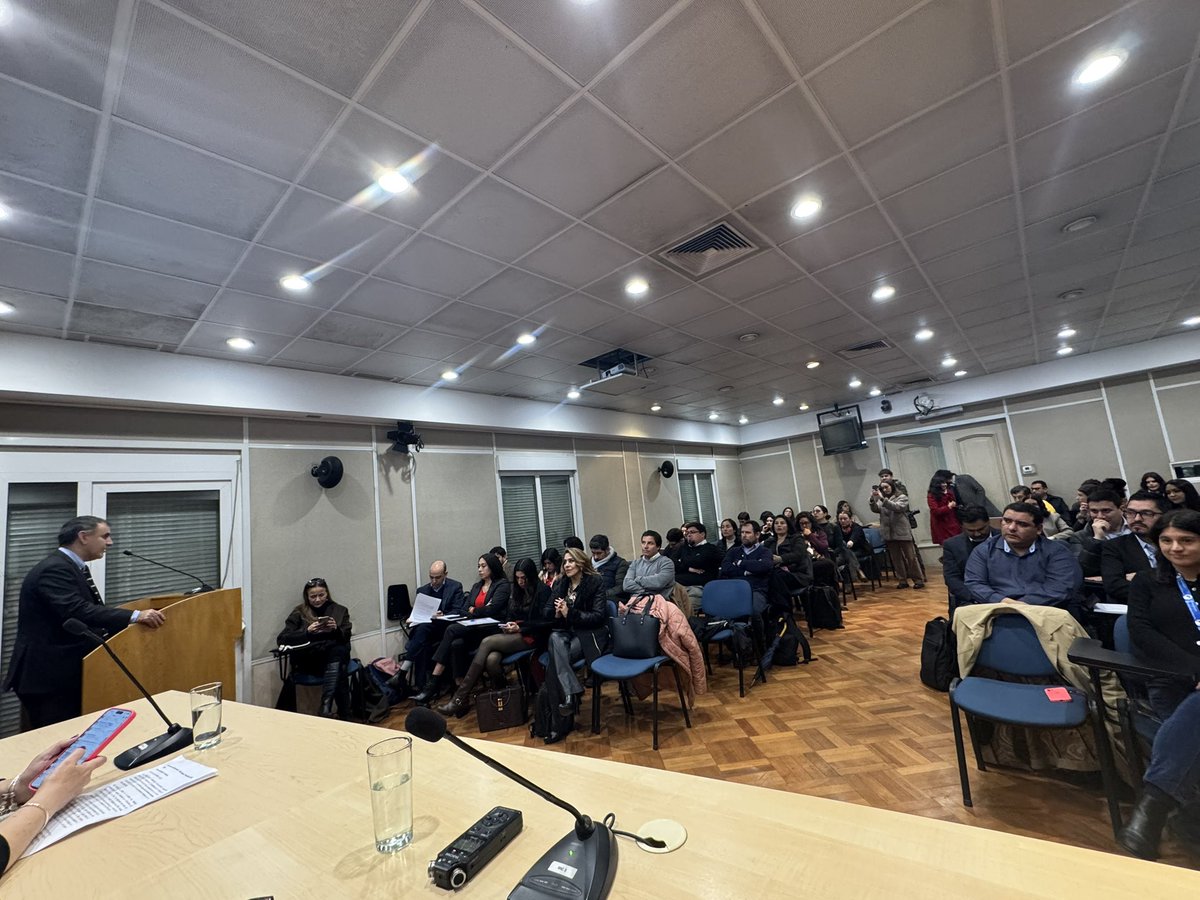
🚨 *Streaming abierto – Seminario “Regulación, competencia y los desafíos del puzzle eléctrico”*
📍 Transmisión en vivo desde la Sala Matilde Brandau
🕘 Desde las 09:30 hrs
Accede aquí:
🔗 https://t.co/DIATJUblyD
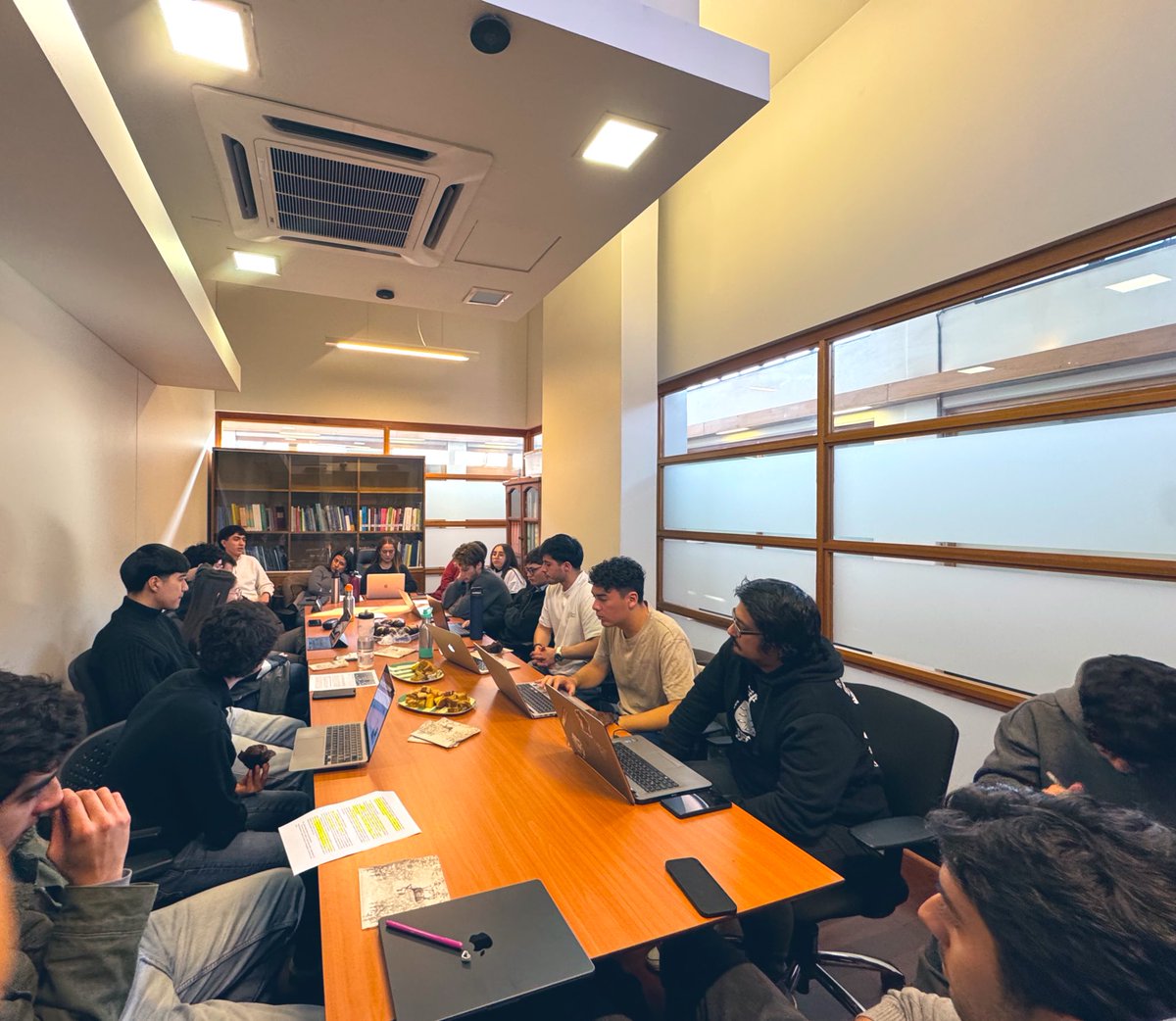
Iniciando el seminario Regulación, Competencia y Desafíos del Puzzle Eléctrico en @derechouchile ! organizando en conjunto entre @RegCom_UChile y la Asociación de Mujeres en Energía