Welcome to Rip-Off Britain.
A country remade by privatisation.
Our latest project — Who Owns Britain? — explores how a radical experiment transformed our society and shapes your life.
🧵
Read Common Wealth Deputy Director @sarahnanks' op-ed in the Guardian on why the government needs to get public ownership of our railways right to deliver on the promises of affordable and reliable transport:
https://t.co/G0wCevux8c
The Times has published an article showing that nationalised train operators experienced increased delays over this summer's heatwave.
It looks a lot less shocking when you include the data for private train operators.
The Times is right, though: Taking train operators back into public hands hasn't yet delivered the transformative change we need.
For that to happen, we need to go further — and take rolling stock companies back into public ownership as well.
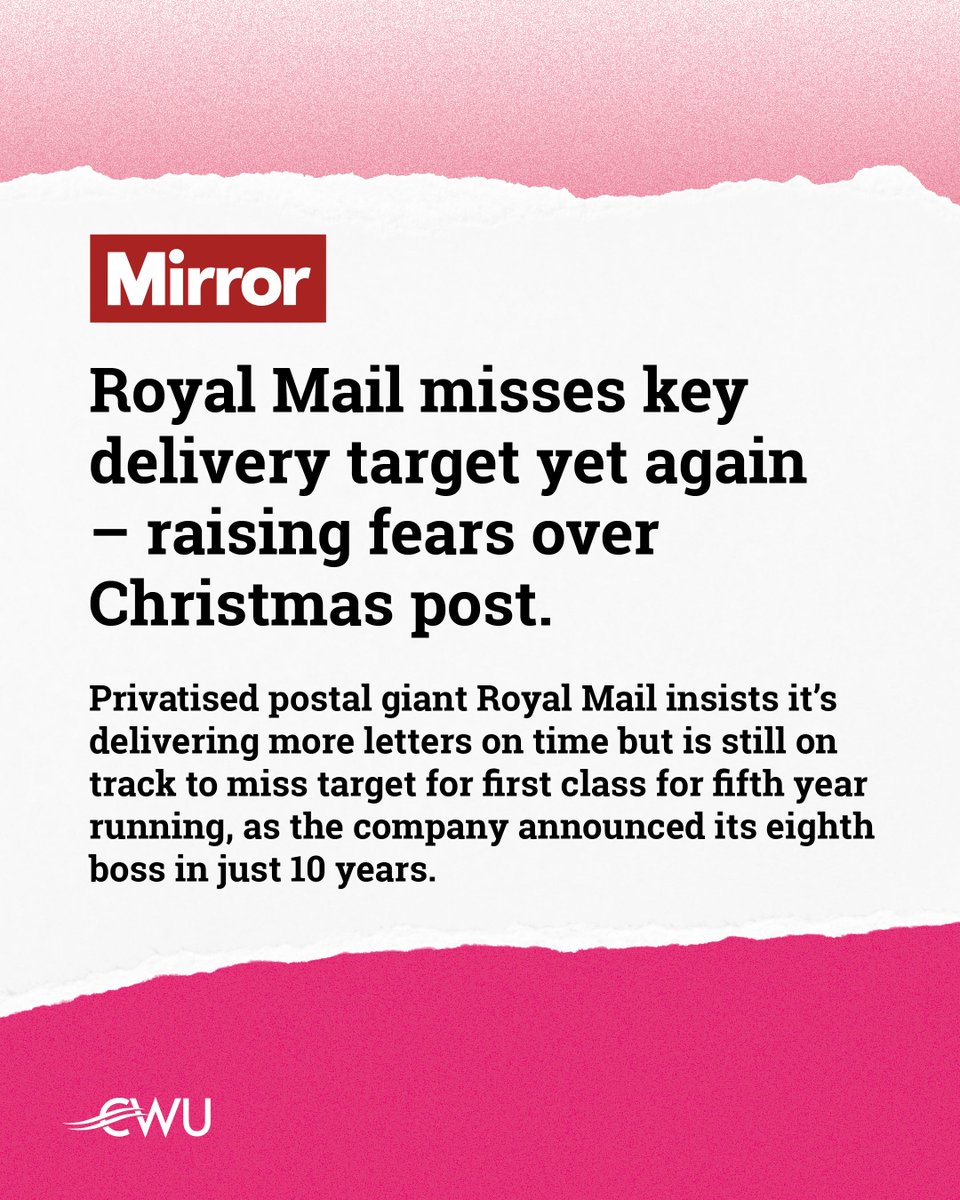
Since Royal Mail was privatised in 2013...
- Annual Ofcom complaints up 3x
- Delivery targets missed ten years in a row
- Seven new CEOs
- 96% of company profits taken out by shareholders
As we start sending Christmas cards, something needs to give. And it's not an eighth CEO.
📮 Royal Mail is once again facing questions over its delivery performance, with first-class post on track to miss its target for the fifth consecutive year.
With Christmas approaching, concerns are growing over whether letters and parcels will arrive on time when it matters most.
And in just 10 years, Royal Mail has had eight bosses – more than we've had Prime Ministers!
Postal workers deserve better, and so do the public.
Gas accounts for 1/4 of electricity in Britain. But because electricity prices are mostly set by gas prices, our energy bills are set to rise to levels not seen since 2023.
Breaking this link to ensure we pay fair prices for energy will require bolder action from the government.
The US grid is hitting its limits. Extreme weather, a clean energy backlog, and load growth are colliding, driving up costs and lowering reliability. Our new series with @cmmonwealth and @openmarkets explores why a Federal Grid Authority is needed (1/4)
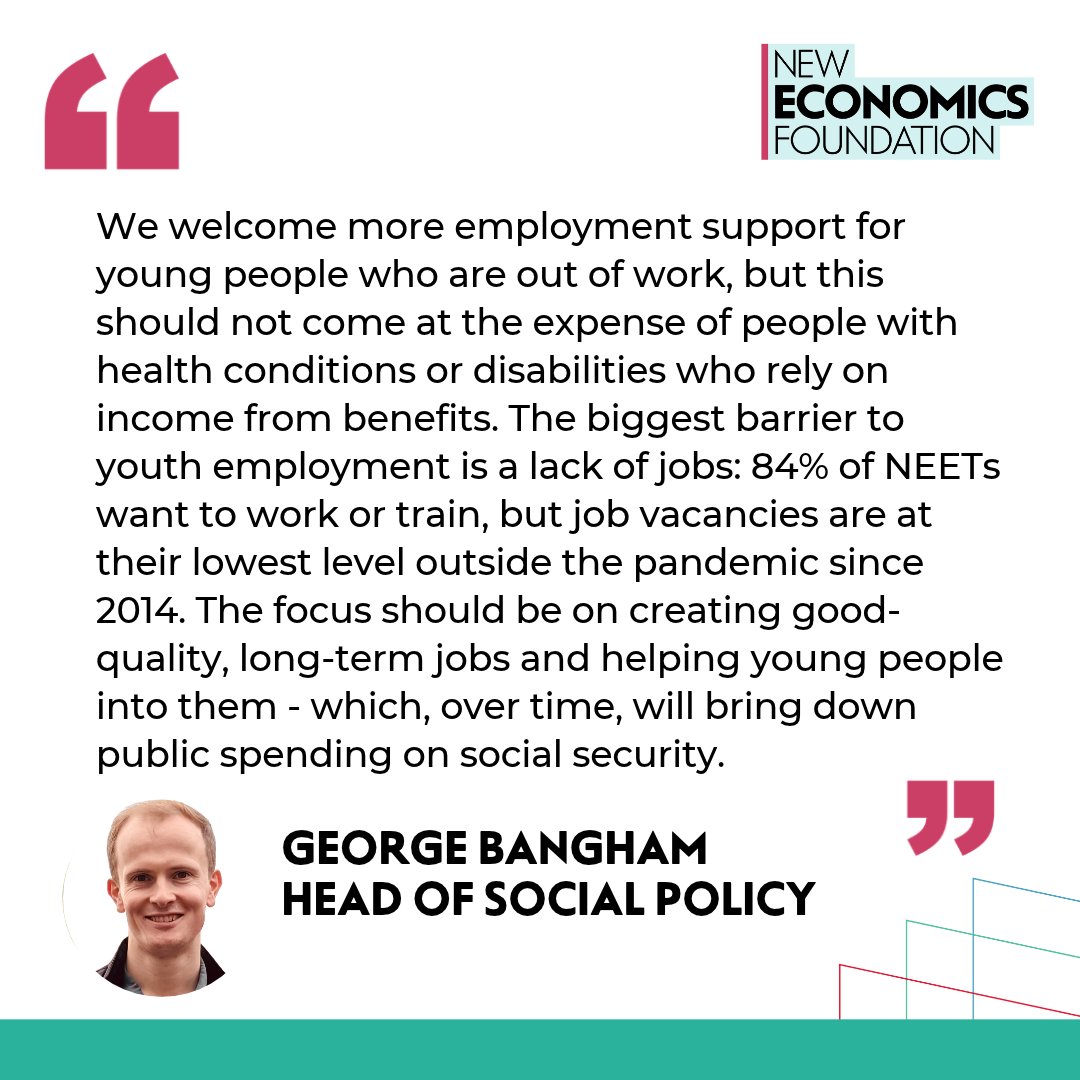
The biggest obstacle to job opportunities for under 25s is a weak labour market.
We need an economic strategy that can close the growing output gap so young people can have the job opportunities they deserve.
https://t.co/WEV4gDJAAM
“What if innovation were scaled up to serve social needs here rather than US investors’ profits? That is the provocation issued by the thinktank Common Wealth”.
The Guardian’s editorial on our paper on venture capital.
https://t.co/jqSS6ecknL
The US grid is hitting its limits. Extreme weather, a clean energy backlog, and load growth are colliding, driving up costs and lowering reliability. Our new series with @cmmonwealth and @openmarkets explores why a Federal Grid Authority is needed (1/4)
In 2025, Ofwat blocked £4m of bonuses for water company CEOs.
The year before, those companies paid their CEOs >£24m and their shareholders £1.2bn.
Banning bonuses alone won't stop the money from leaking out of our water system. Public ownership will.
https://t.co/oI7HPG4jXI
The Milburn review is expected to call for changes to the benefits young people with health conditions and disabilities receive - but this won't address the biggest barrier to youth unemployment: a lack of jobs.
"The question before Democrats is simple: What will it take to drive down the cost of living, especially in essential sectors and energy?"
CW's @BrusselerMel sets out a macroeconomic agenda for the Democrats to capitalize on the Midterm momentum.
https://t.co/M4X6OrdRvr
This law is a landmark step for corporate accountability efforts in the UK.
But we need more comprehensive measures to ensure that victims of corporate harm have adequate access to justice.
Read what other organisations are saying here:
https://t.co/h0C1jMAl8U
British businesses have never had a legal obligation to respect human rights. That's finally changing.
This week, the Government announced draft legislation for a mandatory human rights due diligence (HRDD) regime.
A few notes on what this means...🧵
https://t.co/7t5omxWF5D
Third, the law only seems to set obligations for companies’ upstream supply chains. This means that companies must respect human rights when producing a product, but not after selling it.
A more comprehensive law could have prevented the negligence that led to Grenfell.