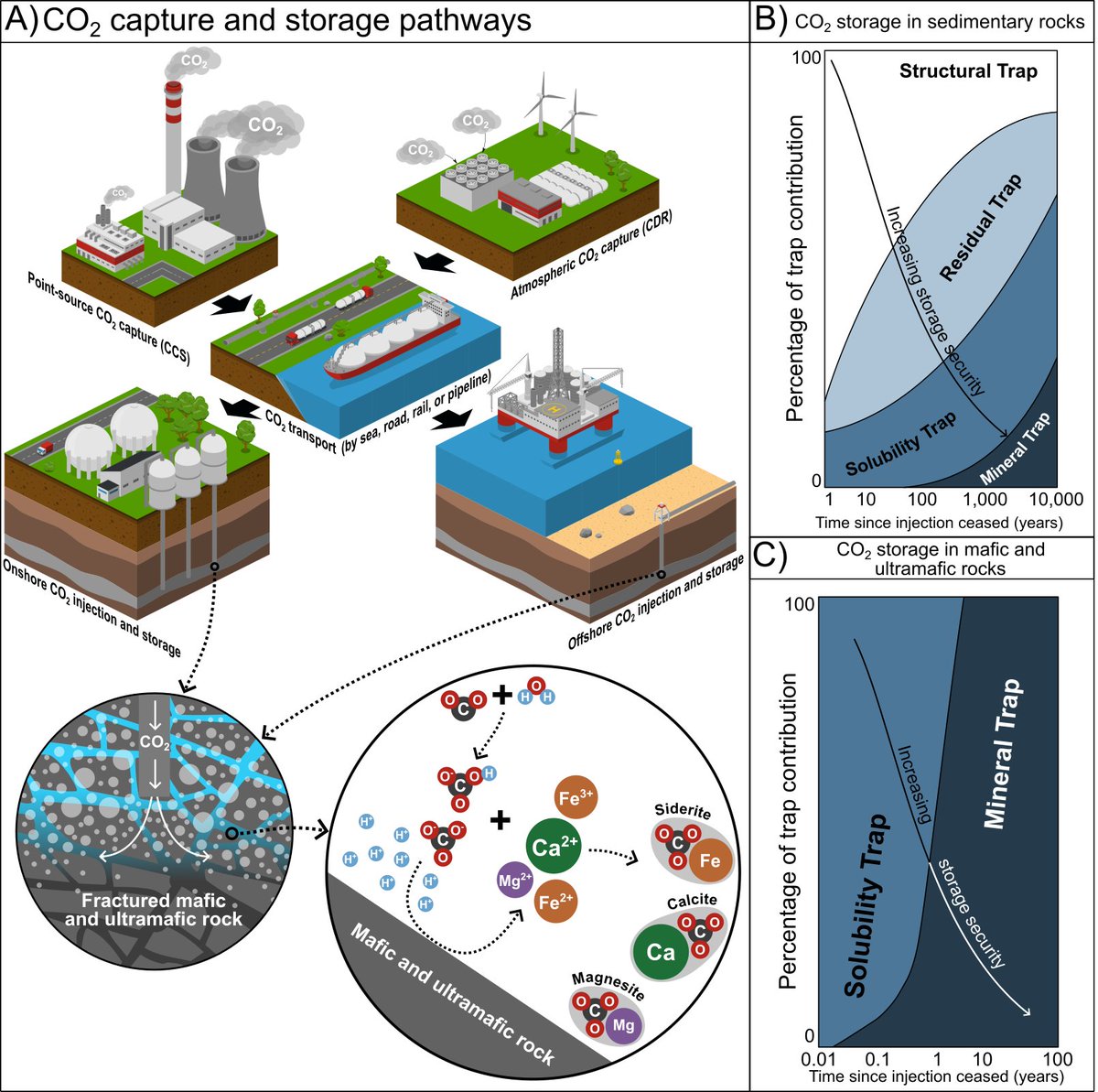
The final version of our paper comparing onshore and offshore #CO2 storage using in-situ mineralisation is now live! Find it open access🔓here: https://t.co/8XYB2jIfH8 or on ResearchGate here: https://t.co/bCj0uRYVik
Ireland has great potential for in-situ CO2 mineralisation. However, policy roadblocks must be overcome to unlock these resources, ensuring the country reaches its #EU-mandated emissions targets. Read the paper, share your thoughts, and lets collaborate!
https://t.co/lPCgGBq062
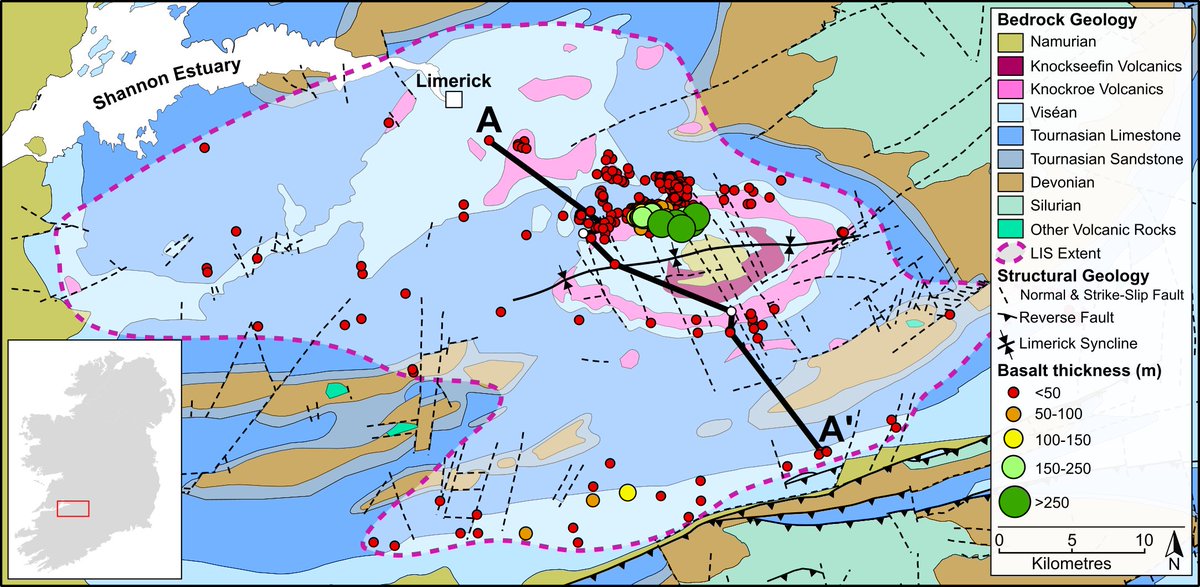
Really excited to share our latest publication! We investigate two basalt layers in #Ireland to compare the technical, economic, and social aspects of in-situ #CO2 mineralisation offshore and onshore! Read the accepted post-print at the link below.
https://t.co/lPCgGBq062
When it comes to public perception and social license, it's not as simple as 'offshore is easier'. A review of published studies shows that considerate stakeholder engagement, throughout project development, is the best approach.
Check out my second Geostorage Insights article over on #substack! We explore the trapping mechanisms keeping #CO2 underground, consider how long we need to keep it safe, and explore #MRV and look at case studies of successful #CCS and #CDR projects:
https://t.co/75piPp4D6j
Interested in the science of geological storage of #CO2? Check out my first full article on #Substack! This is the first of a seven-part series exploring the technical, economic, and societal aspects of geological carbon storage for #CCS and #CDR projects:
https://t.co/hzwOJzbfwr
For #EarthDay I've launched a #Substack where, through a series of articles we will explore aspects of geological storage of #CO2 for both #CCS and #CDR projects including the science, economics, and the societal impacts. Join me here: https://t.co/hiLD7WQaU9
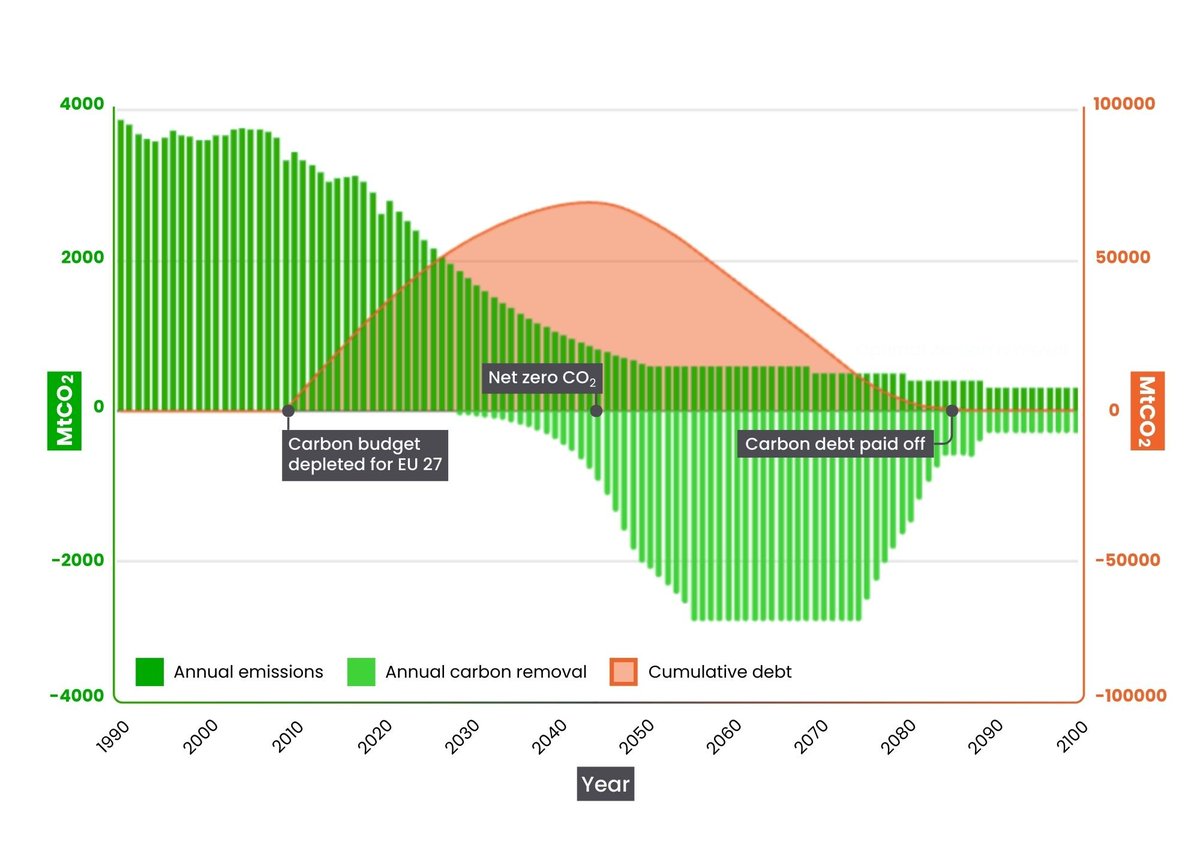
🔥 Hot take: all excess emissions must be removed.
What are excess emissions? All those that exceed a country’s carbon budget. 📈
No matter how you divide the global carbon budget, large historic emitters have exceeded their allocations of the global carbon budget – the amount of carbon that could be emitted to give us a reasonable chance of staying within 1.5C. All excess emissions. Large historic emitters, like the EU 👇, will need carbon removal to neutralise its growing carbon debt.
In our newest report, @RobertHoglund and @EliMLarson break down the carbon debt to find that “residual emissions” is not an adequate term for understanding exactly which emissions we should focus our carbon removal efforts on.
Check it out! 👉 https://t.co/mIhjO8Hxzp
Any geoscience/hydrology scientific illustrators out there? Might have funding to help me build educational content for the citizens of New Mexico all about water resources! DM me if interested!
Breaking: China will officially expand its national emissions trading scheme in 2024 to include the cement, steel, and aluminium sectors. The #ETS expansion has been coming for a long time and is finally here 🎉
https://t.co/yHoK6uYH1Q
How can you compare different direct air capture technologies? ⚙️
Many people focus on differentiating by solid and liquid capture approaches.
But we think that DAC’s biggest site for difference lies getting the carbon back out of the capture medium.👇
https://t.co/NeWDkUpLC0
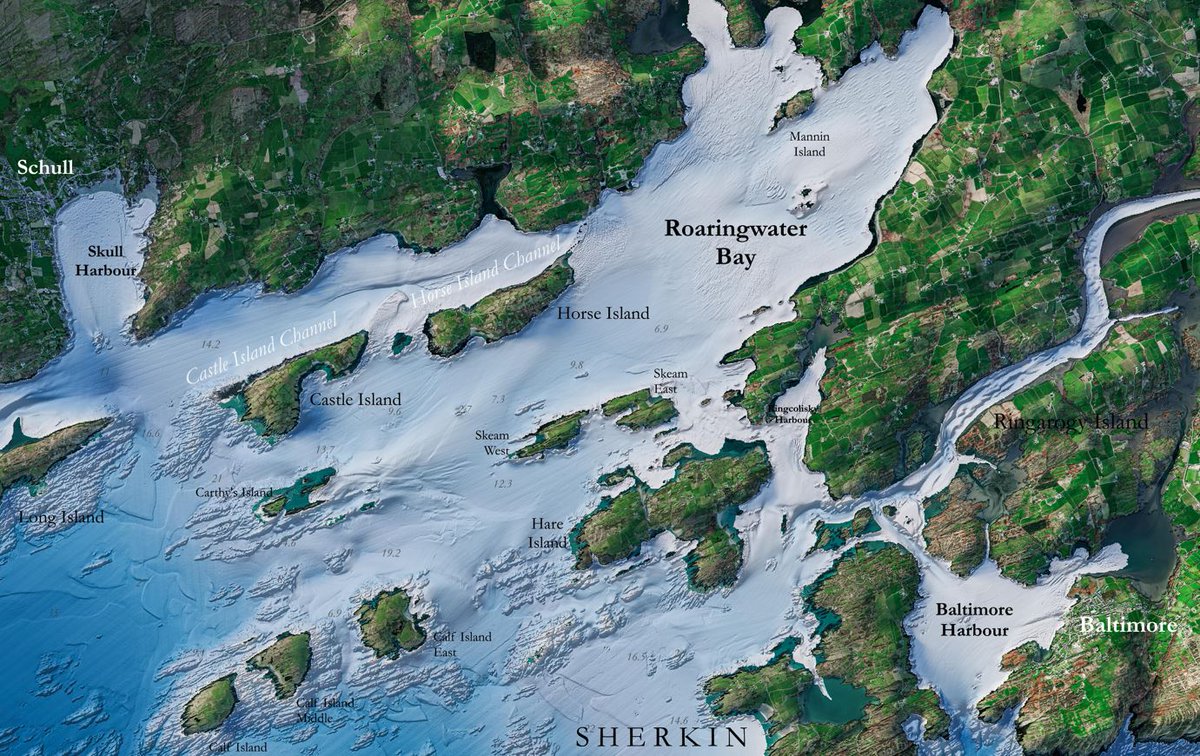
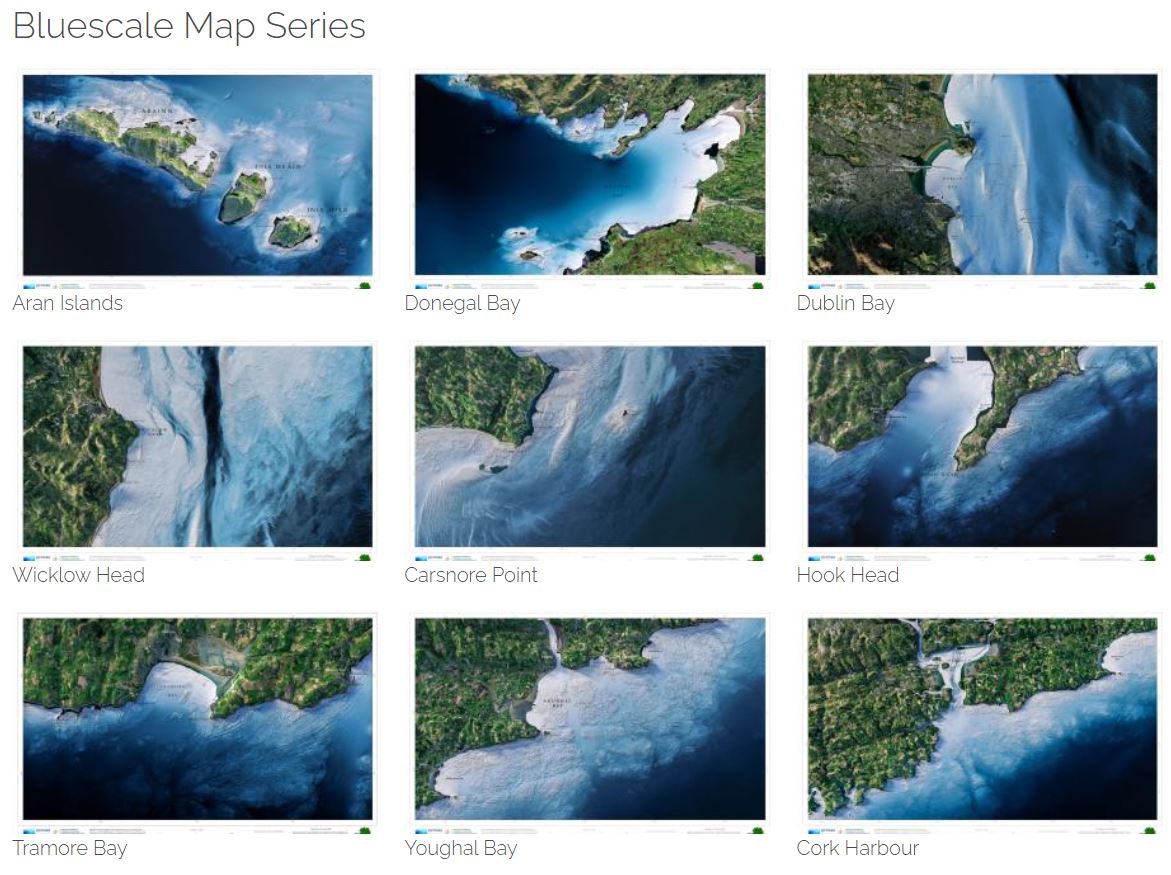
Discover the Blue Scale Map Series! 🌊
These high-resolution bathymetric maps are a must-see. Free to download and available in Irish, they bridge the gap between science and community. Check out all 18 maps now!
🔗 https://t.co/ZMLylTFUy0
@MarineInst@GeolSurvIE@MarineInst