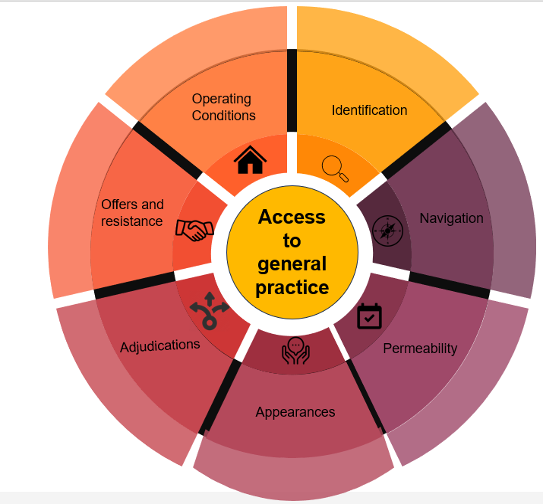
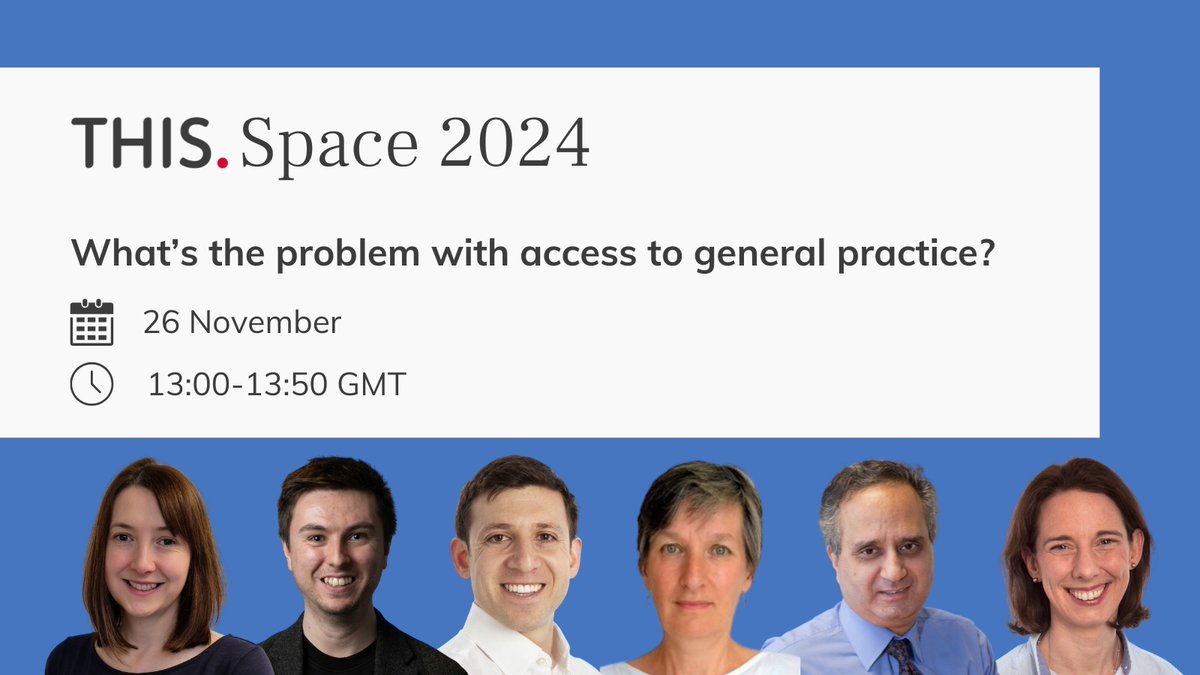
Despite record numbers of appointments, patient satisfaction with access to NHS general practice is declining. We and @HealthFdn reviewed 40 years of interventions into a themed catalogue to help guide improvement efforts.
I played a bitpart role but I’m proud of this paper. In short: a review examining whether people with mental health conditions face greater problems when seeking diagnosis of physical health symptoms than those without. Answer next; thread follows. (1/9) https://t.co/QKGoNXxeLu
The first multidisciplinary guideline for the care of patients with a chronic subdural haematoma. Dan Stubbs @Assoc_Anaes highlights teamwork, communication & coordinated decision-making across healthcare levels, bringing a paradigm shift to how patients are treated.
@drbosheaGP@IMT_latest@ICPObesity@susieb16@DrWilliamBehan @FrancisFinucane @carel_leroux Don’t agree. This paper illustrates why- costly new interventions have an opportunity cost, and addressing the social determinants of health would be a far better investment
https://t.co/byLK8DAaet
One of the most important papers of the year - this should affect policy and help improve health system efficiency (and public health) around the world.
"During 2000–20, NHS coverage of new drugs displaced more population health than it generated."
https://t.co/lyTryra4H0
“80% of chronic disease is preventable and we need to get serious about regulating the food market”
Public Health Doctor Catherine Conlon @catheri70835198#RTÉUpfront | @rtenews
16-18 year olds who present with a mental health crisis to an ED are v vulnerable.
For medical care they fall under adult services, for psychiatric care they are under child psych.
Most adult EDs have unclear child psych pathways.
Maybe now is a good time to look at this.
Great insights into failure demand in healthcare in this @AuralApothecary podcast, including reflections on our paper on operational failures in @BJGPjournal
🚨 New Episode!! Saving the NHS with John Seddon!
How can we fix the NHS?! We are joined by @JohnWSeddon, author of the Vanguard method to talk about systems thinking, failure demand and ‘unlearning’.
Challenging, thought provoking, but also hopeful!
https://t.co/tkC7nSgKsA
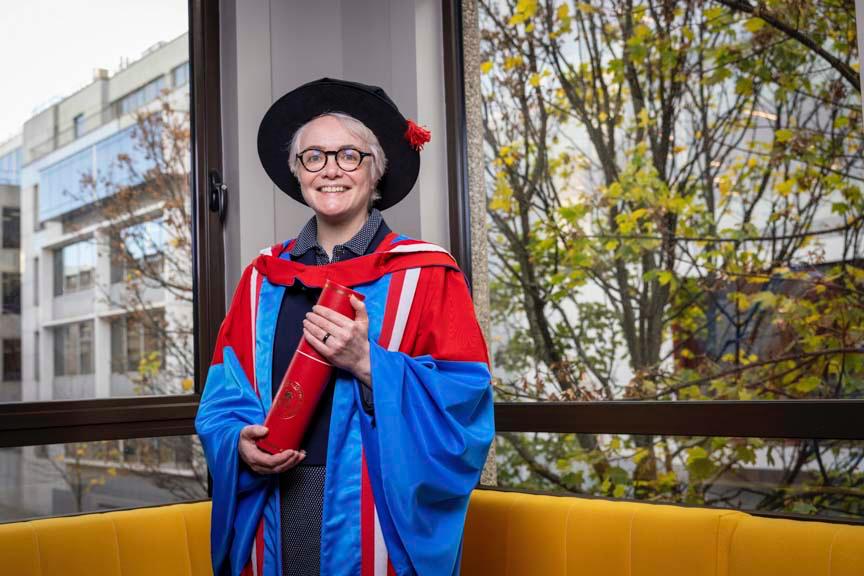
We were delighted to award Prof @MaryDixonWoods with an Honorary Doctorate at our #RCSIConferring today.
Prof Dixon Woods' insights on safety and quality in healthcare have contributed significantly to healthcare policy, inquiries and reports.
@THIS_Institute@Cambridge_Uni
On Thursday 21st November, Prof @MaryDixonWoods from @THIS_Institute will be speaking @PsychologyTCD on 'Why is improving healthcare so hard?'. We invite #EQUIPS Network Members to join us in the Lloyd Building Room 11 (LB11) at 12pm. @NationalQPS Hosted by @sam_cromie
On November 20, @THIS_Institute Director, @MaryDixonWoods, was awarded an honorary doctorate by @RCSI_Irl, celebrating exceptional work making a difference to healthcare through education. Congratulations, Mary from all at THIS Institute. Mary comments: https://t.co/gvUYgkd1u0
Discussions about GP access often focus on appointment availability & speed, but this narrow focus overlooks significant factors shaping people’s experiences with accessing care. @cmsinnott shares her insights with Nada Khan on this @BJGPjournal podcast: https://t.co/7H18AvdPtb