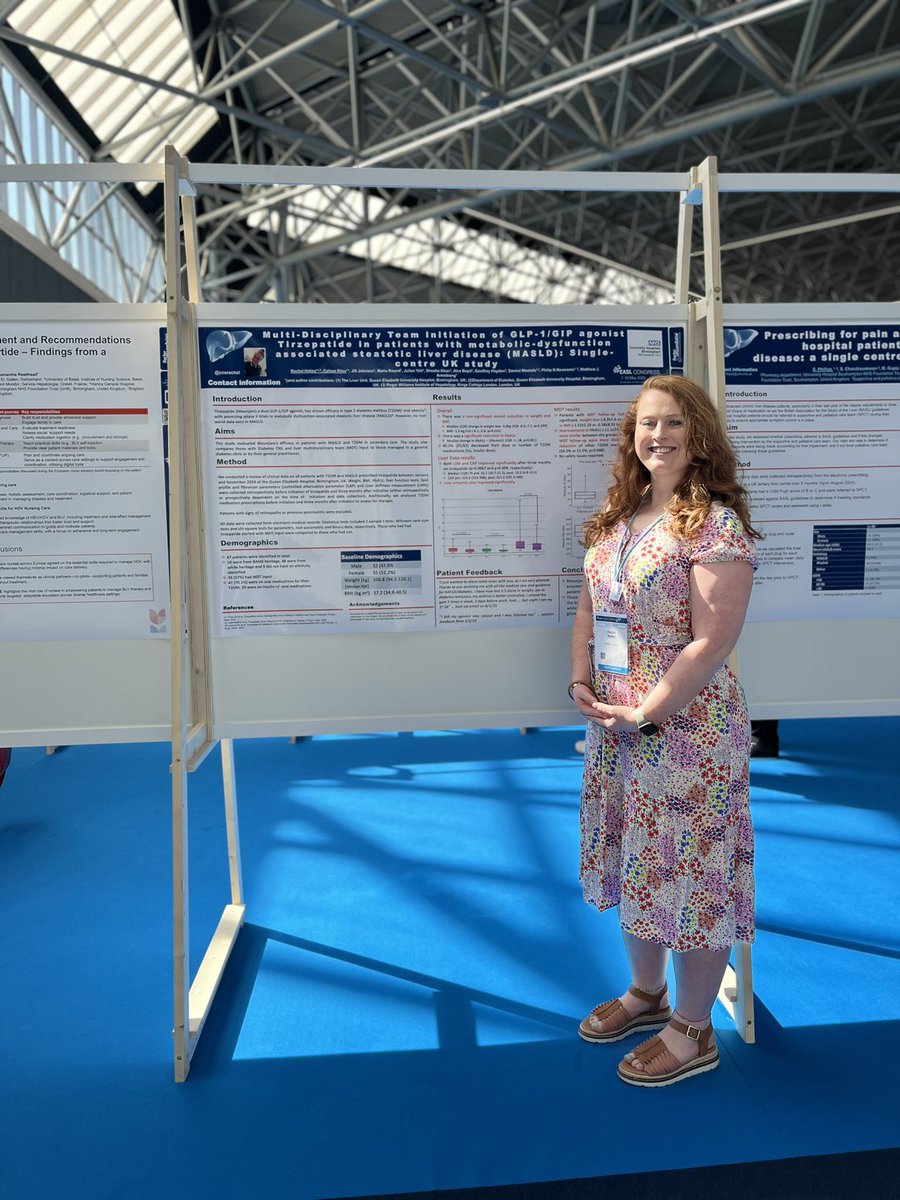
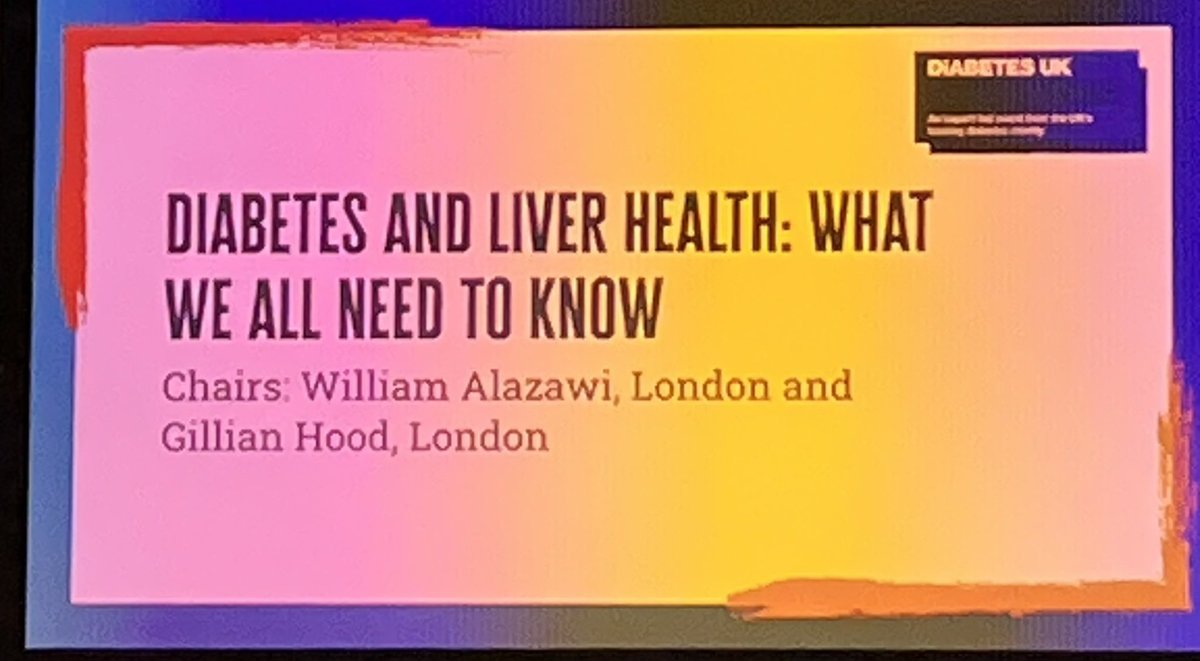
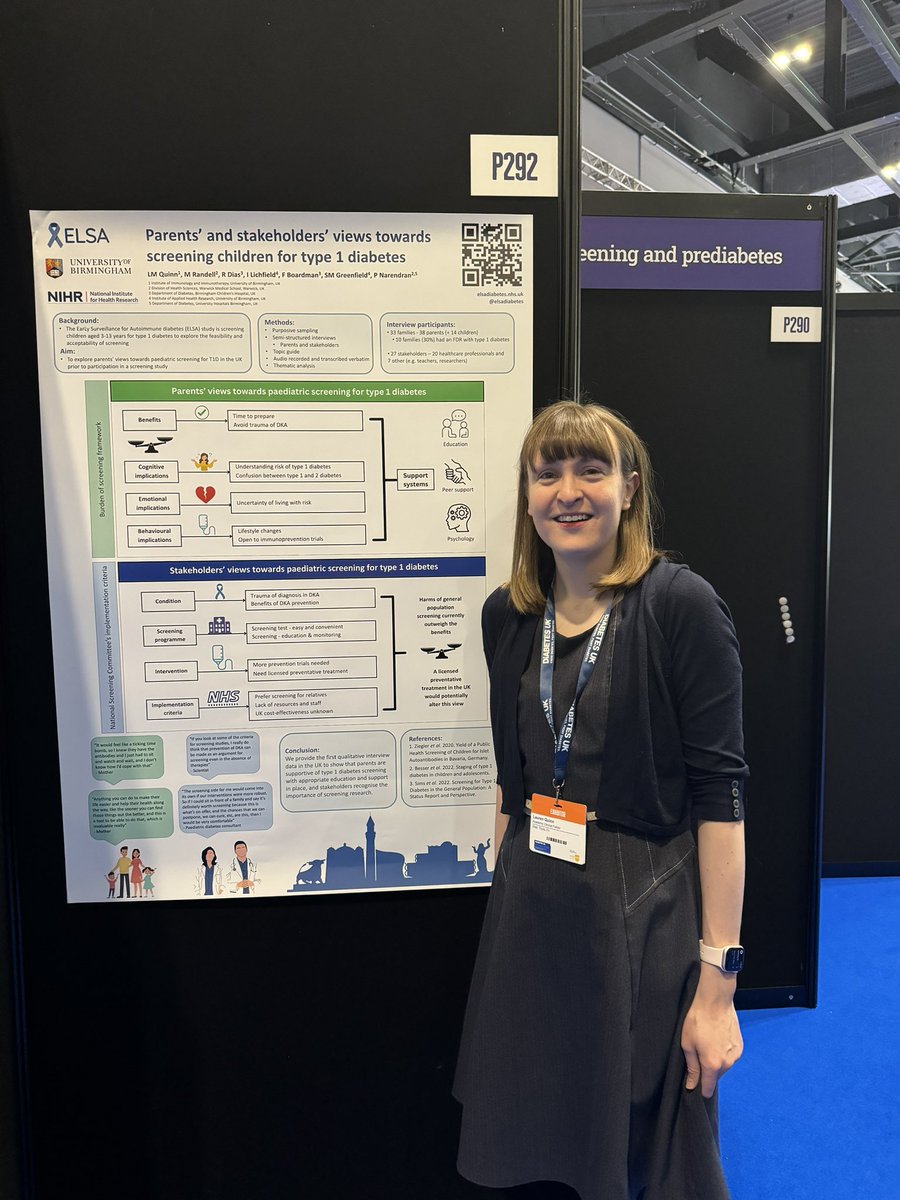
Thank you to @uhbtrust@UHBDiabetes@Drfattyliver for the support with the study on MDT initiation for Mounjaro with type 2 diabetes/MASLD pts. Our abstract is now a poster at a conference a true pinch me moment. #EASLCongress
EXTOD DATES are now out for 2025. Here are the event links:
•EXTOD One-Day HCP Conference (London): https://t.co/dVwvf8VlWR
•EXTOD Patient Day (London): https://t.co/qXA9RUWW73
•EXTOD Two-Day HCP Conference (Liverpool): https://t.co/jk0UUKm5L7
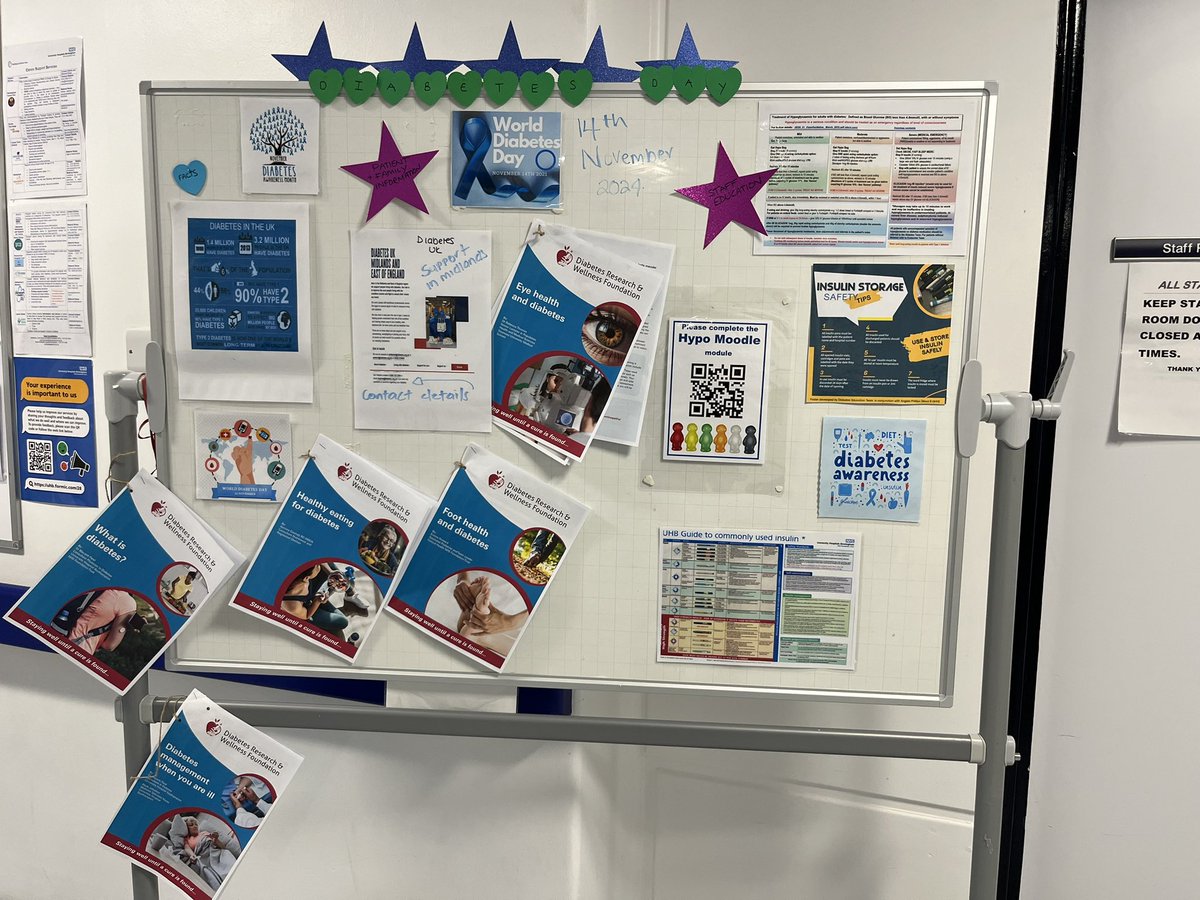
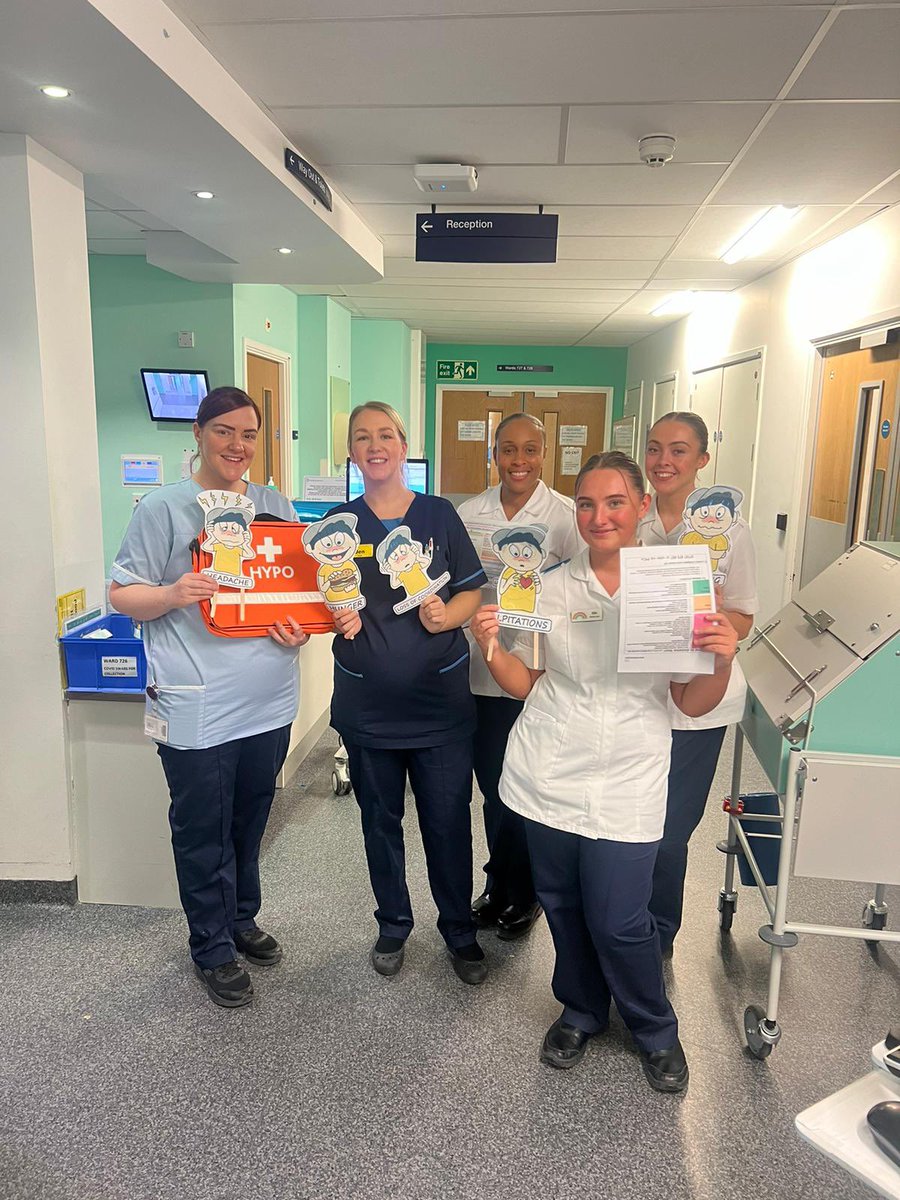
The @UHBDiabetes team would like to thank everyone involved for their support for world diabetes day and for supporting hypoglycaemia awareness week. Big shout out to Ward West 2 on their information board #WorldDiabetesDay2024#jellybabiesavelives
📣The #research team is recruiting women with type 1 or type 2 #diabetes who are experiencing or have experienced #menopause or perimenopause symptoms.
They're particularly interested in hearing from minority groups🔊
Mounjaro can now be prescribed to people with type 2 diabetes in England and Northern Ireland if they are unable to access their usual GLP-1 RA medication
https://t.co/swgYq6LC99
If you are affected by liver disease or liver cancer, it can be helpful to speak to other people with shared experiences. Our virtual support groups are free to attend.
Visit our website to find out more and register to attend: https://t.co/UjlWrAAe2W
If you live with diabetes and are observing #Ramadan, you can find advice on fasting, including what risks to be aware of here: https://t.co/Q5cH4K2YxS
Do you know your sick day rules?
When you have #diabetes, being ill with a virus or infection can be really serious and make your blood sugars harder to manage. With winter colds and bugs, it's important to be aware of what to do when you're unwell🤒
https://t.co/rQKiqeFnY1
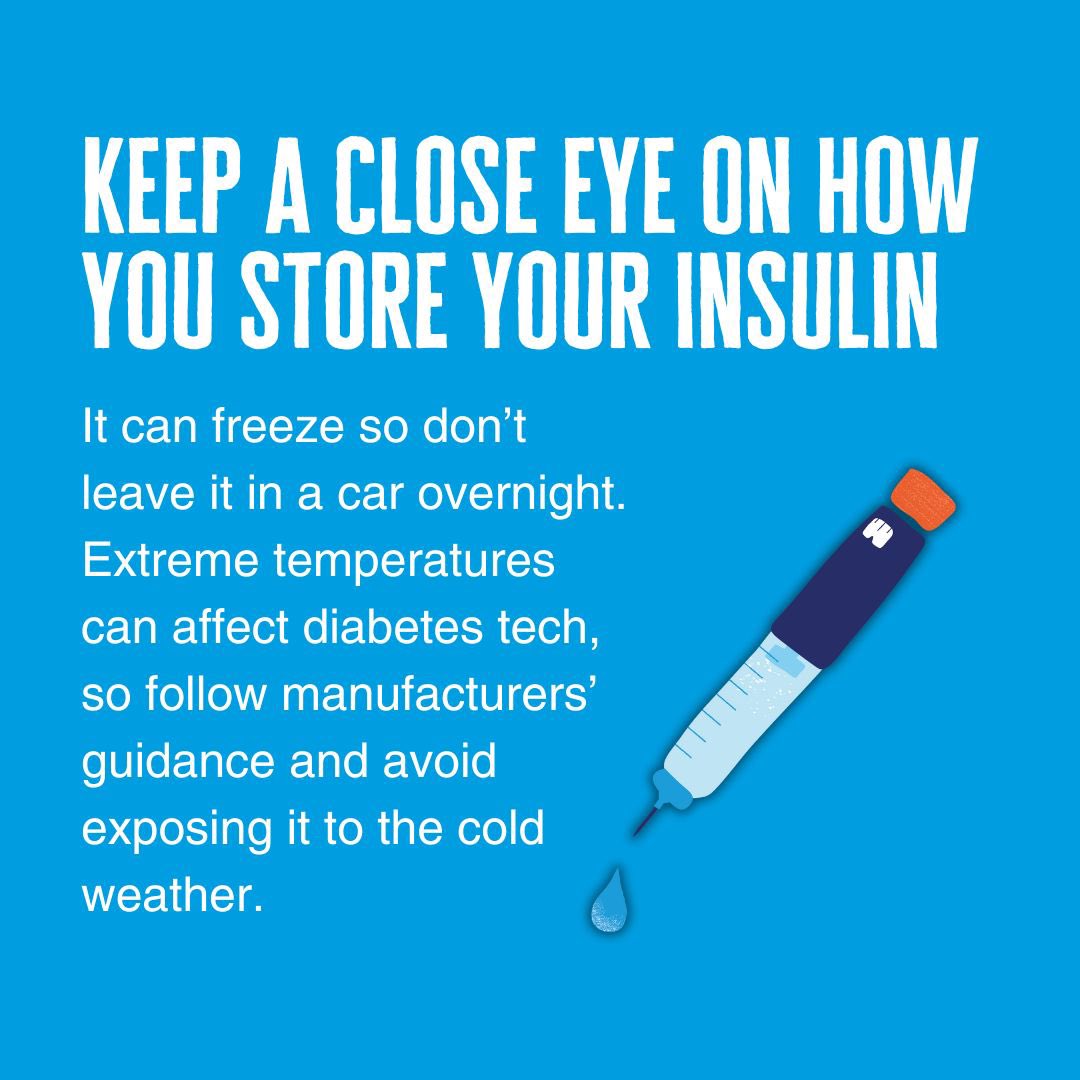
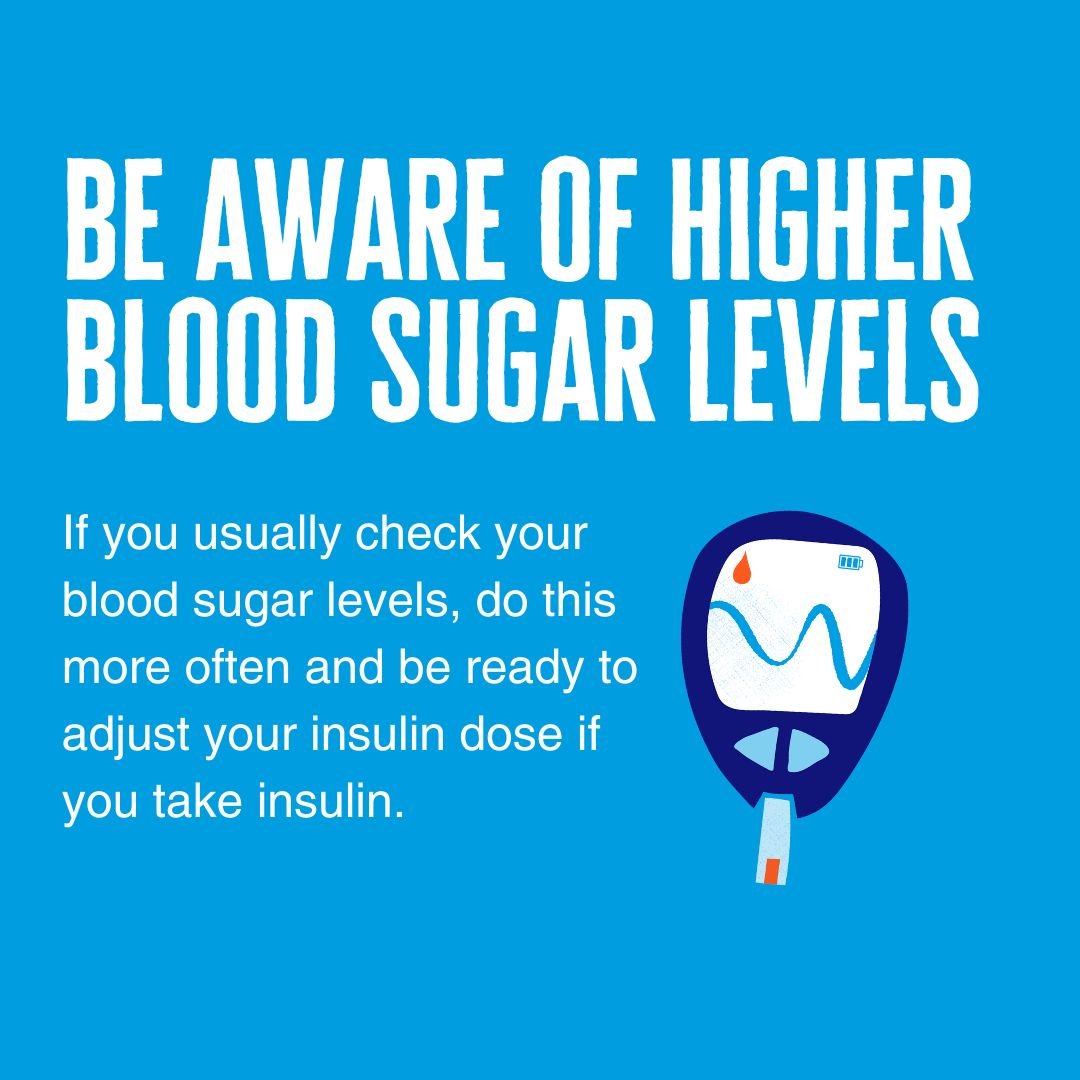
❄️It's cold out there. Read this ➡️for some tips on the impact of the cold weather on your #diabetes and how to manage and stay well this Winter.🌨️
https://t.co/byUNlUnmiu
❄️ Temperatures are expected to drop next week across our regions so here are some tips to help you manage your diabetes in the cold weather.
Find more information here 👇
https://t.co/K8towFfvin
New research led by Stanford University Medical Center reveals important insights about nonalcoholic fatty liver disease (NAFLD) in individuals with a normal body mass index (BMI). The study, published in the Journal of Clinical and Translational Hepatology, shows that "lean NAFLD" patients (BMI <25.0 kg/m^2) have fewer metabolic comorbidities compared to those with higher BMI, but face similar or even greater risks of serious health outcomes.
Key findings include:
NAFLD Risks Not Limited to Obesity: NAFLD, typically linked with obesity, presents similar risks of advanced liver disease, non-liver cancers, and cardiovascular disease in lean individuals.
Metabolic Abnormalities as Key Factors: The development of fatty liver is driven more by metabolic issues like hypertriglyceridemia and insulin resistance, rather than solely by being overweight or obese.
Diverse Patient Profiles: The study, covering patients from 1995 to 2021 at Stanford Healthcare, included lean, overweight, and obese individuals with NAFLD. Lean patients were generally older and included more women and Asians, while the obese group had a higher percentage of men and Hispanics.
Comparative Health Outcomes: Lean NAFLD patients showed higher instances of NASH, cirrhosis, and non-liver cancer compared to their overweight or obese counterparts.
Mortality Rates: Despite similar mortality rates from liver-related causes across all groups, lean NAFLD patients had higher overall and nonliver-related mortality rates.
The study concludes that lean NAFLD should be taken seriously in clinical practice, requiring the same level of care and intervention as NAFLD in overweight or obese patients. This highlights a crucial gap in understanding and managing NAFLD in individuals of average weight.
[Source: Nguyen VH, Ha A, Rouillard NA, et al. J Clin Transl Hepatol. 2023;11(7):1448-1454]
https://t.co/OwhTC0vyAD