I’d change the manager now to be honest.
The end of this season has been embarrassing and it just feels like he’s done what he’s been brought in to do.
I don’t see this as sustainable stability like the CEO does. Everton need to build properly and sensibly for the future #EFC
WHAT HAVE WE JUST WITNESSED? 🤯
Sabastian Sawe has just become the first person in history to run a sub two-hour marathon in race conditions.
Yomif Kejelcha was also under two hours for second!
All you’ve got to do is look at our neighbours, that’s what will inevitably happen. Season ticket+ is to try increase spend within the ground, taking away from surrounding local businesses, next it’ll be checking who’s using STs. Sadly, it’s a profit business now.
The sad thing is, Everton know that the majority of ST holders will renew anyway. But taking advantage of that loyalty will erode support over time. Younger fans will just go elsewhere
Makes a mockery of their People’s Club/Community club mantra too #efc
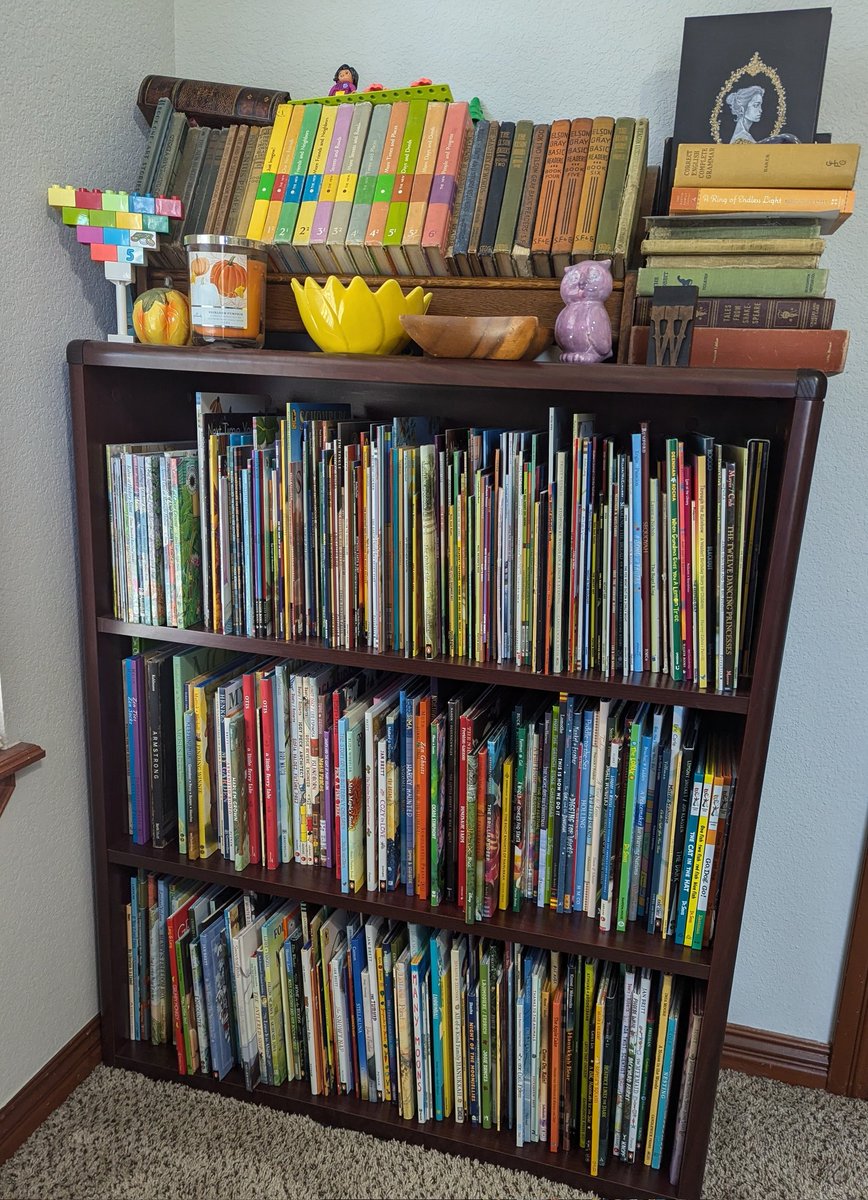
Home libraries mean a lot, actually. Research has shown us this over and over again. Surprising that a librarian doesn't know about this. We really need to spread the word here. 🤔
A home library of 500 books propels a child an average of 3.2 years further in education, an effect comparable to the difference between parents with minimal literacy (3 years of education) and those with university degrees (15-16 years). This holds across diverse socioeconomic backgrounds, suggesting that the books themselves create a "scholarly culture" in the home that enhances skills like vocabulary, comprehension, and critical thinking.
Even small libraries (around 80 books) provide measurable boosts, with effects consistent globally! Home libraries are one of the best low-cost literacy and overall educational interventions that we have globally. They're very important!
Apparently there are a lot of people around today who are under the impression that Tourette’s is something that can be controlled. I wonder if these are the same people who would tell someone with chronic depression to just 'cheer up'?
“I hope I've demonstrated that you can face anything, you can face the end of your days, you can face hell with dignity. Fight, girls, and hold your heads high. Billie and Georgia, you are my heart, you are my everything. Goodnight. I love you.
Eric Dane leaves his daughters — and the world — with one final message in Famous Last Words.
In 2012, DJ deadmau5 responded to a random fan’s tweet during a livestream, a spontaneous moment that ultimately inspired one of his most iconic tracks.
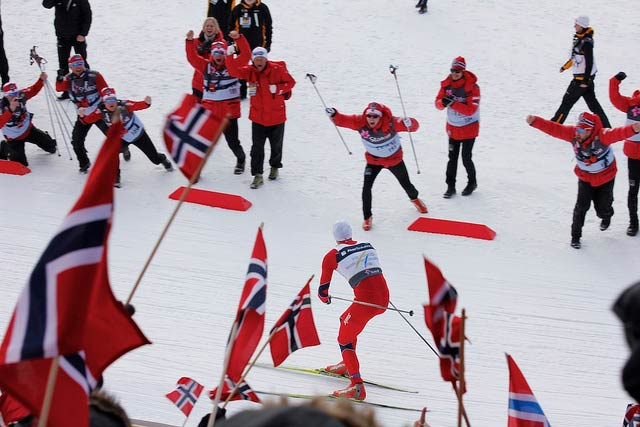
Norway consistently wins the most medals at the Winter Olympic Games, with a population of just 5.6 million people.
A big part of their success is how they treat youth sports—and it’s the opposite of what we do in the US. Here’s what we can learn from Norway:
1. Scorekeeping:
In the US: Youth sports tend to be hyper competitive even at early ages. Leagues almost always keep score.
In Norway: Scorekeeping isn’t even allowed until age 13.
Removing winners and losers keeps the focus on the process not outcomes. It keeps kids engaged longer because it minimizes pressure (and tears) and maximizes fun, learning, and growth. The goal isn’t to win a third grade championship. It’s to love sport and keep playing.
2. Trophies:
In the US: If you give everyone a trophy, you’re creating snowflakes who will never gain a competitive edge.
In Norway: Whenever trophies are awarded, they are handed out to everyone.
If getting a trophy makes young kids feel good, we should give them trophies. Maybe they’ll come back and play again next year!!
As for the creation of snowflakes with no competitive edge—Norway’s athletes are tough as nails and all they do is win.
3. Prioritizing Fun:
In the US: Far too often, the goal is to win.
In Norway: The national philosophy is “joy of sport.”
Youth sports in the US are driven by adults, ego, and money. Youth sports in Norway are driven by fun.
Only half of kids in the US participate in sports. The number one reason they drop out: because they aren’t having fun anymore. In Norway, 93% of kids participate in youth sports. Fun is the foremost goal.
4. Playing Multiple Sports:
In the US: There’s pressure to specialize early and play your best sport year round.
In Norway: Try as many sports as you can before specializing as late as college.
Norway encourages kids to try all types of sport. This reduces injury and burnout and increases all-around athleticism. It also helps promotes match quality, or finding the sport you are best suited for as your body develops, which is impossible if you commit to a single sport too early.
5. Affordability
In the US: There is increasingly a pay-to-play model with high fees for leagues, equipment, and travel. This excludes many kids from playing.
In Norway: It’s a national priority to keep youth sports affordable and therefore accessible for all.
Kids aren’t priced out, which creates opportunities for everyone to participate (and develop into athletes), regardless of their parents’ income level.
We could learn a lot from Norway:
In the US, 70% of kids drop out of youth sports by age 13. This not only diminishes an elite-athlete pipeline, but it also destroys an opportunity for healthy habits and all the character lessons kids can learn from sport.
In Norway, lifelong participation in sport is the norm. The goal isn’t to have the best 9U team. It’s to develop the best athletes. Those are two very different things. And Norway has the gold medals to prove it.










![Everton's tweet photo. FT. YESSSSSS!!! Another away win for the Toffees!!! 💙
[0-1] #AVLEVE https://t.co/bS5wIT8sUc](https://pbs.twimg.com/media/G-9yxMtX0AAh7CA.jpg)


