Esto es espectacular.
Desde Ecuador, instalaron vallas en Madrid, París, Milán y Santiago invitando a cracks que no clasificaron al Mundial a que pasen sus vacaciones de verano en el país sudamericano.
Elegante, respetuoso, astuto. Revivió el mercadeo. CRACKS.
Zealandia is considered by many geologists to be Earth’s hidden eighth continent—a vast landmass nearly the size of Australia, with about 94% of it lying beneath the ocean’s surface.
Zealandia is an enormous, largely submerged landmass in the southwestern Pacific that many geologists regard as Earth’s eighth continent. Spanning roughly 4.9 million square kilometers (1.9 million square miles), it is about two-thirds the size of Australia, yet nearly 94% of it remains hidden beneath the ocean.
The continent broke away from the ancient supercontinent Gondwana around 80 million years ago. As tectonic forces stretched and thinned its crust, much of Zealandia slowly subsided below sea level. Today, most of the landmass lies between 1,000 and 3,000 meters (3,300 to 9,800 feet) underwater—significantly shallower than the surrounding Pacific seafloor, which commonly reaches depths of 4,000 to 6,000 meters (13,000 to 20,000 feet) or more. Only its highest elevations remain above the surface, forming islands such as New Zealand and New Caledonia.
Spot the @McLarenF1 race winners! 🧡
McLaren gathered previous race winners for the team here in Monaco as part of their 1000th Grand Prix celebrations! 🤩
#F1#MonacoGP
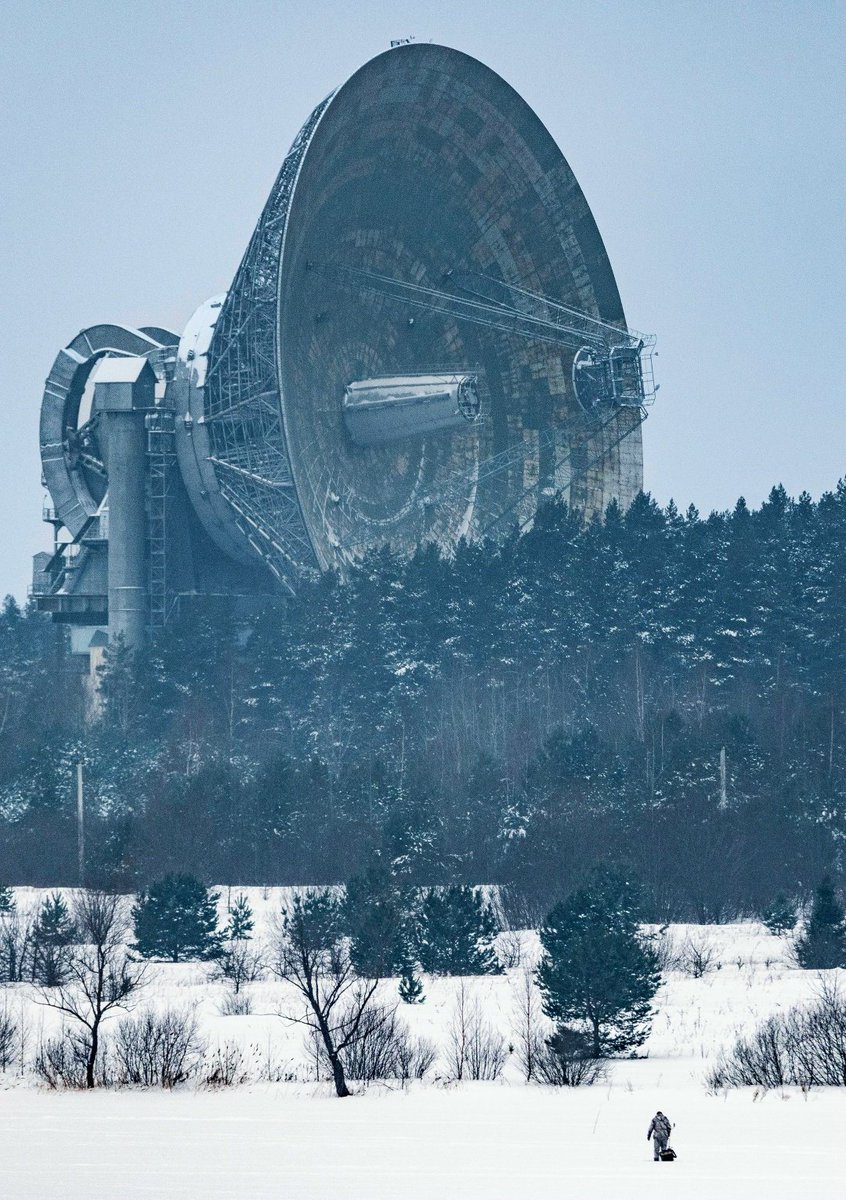
The scale of this engineering is terrifying. 🤯
People don't realize this thing is alive.
It looks abandoned. It looks frozen. It looks forgotten.
It is none of those things.
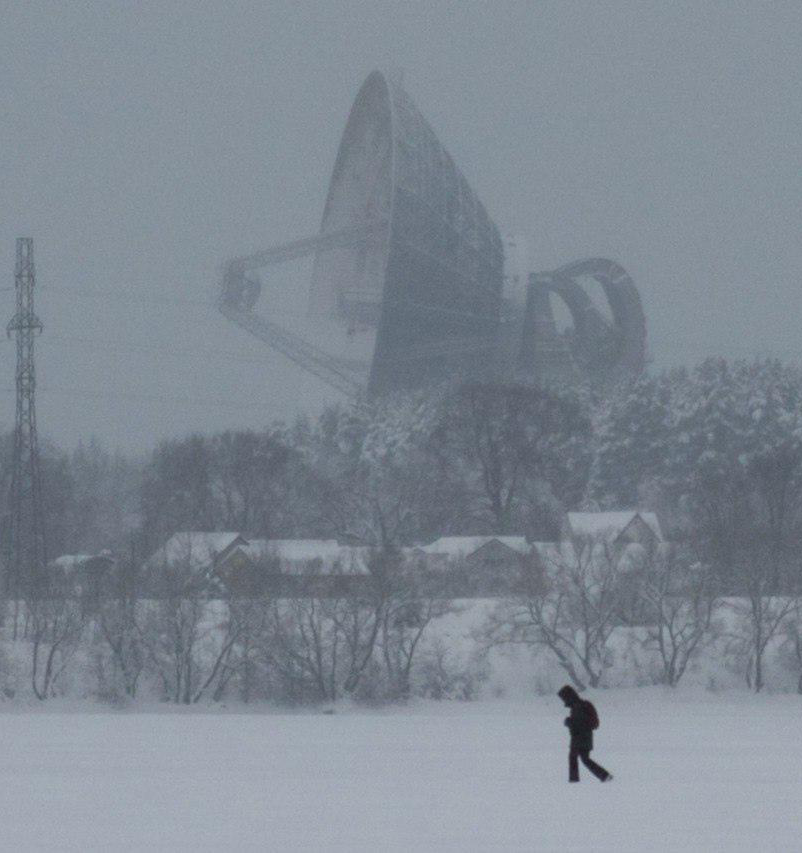
The Kalyazin RT-64 is a 64-meter Soviet radio telescope, hidden in a Russian forest, still listening to deep space. To pulsars. To dying stars. To spacecraft drifting between planets.
Uluru, also known as Ayers Rock, is the largest single rock formation on Earth. Only about a quarter of it rises above ground, while the majority extends beneath the surface, with an estimated total mass exceeding one billion tons.
The marine iguana is the only lizard on Earth that forages in the ocean. Endemic to the Galápagos, it evolved flattened tails for swimming, strong claws to grip volcanic rock, and specialized glands to remove excess salt from its body.
Feeding almost entirely on marine algae, its life is a balance of cold dives and sun-warmed recovery.
Evolution, in real time.
📹: erickramosph
April 22, 2013, Canadian geophysicist Lawrence Morley died #OTD aged 93.
Sometime in 1963, Lawrence Morley proposed an outlandish theory: That rocks on the ocean floor were imprinted with a record of the direction and intensity of the Earth's magnetic field...
El Chelsea quiso prepararle una sorpresa a Moi Caicedo tras renovar su contrato.
Sus compañeros lo aplaudieron, llegó su familia, le pusieron un video de su carrera y al final, sus palabras. Espectacular 🫶
No vamos a la Luna, sino a encontrarnos con ella en un punto exacto del espacio.
Y tampoco es necesario gastar combustible, los cálculos están hechos para que todo funcione con pura física y gravedad.
Es impecable.