We are a lab at Brown University studying how children learn & what they understand about the world. We also have researchers at the University of Toronto
You can now find a list of our current research games on the Brown Developmental Labs website! We have both online and in-person research games - click the link to learn more! https://t.co/W3I3BbhpXo
The Brown CoCoDev (PI: Daphna Buchsbaum) and Causality and Mind (PI: Dave Sobel) labs are hiring a joint lab manager! If you hold a BA/BS in psych or a related field and have research experience, you should apply!
Learn more here: https://t.co/0MK5j4TAN2
How do gender roles impact our kids? According to a recent study at Wellesley College, preschoolers may use gender stereotypes when picking out toys for their peers, but they also take into account other social information. https://t.co/Ne6dl0mRpS
Everyone gets frustrated sometimes. Managing emotions and thinking through problems are important skills for children to learn. As they continue to engage with the world around them, engaging with frustrated feelings will be a helpful tool to develop. https://t.co/ZhthBx77Qe
Here are three places where I talk about the LLM as cultural technology idea, WSJ is the most developed but behind a paywall. Arxiv paper is longest but still in submission.
https://t.co/RJy4F7E9BL
https://t.co/Ja8pipSfu7
https://t.co/1XqEh035mS
With the rise of modern technology, everything and everyone appears to be on social media. Children require extra guidance in order to navigate these platforms safely and responsibly. Ronald Stolberg Ph.D gives 4 social media tips for parents:
https://t.co/qDC43ItyH1
Preschoolers love to explore new things and interact with the world around them. Using problem-solving skills called “computational thinking,” children can learn to think outside the box + solve problems. Learn how to encourage this type of thinking!
https://t.co/LwFozDDarQ
Summer break is fast approaching! A new study from the University of South Australia found that young children are less active, spend more time on screens, and have a worse diet during school breaks. Read about how structure can help! https://t.co/6ibxBQ421U
Friendships are an integral part of life. Helping children resolve conflicts with their friends from a young age teaches them valuable lessons for the future. In fact, it can help them create stronger bonds + encourage a better understanding of others! https://t.co/EpGN7CjazV
Young children often struggle with completing multi-step plans. A new study from @UMassBoston examines a method to help with this: “plan chunking”. By “chunking” info together, children in the study were more successful on a multi-step task. https://t.co/S7H23aua9J
Artificial Intelligence (AI) is a controversial and highly relevant topic these days. Interestingly, a study at New York University found that infants outperform AI when it comes to detecting other people’s motivations for their actions. Read more here: https://t.co/bTiOPjnyrZ
Whether in the backyard or a national park, exploring the great outdoors can help kids become curious about nature and science. How do we encourage exploration? The Kratt Brothers from @PBSKIDS's WILD KRATTS tv show argue that the secret is boredom! https://t.co/ZNdiMGovda
One of the most important qualities that we can possess as humans is kindness. Here are 5 tips from PBS to encourage kindness and compassion in your children: https://t.co/giNgB6NWej
As our society comes up with new ways to make life easier, it’s important to remember that easier ≠ better. When kids get fussy, parents may try to calm them down with digital devices. A study from UMich suggests this easy fix could backfire later on. https://t.co/hp0f9c4iqC
Did you know that research suggests kids can start developing implicit biases against outgroups—people different from them—as early as 3 months old? Check out a recent article from Dr. Vanessa LoBue about this issue and suggestions for how to combat it. https://t.co/7AmAK0xuAP
Is your child’s first dentist🦷appointment coming up? Trips to the dentist can be scary for anyone, regardless of age. Fortunately, there are ways that we can set our children up for positive experiences at the dentist's office. Take a look at these tips! https://t.co/3dZT7wXJSx
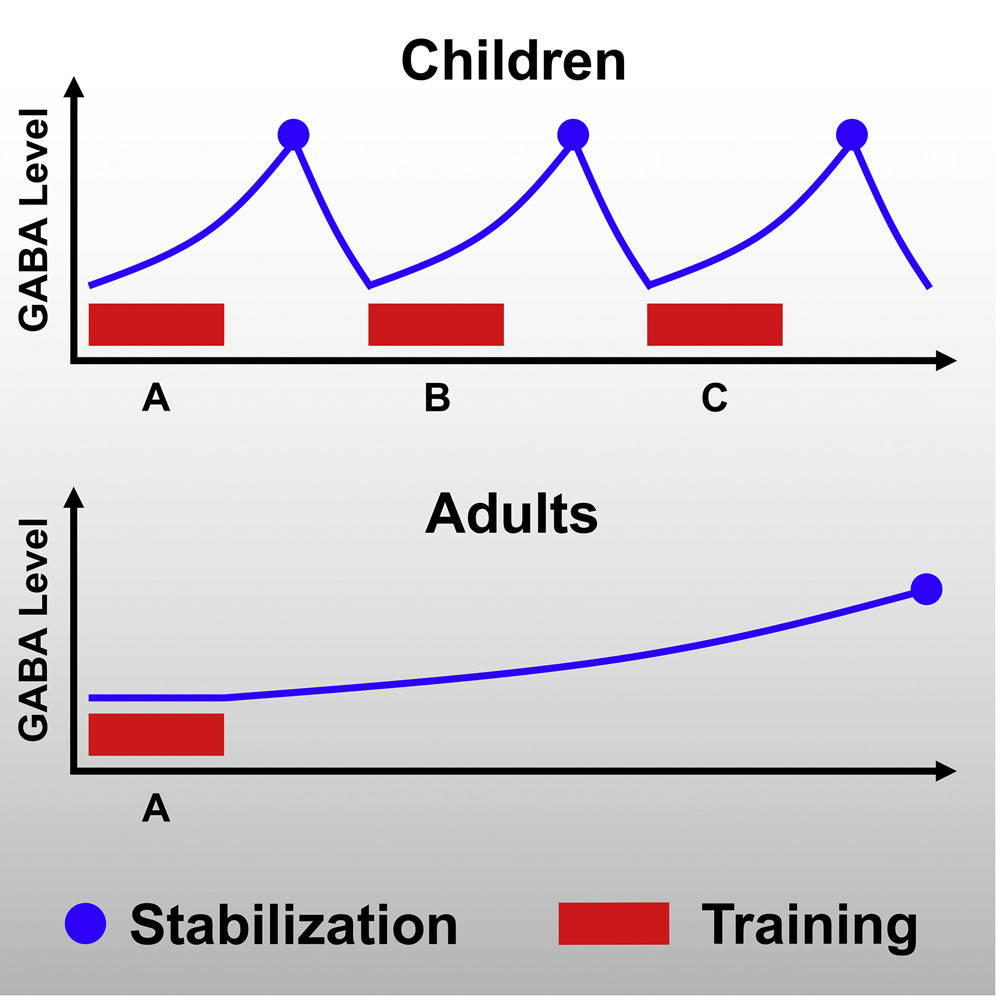
Ever had the feeling that your child was smarter than you? A recent study from @BrownCLPS & University of Regensburg found differences in the release rate of the "brain messenger" GABA in kids & adults. This could be why kids learn so quickly! https://t.co/kHf1krU8ER
Stressful experiences during childhood can have negative health impacts. Fortunately, a new study from the University of Georgia suggests parents can help reduce their child’s risk of developing health problems by showing they care. Read more here: https://t.co/uQaHCcIbRL
Young children are much smarter than most people give them credit for. This article discusses how infants ages 14 - 18 months may be able to count even before they are able to speak! Read more here: https://t.co/Q0XPUp4eOx
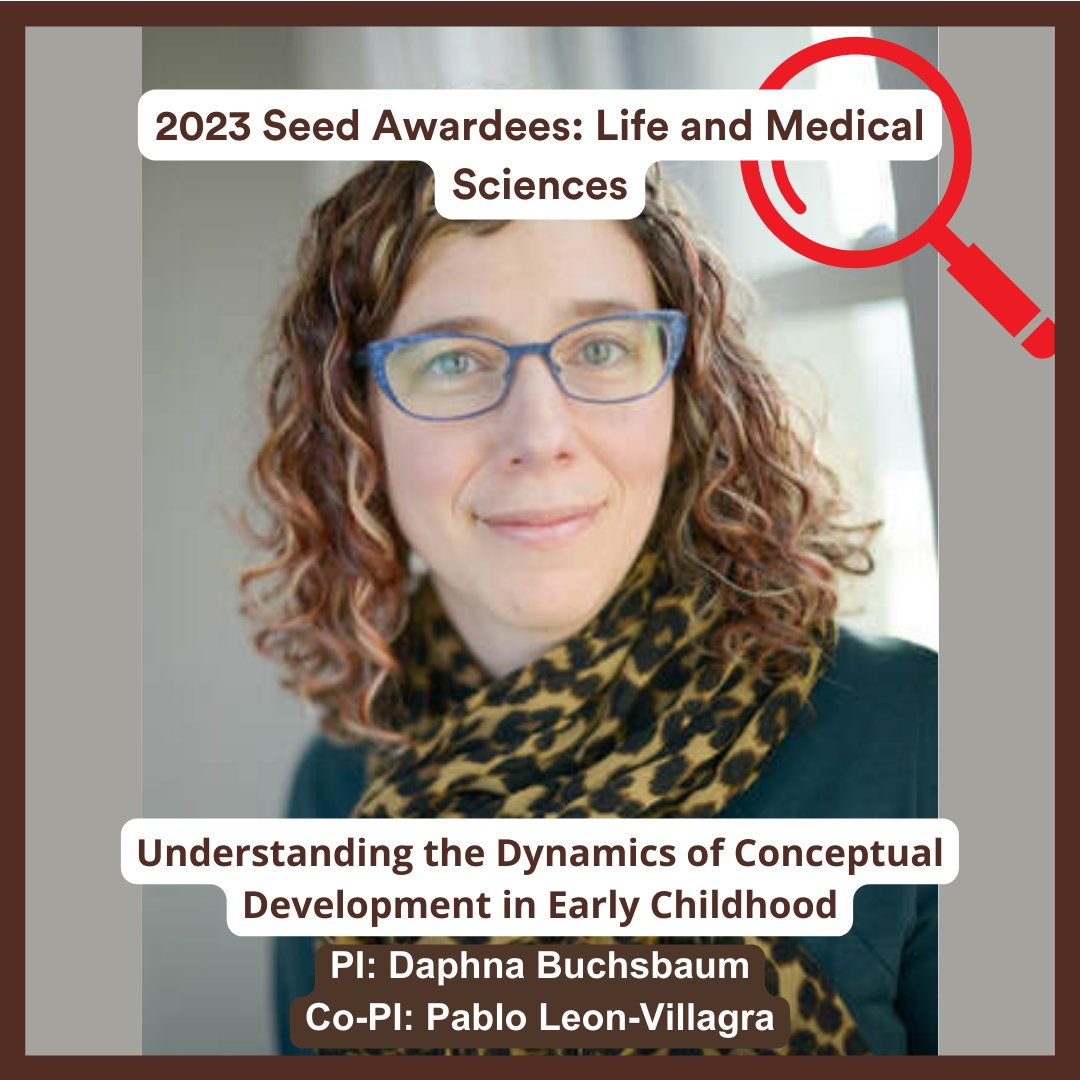
Daphna Buchsbaum (@banhpad) received a Seed award for her project focused on (1) How children's concepts about biological kinds transform to form the complex structures adults can access (2) Languages differ in how they carve up the perceptual color space. https://t.co/274Zr1NU74