Dune: Part Three is the first film in the trilogy shot on actual celluloid instead of digital. Denis Villeneuve had a set of lenses hand-built from scratch, tuned to throw a specific golden flare, because nothing on the market gave him the glow he wanted.
That choice is most of the answer. The first two films were shot on digital cameras, then printed onto film stock and scanned back in to borrow the texture of celluloid. For the third one, cinematographer Linus Sandgren, who took over from Greig Fraser, shot on genuine film, including large-format IMAX. He told the Hollywood Reporter he wanted flares unique to this movie, so a lens company called Atlas hand-built the glass and had to construct custom equipment just to test optics that large.
The vintage feel runs through the whole trilogy. On Part Two, Fraser roughened up the pristine digital image by shooting through a Soviet-era Helios lens and a set of 1980s Moviecam lenses. Old glass, chosen on purpose, to soften and age the picture.
Then there is where the camera points. The Dune films shoot in the deserts of Abu Dhabi under hard sun, with studio work in Budapest, on physical sets Villeneuve compared to Transformers, using sand-colored screens instead of green ones so the light stays warm. The standing rule is to capture as much in front of the lens as possible and use effects to extend what is there rather than build it from nothing.
The glow people read as "80s" comes down mostly to one thing: halation, the soft bloom that forms around bright light when it hits film emulsion. Digital tries to imitate it. On celluloid it happens by chemistry. Add fine grain and a hand-ground lens flare and you land on the exact texture fantasy films had in the 1980s, back when there was no other way to do it.
There is a straight line here. The 1984 Dune, David Lynch's version, was an actual 80s fantasy film, built on matte paintings, optical printing, and hand-drawn effects. Villeneuve is reaching for that same analog toolkit with a modern budget. It reads as an old fantasy film because it is put together the way they were: shot on film, out in the desert, through lenses cut by hand to flare like the ones they used forty years ago.
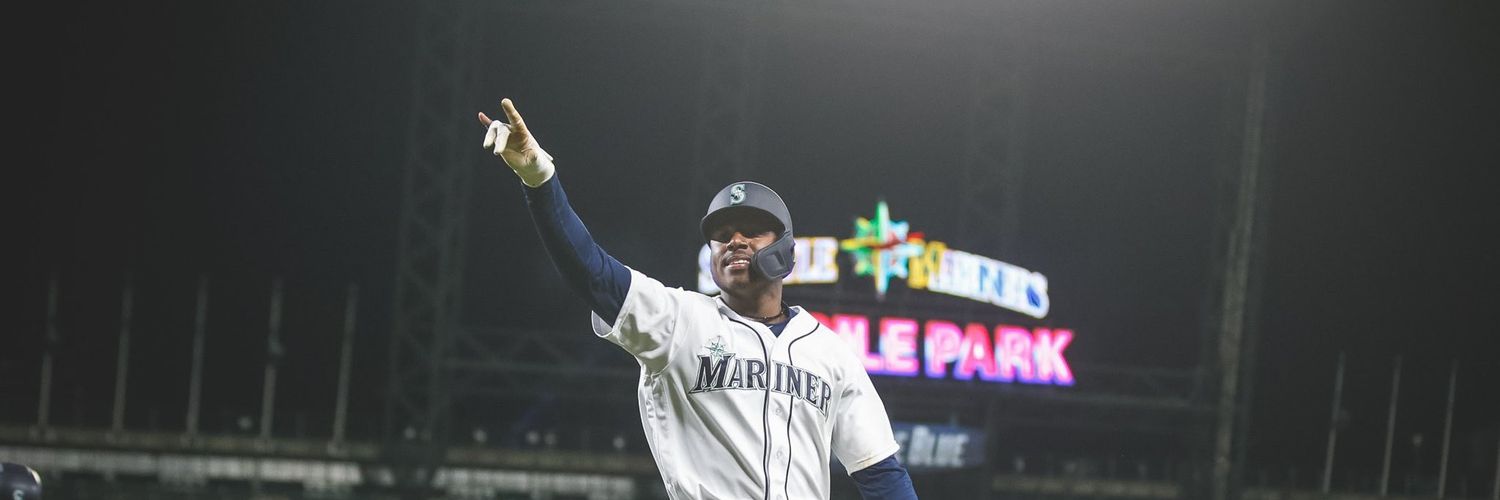
Bryce Miller in 4 career regular season starts against the Tigers:
7.0 IP, 0 R
5.0 IP, 0 R
7.0 IP, 0 R
6.0 IP, 0 R
Here’s a full list of active @MLB pitchers with 25.0+ scoreless IP, against any opponent:
Bryce Miller against the Tigers.
🔱🐯 #TheMayerGWS