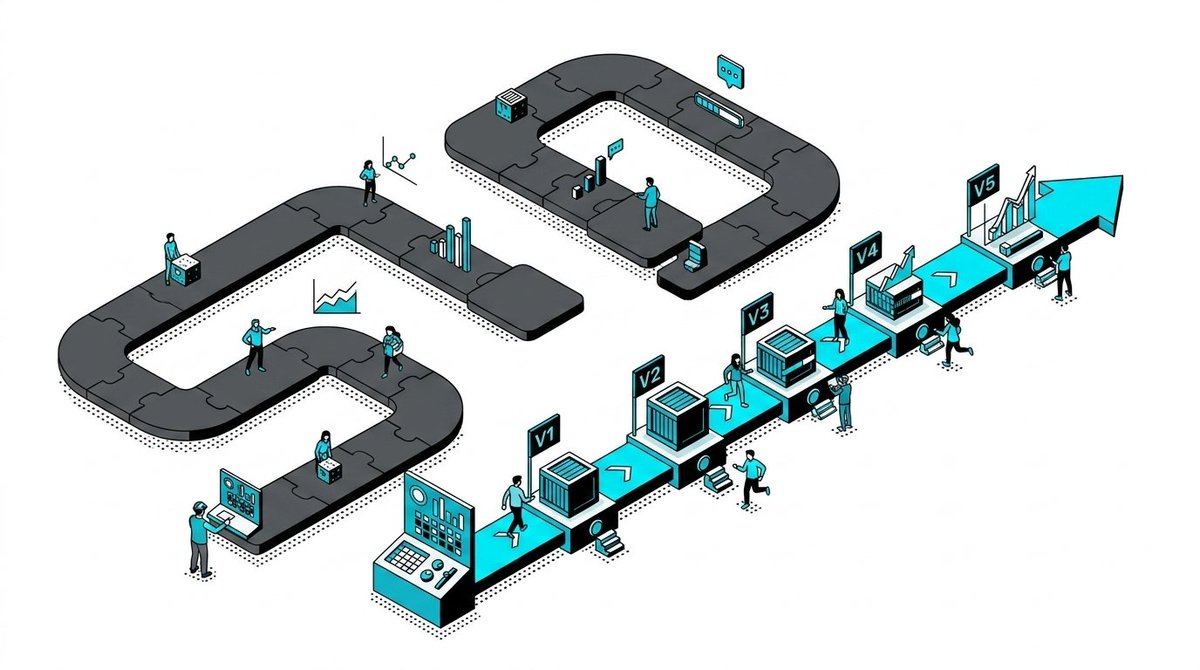
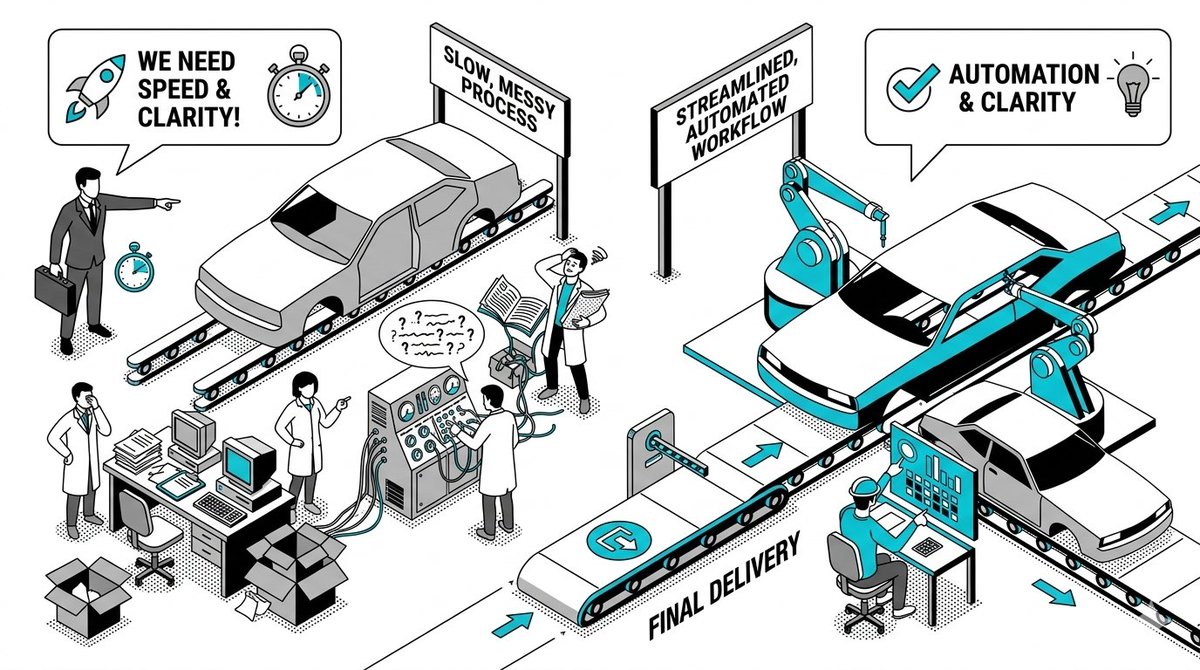
The longer modernization takes, the worse the ROI.
Time = money (literally).
Fast, incremental delivery is the new competitive edge.
Slow projects lose.
CFOs don’t fear modernization.
They fear cost surprises.
Hidden dependencies = blown budgets.
Predictability > low estimates.
Firms that control scope win.
Most legacy modernization ROI is… imaginary.
Code migrated ≠ financial impact.
Firms that tie delivery to business outcomes (cost, margin, speed) win.
The rest? Just ship projects.
Worth rethinking.
Knowledge fragmentation kills projects.
Scattered context → rework → risk.
Modern teams centralize system understanding with AI.
That’s how you scale delivery without chaos.
Speed is now a requirement, not a bonus.
Long discovery phases are losing deals.
Faster insight → faster delivery → faster ROI.
AI is compressing timelines—and resetting expectations.
Large teams + long timelines = broken economics.
CFOs want more value with fewer resources.
If your delivery model depends on scale, margins will keep shrinking.
Efficiency is the new competitive edge.
Manual code analysis is killing your margins.
Slow discovery + inconsistent outputs = rework.
And rework = lost profit.
AI-driven analysis changes the game with speed + consistency.
The firms that fix this win.
Big teams ≠ better outcomes anymore.
More engineers = more coordination, slower delivery, higher costs.
Modern firms win by maximizing output per engineer with AI.
Scale is no longer the advantage. Efficiency is.
The firms that adapt will win.
The biggest delivery delays don’t come from coding.
They come from figuring out what the code does.
Hidden dependencies = hidden delays.
Fix visibility, fix delivery speed.
40% of legacy code is undocumented.
That’s not technical debt—it’s lost visibility.
And lost visibility = slower delivery + shrinking margins.
The firms that fix understanding first will outpace everyone.
Talent shortage isn’t the real problem.
Dependency on scarce talent is.
If your delivery model requires expensive experts to scale… it won’t.
The winning firms build leverage, not dependency.
Clients want speed, certainty, outcomes.
But most consulting models still sell time.
That gap is where margins disappear.
The future is outcome-driven delivery.
Worth rethinking your approach.
Your most expensive engineers… doing discovery work?
That’s not a talent problem. That’s a system problem.
Knowledge bottlenecks kill scalability.
Firms that fix this unlock massive leverage.
More billable hours ≠ more profit.
Legacy projects are full of hidden work: discovery, documentation, rework.
That’s margin leakage.
The real win? Eliminate low-value work, don’t just bill it.
Most firms miss this.
Scaling consulting by hiring more people?
That’s linear growth in a world demanding exponential output.
More headcount = more cost = capped margins.
The firms that win will scale delivery, not teams.
Worth rethinking your model.