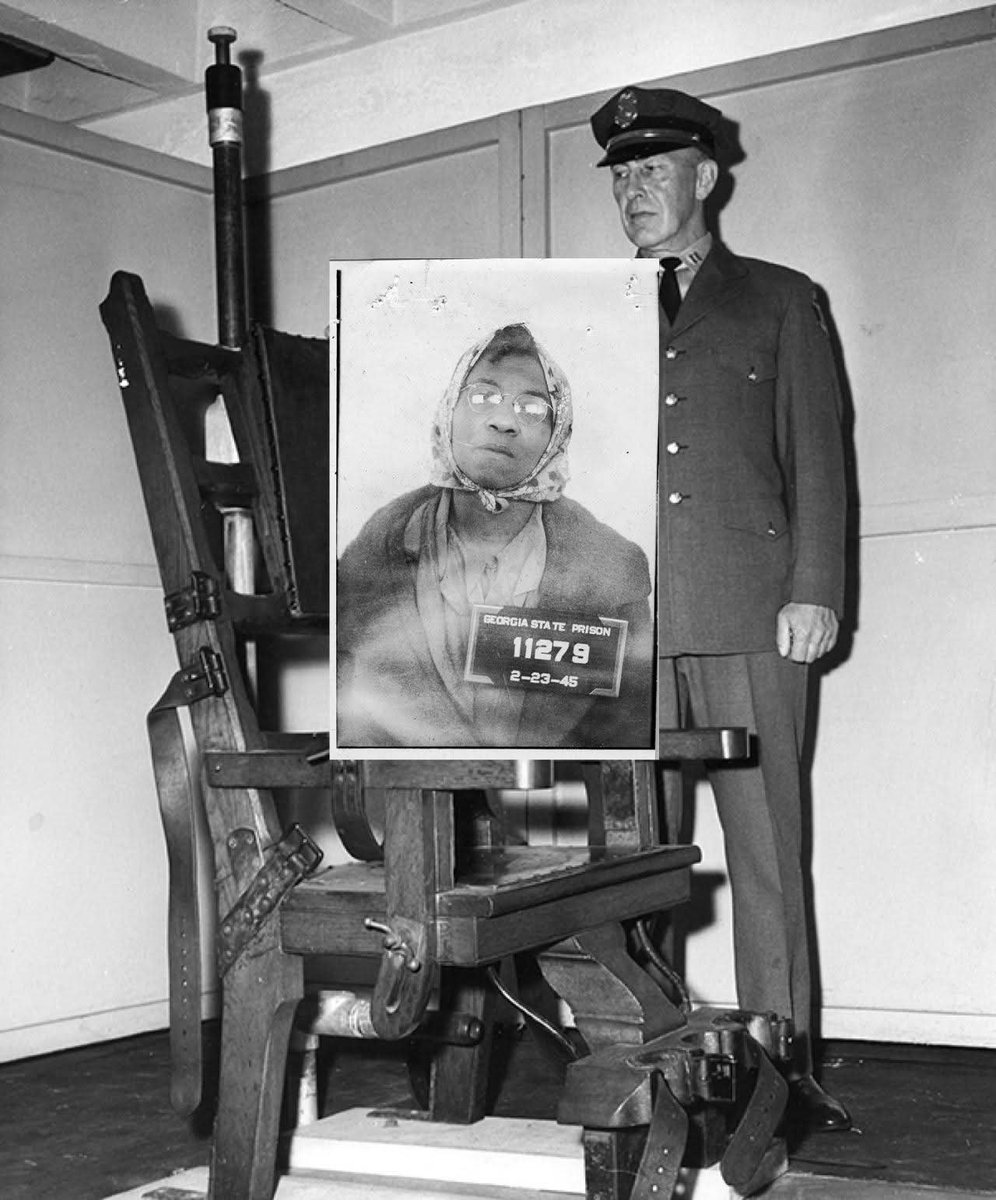
On March 5th, 1945, Lena Baker, a maid, mother of three and former cotton-picker, was the first woman to be executed in the state of Georgia. She was wrongly convicted for killing her white employer, Ernest Knight, after he held her captive for days and threatened to kill her if she went back home to her family. Knight promised to kill Lena Baker with an iron bar. She took his gun in self defense and shot Knight. She immediately reported the incident to the authorities and told them exactly what happened and how she shot him in self defense. She was charged with Capital Murder at trial by an all-white male jury. Baker was the only woman executed by electrocution in Georgia. 60 years later in 2005, Baker was granted an unconditional pardon by the state of Georgia.
Don’t forget Lena Baker!! She’s just like all of the innocent black lives lost today and desired to be forgotten and thrown away.
Parfois, ces histoires semblent remonter à longtemps, pourtant elles sont récentes. La vie des personnes noires a été difficile depuis le début. J’imagine la vie sans histoire. Si nous retrouvons notre histoire en tant que Nigérians, je peux seulement imaginer comment ce serait.
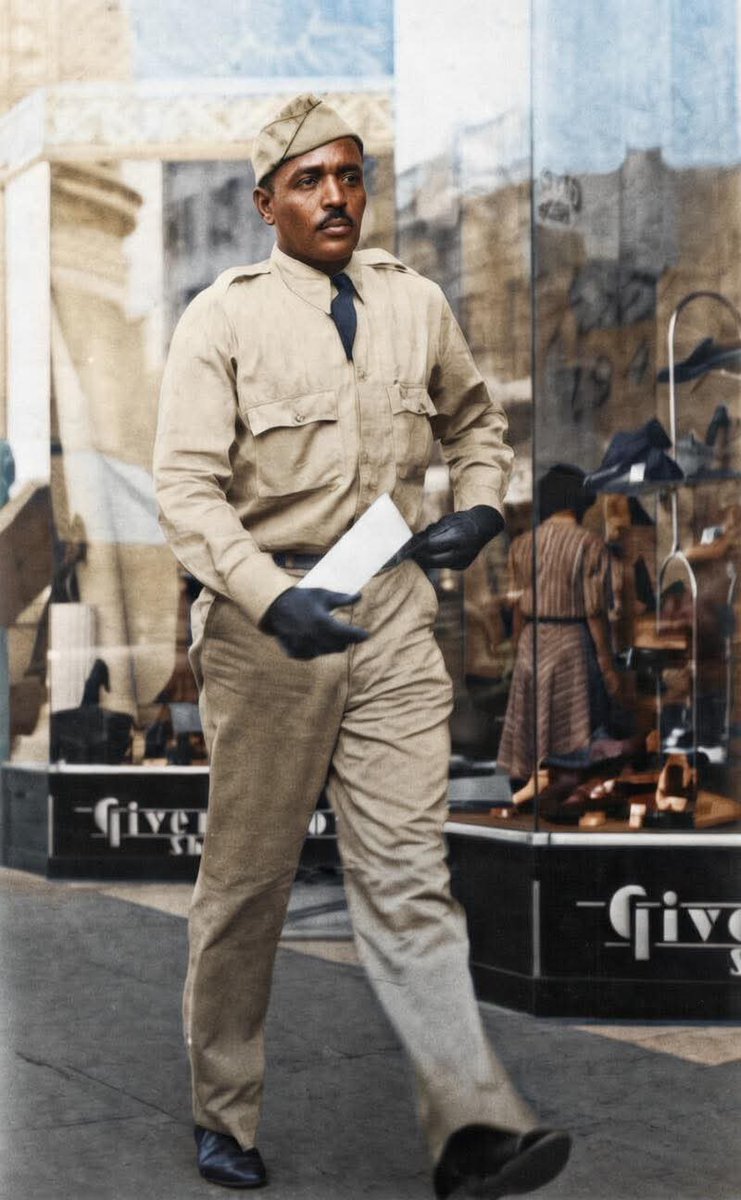
In 1946 WWII veteran Maceo Snipes was shot in his back by the KKK the day after he became the first Black person to cast a vote in Taylor County, Georgia.
After he was shot, Mr. Snipes walked three miles to the hospital with his mother. For six hours doctors left him waiting and bleeding. By the time he was seen, he needed a blood transfusion. The doctors said the hospital had no “black blood.” Snipes died two days later.
This is why I will vote in every election. The day I stop voting is the day I stop breathing. #DemsUnited #BlackHistoryWithLana
We are heartbroken by the passing of our friend @RealEricDane, a fierce advocate, a generous spirit, and a true champion in the movement to end ALS.
Eric used his platform not for attention, but for action. Read our full statement online: https://t.co/lUuuk1VuQx
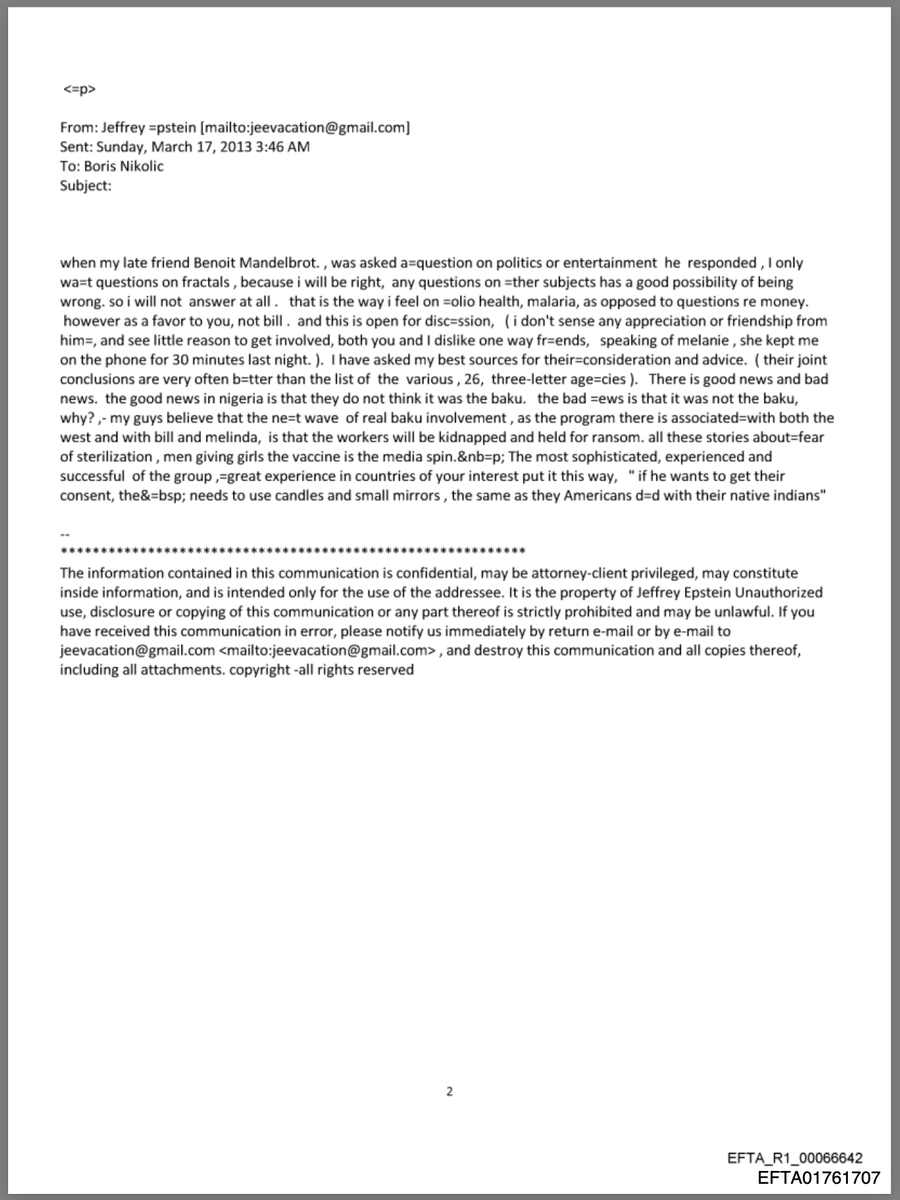
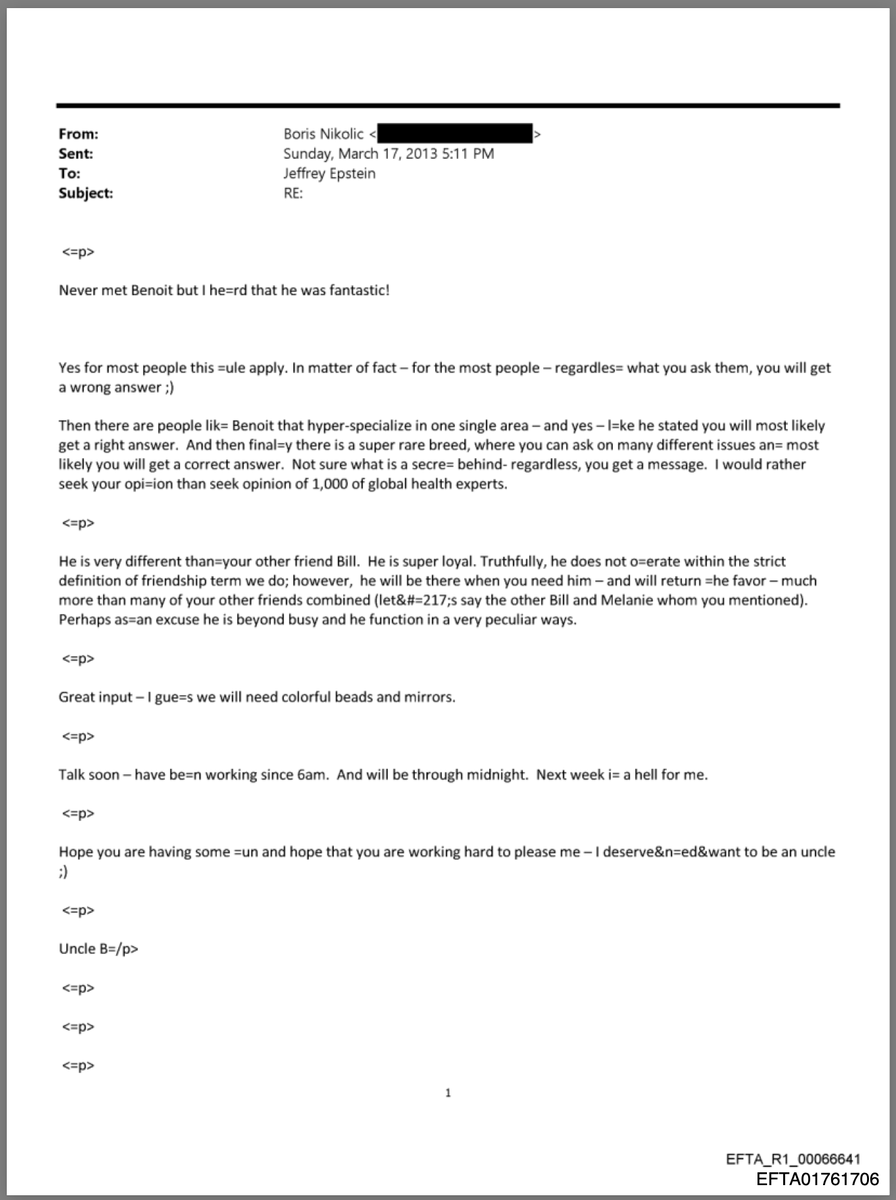
🚨 BREAKING: Newly released Epstein documents show Jeffrey Epstein and Bill Gates's science advisor Boris Nikolic privately discussed how to overcome African resistance to vaccination campaigns.
Their solution? "Candles and small mirrors, the same as the Americans did with their native Indians."
In a March 2013 email, Epstein tells Nikolic he consulted his "best sources" — people whose conclusions he says are "very often better than the list of the various 26 three-letter agencies."
The topic: Nigerian communities resisting a polio program "associated with both the west and with bill and melinda."
Epstein's source — described as "the most sophisticated, experienced and successful of the group, great experience in countries of your interest" — offered this advice:
"If he wants to get their consent, he needs to use candles and small mirrors, the same as the Americans did with their native Indians."
Nikolic's response?
"Great input — I guess we will need colorful beads and mirrors."
This is Bill Gates's senior science advisor — the man later named backup executor of Epstein's will — laughing along with a colonial metaphor about manufacturing consent from African populations.
Nigeria's distrust of Western vaccination wasn't irrational. In 1996, Pfizer tested an experimental drug on children during a meningitis outbreak in Kano. Eleven children died. The resulting Trovan scandal fueled decades of vaccine hesitancy across northern Nigeria.
But in this private exchange, African resistance isn't treated as a legitimate grievance rooted in lived experience.
It's treated as a problem to be outmaneuvered with trinkets.
Epstein also predicted that Boko Haram would begin kidnapping polio workers for ransom — a prediction that proved largely correct.
He wasn't guessing. He was receiving intelligence-grade analysis from sources he claimed outperformed the CIA.
And he was routing it directly to the man who controlled Bill Gates's scientific agenda.
Nikolic told Epstein: "I would rather seek your opinion than seek opinion of 1,000 of global health experts."
Think about that. The person advising the world's largest private health funder trusted a convicted sex offender's intelligence network more than the entire global health establishment.
Publicly, the Gates Foundation describes its work in Africa as "community-centered" and "evidence-based."
Privately, the people shaping that work compared winning African consent to trading beads with Native Americans.
That's not a communications problem.
That's a legitimacy problem.
📄 Source: EFTA01761706, released under the Epstein Files Transparency Act https://t.co/i2sTKOedWP
View my 5-part investigative series below: 🧵👇
@Stacks, unlike others, was built by people who actually respect Bitcoin. The mindset has never been about "we can do it better,” or “we shouldn’t touch it but let’s build around it, which is rare in crypto, and it reflects in the ARCHITECTURE, the TOOLING & community sentiments.
À la fin du jour, certaines choses ne sont pas naturelles. Je n’ai pas un problème avec féminisme, mais il doit être pratiqué avec logique et équilibre pour éviter certaines fins.
Le féminisme, c'est l'égalité, pas la lutte contre les hommes.
💔🇬🇧« Le féminisme a gâché ma vie » : à 63 ans, seule, elle regrette d’avoir rabaissé les hommes pendant des décennies.
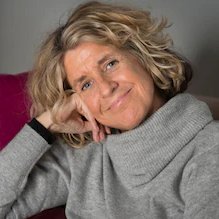
Kate Mulvey, une journaliste britannique de 63 ans, a publié en mars 2025 un témoignage poignant dans iNews.
Militante féministe convaincue depuis les années 1980, elle a consacré une grande partie de sa vie à critiquer les hommes, à les traiter comme des adversaires et à promouvoir une indépendance radicale, rejetant souvent les relations amoureuses ou familiales.
Aujourd’hui célibataire, sans enfants et isolée, elle exprime un regret profond : « J’ai repoussé les hommes, je les ai rabaissés, je me suis convaincue que je n’avais besoin de personne. Résultat : je suis seule, et c’est dur. Le féminisme m’a fait croire que c’était la liberté, mais ça m’a surtout laissée vide. »
Elle ne renie pas totalement les combats pour l’égalité, mais critique l’excès idéologique qui, selon elle, a détruit ses chances de vie de couple et de famille. (iNews, Demotivateur)
If and when $BTC ends up being the base layer for global value, then the most important question won't be “what’s the fastest chain?”
It’s: what can safely live close to Bitcoin without weakening it?
@Stacks feels like one of the few serious attempts at answering that question.
@reubs_btc@Stacks You can’t go wrong with this list. The innovation is already here. It’s being mostly noise everywhere. And I’d bet @Stacks is perhaps the only durable one that treats Bitcoin as a constraint, not an inconvenience.
One thing I noticed about @Stacks that’s different from most crypto ecosystems since day 1: People don’t talk about it in superlatives. They talk about it like infrastructure.
Less “this will 100x” and more “this is how Bitcoin finally becomes usable without breaking itself.”
@Stacks isn’t loud, and that might be its biggest weakness for now.
But long term, the systems that win usually aren’t the loudest, however they’re the ones people quietly depend on without thinking about them.
That’s the category I believe stacks seems to be aiming for. $STX