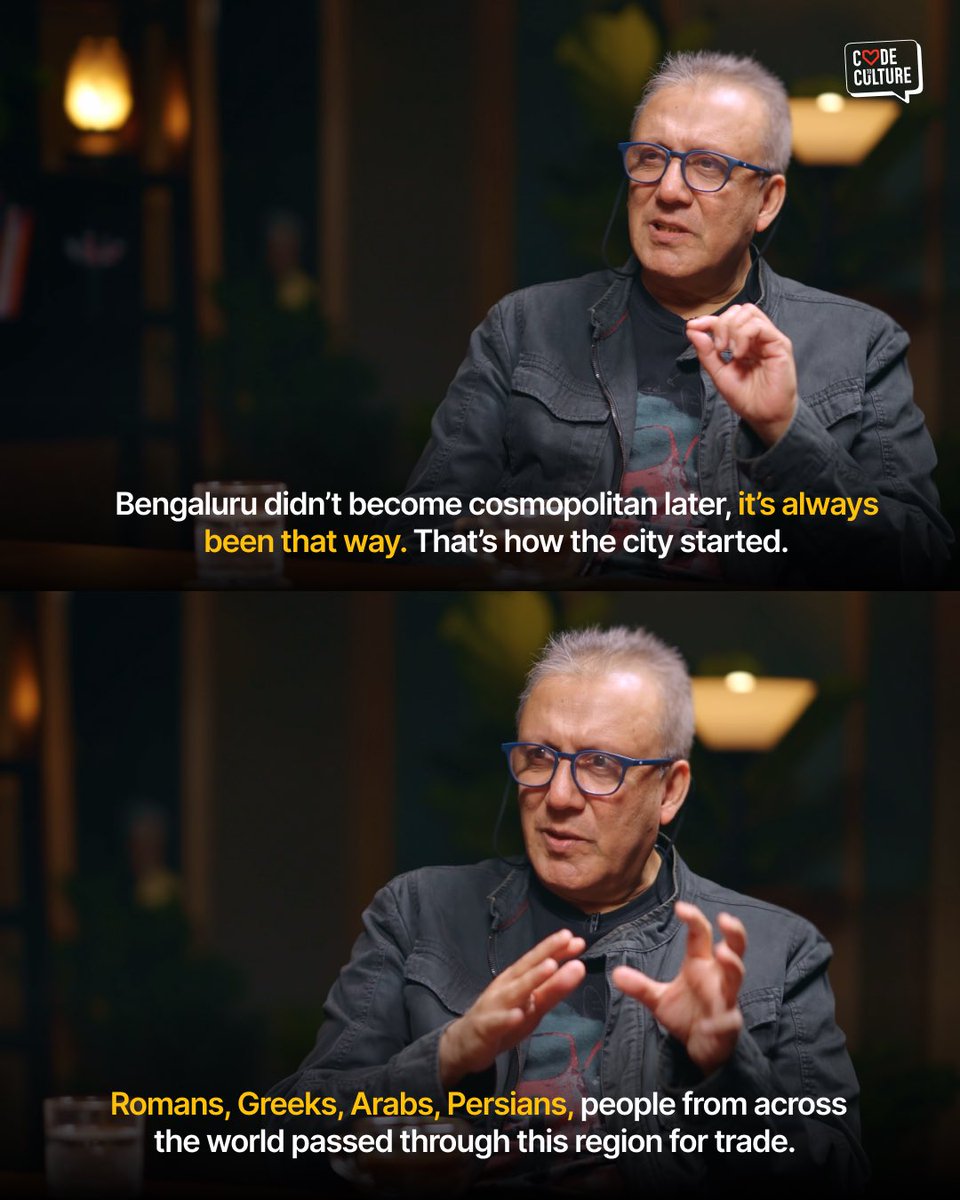
Bengaluru didn’t become global overnight. It was built that way over the decades.
After the war, people from across the world came here: Germans, Japanese, Engineers, Innovators.
Watch the full episode here: https://t.co/A49B1Ih1Sk
Not everyone experiences Bengaluru the same way. For some, Bengaluru wasn’t just roads and buildings; it was wildlife, rescue, and a deep connection with nature.
Listen to the full conversation here: https://t.co/A49B1Ih1Sk
Bengaluru’s nightlife wasn’t always what it is today.
There was a time of cabaret and live performances. Then came the shutdowns, the new rules and restrictions.
To know the full story, watch the full episode here: https://t.co/A49B1Ih1Sk
There was a time when Bengaluru felt smaller and more free.
You could cycle across the city. There were many more tree, silence, and space.
Bengaluru had a completely different way of living.
Watch the full conversation to know more: https://t.co/A49B1Ih1Sk
@GoyalMalini
Bengaluru wasn’t always as open and welcoming before.
Prem Koshy talks about the time when parts of the city were restricted. You needed permission to enter certain areas. And not everyone got it.
Watch the full episode to know more: https://t.co/A49B1Ih1Sk
@GoyalMalini
From attempting a hand glider jump at Nandi Hills to bike racing, sailing and scuba diving.
Prem Koshy talks about a version Bengaluru where adventure was part of everyday life.
Listen to the full story in detail here: https://t.co/A49B1Ih1Sk
@GoyalMalini
What happens when a city grows faster than its memory?
In Code to Culture by UnboxingBLR, @GoyalMalini speaks with Prem Koshy on Bengaluru’s shift. From a quiet, inclusive city to a global tech hub, and what we’re losing. Is this still the Bengaluru we love? Full ep coming soon!
Bengaluru is divided by geology.
Head west, the land turns rugged, ancient rock formations rising out of the Deccan Plateau.
Head east, it softens into paddy fields and waterlogged plains.
To know more, watch here:https://t.co/aSiVUAQVf2
In the 70s and 80s, Bengaluru had a thriving theatre scene. Corporate managers funded plays because they believed culture was important.
But what's happening today?
When did art become a spreadsheet? 🎭
To know the full story, watch the full episode here: https://t.co/aSiVUAQVf2
In the 1600s, the petes weren’t just a market; it was part of a larger imperial network where communication systems existed through messages sealed and sent across regions.
To know the full story, watch the full episode here: https://t.co/AoR1O6SG9R
Bengaluru has always been a wedding shopping destination. Families travelled here to buy silk sarees, wedding trousseaus, and everything that came with it. It was affordable to stay, shop, and turn it into a full experience.
Watch the full episode here: https://t.co/aSiVUAQVf2
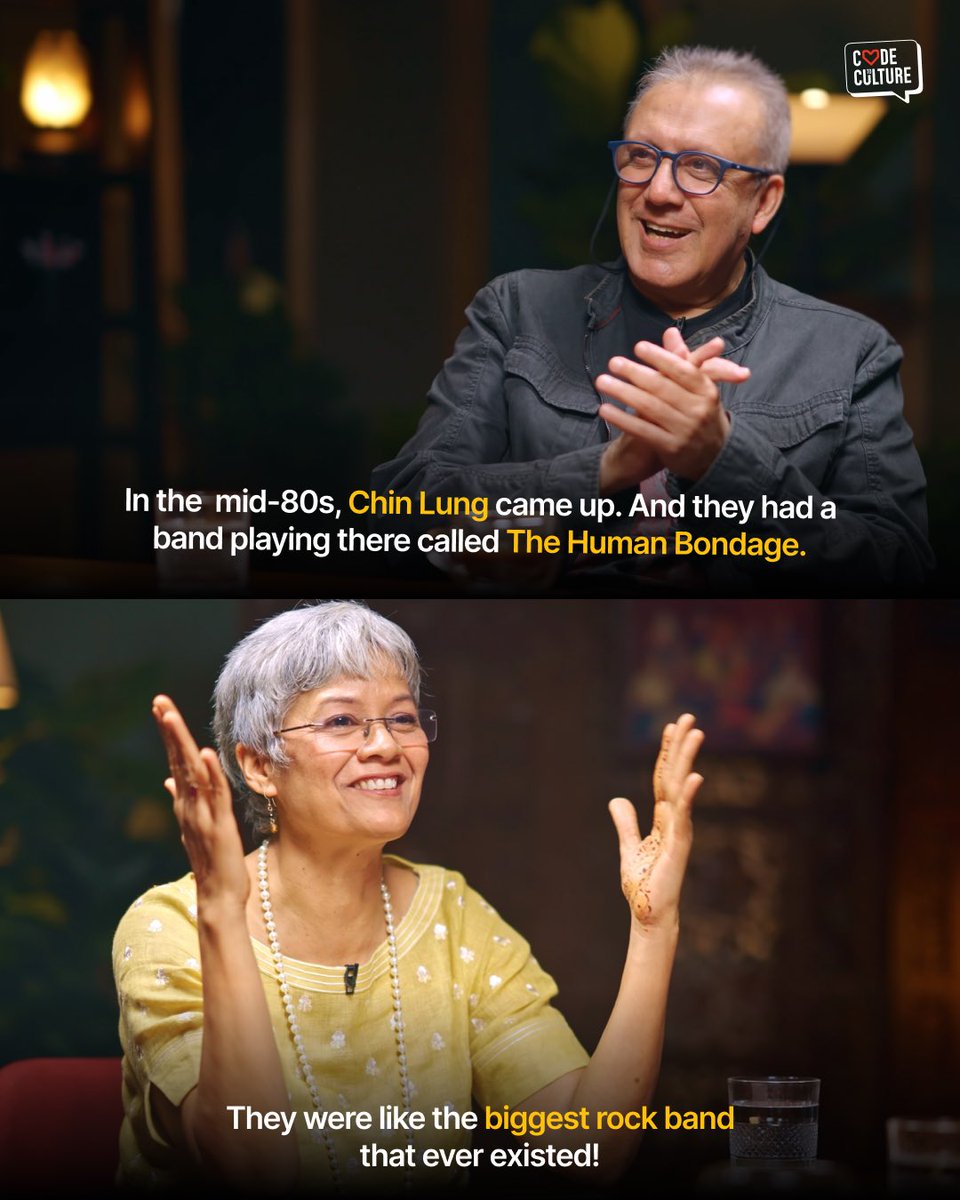
Before Bengaluru became the pub capital, it had a restaurant culture.
In the 70s and 80s, there were no flashy nightclubs. It was a quieter, simpler city, where culture grew one table at a time.
Watch full EP here: https://t.co/lLpoJyUmbp
@ramjeechandran@GoyalMalini
Great cities rise beside rivers or coasts or fertile plains. We sit 3,000 feet above sea level, on a landlocked area with no major water body nearby. So why did traders choose to climb this plateau?
Watch the full story here: https://t.co/feKL4O7Vl0
@GoyalMalini@ramjeechandran
In 1996, Cubbon Park was being buried under debris. A cover story by @ramjeechandran sparked a PIL and judicial intervention that stopped the encroachments. The park survived because citizens fought for it.
Watch it full episode here: https://t.co/aSiVUAQnpu
@GoyalMalini
Bengaluru didn’t begin in 1537.
From the Western Ganga dynasty to Chola trade routes, Kempegowda’s Pete & the British Cantonment, this episode traces the real history of Bangalore.
Trade. Migration. Identity. Full EP dropping soon!
@GoyalMalini@ramjeechandran#CodetoCulture