Someone open-sourced an Android emulator that runs in Docker.
It's called docker-android. One docker command spins up a complete Android device with ADB port-forwarding, KVM, and GPU acceleration.. fully headless and CI-ready.
100% Open Source.
🚨BREAKING: Huawei just launched an 18-inch laptop that folds down to 13 inches.
It’s called the MateBook Fold. And it has no built-in keyboard.
Not a gimmick. A signal.
For decades, computers were designed around typing. Huawei just asked what happens when the keyboard is no longer the center of the device.
What you get instead:
A full 18.3” OLED display that folds like a book. Virtual keyboard built in. Bluetooth keyboard optional. Touch, AI, and voice doing the rest.
The specs back it up:
→ 3.3K dual-layer OLED, 1600 nits
→ Kirin X90 chip, 32GB RAM
→ 1TB/2TB SSD, 74.7Wh battery
→ 1.16kg at 7.3mm thin when unfolded
→ HarmonyOS 5, Wi-Fi 7, 6 speakers, 8MP camera
Huawei still calls it a laptop.
But this is clearly something else. Part tablet, part screen, part laptop, and possibly the clearest sign yet that the keyboard era is ending.
Once the keyboard stops being the default, the entire definition of what a computer is starts to shift.
This is not just a new product. It is a test of what comes after the laptop.
The companies that get this transition right will redefine personal computing faster than most people expect.
Are we moving toward screens that adapt to us, instead of us adapting to the device?
🚨BREAKING: Huawei just launched an 18-inch laptop that folds down to 13 inches.
It’s called the MateBook Fold. And it has no built-in keyboard.
Not a gimmick. A signal.
For decades, computers were designed around typing. Huawei just asked what happens when the keyboard is no longer the center of the device.
What you get instead:
A full 18.3” OLED display that folds like a book. Virtual keyboard built in. Bluetooth keyboard optional. Touch, AI, and voice doing the rest.
The specs back it up:
→ 3.3K dual-layer OLED, 1600 nits
→ Kirin X90 chip, 32GB RAM
→ 1TB/2TB SSD, 74.7Wh battery
→ 1.16kg at 7.3mm thin when unfolded
→ HarmonyOS 5, Wi-Fi 7, 6 speakers, 8MP camera
Huawei still calls it a laptop.
But this is clearly something else. Part tablet, part screen, part laptop, and possibly the clearest sign yet that the keyboard era is ending.
Once the keyboard stops being the default, the entire definition of what a computer is starts to shift.
This is not just a new product. It is a test of what comes after the laptop.
The companies that get this transition right will redefine personal computing faster than most people expect.
Are we moving toward screens that adapt to us, instead of us adapting to the device?
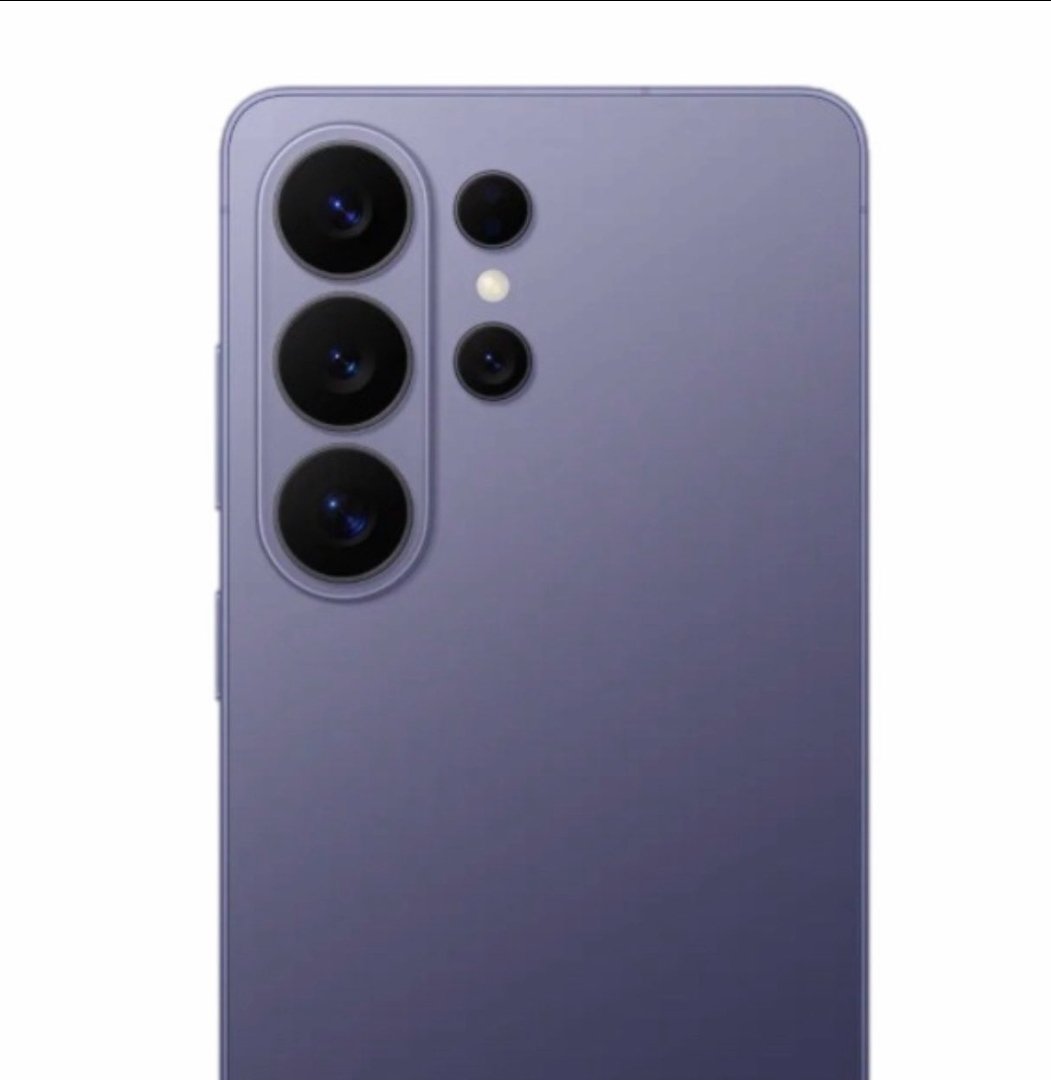
Things I've learned since the S26 series was announced:
- Even Samsung users don’t want to upgrade
- Samsung innovates by switching from Titanium to Aluminum
- Apple copies Samsung but it’s never the other way around. Never.
- Innovation only counts when it’s Samsung
- Still no MagSafe in 2026 💀
- iPhone 17 > S26
- People can now watch feet videos with peace of mind knowing no one can see their displays in public 👀
- After 18 years Samsung can finally compete with iPhone video 👏
- Apple is still the king of keynotes