A stop clause gives theatre owners the right to end a show’s run if weekly grosses fall below a set threshold—making room for a potentially more profitable production. For producers and investors, it’s a reminder: strong sales keep the curtain up.
#TheatreWordOfTheWeek
First class rights grant producers the exclusive ability to mount a new play or musical in Broadway-level productions within specific territories (like the U.S., U.K., or Canada). It’s the key that opens the door to Broadway.
Another step in decoding the business of theatre.
Every dollar counts when marketing a show. ROAS measures how much revenue advertising generates compared to its cost. For investors, it’s one way we ensure every marketing dollar is working hard to drive ticket sales.
Knowledge is the first step to investment.
During tech week, actors and crew often work a 10 out of 12—a 12-hour day with two hours of breaks. It’s intense, but it’s how productions make big leaps forward before opening night.
Behind the curtain: #TheatreWordOfTheWeek
A four-wall deal is when a producer rents a theatre outright, taking on all the risk—and all the reward. Unlike traditional rentals, there’s no revenue share. It’s gutsy, but sometimes the best way to make a show happen.
#TheatreWordOfTheWeek
Many contracts require a qualifying period—a minimum number of performances before producers can retain future rights. For investors, this milestone matters: it unlocks potential revenue streams like tours or adaptations.
#TheatreWordOfTheWeek
In producer-speak, a wrap is simply the ticket sales total for a set period. Daily or weekly wraps are how we track a show’s health—and how we measure progress toward recoupment.
Every week, a new theatre word.
#TheatreWordOfTheWeek
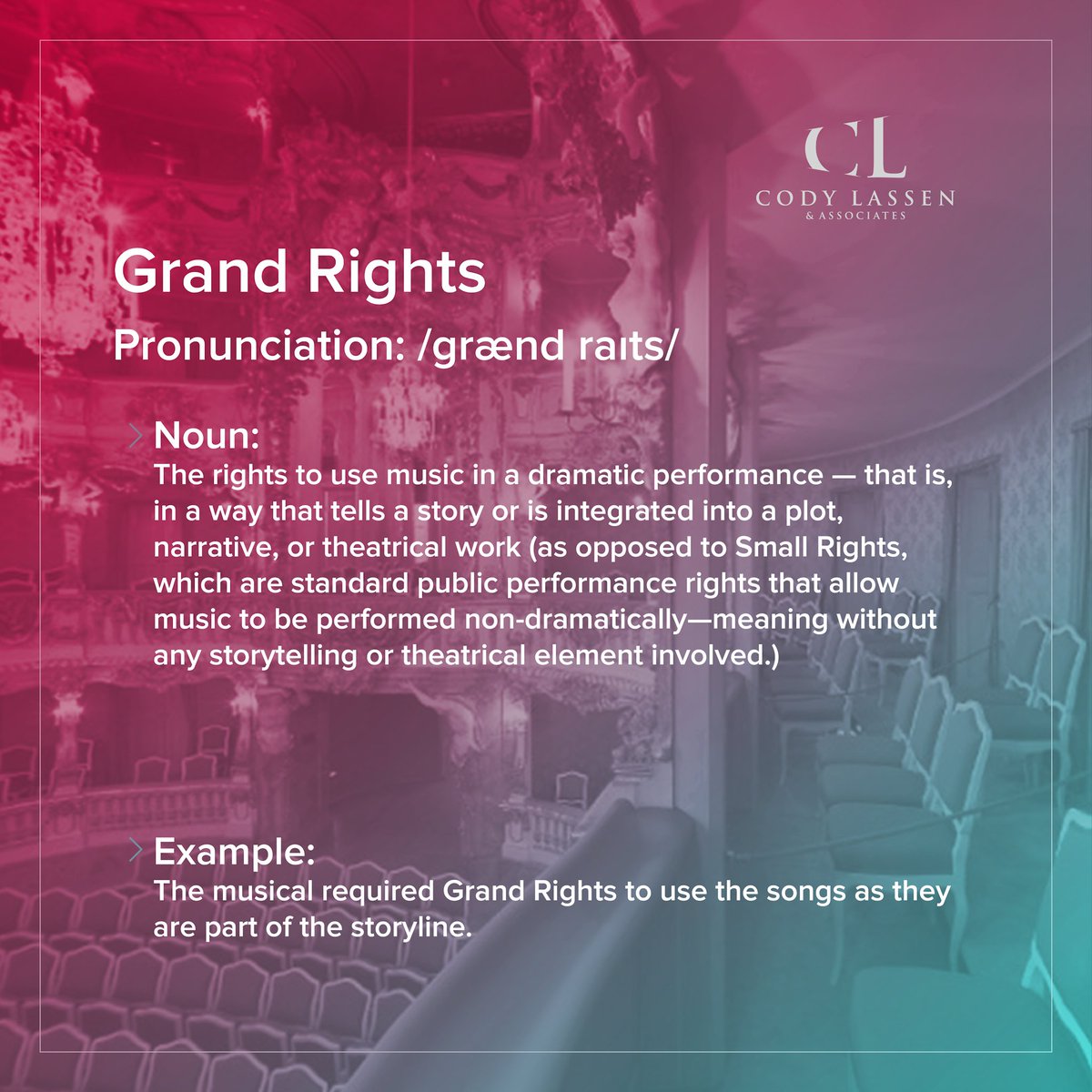
When music is used as part of a story onstage, you need Grand Rights. Unlike standard performance licenses, they cover music that’s woven into the drama itself—essential for every musical.
Theatre terms, simplified. #TheatreWordOfTheWeek
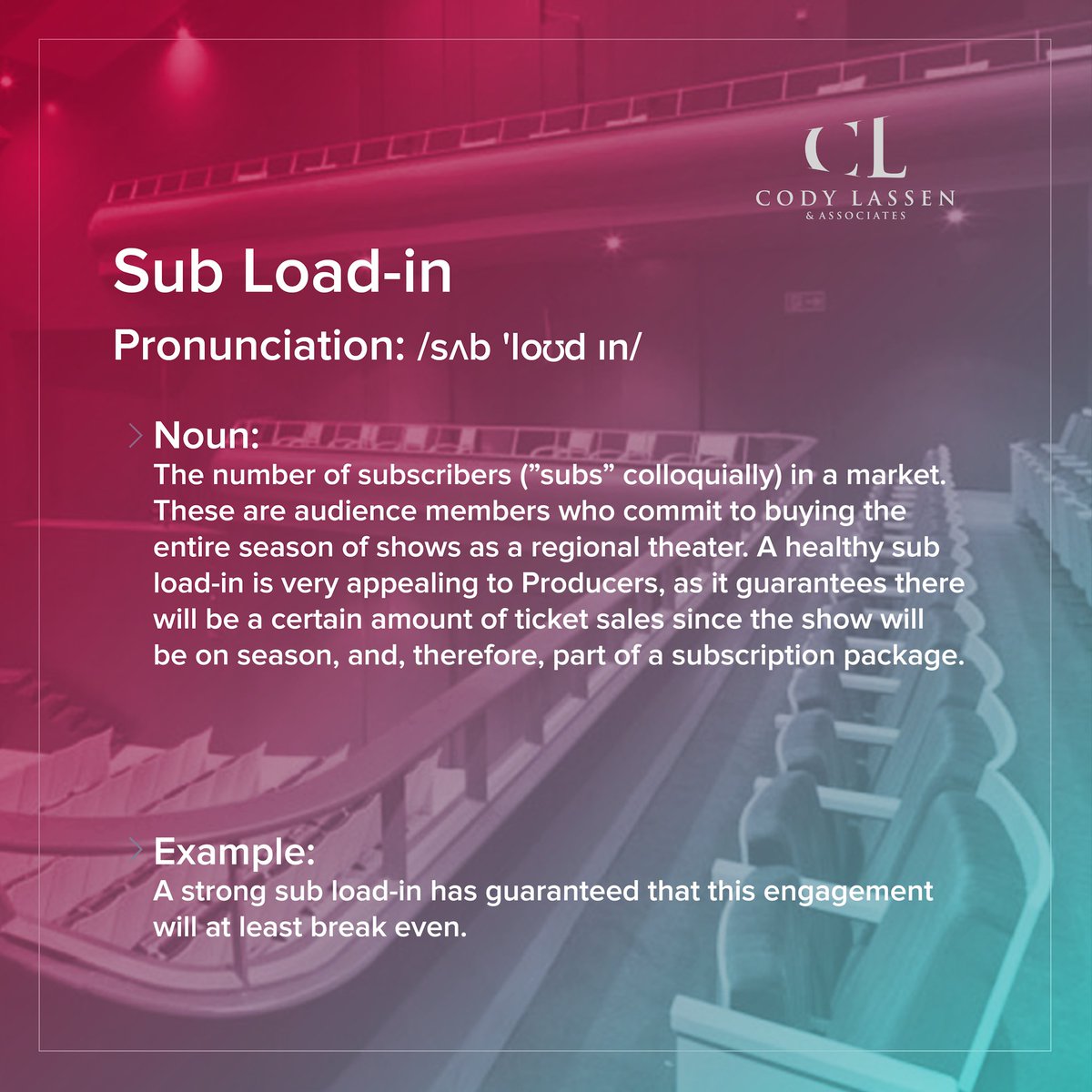
A sub load-in refers to how many subscribers commit to an entire season of shows at a theatre. For producers (and investors), a healthy sub load-in is gold—it means guaranteed ticket sales before a show even opens.
Behind the curtain: Word of the Week.
#TheatreWordOfTheWeek
I had a fantastic time with INTIX buddy and CEO of Gatemaster Tech Sondra Shannon about why data-driven decision making matters (even in theme parks and on Broadway!)
https://t.co/JuPY4XF4Hw
Beyond the stage, a show’s value often lives in subsidiary rights—film adaptations, cast albums, merchandise, and more. These can generate long-tail revenue, making them an important part of any investor conversation.
From page to stage, and beyond.
#TheatreWordOfTheWeek
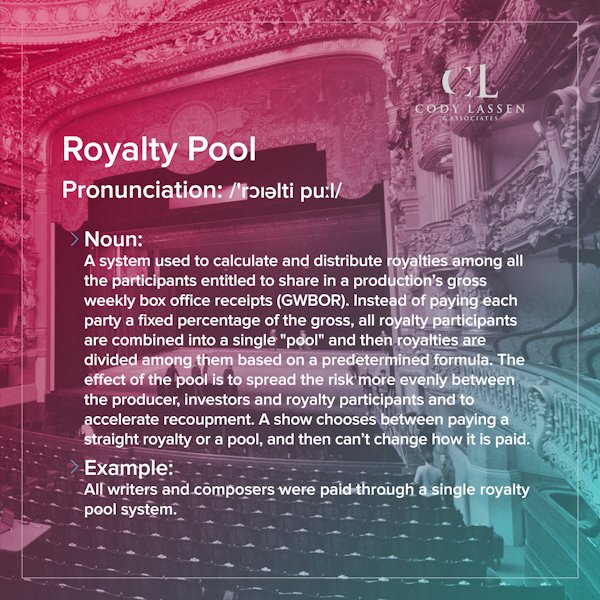
Instead of each participant getting a fixed slice of the gross, a royalty pool combines everyone’s share into one system. It spreads the risk more evenly among producers, investors, and royalty participants—helping shows recoup faster.
Every show starts with people who carry the torch long before there’s revenue to be made. Torchbearer points recognize and reward those early creative collaborators. They’re a way of saying: “We wouldn’t be here without you.”
From an unannounced late night performance in a 150 seat theater in the basement of a Gristedes, to Off-Broadway, to Vegas, and now to the 10,000 seat @OLGStage at Fallsview, @Hyprov is the little show that could. https://t.co/dBSMtpqqjd
Ever heard someone say, “Don’t forget to include the oh four five”? It’s not a cryptic code — the 045 is a decades-old agreement where Broadway producers contribute a % of the weekly gross box office into union pension & benefit funds. What jargon should we break down next?
When a UK-born production transfers to Broadway (or another market), there’s often more happening behind the curtain than just a new cast and location. Enter the British Flip. It’s one of the many financial tools that make global theatrical storytelling possible—and sustainable.
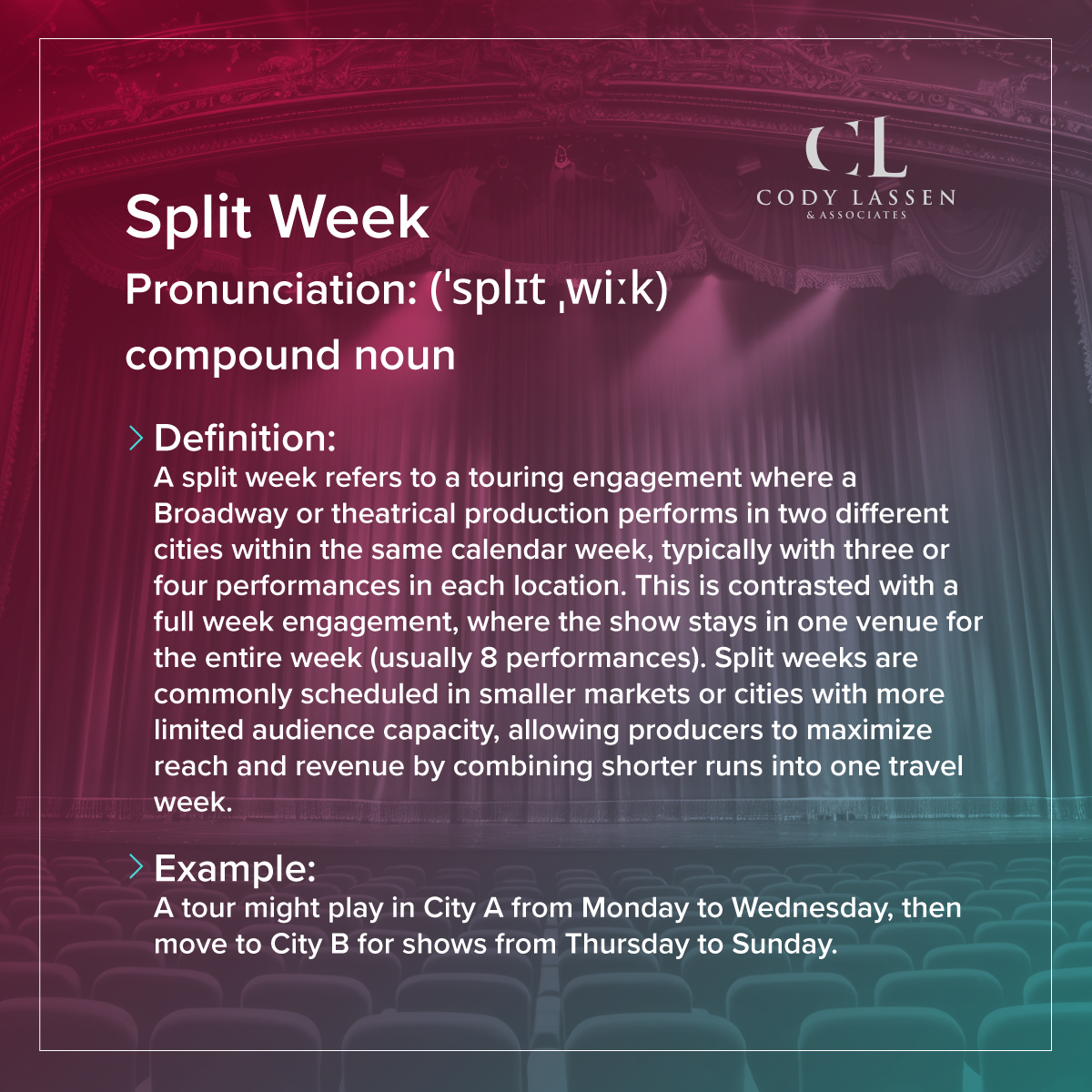
A Split Week refers to a touring schedule where a production plays two different cities in the same calendar week. It’s a smart way to keep the show on the road—literally and financially.
Thrilled to be featured in @StageLightMag with friends and collaborators @bmorenow2 and @RobFinchCGC! Our paths may differ, but we unite on stage, sharing stories we believe in. Proud of our work and the friendships we've built along the way.
https://t.co/u4TBvMYHTY
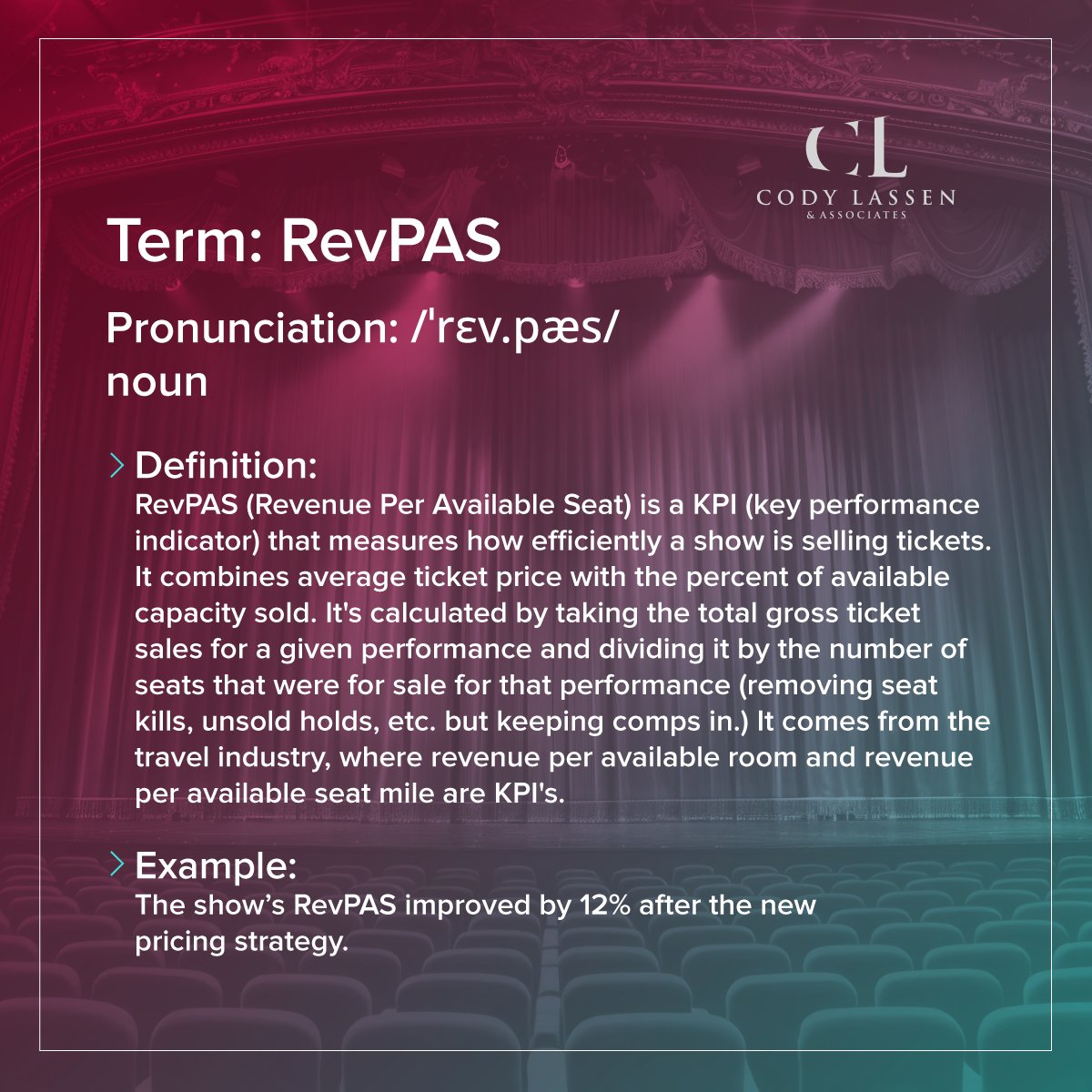
In the business of live performance, every seat counts—literally. It’s not just about selling tickets. It’s about selling efficiently. It measures how well shows convert seats into income (and if you've worked on a show with us, you know it's the KPI I find most important.)