From policy to practice: Reference Framework of Competences for Democratic Culture (RFCDC)
Ten years after the launch of the Reference Framework of Competences for Democratic Culture, the Republic of Moldova has become one of Europe’s leading examples of how democratic values can be embedded across an entire education system—from general education to vocational training.
An inspiring story of turning a European framework into lasting educational reform.
Read the full article here: https://t.co/TpTFnoHxbk
#Education #Democracy #HumanRightsEducation #RFCDC #Moldova #CouncilOfEurope
The latest edition of the Go Digital! Newsletter from the Council of Europe is now available: https://t.co/jThKUmQ4bX 🚀
This edition features upcoming discussions on:
🔹 Teachers and digital technologies
🔹 Video games and digital citizenship
🔹 AI ethics in education
If you are interested in participating in the upcoming events related:
📌 Launch: Survey – Teachers and Digital Technologies
🗓 2 June 2026 | 16:00–16:45 CEST
🎮 EduTalks — “Keep on Playing, Keep on Growing”
🗓 10 June 2026 | 14:00–15:30 CEST
🤖 EduTalks — “From Principles to Practice: Türkiye's National Framework for AI Ethics in Education”
🗓 17 June 2026 | 14:00–15:00 CEST
�� If you want to hear from us, don't forget to subscribe to Go Digital! here: https://t.co/yWgWLECvUH
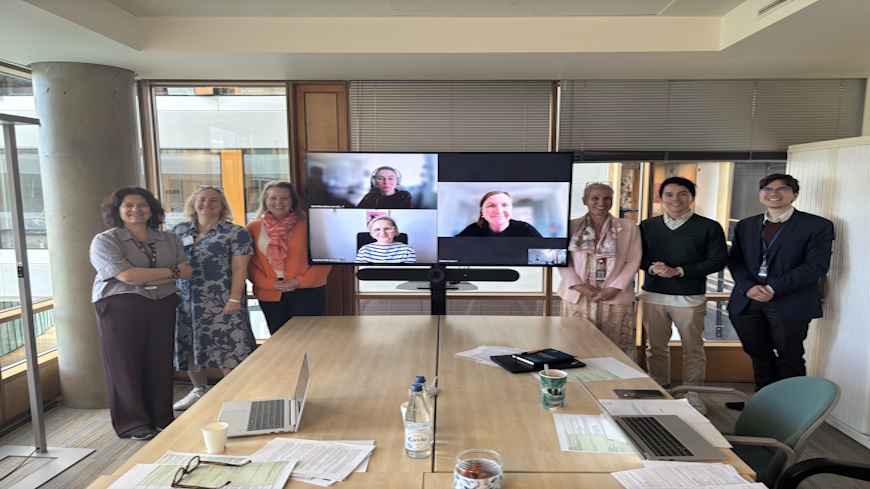
Education for Democratic Citizenship was at the centre of discussions during the 16th plenary meeting of the Education Policy Advisors’ Network (EPAN), held this week at the Council of Europe in Strasbourg.
Experts from across Europe exchanged on the European Space for Citizenship Education (ESCE), the emerging Principles for Education for Democratic Citizenship, and the new Quality Framework for Education for Democratic Citizenship.
The meeting also addressed digital citizenship education, AI literacy, and recent national developments linked to the implementation of the RFCDC.
➡️ Read more: https://t.co/oRzkzEL5PP
#EuropeanSpaceforDemocraticCitizenship #CouncilofEurope #EPAN
♀️♂️ 📚 The Gender Equality in Education Scorecard rapidly advances at the third Working Group meeting (29-30 April)!
The Working Group discussed how to best develop indicators for a new and innovative self-evaluation tool to measure gender equality in education in Europe for education institutions and policy makers based on state-of-the-art literature.
Read more at ➡️: https://t.co/N8bJ3JeNDU
#GenderEquality #GenderEqualityScorecard #GenderEqualityinEducation #GESC
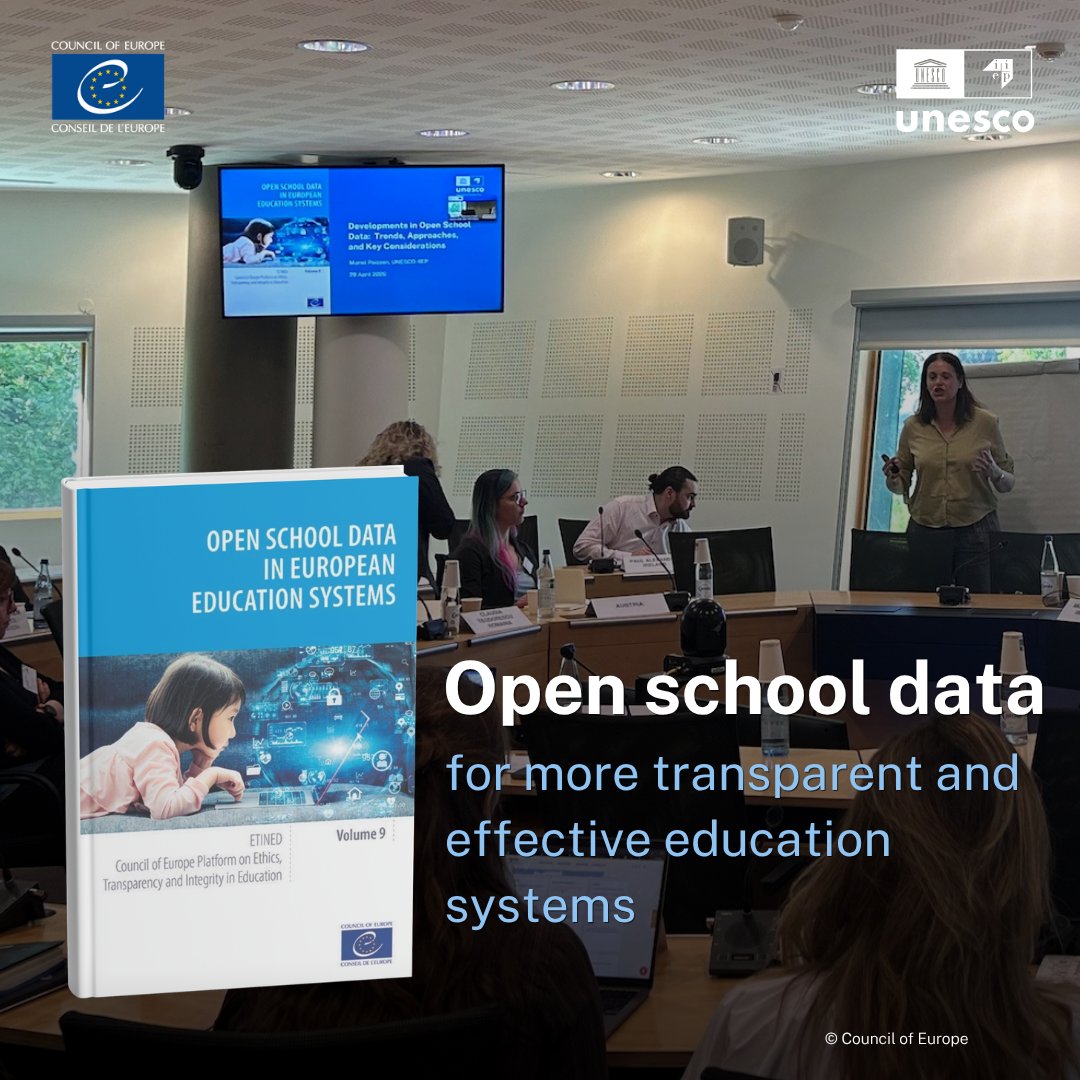
Today, a workshop on Open School Data was held at the Council of Europe in Strasbourg. The event was organised by the Education Department, through the ETINED Platform in collaboration with the International Institute for Educational Planning @IIEP_UNESCO,
Bringing together a diverse range of stakeholders, the workshop explored how open school data can strengthen transparency, support evidence-based research, and build public trust. Discussions also addressed key challenges related to data use, interpretation, and clear, responsible communication.
The event featured rich exchanges, practical insights, and a strong, shared commitment to advancing transparency in education and fostering more effective education systems.
A report will be published soon and available online at: https://t.co/82pDl8lp0y
At the OECD #SkillsSummit2026 in Istanbul, the @Coe_Education made the case: democratic resilience is not separate from skills policy — it is a condition for it working. AI literacy is a civic competence.
Teachers must be empowered, not replaced, and democratic societies must decide sovereignly how AI enters education. 🎓🏛️
🔗 https://t.co/es6kh7K7qO
How can partnerships between cultural institutions and education systems empower young people to engage in democratic life?
This question was at the heart of discussions during a meeting of the Committee on Culture, Science, Education and Media of the Parliamentary Assembly of the Council of Europe.
The Council of Europe Education Department highlighted how cooperation between schools, museums and cultural institutions can empower young people with the knowledge, skills and values needed for active democratic participation.
The exchange took place alongside the 2026 Council of Europe Museum Prize, awarded to Young V&A for its contribution to cultural heritage, human rights and intercultural dialogue.
🔗 Read more by clicking below:
https://t.co/4mUMJIuol2
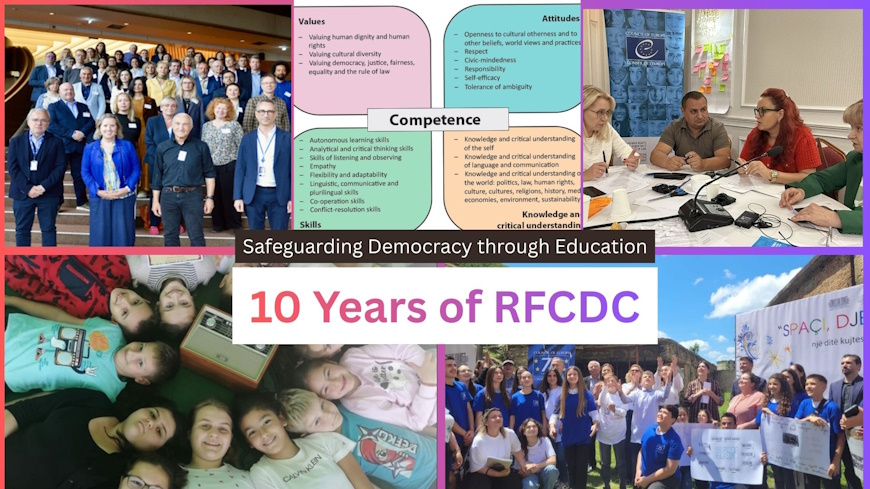
🎉 Celebrating 10 years of the Council of Europe’s Reference Framework of Competences for Democratic Culture (RFCDC).
Developed in response to rising populism and pressures on democratic values, the framework defines 20 key competences — spanning values, attitudes, skills, knowledge and critical understanding — essential for living in democratic and diverse societies.
A decade on, the RFCDC continues to support education systems in fostering active, informed and responsible citizens.
At a time when democratic values face increasing challenges, its role in promoting participation, inclusion and critical thinking is more important than ever.
🔗 Read more: https://t.co/LMmNvvq6y1
📢 New report: Council of Europe reviews progress of member States on digital citizenship education
The Council of Europe has published a new report on how countries promote digital citizenship education, highlighting both progress and areas for improvement for a safe digital democracy.
The publication looks at:
- national strategies and policies, as well as European and international frameworks;
- online safety, media literacy and digital participation;
- how to foster greater exchange of good practices and alignment with broader educational frameworks.
The findings contribute to the momentum of the European Year of Digital Citizenship Education 2025.
👉 Read more: https://t.co/DMPdt4Th2P
#DigitalCitizenship #OnlineSafety #MediaLiteracy #DCE2025
📘 New Council of Europe Publication on History Education
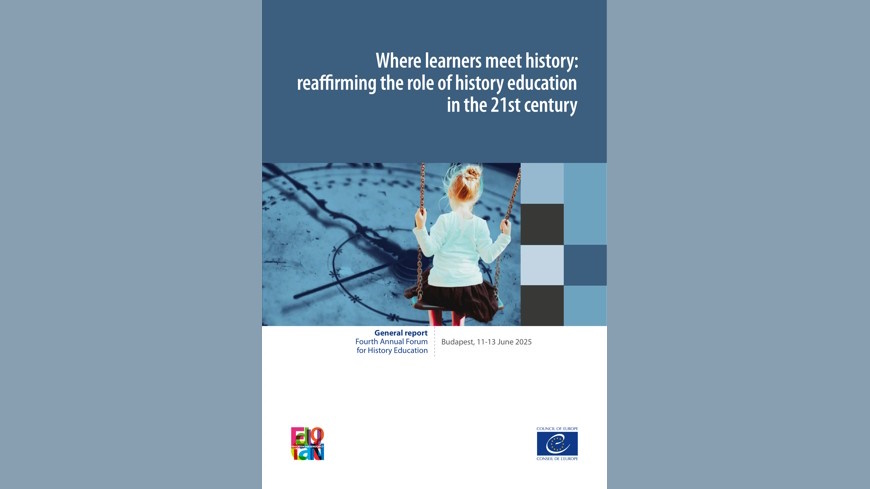
The General Report of the 4th Annual Forum on History Education of the Council of Europe is now available.
It highlights the key role of history education in strengthening democracy in the 21st century.
👉 Read the publication: https://t.co/7xKHb2iG2F
#HistoryEducation #Democracy #CouncilOfEurope
//
📘 Nouvelle Publication du Conseil de l’Europe sur l’éducation à l’histoire
Le rapport du 4ᵉ Forum annuel sur l’éducation à l’histoire du Conseil de l’Europe est désormais disponible.
Il met en lumière le rôle essentiel de l’éducation à l’histoire pour la démocratie au XXIᵉ siècle.
👉 Lire la publication: https://t.co/7xKHb2iG2F (en anglais)
#HistoryEducation #Democracy #CouncilOfEurope
The @coe launches today the drafting of a new Convention on automatic recognition of higher education qualifications.
🎓 A major contribution to Bologna Process
🤝 Building trust through transparency & quality assurance
#HigherEducation#StudentMobility#AutomaticRecognition
The Committee of Experts on Artificial Intelligence and @CoE_Education (EDU-IA) held its first meeting 14-15/1/26
Experts agreed on key tools, guidelines & a future legal instrument to support responsible, learner-centred AI in education.
#AIinEducation#EdTech
2025 is soon coming to an end...
What are the key highlights of the European Year of Digital Citizenship Education 2025?
Watch the video to find out ⤵️
https://t.co/vlpL5vKb0B
#LearnConnectEngageThrive#DigitalCitizenshipEducation