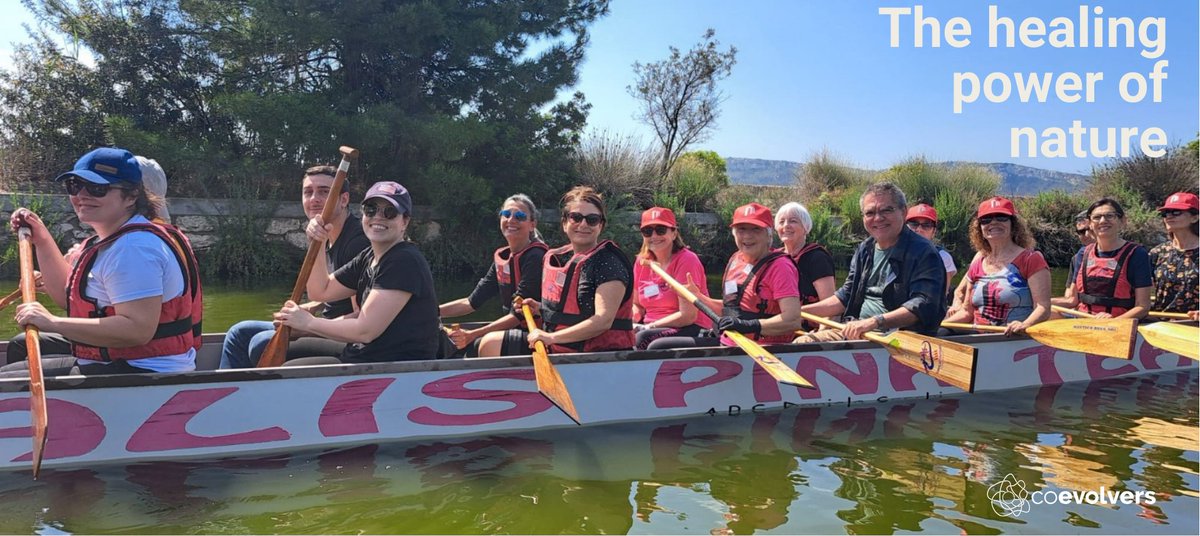
At the Xmas gathering, the Hungarian Living Lab has handed over the final landscape plan of the #HealingGarden for the Boldog Gellért Pshychiatric Hospital, developed through #ParticipatoryPlanning in order to increase the well-being of both human and non-humans!
Beáta Pántya and Orsolya Lazányi have presented about 𝐑𝐞𝐯𝐞𝐚𝐥𝐢𝐧𝐠 𝐌𝐨𝐫𝐞-𝐭𝐡𝐚𝐧-𝐡𝐮𝐦𝐚𝐧 𝐁𝐞𝐢𝐧𝐠𝐬 𝐓𝐡𝐫𝐨𝐮𝐠𝐡 𝐀𝐫𝐭-𝐁𝐚𝐬𝐞𝐝 𝐌𝐮𝐥𝐭𝐢𝐬𝐞𝐧𝐬𝐨𝐫𝐲 𝐌𝐞𝐭𝐡𝐨𝐝𝐬 𝐢𝐧 𝐇𝐞𝐚𝐥𝐢𝐧𝐠 𝐆𝐚𝐫𝐝𝐞𝐧 𝐃𝐞𝐬𝐢𝐠𝐧 at the conference in Prague.
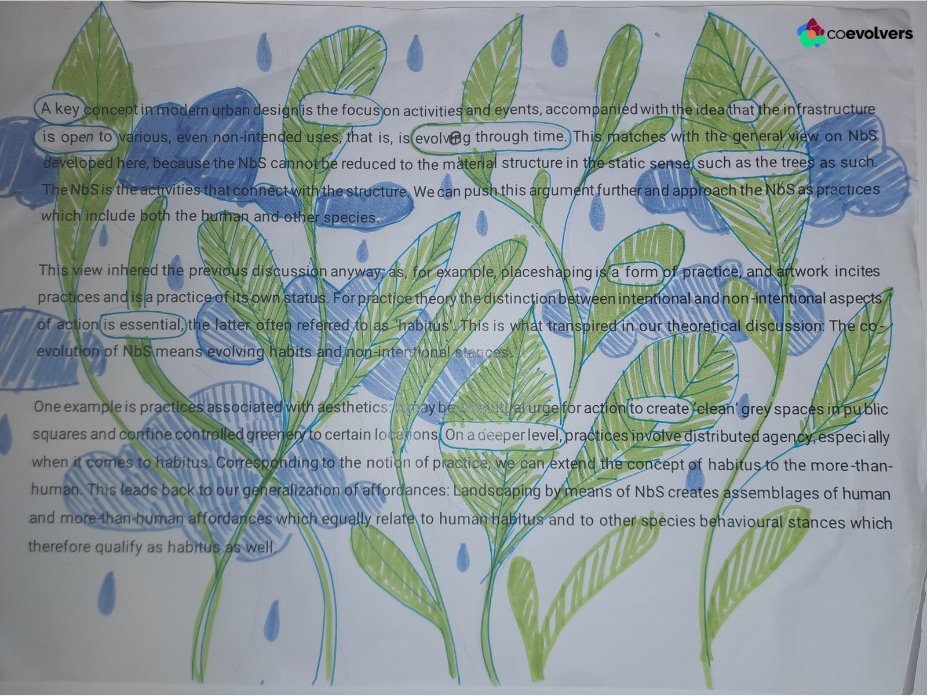
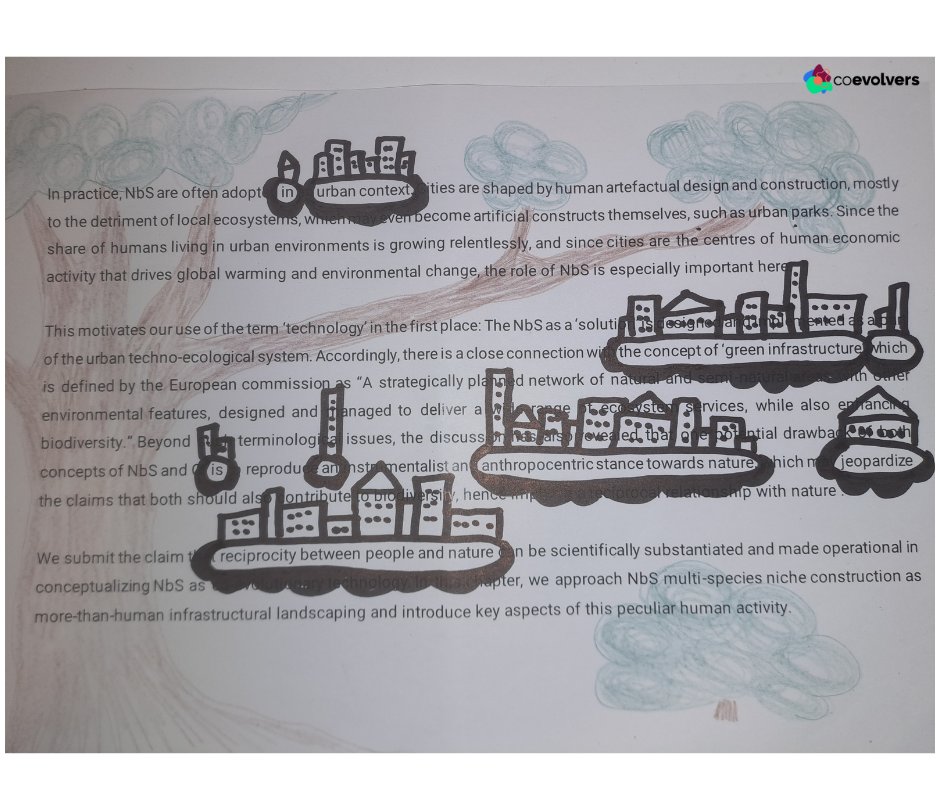
We trained ourselves to write super-short messages, when we slowly began the final project year as a preparation for some new communication tools. We chose the technique known as blackout poetry to extract short messages from project deliverables. Look at the amazing creations!
🍄It is with a heavy heart that we leave the beautiful countryside of Scotland, where the The James Hutton Institute organized our annual meeting. We learned a lot about local #NatureBasedSolutions and how much the Scottish people care about nature. 🌲🦌
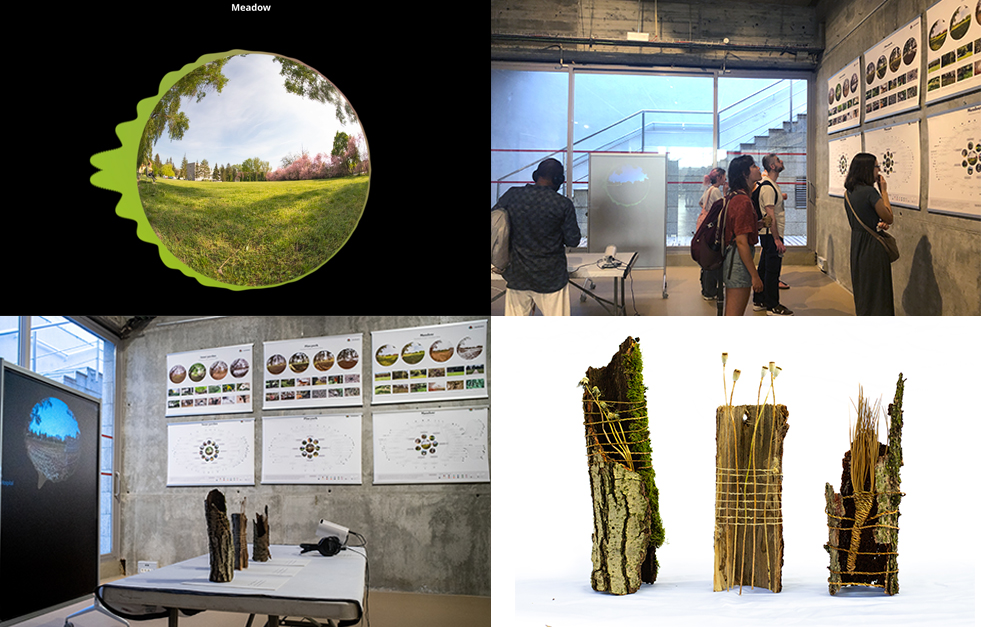
🌱 𝐓𝐡𝐞 𝐇𝐞𝐚𝐥𝐢𝐧𝐠 𝐆𝐚𝐫𝐝𝐞𝐧 𝐢𝐧𝐬𝐭𝐚𝐥𝐥𝐚𝐭𝐢𝐨𝐧 was presented at the 2nd International Congress of Ecological Humanities at the University Pompeu Fabra, by our Hungarian Living Lab researcher, @Beáta Pántya.
https://t.co/DtRgACHFfe
Our colleague, Silvana Mula, from the Sardinian Living Lab, had the opportunity to explore nature-based activities in a small island on the Carribean Sea, in Carriacou. She arrived shortly after a hurricane hit the island with devastating force.
https://t.co/tjM6h7z6aB
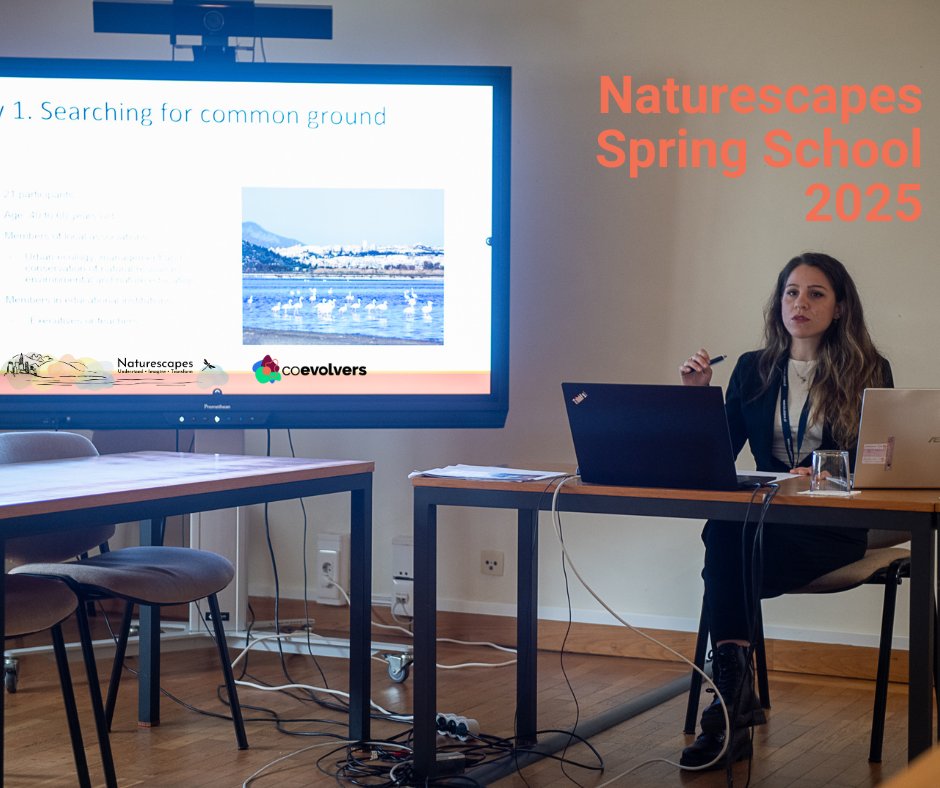
Our colleague participated at the @naturescapes30 Spring School and spread the news about our Living Lab of Sardinia.
Read Vanessa Pinna's blog post here: https://t.co/C1iiZrVS5N
🐾🌳🌍🦋🐛🌱🍄🐞🐝
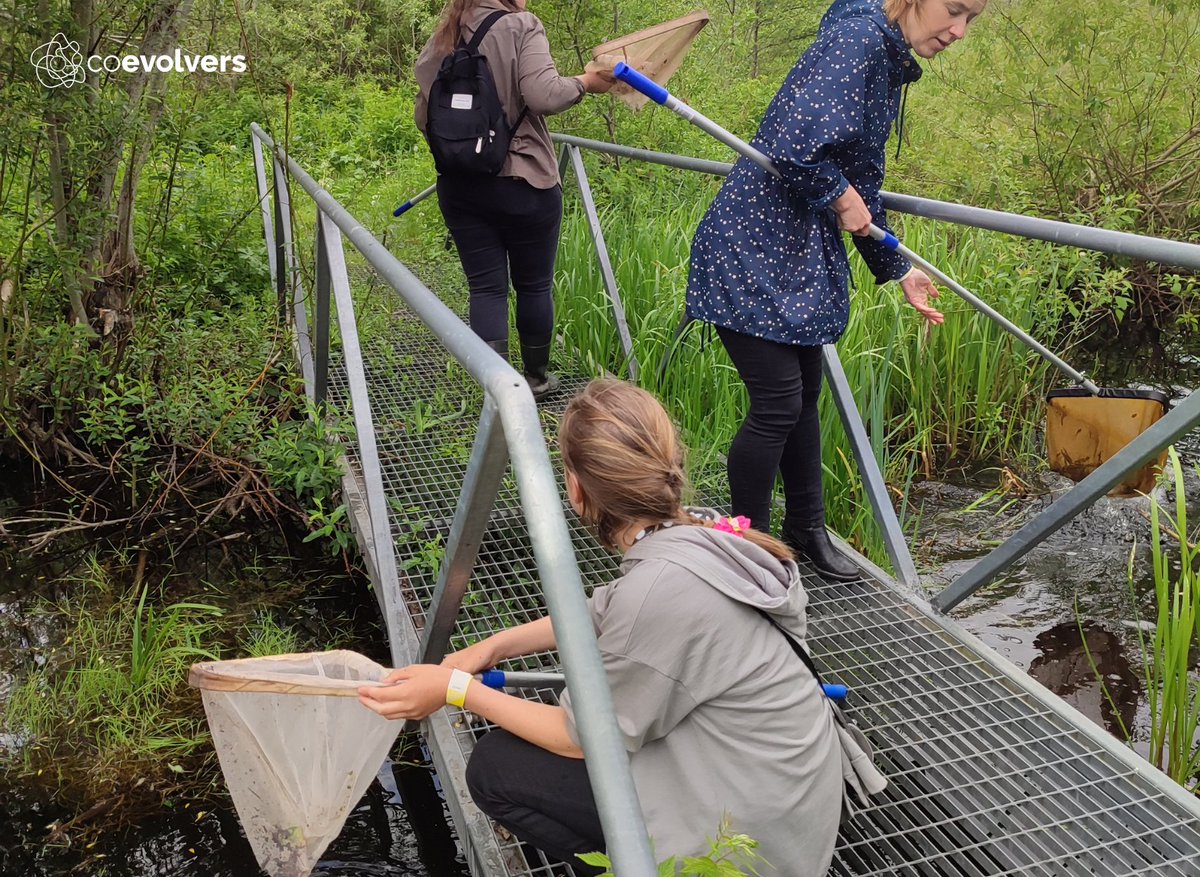
A 24-hour intensive nature observation marathon (aka BioBlitz) was organised by our Tartu Living Lab along the Emajõgi river's bushlands, meadow patches and wetland areas.
Read a short summary about the event: https://t.co/2bE73bDPRc
📖 🎉 Join the online book launch of Carsten Herrmann-Pillath, professor of Max Weber Centre for Advanced Cultural and Social Studies Erfurt University.
📆23rd April, 4-5.30, German time. More about the book and the link to join: https://t.co/9Hp0XYm3JU
Our WP2 leader, Carsten Herrmann-Pillath is preparing for a symposium about 𝐦𝐮𝐥𝐭𝐢𝐬𝐩𝐞𝐜𝐢𝐞𝐬 𝐜𝐮𝐥𝐭𝐮𝐫𝐚𝐥 𝐧𝐢𝐜𝐡𝐞 𝐜𝐨𝐧𝐬𝐭𝐫𝐮𝐜𝐭𝐢𝐨𝐧 𝐟𝐨𝐫 𝐛𝐢𝐨𝐝𝐢𝐯𝐞𝐫𝐬𝐢𝐭𝐲 𝐫𝐞𝐜𝐨𝐯𝐞𝐫𝐲. On the way, he wrote a blog post: https://t.co/O90yS8EKRt
🌲🦎🕷️𝐍𝐚𝐭𝐮𝐫𝐞-𝐛𝐚𝐬𝐞𝐝 𝐬𝐨𝐥𝐮𝐭𝐢𝐨𝐧𝐬 𝐚𝐧𝐝 𝐜𝐨𝐦𝐦𝐮𝐧𝐚𝐥 𝐰𝐨𝐨𝐝𝐥𝐚𝐧𝐝𝐬. 🐦🌱🍂
On the #InternationalForestDay look at our guide that illustrates the interrilations between communities and nature: https://t.co/eyuf1WEvLB
#NBS
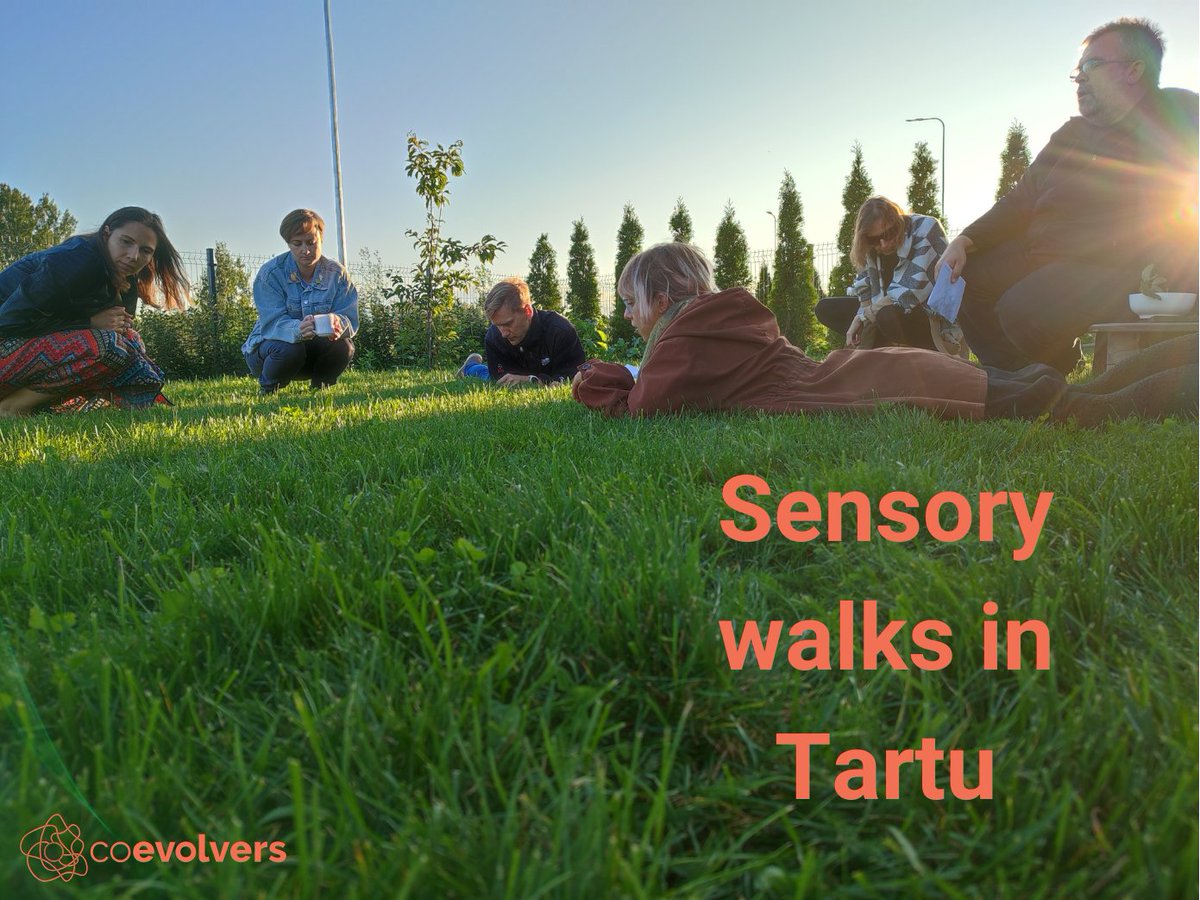
Feel, see, touch, and listen - our Estonian Living Lab is experimenting the 𝒔𝒆𝒏𝒔𝒐𝒓𝒚 𝒘𝒂𝒍𝒌 method to make the aspects of non-human species more visible and to integrate this knowledge into human practices related to urban spaces.
https://t.co/XGB15nn1eF
📲 How technology can intensify our connection with nature? 🦩
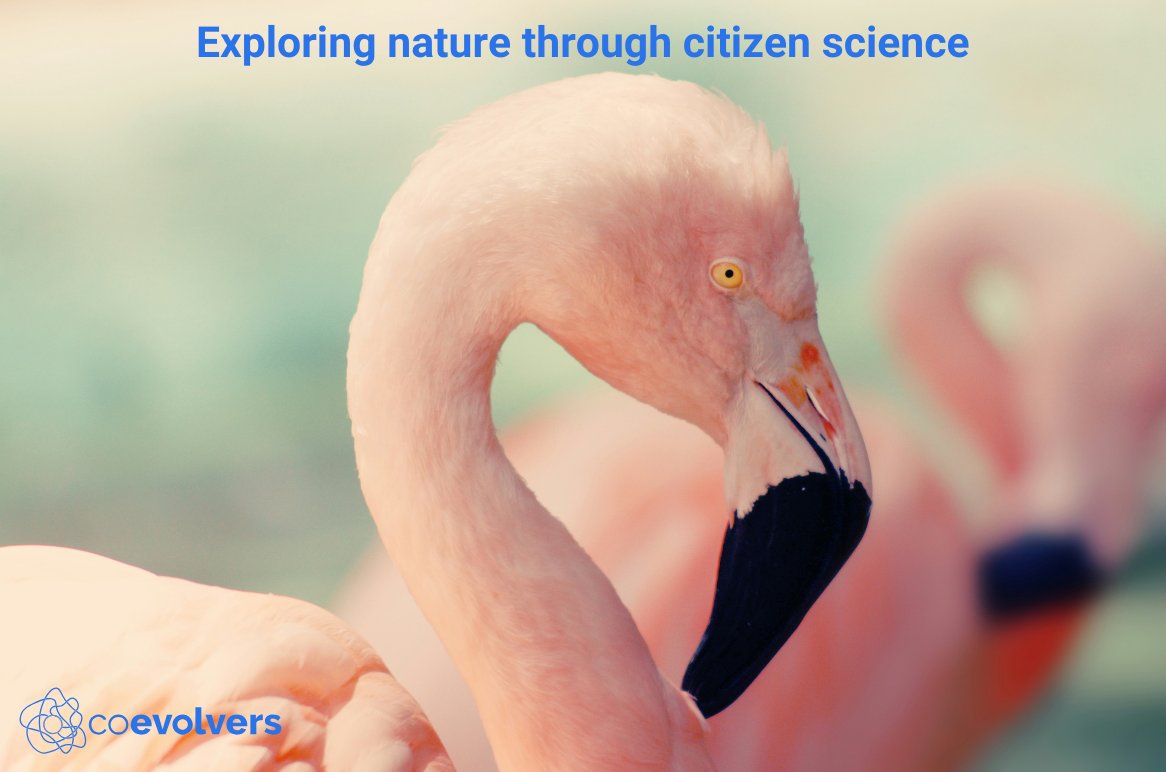
Our Italian Living Lab designed a #citizenscience app to enhance environmental awareness and community participation in the sensational Molentargius Saline Regional Park, Sardinia.
https://t.co/UfnB58bQDk
Let's understand 𝐚𝐜𝐭𝐢𝐨𝐧𝐚𝐛𝐥𝐞 𝐤𝐧𝐨𝐰𝐥𝐞𝐝𝐠𝐞 𝐚𝐬 𝐚 𝐩𝐫𝐨𝐜𝐞𝐬𝐬 instead of an output! And read this new paper built on an analysis of a case study that advances sustainable land use solutions in the Kiiminkijoki river catchment Finland.
https://t.co/Ai2ymvH0fq
A part of our team is exploiring the beauty, the culture and the nature-based solutions of the northest village of the EU, nearby the Arctic Ocean. The NBS of the true tundra in Utsjoki is unique and inspiring for all of us.