Not a single person has been held accountable for their participation in genocide.
Meanwhile, opponents of genocide are sentenced as terrorists.
What kind of dystopian world are we living in? This absurdity must end. De-proscribe Palestine Action, now.
The genocide of Jewish people called “holocaust”
The genocide of Native Americans called “discovery”
The genocide of Palestinian called “self-defense”
The genocide of Lebanese called “security threat”
Language matters. A genocide is unjustifiable wherever happens. Never again
For decades, many Pakistanis have viewed Saudi Arabia not merely as a strategic partner but as an unwavering friend, often linking this perception with the sanctity of the Haramain Sharifain. This emotional attachment has, at times, made objective analysis of Saudi foreign policy difficult.
Respect for Islam's holiest sites should never be confused with the national interests of the Saudi state. The Haramain belong to the entire Muslim Ummah; Saudi Arabia is a sovereign nation that pursues its own strategic objectives.
The reality of international relations is harsh. States do not have permanent friends; they have permanent interests. Saudi Arabia has consistently shaped its foreign policy according to what best serves its own security, economic priorities, and geopolitical ambitions. Its expanding strategic ties with the United States and its growing economic and diplomatic relationship with India reflect this reality. Critics argue that these relationships have reduced Riyadh's willingness to publicly challenge India on Kashmir or to actively support Pakistan's core security concerns.
From Pakistan's perspective, this evolving geopolitical alignment deserves serious scrutiny. If Saudi Arabia's strategic priorities continue to converge more closely with those of Washington and New Delhi, Pakistan must ensure that its own policies remain independent and driven solely by Pakistan's national interest. Blind trust in any foreign power—regardless of history or religious affinity—can create strategic vulnerabilities.
The Pakistan–Saudi defence relationship is perhaps the most critical area requiring careful evaluation. Defence cooperation is valuable when it strengthens Pakistan's security, but any commitment that could draw Pakistan into conflicts involving Yemen, Iran, or a broader Gulf war must be examined through the prism of Pakistan's own national interest. Pakistan's armed forces exist to defend Pakistan—not to become entangled in wars that do not directly protect its sovereignty.
A wider regional conflict could impose enormous military, economic, and diplomatic costs on Pakistan. More importantly, it could create a strategic opportunity for Pakistan's adversaries. If Pakistan's military resources and strategic attention were significantly committed to a Gulf conflict, India could view such a situation as an opportunity to increase military, diplomatic, or other forms of pressure on Pakistan. Given the close defence and strategic cooperation between India and Israel, some analysts believe such a scenario could further complicate Pakistan's security environment. These are risks that any responsible policymaker must carefully consider rather than dismiss.
The central lesson is simple: respect for the Haramain Sharifain is an article of faith; foreign policy is a matter of national interest. Pakistan should maintain cordial relations with Saudi Arabia and every friendly nation, but no alliance should ever come at the expense of Pakistan's sovereignty, strategic autonomy, or long-term national security. Mature states make decisions based on realism, reciprocity, and national interest—not emotion.
"You are NOT 'graveyard of empires', you are the 'playground of empires', they initiated & we responded, & now we are going to take them to task, don't expect any rationality from us." - DG ISPR Lieutenant General Ahmed Sharif Chaudhry ⭐⭐⭐⚔️🇵🇰
“The Battle in Kargil was one of the most pivotal moments in the history of the region. If it had not been undertaken by Pakistan, it could have lost it’s strategic significance and slipped into an economic mayhem from which it may not have recovered” #KargilVijayDiwas
THREAD
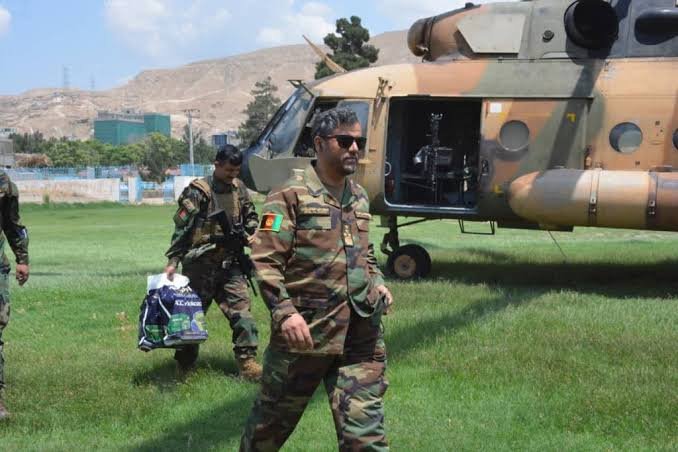
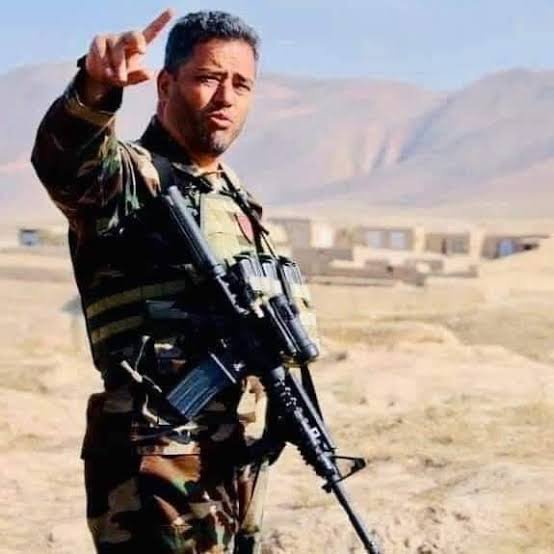
General Yasin Zia is the leader of the Afghanistan Freedom Front (AFF).
He previously served as Governor of Takhar Province, Chief of the General Staff of the Afghan National Army, Acting Minister of Defence, and held senior leadership positions within Afghanistan's National Directorate of Security (NDS).
🇵🇰 The Pakistan They Don’t Want You to See
Indian state-backed media portrays Pakistan as bankrupt, but the reality is different. Pakistan is developing drones, robotics, and advanced technologies showcasing its growing indigenous capabilities. #DharmendraPardhan#CJP
Remembering the sacrifice of the brave son of the soil, SSG Major Adnan Shaheed, who gave his life while fighting Fitna Al Khawarij (TTP) terrorists and saved his comrade by sacrificing his own life.
His brave sacrifice will never be forgotten.
#OurShuhadaOurPride 🌟🇵🇰
🚨 BREAKING:
🚨🇵🇸 Journalists in northern Gaza address the world directly: "Israel's law of hanging Palestinians to death is worse than the Nazis."
If you see this video, please repost for awareness.
The bodies of the Khawarij who attacked the joint Police and Pakistan Army check post in the Manjhi Khel area of Tank on 24 July are lying on the ground in a mutilated condition in the Tank bazaar, serving as proof that the end of terrorism is nothing but destruction and humiliation.
These were the same terrorists who came to spread fear, but became a lesson instead.
This is the fate of the beasts who sought to destroy the peace of the country and the nation,there is no place for them on this land, no forgiveness in history, and not even a piece of cloth for their shroud.
Future of Pakistan's Military Technology 🇵🇰
At the Indus RAS Expo in Islamabad, Pakistan displayed a range of next-generation military technologies, including combat drones, anti-drone systems, robotic platforms, autonomous vehicles, and advanced surveillance solutions.
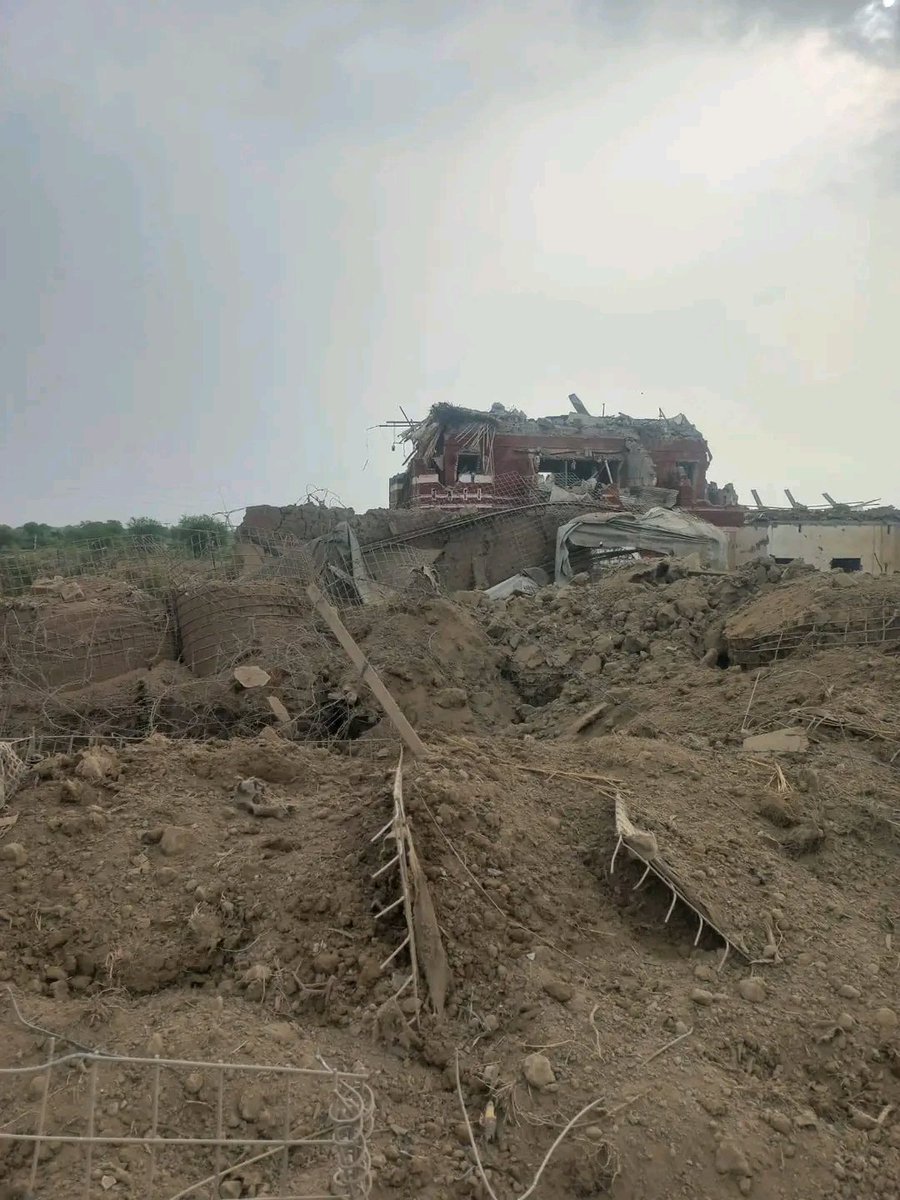
Last night, TTP tried to carried out a massive Vehicle-borne IED Attack on the Manjhi Khel checkpost in Tank district, Khyber Pakhtunkhwa.
Although, the initial Attack was Thwarted timely, it was followed by a heavy exchange of Fire between Security Forces and TTP Terrorists. All attacking Terrorists were eliminated, however, Multiple Soldiers also Embraced Shahadat while Defending the Post.