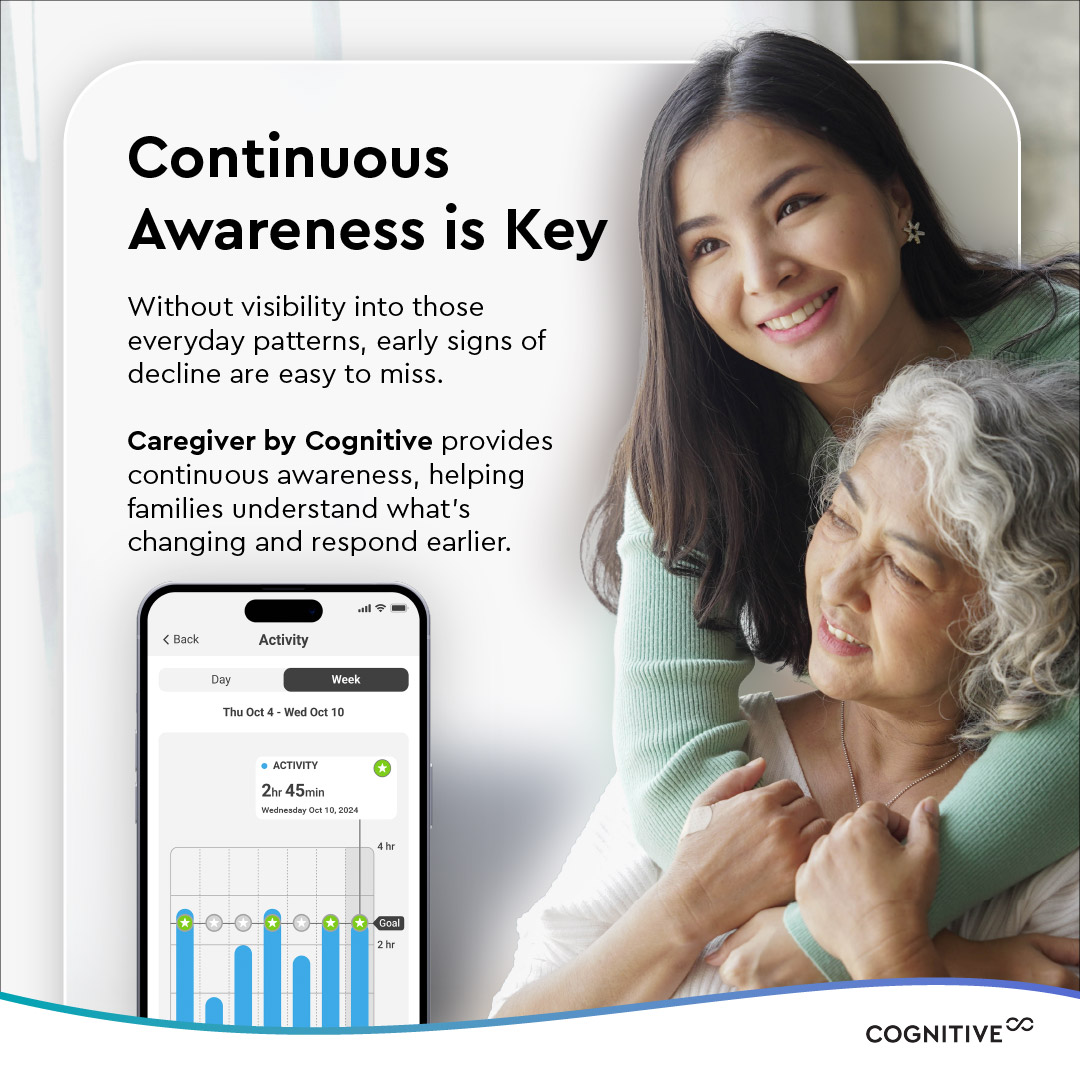
More interruptions during the night. More frequent waking over time. Small changes like this are easy to miss. Caregiver by Cognitive helps bring them into view.
Many older adults don’t want to worry their loved ones, so they stay quiet about pain, fatigue, or loneliness. Our latest article looks at how this silence — born from love — can unintentionally delay care.
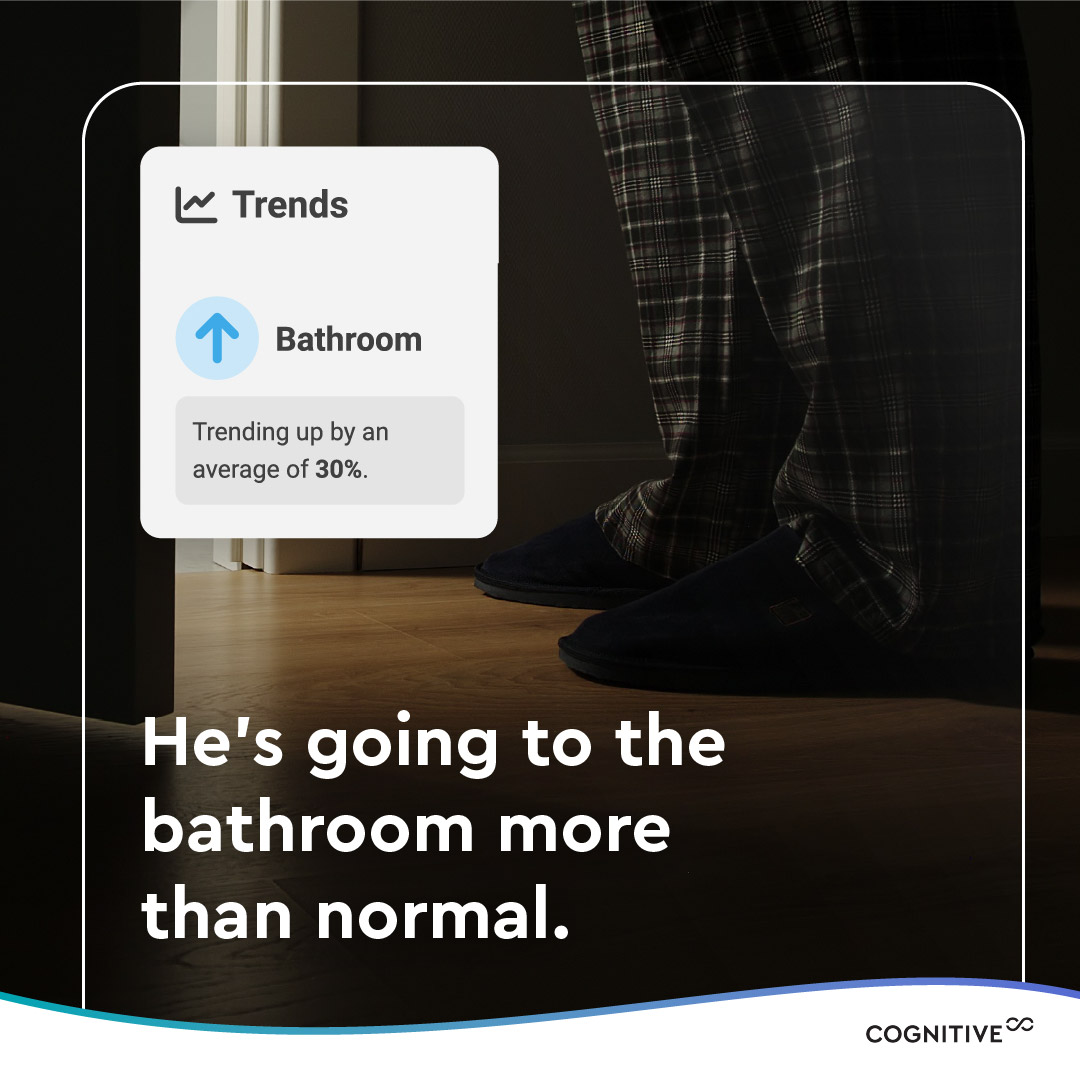
Over time, bathroom visits become more frequent. Changes like this are easy to miss as they gradually become the new routine. Caregiver by Cognitive helps make these trends visible — bringing attention to changes that might otherwise be overlooked.
When your loved one figures out how to video call or check a notification, celebrate it. Confidence grows with every success, and that’s what makes technology feel truly empowering.
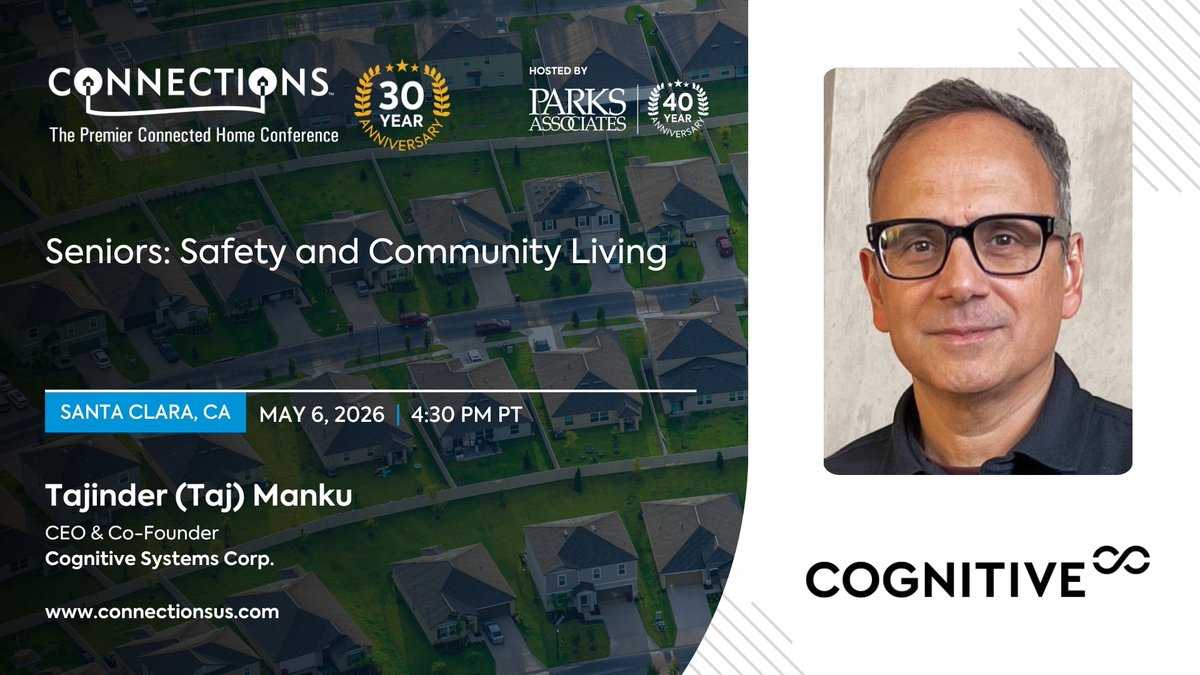
Join our CEO for a panel on the future of aging in place and community-based care. Featuring Caregiver by Cognitive, a proactive care platform that brings visibility into daily routines for both care providers and families.
Many people think caregiver guilt comes from “not doing enough.” More often, it comes from not knowing. Not knowing how the night went. Not knowing if today looks normal. We unpacked this experience in a blog: https://t.co/GTxa6XL8OS
It happens gradually. Just fewer visits to the kitchen over time. Patterns like this are easy to miss as they quietly become the new routine. Caregiver by Cognitive helps bring these trends into view.
On World Health Day, we’re reminded that health isn’t just about treatment — it’s about awareness, prevention, and support at home. At Cognitive Systems, we’re building technology that helps caregivers see changes sooner and support aging with dignity.
Add emergency numbers to the lock screen, favorites list, and even smart speakers. In a stressful moment, the goal is to make getting help as quick and familiar as possible.
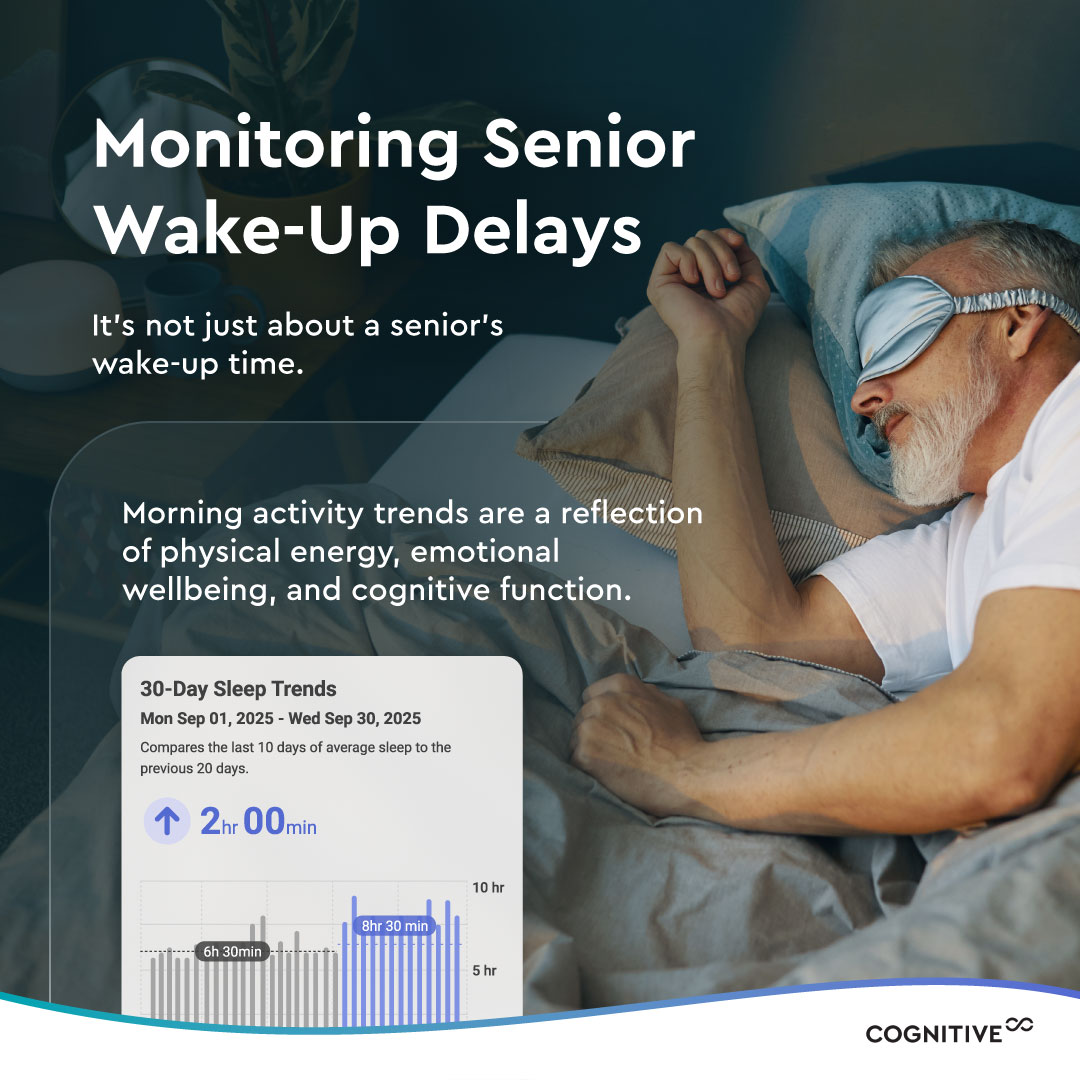
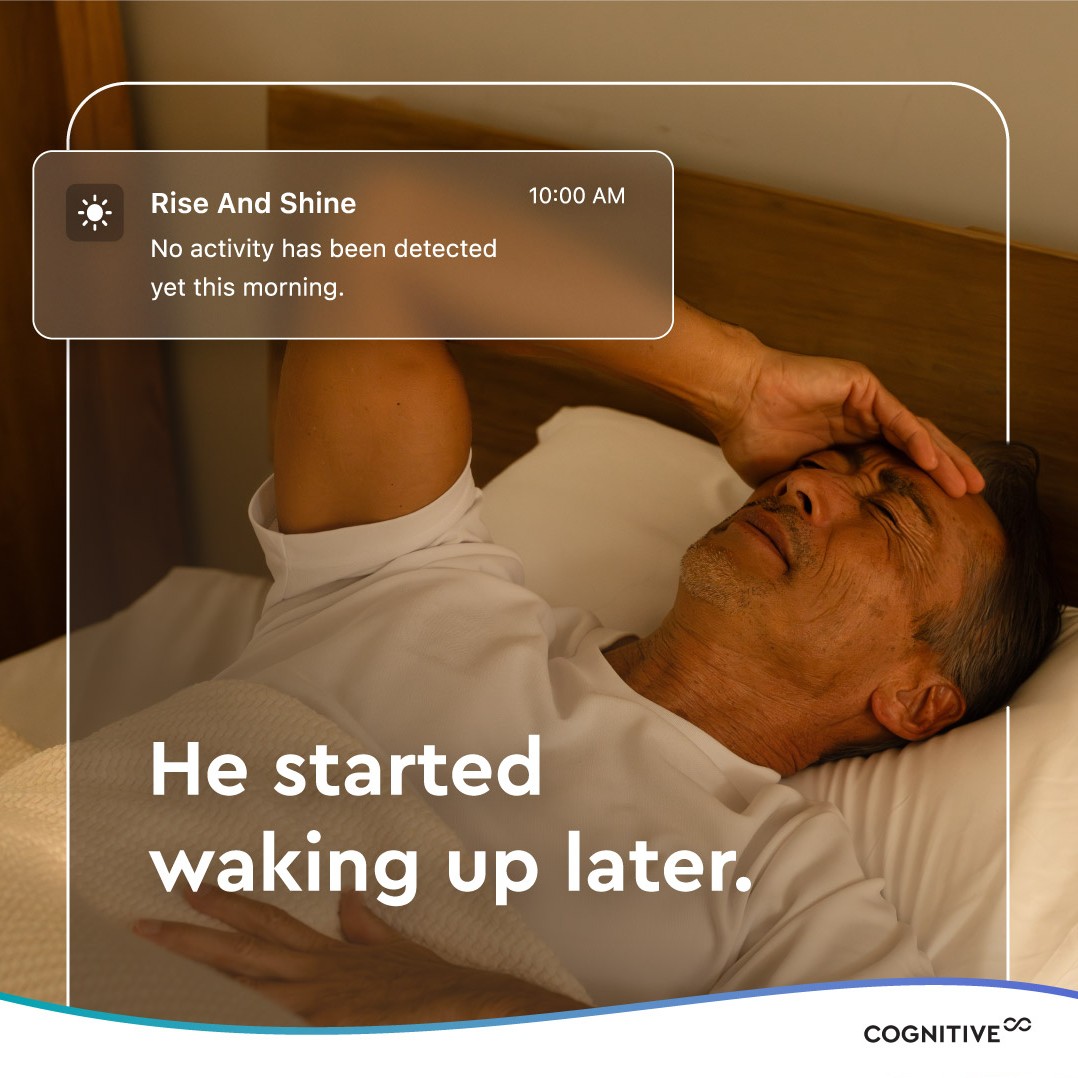
One morning starts a little later than usual. Then it happens again. Would you notice a daily routine slowly shifting — or would it simply become the new normal? Caregiver by Cognitive helps families see these patterns as they emerge.
In eldercare, the question isn’t just “Did they get up?” It’s “Did they get up when they usually do?” Aging-in-place platforms that learn rhythms—not just events—can catch issues early. Here’s how wake-up sensing moves us from alerting to insight.
https://t.co/gyA8ZKtuuB
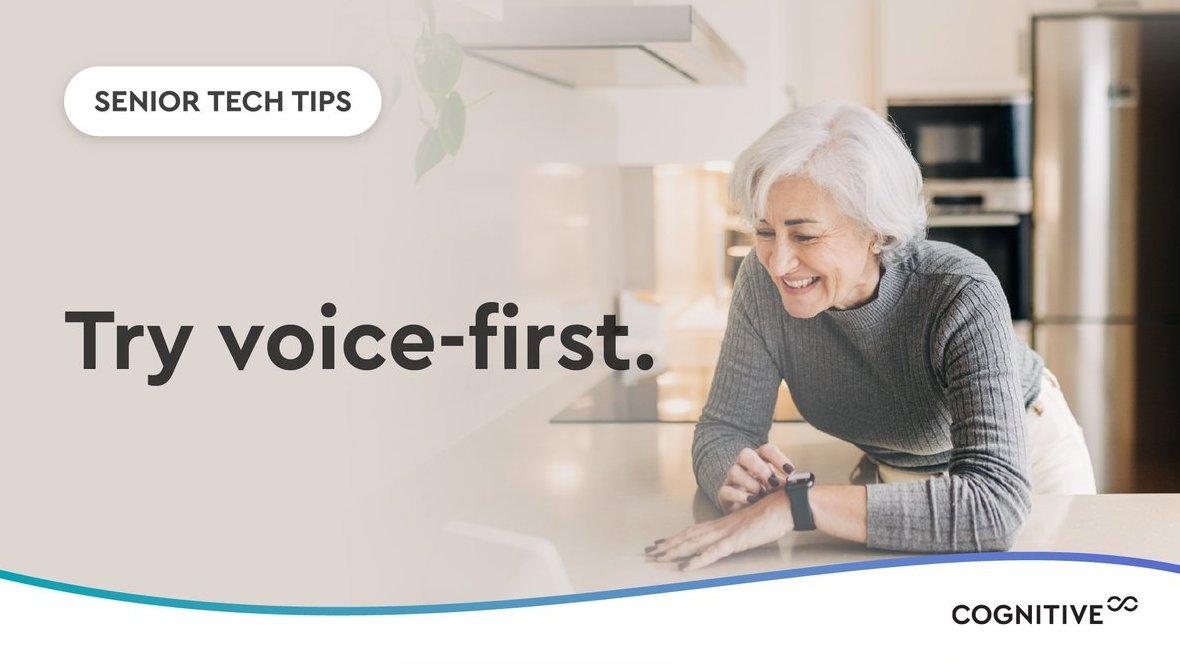
If tapping tiny buttons is tricky, try voice commands instead. “Call Anna,” “What’s the weather,” or “Turn on the light” can make technology feel more like a friend than a frustration.
Imagine a future where technology is built without bias and powered by diverse voices. This #IWD2026, we #GiveToGain by championing equity and creating space for women to lead and thrive.
We work in a space where safety, independence, and dignity constantly intersect. That’s why @ElectronicCare's article resonated with us as it reframes innovation around patient concerns, not product roadmaps. https://t.co/kkROOl1h3z
Today, we’re thinking about the women who bring practical, lived experience into technical work. That perspective matters, especially when technology becomes part of everyday life. Having more women in science changes the questions we ask and the choices we make.
How do you know someone is “doing okay” when you can’t be there to see it? That question sits at the center of caregiver guilt—and modern aging-in-place care. We explored it here: https://t.co/GTxa6XL8OS
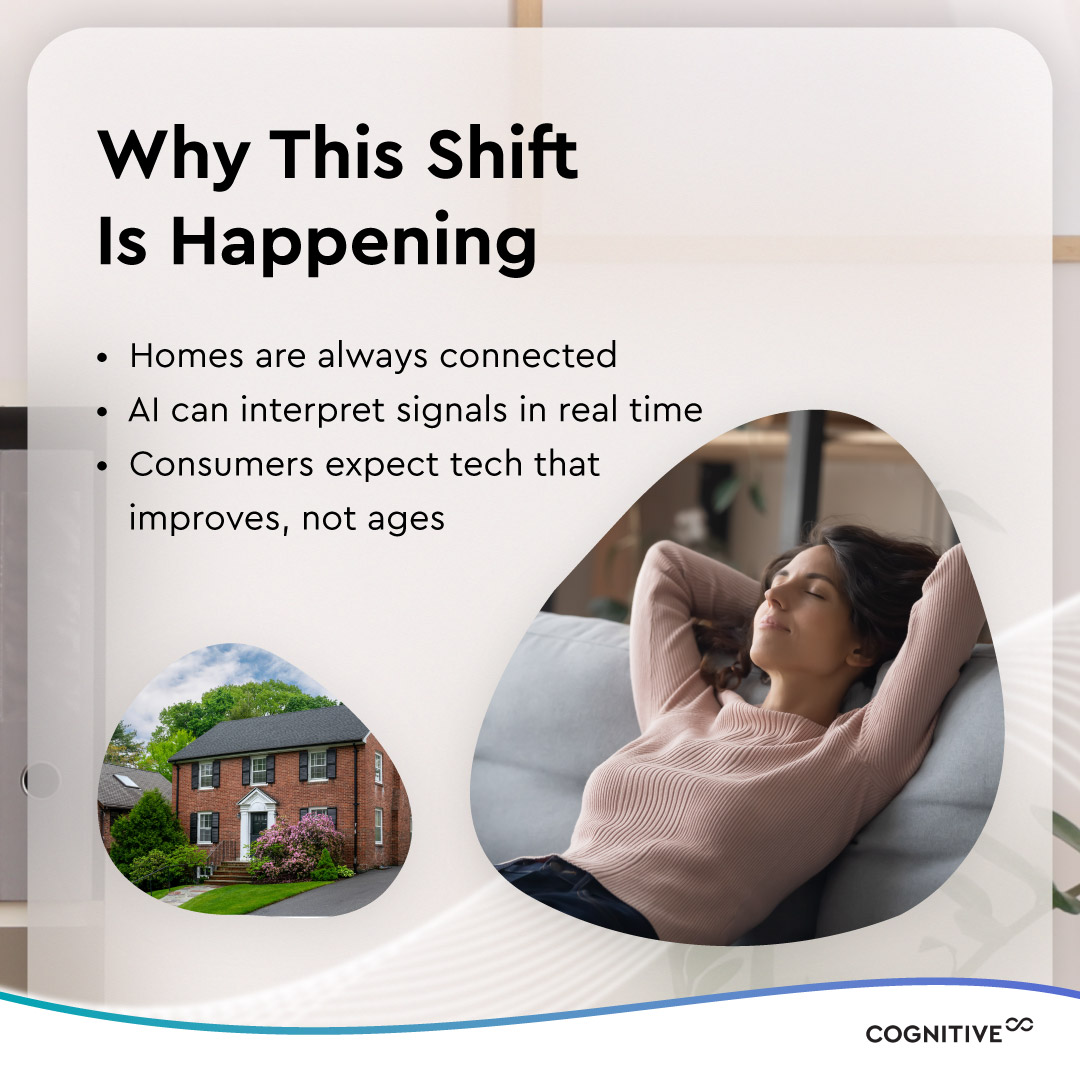
Software and services in smart home security are growing at nearly 18% through 2034 — outpacing hardware by a wide margin. The value has clearly shifted from devices to intelligence. Read more on why here: https://t.co/2pclgm1lAi
Privacy isn’t optional for people who want to stay in their homes. Caregiver works quietly in the background, detecting patterns, not behaviors, so loved ones can live normally while caregivers stay informed. https://t.co/561zKcHLkV