Often, when we are a person in the middle of a big organisational transition, we may feel powerless, with no ability to influence things. Yet systems knowledge tells us that the opposite may be true.
At critical points during a transition process, the overall structures that supported the system previously disintegrate & new ones have to emerge. Transitions make systems less predictable & less controllable. This creates the conditions for, small, positive, local changes that lead to big, system-wide improvements.
1) Small changes can spread: In chaotic situations, small initiatives that reflect the new paradigm—pockets of the future—can gain traction: They become amplified through positive feedback loops to grow rapidly.
2) Systems can organise themselves: Complex systems often don’t need a boss telling every part what to do. Instead, by following "simple rules" & reacting to what is happening nearby, local groups with order can influence the bigger system.
3) Shifting the emotional & cultural narrative may enable systemic change more effectively than top-down policies.
See: https://t.co/nRkvfSuXqL. Via Joss Colchester @Sys_innovation.
📣 Are you a skilled communications professional?
Check out our role for a Communications and Digital Officer in the HSE Organisation Change Unit. Great opportunity for the right candidate to join the team and contribute to our work in the health service.
Details below ⤵️
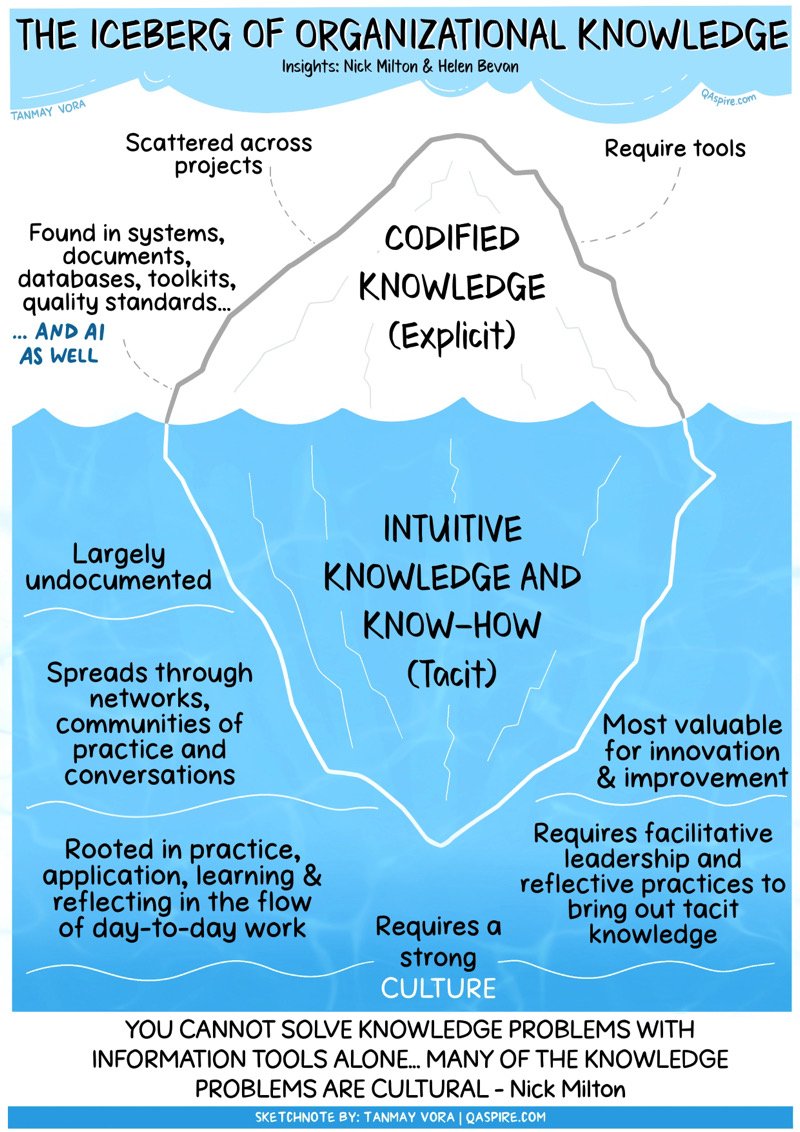
So much of our focus in trying to spread improvements is in "explicit" knowledge: toolkits, good practice databases, standardised pathways etc. Most of the content that AI repurposes from online resources is explicit knowledge.
Yet the biggest opportunities are in "tacit" knowledge: the practical "know-how" rooted in people, their experiences, insights & judgements. Unlocking tacit knowledge is how organisations break past their internal barriers to innovate & improve.
Thanks @tnvora for a striking new version of the explicit/tacit iceberg picture. Tanmay has also written an excellent blog on how to unlock tacit knowledge: https://t.co/IkfVQK4DBE
Stress Control Online session 1 has gone live today and with so many of us dealing with stress and anxiety, it offers practical skills development to take control.
You do not need to register or login, just visit: https://t.co/G5t7hoBJP5
#StressControl#mentalhealth#KeepWell
Please share the timetable below with your contacts and colleagues to spread the word about our upcoming online #StressControl programme.
To find out more, visit https://t.co/Zc4ehI9fbd
#mentalhealth#anxiety#stress
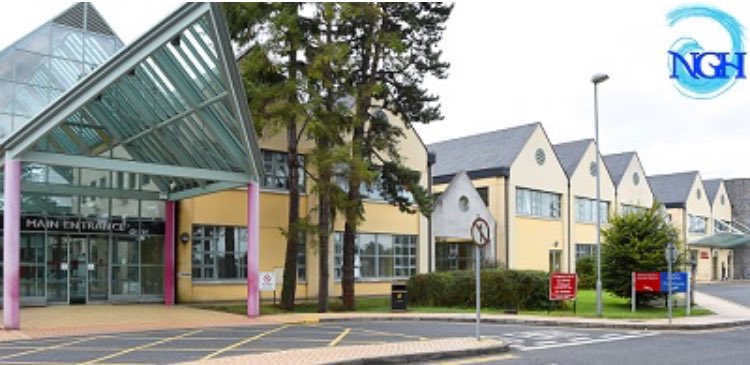
Well done to Naas Hospital! 👏🏻👏🏻Cardiac diagnostic appointment on a Saturday- done in 20 minutes! Not enough publicity when things go right in #HSE@HSELive@BernardGloster
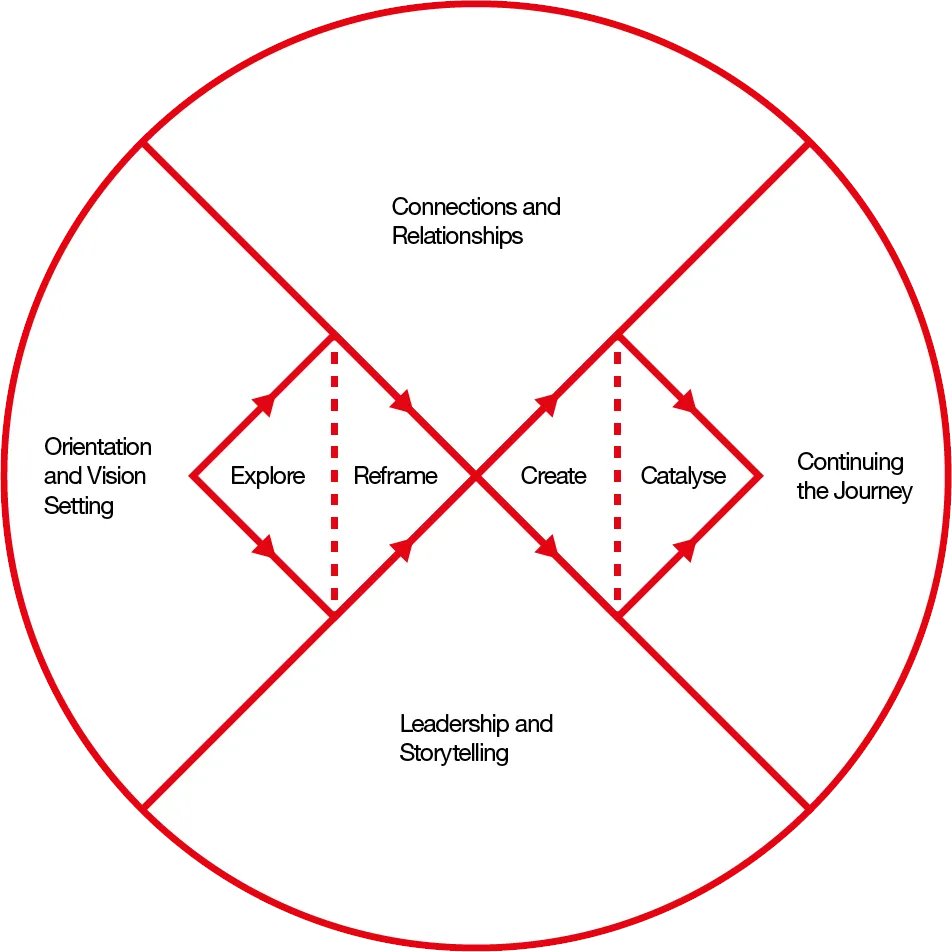
Many of our improvement efforts in health & care address ‘systemic’ issues: deeply embedded challenges that are complex & difficult to resolve. We can increase the possibility of better outcomes by involving multiple people, using a process framework for systemic change, such as the "Systemic Design Framework" from the @designcouncil.
Some resources that explain the framework: https://t.co/mfSmtDjixj.
A case study of its application in a community initiative in health & care: https://t.co/ttMOrd6NDj
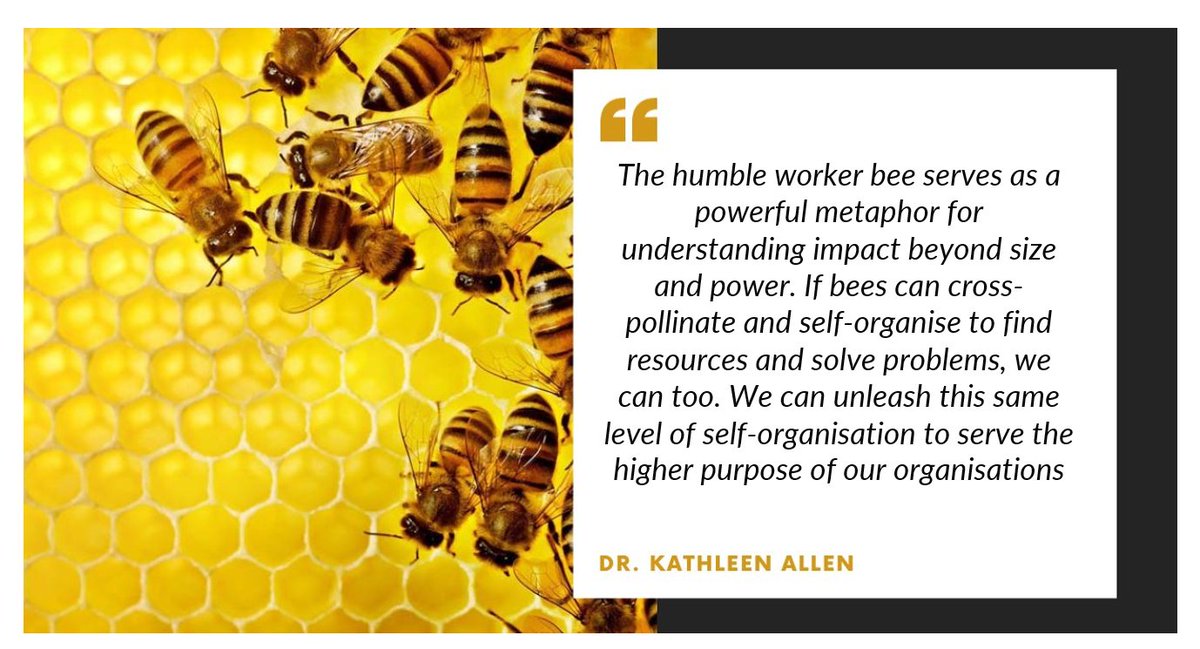
In praise of "worker bees" in organisations & in nature. They keep the system going. Hierarchical structures often fail to recognise the impact of small-scale contributors. We need to acknowledge that “smaller” players are critical to the health & resilience of larger organisations. (Also, in nature, bees hate micromanagers):
https://t.co/0NIavnLrnw Via @drkathyallen@The_ILA
🤔 Did you know we have a suite of service design templates that guide you through looking at the current service model, identifying a new desired model of service, seeing the gap between those two states and how to design an action plan to create that new service design? 👀 ⤵️