WAR AGAINST THE AMISH
The Amish communities in Pennsylvania are being absolutely crucified. Whether it’s their beliefs in not vaccinating or the desirable land they own, they can’t seem to shake the government’s countless attempts to disrupt their way of life.
@solari_the breaks down why people like Gov. Josh Shapiro are so invested in demonizing and destroying these communities.
@sayerjigmi@chdtvlive
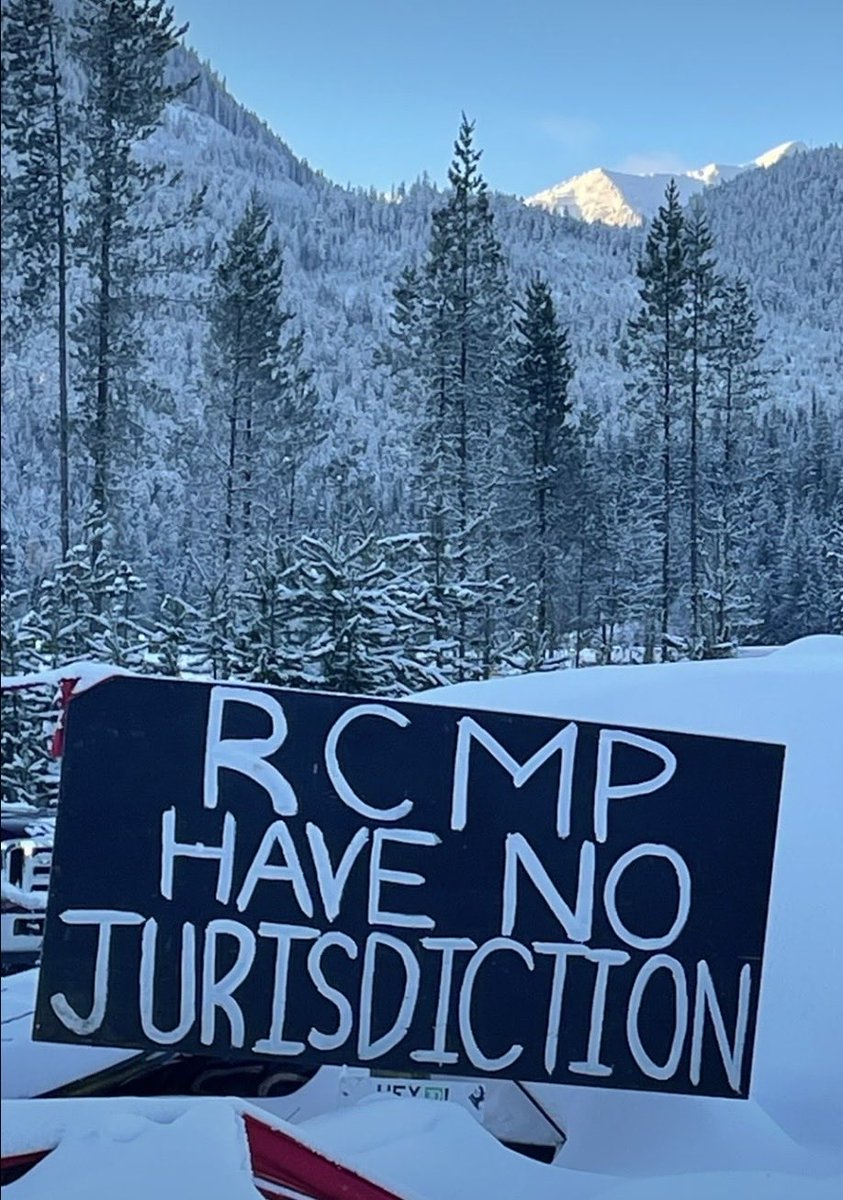
You pay taxes and have rights but your politicians are giving Canada to welfare tribes that tell you to get off what is now their land if you want to be safe.
🚨GRAPHENE IS ALIVE — AND IT’S LISTENING
This isn’t a static particle.
It’s moving. Twisting. Reacting on command to external frequencies — like it’s programmed.
Graphene oxide, found in the shots millions took, behaves like a living antenna inside the body.
One signal and it reorganizes. What happens when they broadcast the right frequency?
Your blood. Your brain. Your future. They didn’t just inject you. They installed hardware.
I keep having to bust this myth.
The claim that CPP is “one’s own money” treats it like an RRSP or a locked personal savings account. It is not. It is a statutory social insurance program. Your contributions buy eligibility for a formula-based benefit later; they do not create a pot of cash held in your name.
CPP was designed in 1966 as a pay-as-you-go plan. Current workers’ contributions were meant to pay current retirees. That worked while there were many workers per pensioner. By the mid-1990s the math had broken: contributions plus a small reserve were no longer covering benefits, and the Chief Actuary projected the reserve would be exhausted around 2015 unless contribution rates rose sharply.
The 1997 reforms did not convert CPP into individual accounts. They simply raised the combined contribution rate to 9.9% by 2003 (it started out as only 3.2%), froze the basic exemption at $3,500, modestly restrained future benefits, and created the CPP Investment Board so surplus cash could be invested instead of being lent cheaply to provinces.
Most of that surplus cash came from Alberta, Ontario and BC.
The goal was “steady-state” partial funding: keep a reserve of several years of benefits so the rate would not have to keep climbing. Investing of the growing surplus began in 1999.
That reserve is now large. In the year ending March 31, 2024, contributions were about $81.6 billion and benefits about $60.8 billion, so the plan is currently cash-flow positive and the surplus is invested. Total assets are in the hundreds of billions (assuming they are actually there).
That does not make the money “yours.” Contributions are still used first to pay today’s beneficiaries; only the remainder goes into the fund. The base plan remains only partially pre-funded. Your pension is still an intergenerational transfer plus investment earnings on the pooled surplus, not a withdrawal from a personal trust. The government expects to have to start drawing from the fund in 2032.
You can see the difference from personal savings in the rules. There is no account balance you can cash out. Benefits are set by legislation from your earnings history and age of take-up. If you die with no eligible survivor, unused contributions stay in the pool. If contributions stopped tomorrow, current pensions would continue only as long as remaining assets and any leftover cash flow lasted; they would not be paid from “your” segregated deposits.
The newer CPP enhancement (phased in from 2019) is designed to be more fully funded than the original plan. That still does not turn either part of CPP into private property. It remains a mandatory public insurance scheme whose sustainability depends on future workers, contribution rates, and investment returns—not on the government holding each person’s money in trust.
It also depends on the government not dipping into this fund for other purposes, a very tempting proposition. CArney has already included the CPP Fund in the government's balance sheet......
@ABDanielleSmith was on Fox Business this morning. She still naively thinks that Mark Carney can be trusted to negotiate with the US on behalf of Canada.
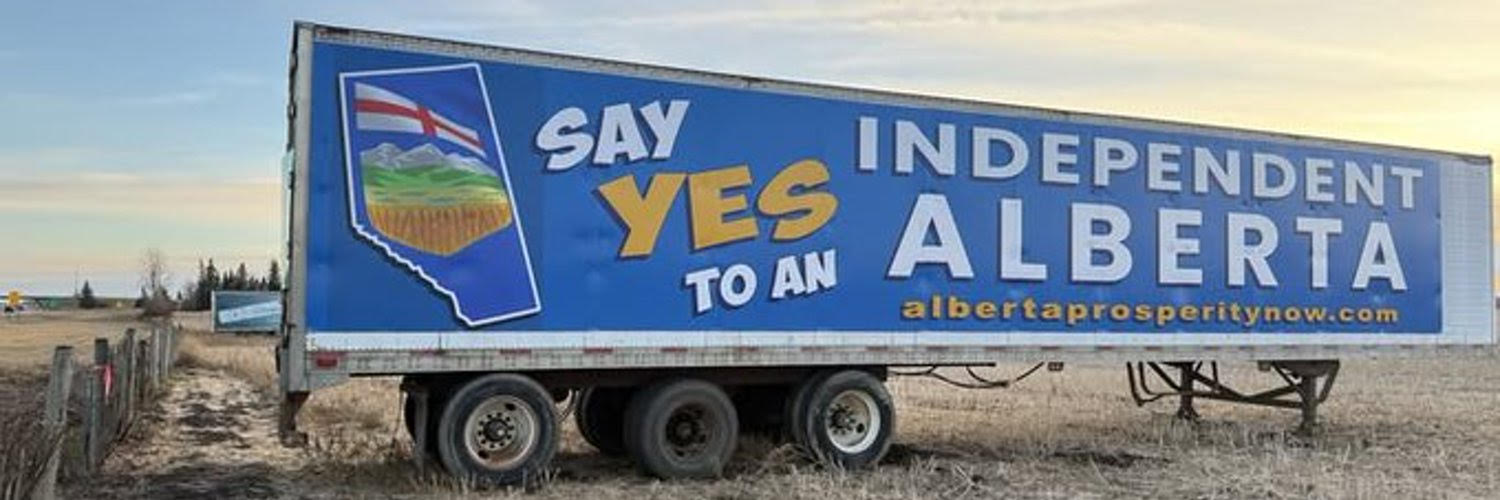
Alberta needs a leader that has the guts to go to Washington DC and negotiate a carve out trade deal for Alberta directly with the US Administration.
SMITH CAN’T BE TRUSTED.