So excited for #ICE2024 !! Come see my talk on the effect of mowing on stem-dwelling insects! I'm also doing a giveaway: first 5 people to find me in Kyoto get a free sticker or acrylic pin designed by yours truly 😉😉😉
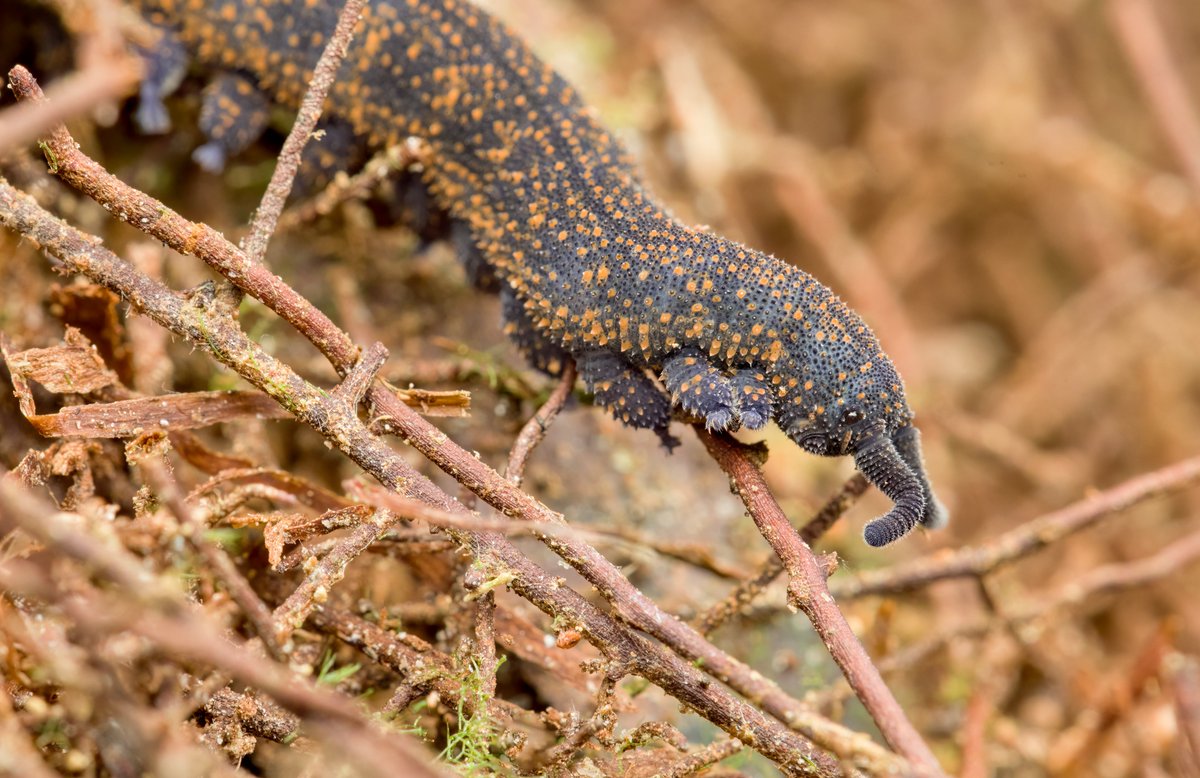
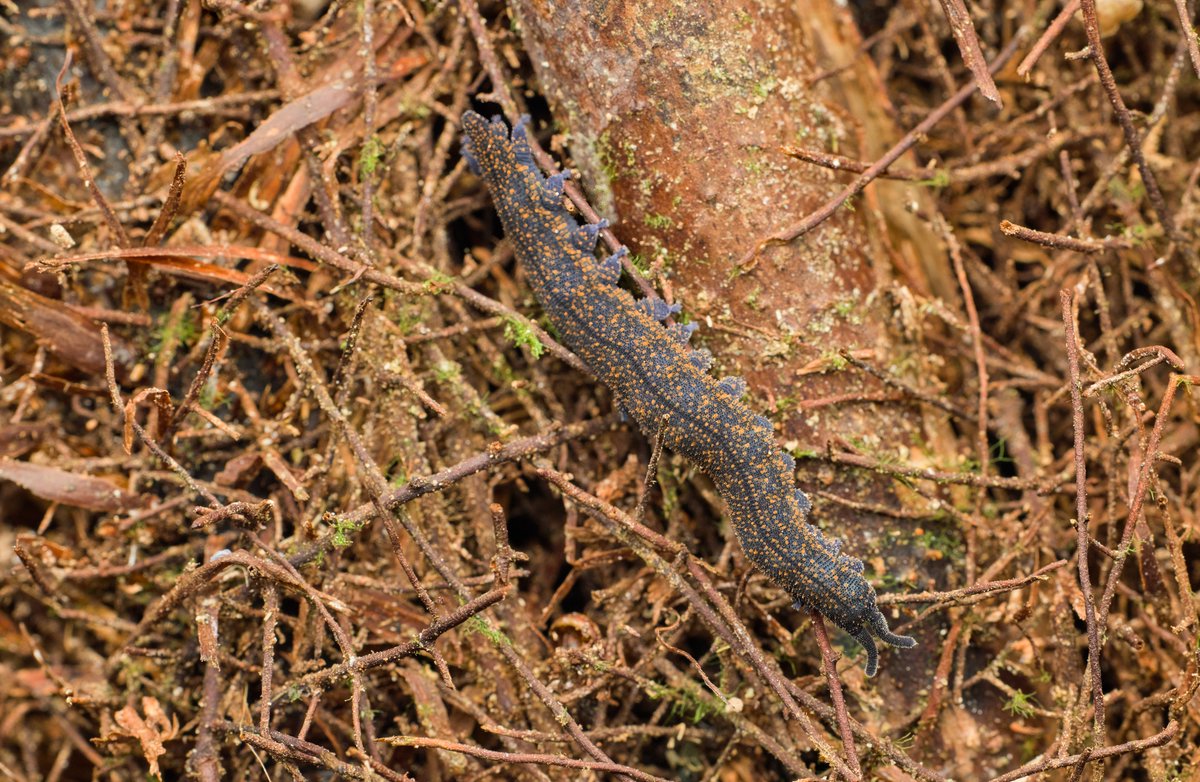
Peripatus, Dansey Reserve, Rotorua
Last night temperatures were ideal for spotting these beautiful invertebrates. Peripatus are often on tree fern trunks during the night.
Photographed on a tree fern trunk.
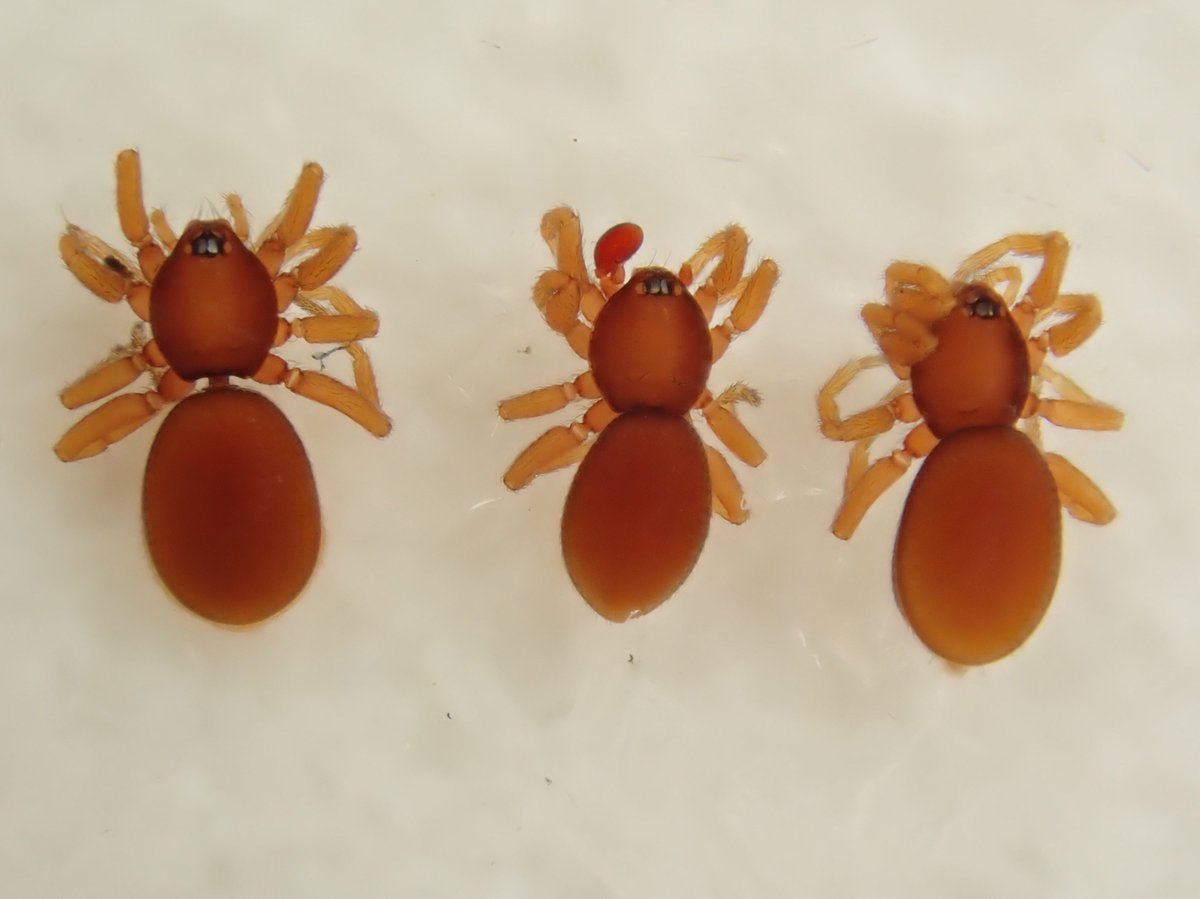
The tiny horned male spider, Floricomus ornatulus (Linyphiidae).
This species was lost, not seen for 78 years since it was described in the 30's until it was rediscovered in 2013 from the campus of @berrycollege in Georgia, USA by a former student. #lostspecies
1. Honeybees are not in decline, profits are.
2. Making a commercial bee more resilient to disease is not good for wild bees if they continue to be vectors
3. Some articles on this topic say honeybees are critical for the environment in the US, not true, they are introduced.
Apparently Spinembolia clabnum is listed as NT on IUCN on the assumption that it is endemic to Seychelles and the habitat is threatened by invasives. But me and @ColinCHW found some from Java and HK which if true means the IUCN status must be revised.
https://t.co/q5KtbsmDcE
Another rant of mine. The unsustainable collecting of Australian invertebrates is driving some species (especially scorpions) to near extinction and nothing is being done. I was SHOCKED just then to learn the Peacock Spider I discovered has been smuggled overseas now for big 💵
My new paper (as a coworker) is just published :)
Description of four Sinopoda species (S. bigibba, S. bogil, S. pantherina and S. jirisanensis) and removing S. forcipata and S. stellatops from Korean spider fauna.