Have you listened to the latest episode of #WorldClassPodcast?
@ColinKahl talks to James Fearon of @StanfordCISAC about why nations go to war and how to prevent more conflicts from happening in the future.
🎧 Listen at the link below https://t.co/PyFygKc5sR
James Fearon joins @ColinKahl on the World Class podcast to discuss his famous theory of "Rationalist Explanations of War," how it applies in Ukraine and Iran, and the role scholars can play in bringing academic expertise to policymaking. https://t.co/K0WxOdyOBf
Need something to listen to this weekend?
Tune into the latest episode of #WorldClassPodcast to hear @ColinKahl talk with the heads of policy at #OpenAI and #Anthrophic about how AI is reshaping national security, defense, and global competition. https://t.co/FSZzUTVQXU
🎧 NEW PODCAST EPISODE 🎧
The heads of national security policy at OpenAI and Anthropic join @ColinKahl on the #WorldClassPodcast to discuss the risks and advantages of how AI is intersecting with U.S. national security and competition with China. https://t.co/h5SupiODtI
Allies are not necessarily and not always only free-riding burden. They can be a huge strategic asset for the US. See this piece by my friend @ColinKahl and Tobias Vestner in #ForeignAffairs
Read @ColinKahl and Tobias Vestner on how the United States and its allies can “maximize the benefits of defense and technological collaboration”:
https://t.co/VmdtQURwq2
The future of defense and deterrence is both national and transnational, argue @ColinKahl and Tobias Vestner.
Read their recommendations in @ForeignAffairs for how to build this network of public-private, domestic-international partnerships. https://t.co/c1E0k35gcx
“Both the United States and its partners have treated their defense buildups primarily as domestic projects when what they need, in fact, is to pool their resources more effectively,” write @ColinKahl and Tobias Vestner.
https://t.co/VmdtQURwq2
“To maximize the benefits of defense and technological collaboration, the U.S. government and its partners must pair national efforts with transnational ones,” argue @ColinKahl and Tobias Vestner.
https://t.co/VmdtQURwq2
Defense-industrial competition is no longer primarily competition among national defense industries—it is competition among transnational innovation ecosystems. Read my latest (w/Tobias Vestner) via
@ForeignAffairs. https://t.co/cvYmGmYPuU
Read @ColinKahl and Tobias Vestner on how the United States and its allies can “maximize the benefits of defense and technological collaboration”:
https://t.co/VmdtQURwq2
“Bringing new technologies to the battlefield requires significant industrial production capacity—capacity that even the United States may not have,” write @ColinKahl and Tobias Vestner. “This is where allies come in.”
https://t.co/VmdtQURwq2
New @ForeignAffairs article from me and Tobias Vestner on the imperative for the U.S. and its allies to collaborate more on defense innovation. https://t.co/cvYmGmYPuU
There's still time to apply for @StanfordCISAC's AI in Strategic Stability and Military Competition Fellowship!
Work with @ColinKahl, @Gottemoeller, @HerbLinCyber, and @JackieGSchneid on AI functionality in nuclear command and control.
💡 LEARN MORE: https://t.co/tHYj3D5wbe
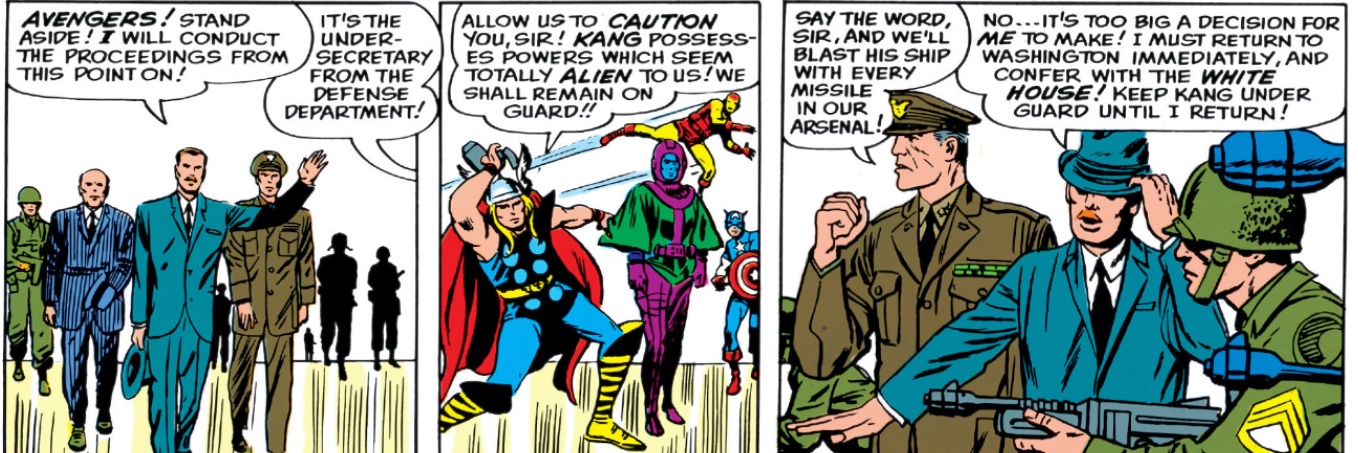
In the fall of 2022, the intelligence community reportedly assessed that the odds of Russia using tactical nuclear weapons in Ukraine had increased to 50% under certain circumstances. This is the story of the Biden administration's response and the lessons for deterrence theory.
FSI Director @ColinKahl shares his personal experience of working as the U.S. under secretary of defense for policy during the fall 2022 crisis with Russia, and what nuclear messaging then says about the state of global nuclear policies now.
READ HERE: https://t.co/6pi30oXAja
FSI Director @ColinKahl shares his personal experience of working as the U.S. under secretary of defense for policy during the fall 2022 crisis with Russia, and what nuclear messaging then says about the state of global nuclear policies now.
READ HERE: https://t.co/6pi30oXAja
The Artificial Intelligence in Strategic Stability and Military Competition Fellowship at @StanfordCISAC is accepting applications!
Work with @ColinKahl, @Gottemoeller, @HerbLinCyber, and @JackieGSchneid on AI functionality in nuclear command and control.
💡 LEARN MORE: https://t.co/tHYj3D5wbe
The CISAC Fellowship program is expanding for the 2026–2027 academic year, with applications now open for two new fellowship opportunities! The deadline to apply is June 8, 2026.
Click here for more information and how to apply⤵️
https://t.co/y70n9fN56I
The CISAC Fellowship program is expanding for the 2026–2027 academic year, with applications now open for two new fellowship opportunities! The deadline to apply is June 8, 2026.
Click here for more information and how to apply⤵️
https://t.co/y70n9fN56I
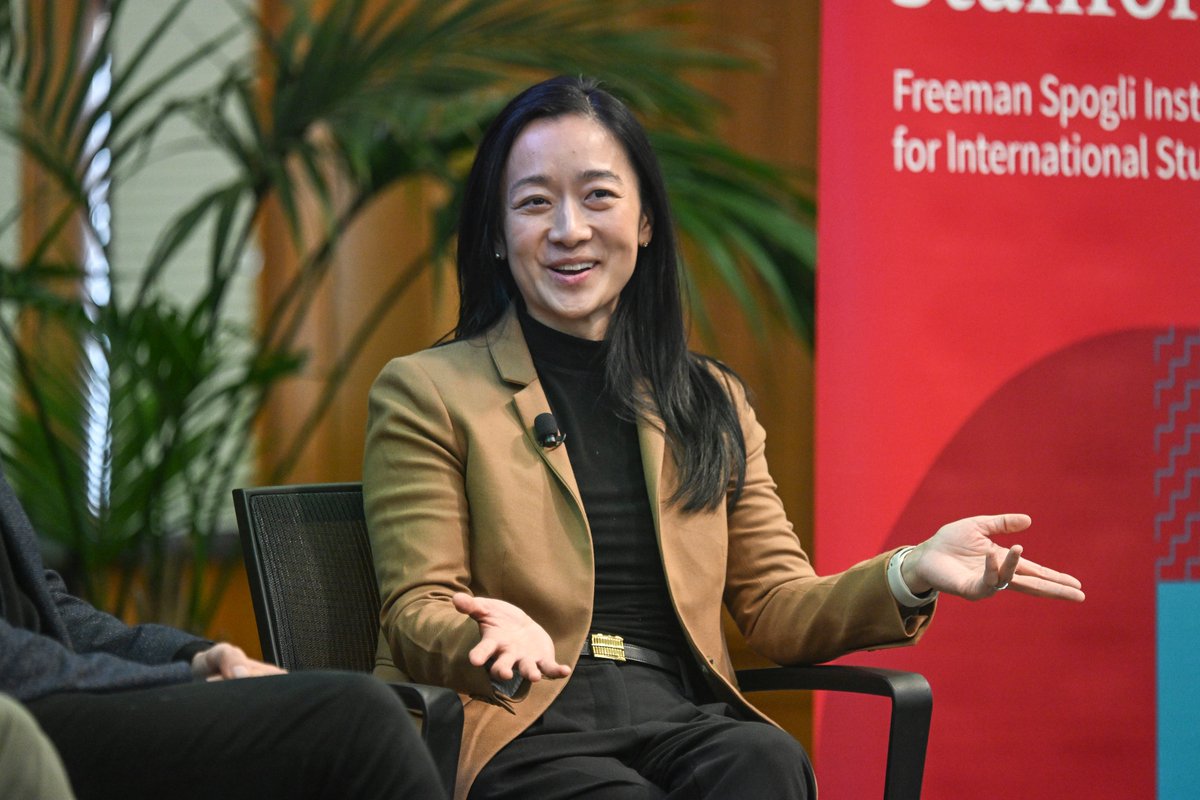
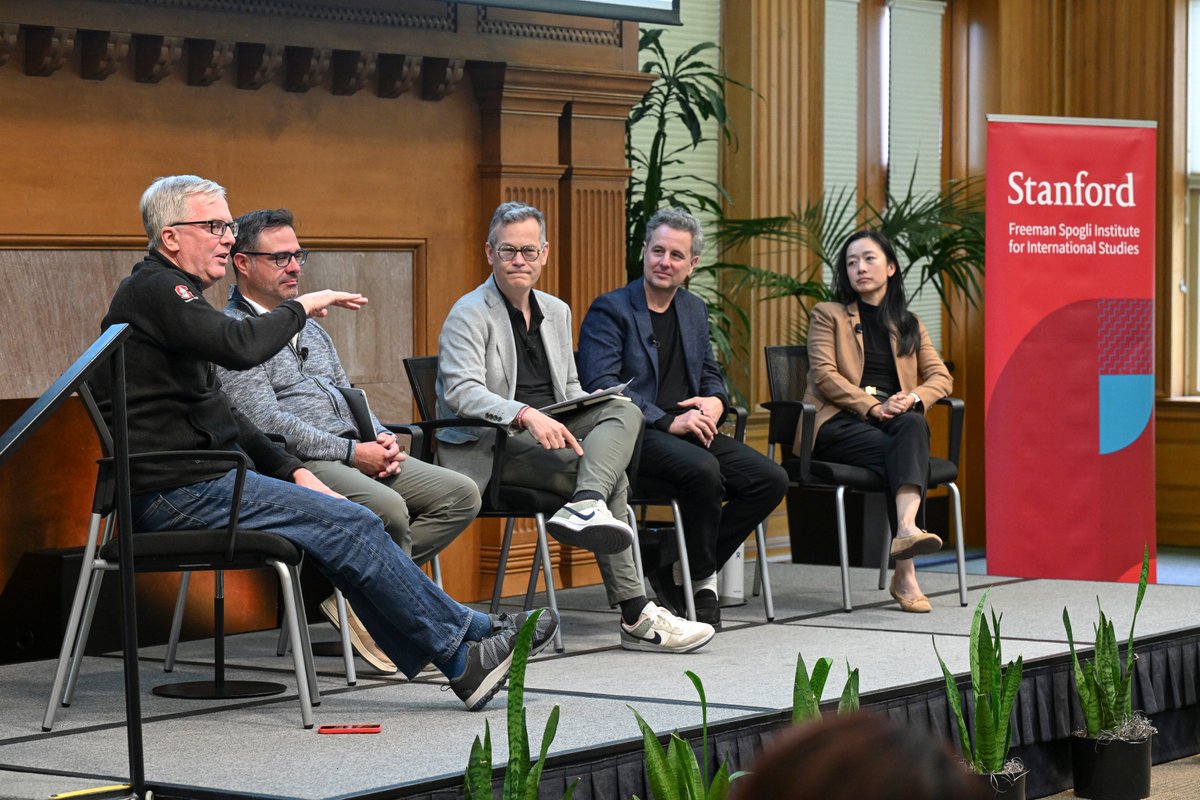
Thanks to all who came out to the second panel in our quarterly series on global issues. This edition focused on the promises and perils of the technologies that are rapidly changing the world, w/ insights from Drew Endy, Jennifer Pan, Andrew Grotto, Jeff Hancock, & @ColinKahl.
Watch the recording here: https://t.co/4spdcEephO