One of our research assistants, Jennisa Bangal, is interning at the Federation of Associations in Behavioral and Brain Sciences (@FABBS) in Washington DC! Here she is at an NSF Congressional Showcase on AI!
Jennisa & Amanda @UCSanDiego, FABBS Science Communications and Advocacy interns, joined us on a trip to Capitol Hill for an interactive NSF showcase on the groundbreaking research at their AI Institutes ✍ Read more: https://t.co/82ivXdnXdb
#NSFfunded@UCWashington
One of our alumni, Elijah Sosa, began his journey at @UCIMedSchool and has been featured in UCI News! Congratulations Elijah! 🩺🥳
https://t.co/Mx3Gne98X1
What are the pros and cons of adapting CBT in guided-self help (GSH)? Despite providers' hands-off approach in ED treatment, CBT-GSH’s delivery in less stigmatized settings can enhance treatment engagement in Mexican American families:
https://t.co/WCtzcoI9Kv
What role should culture hold in ethnic minorities' eating disorder treatment? Acle et al. argue that culture individually shapes clinical symptoms of ED. Patient-centered treatments that respectfully explore culture as a mechanism for recovery. https://t.co/lKuLNjCJQt
We would like to commend our research assistant, Vaishnavi Melkote, who graduated from UC San Diego with a Masters in Global Health! 🎓🔱🌎This is a testament to your hard work, dedication, and commitment. Congratulations Vaishnavi!
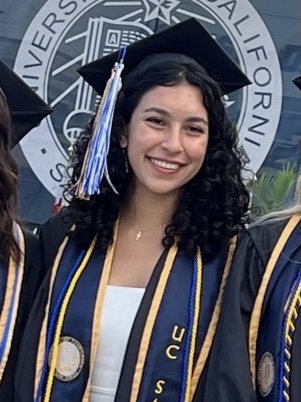
Congratulations to our research assistants Elissa Gomez, Sydney Seaton, and Joanna Jain for graduating from UC San Diego! 🔱🎓Thank you for all of your contributions to the Collab Lab, and we wish you the best in your future endeavors!
#UCSDGrad#UCSD2023@UCSanDiego
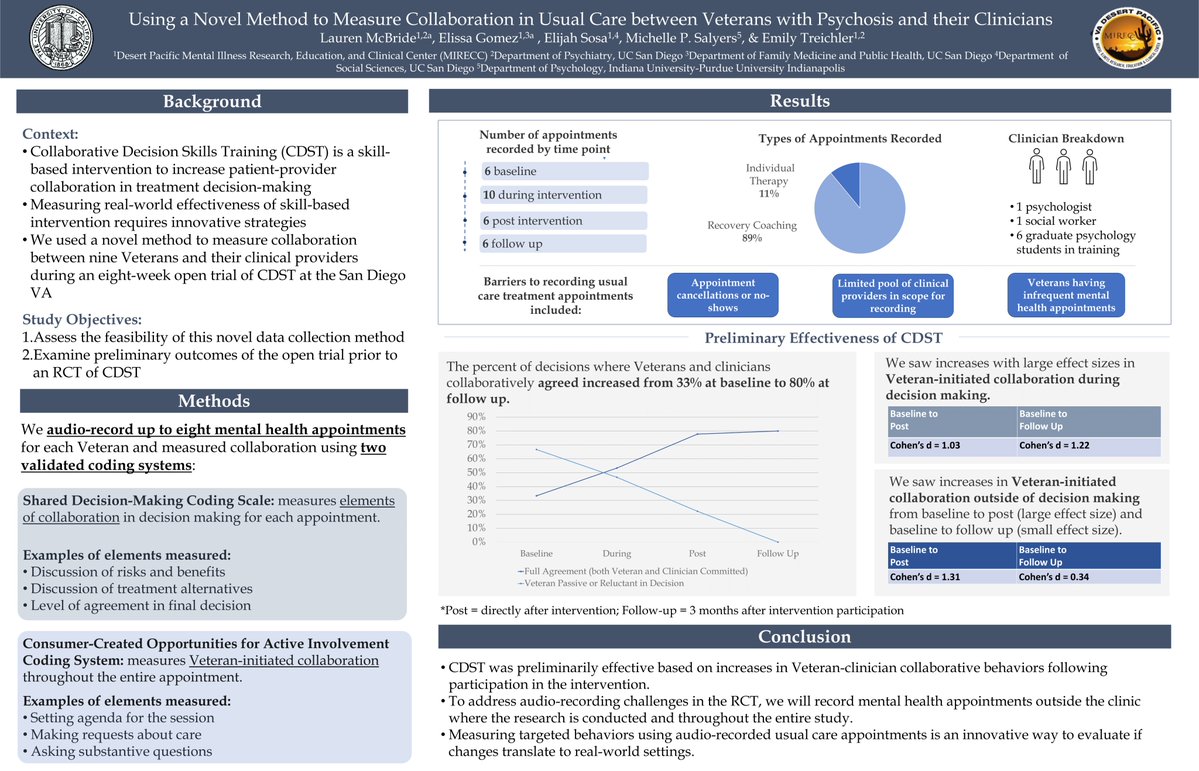
We would like to recognize our study coordinator Lauren McBride & research assistant Elissa Gomez, who have also presented at #UCSD2023PHRD!🎉Here is their poster on A Novel Method to Measure Collaboration in Usual Care between Veterans with Psychosis and their Clinicians:
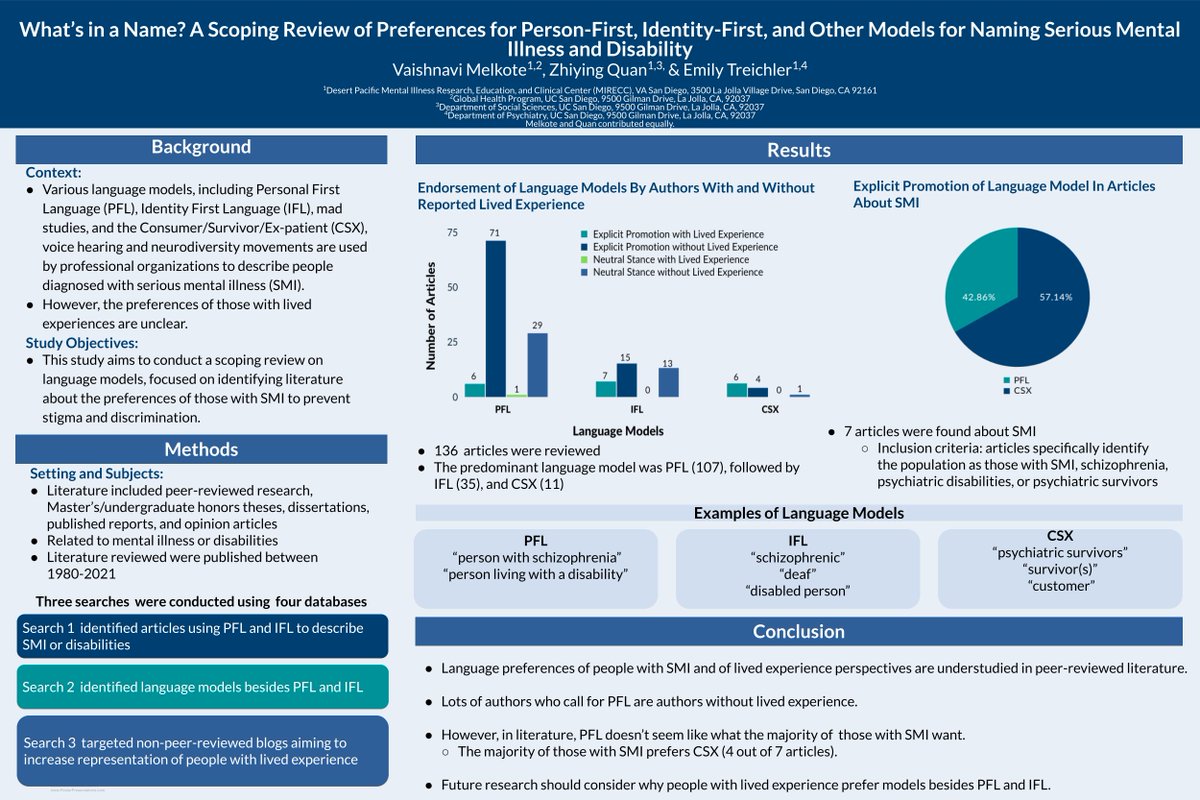
Another two of our research assistants, undergrad Zhiying (Crystal) Quan and grad student Vaishnavi Melkote have also presented at #UCSD2023PHRD! 🎉Here is their poster on a scoping review of person-first, identity-first and other models of language for naming SMI and disability:
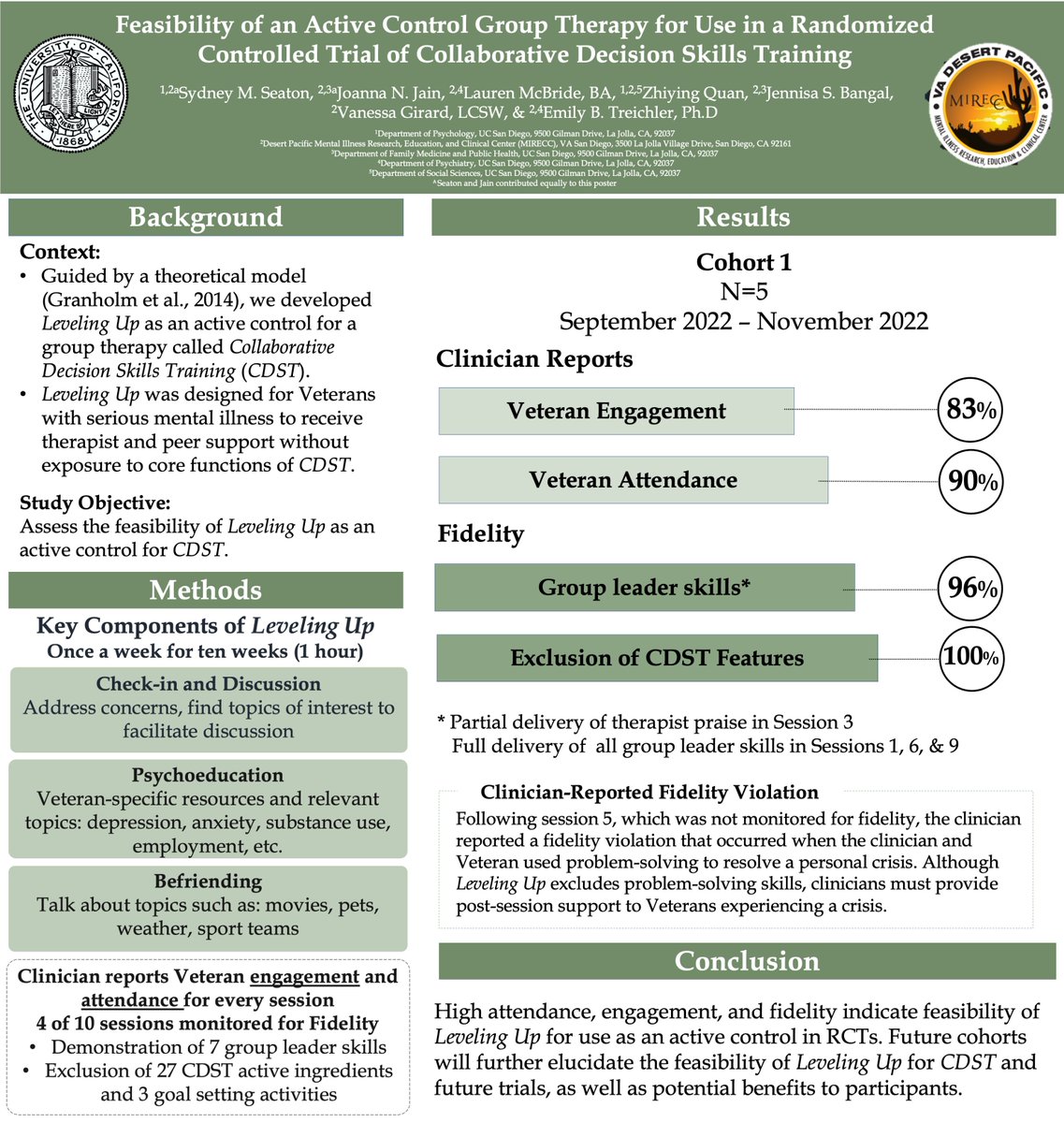
Two of our undergraduate research assistants, Sydney Seaton and Joanna Jain, have had the opportunity to present their poster at #UCSD2023PHRD! 🎉 Here is their poster on the feasibility of an active control group therapy in our RCT on Collaborative Decision Skills Training:
Reviewing qualitative research can be a whole different entity from quantitative research. Levitt et al. goes into the complexities of qualitative analysis. What are some challenges for both authors and reviewers in this process?
https://t.co/0qI5ZkJzlm
In qualitative research, Watts argues the most important instrument is the researcher. He recommends some user skills and places emphasis on the researcher's perspective. What can be gained and lost through these methods?
https://t.co/67bbjQf7Ug
Clinicians with greater implicit bias in this study were rated lower by black patients, but interestingly, clinicians were rated lower by Latino patients for reasons independent from implicit bias and related to other aspects of care:
https://t.co/yDn6KkP3I5
Most clinicians who serve patients with SMI did not feel confident in effectively treating PTSD and trauma-related issues -- they feel a need for more training related to PTSD and trauma in people with SMI:
https://t.co/qwvEO5iuKs
Additionally, interviews of homeless adults with mental illness show how Housing 1st fosters goal-setting, independence, and hope towards recovery, as well as some potential difficulties. This article provides some recommendations:
https://t.co/jrw3NyPHmK
Recovery narratives can inspire hopefulness and connection for patients with mental health conditions. Particularly, those that match narrator and participant's ethnic background can be effective in generating hope in mental health treatment.
https://t.co/yxRkVjCcsn
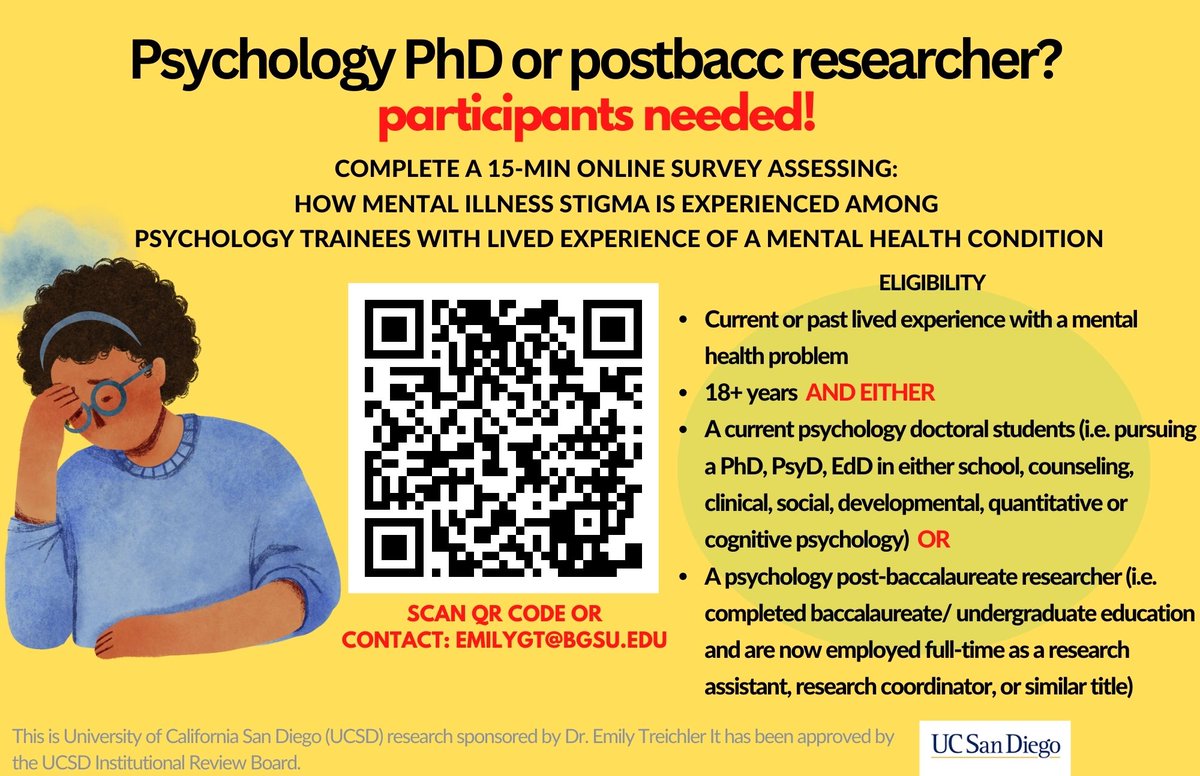
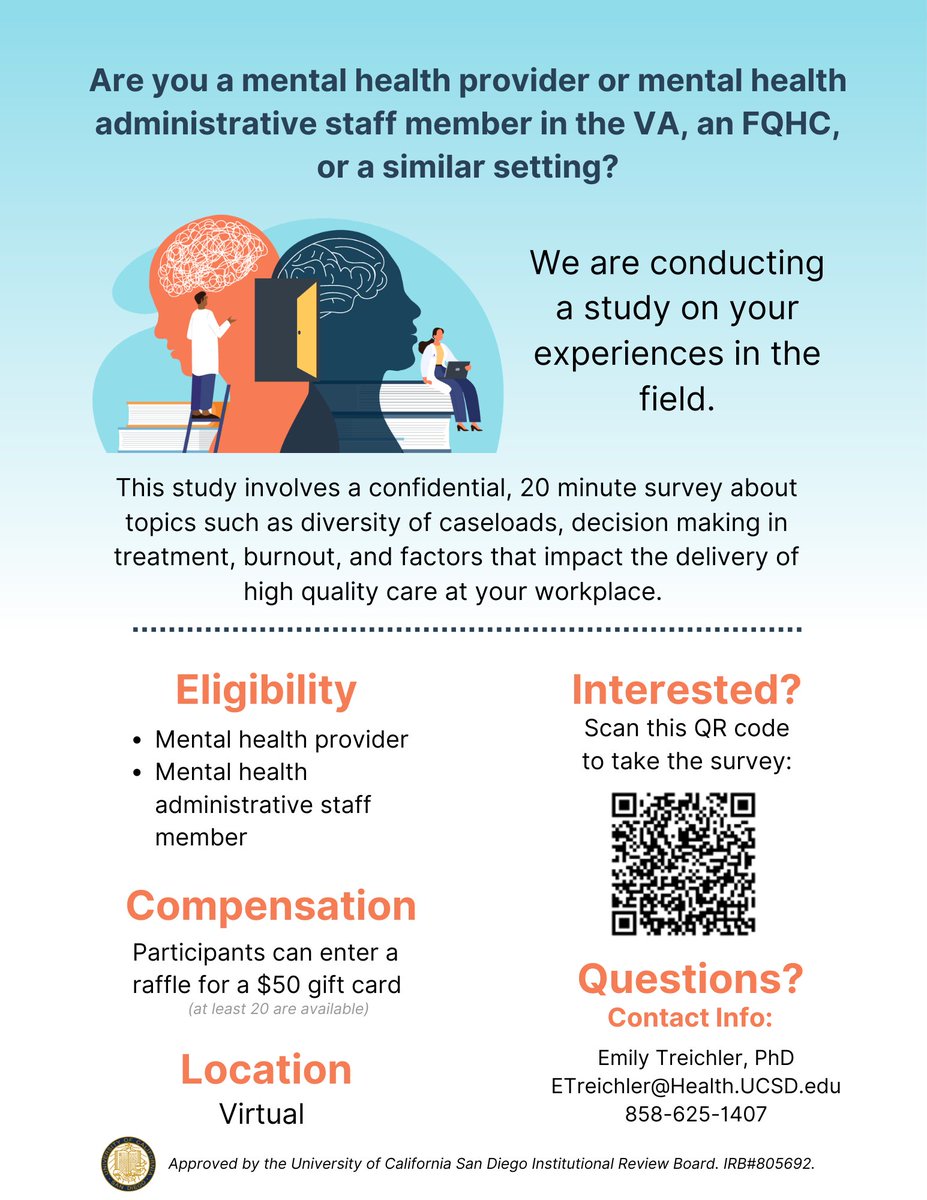
We are looking for mental health providers and mental health administrative staff to participate in a survey about their experiences in the field.
Scan the QR code to participate!
Collaborative Decision Skills Training (CDST) aims to empower patients with SMI in their treatment decision-making. Here is an infographic on preliminary findings of CDST's efficacy, acceptability, demand, and practicality!
Design by one of our research assistants, Jennisa Bangal
1/n
Shared decision making is supposed to be a priority in psychiatry, but it falls short.
A THREAD 🧵: How Shared is Shared Decision Making?
Authored by @EmilyTreichler
Presented by RAs Jennisa Bangal, Joanna Jain, Han Trieu, and Justin Wang
Link: https://t.co/v2mClrD8xx
14/n Since SDM falls short in several ways, CDM paves the way toward interventions that contribute to a mental health care system that prioritizes patient empowerment and respect alongside access to high-quality care.