Neurologist Professor @Deakin & Western Health | World Brain Day Chair | Brain Health Advocate | Founder Migraine Foundation | Candidate – RACP President-Elect
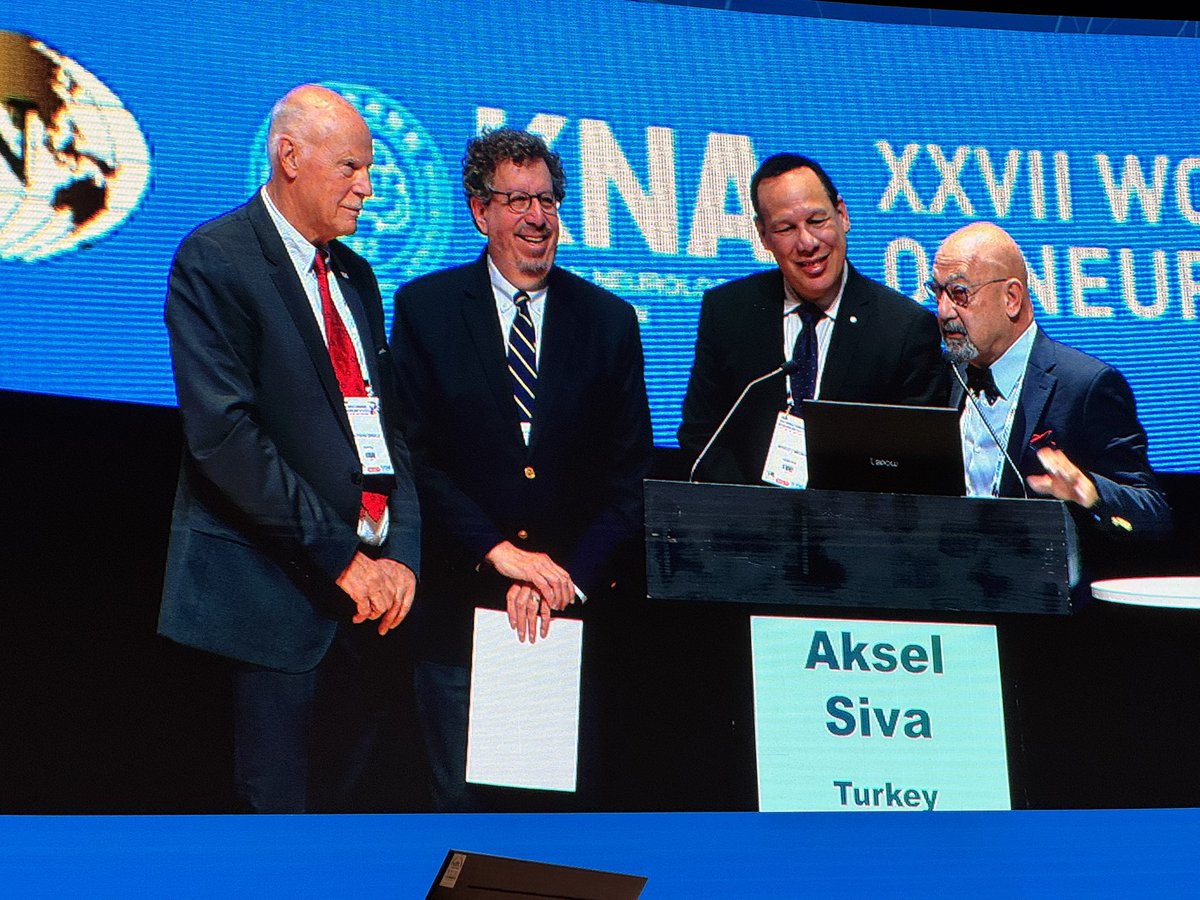
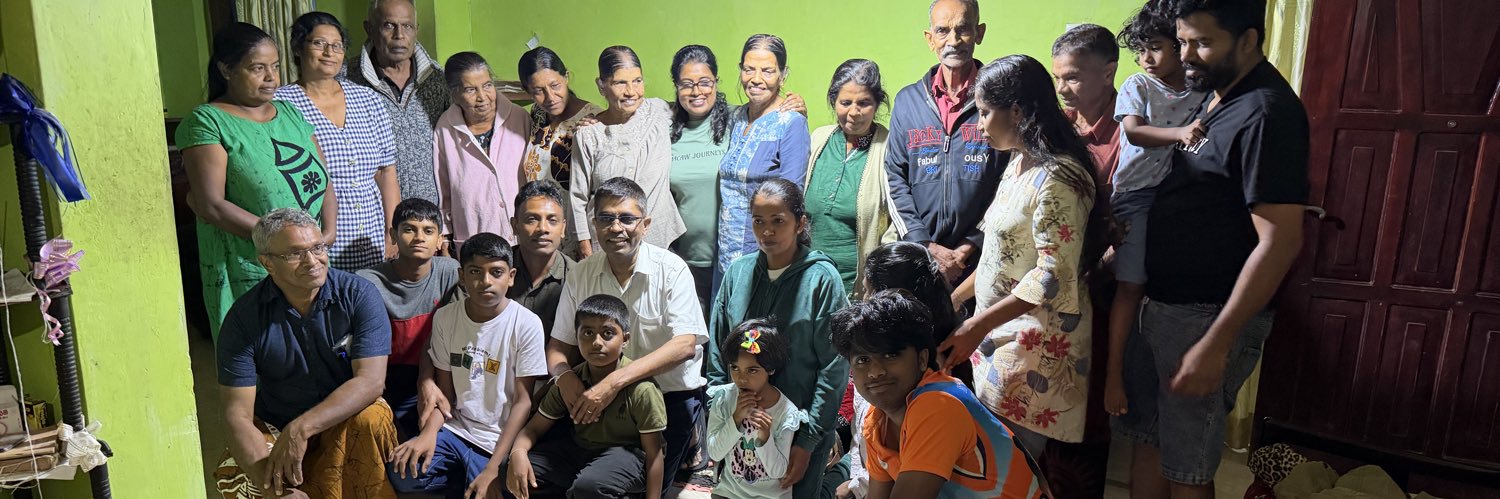
As we say Goodbye to MDSICON2026, the baton was handed over to Chennai...A sincere thank you to all delegates, faculty members, patients, and their family members, Amrita staff, and Neumech Events!!! @MDS@mdsieditor@PRDAssociation@amritafbd@neuro_ian
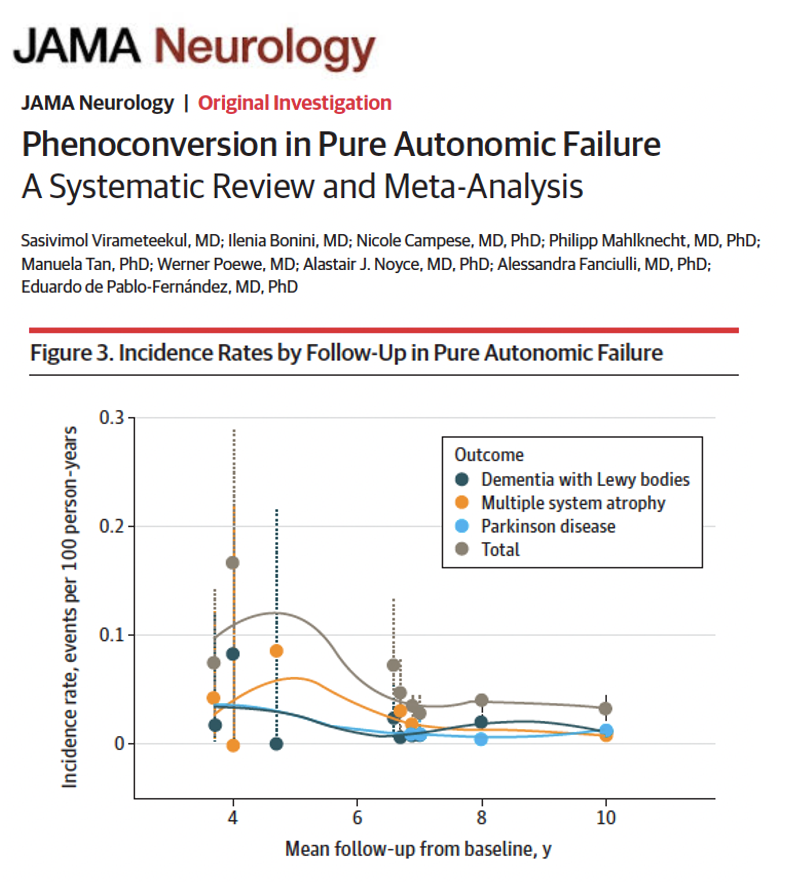
From autonomic failure to Parkinson’s and beyond: tracking the early warning signs of synuclein related disease. Phenoconversion means the transition from one clinical condition to another over time, in this case from pure autonomic failure to disorders like Parkinson’s disease, dementia with Lewy bodies or multiple system atrophy. Virameteekul and colleagues describe in a new paper in JAMA Neurology how frequently and under what conditions folks w/ pure autonomic failure develop central α-synucleinopathies.
Key points:
- Approximately 30% of individuals w/ pure autonomic failure developed a central α-synucleinopathy over follow-up, w/ an annual conversion rate of about 5%.
- Multiple system atrophy tended to emerge earlier, while Parkinson’s disease and dementia with Lewy bodies showed a more gradual and sustained risk over time.
- Clinical features such as REM sleep behavior disorder, subtle motor signs and hyposmia (smell loss) were among the most consistent predictors of conversion.
My take: This study reinforces something many of us have suspected for years: the autonomic nervous system may be one of the earliest windows into neurodegeneration. The ability to identify who is at highest risk and when conversion may occur could reshape how we think about early diagnosis and intervention.
Here are 5 points that resonated w/ me:
1- Autonomic symptoms may represent an early stage of Parkinson’s biology rather than a separate condition.
2- A 5% annual conversion rate is meaningful and highlights the need for close longitudinal follow-up.
3- Timing matters as different diseases emerge on different trajectories.
4- Simple clinical features like smell loss and dream enactment may help stratify risk today.
5- The future will likely combine clinical signs w/ biomarkers to identify the right folks for early intervention and disease modifying trials.
https://t.co/TcDtHeU1wG @JAMANetwork@jamaneuro@ParkinsonDotOrg #parkinson
Right to the end, Marc Girod was determined to live positively.
Two years ago Marc was diagnosed with motor neurone disease in his early 40s. Yet even as it took hold, Marc called himself a “happy puppy”… because, he said, “rational thinking should make you use your time and energy on elements you have control over, and therefore you can change”.
For Marc, that meant living life on his terms, in the full knowledge of what an MND diagnosis would mean. For the past few months, Marc used social media both to chart the horrible progression of his disease, but also his determination to enjoy life while he could – and to leave a legacy.
For more than a year Marc had been fundraising and driving awareness for Neuroscience Research Australia, where he had been receiving care. Generating tens of thousands of dollars so far for research, Marc hoped that sufferers of neurodegenerative diseases in the future can look forward to a more positive diagnosis.
As his extraordinary column by Marc reveals – and published posthumously in The Guardian – his last few weeks became increasingly grim. And yet his determination to enjoy the company of his friends went on until the hours before Marc passed away on April 20.
“I’ve had a great life with a lot of people who love me,” he writes, “I’ve been really lucky.”
An In Memoriam page has been created for Marc, to raise life-changing funds for Neuroscience Research Australia.
To donate, click here: https://t.co/NNzk1iG0LX
Read Marc's column here: https://t.co/m0BZsOZ2Jw
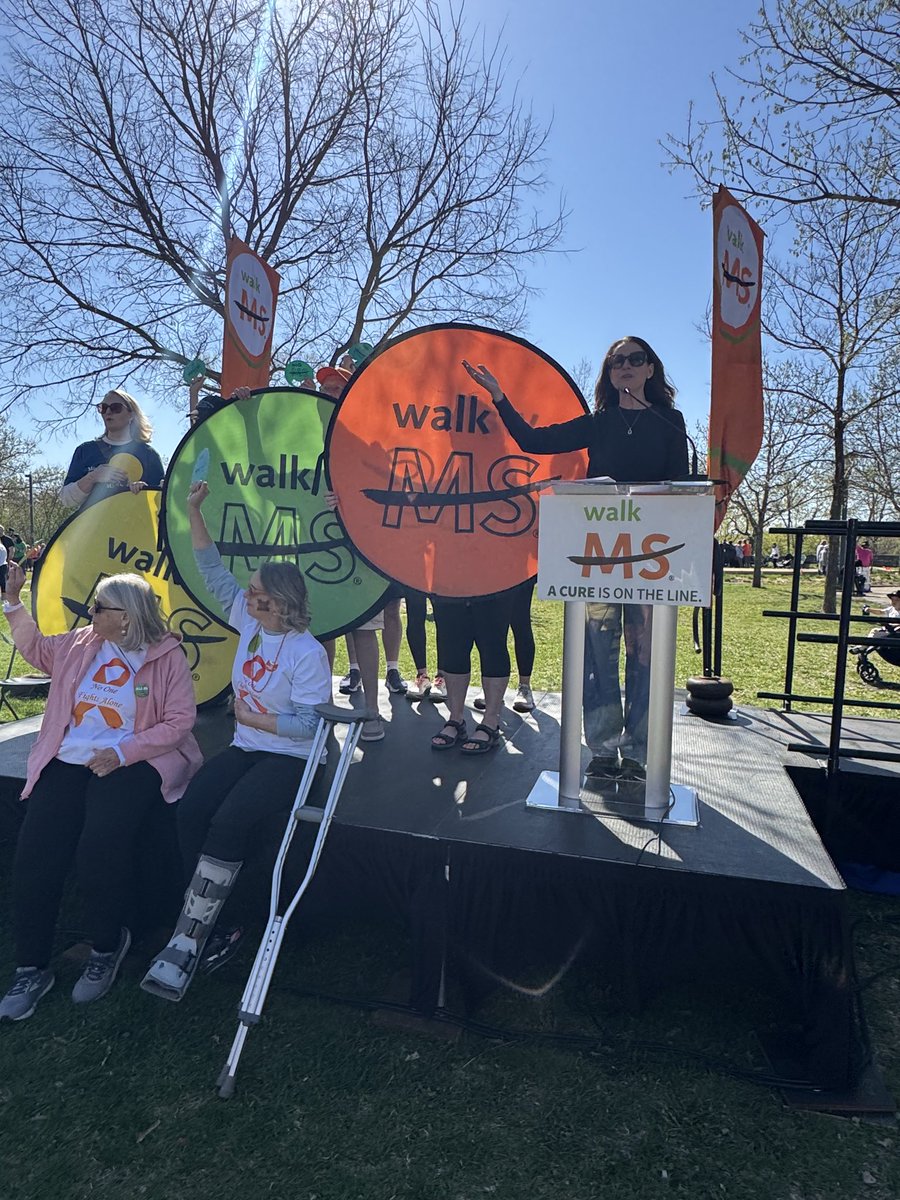
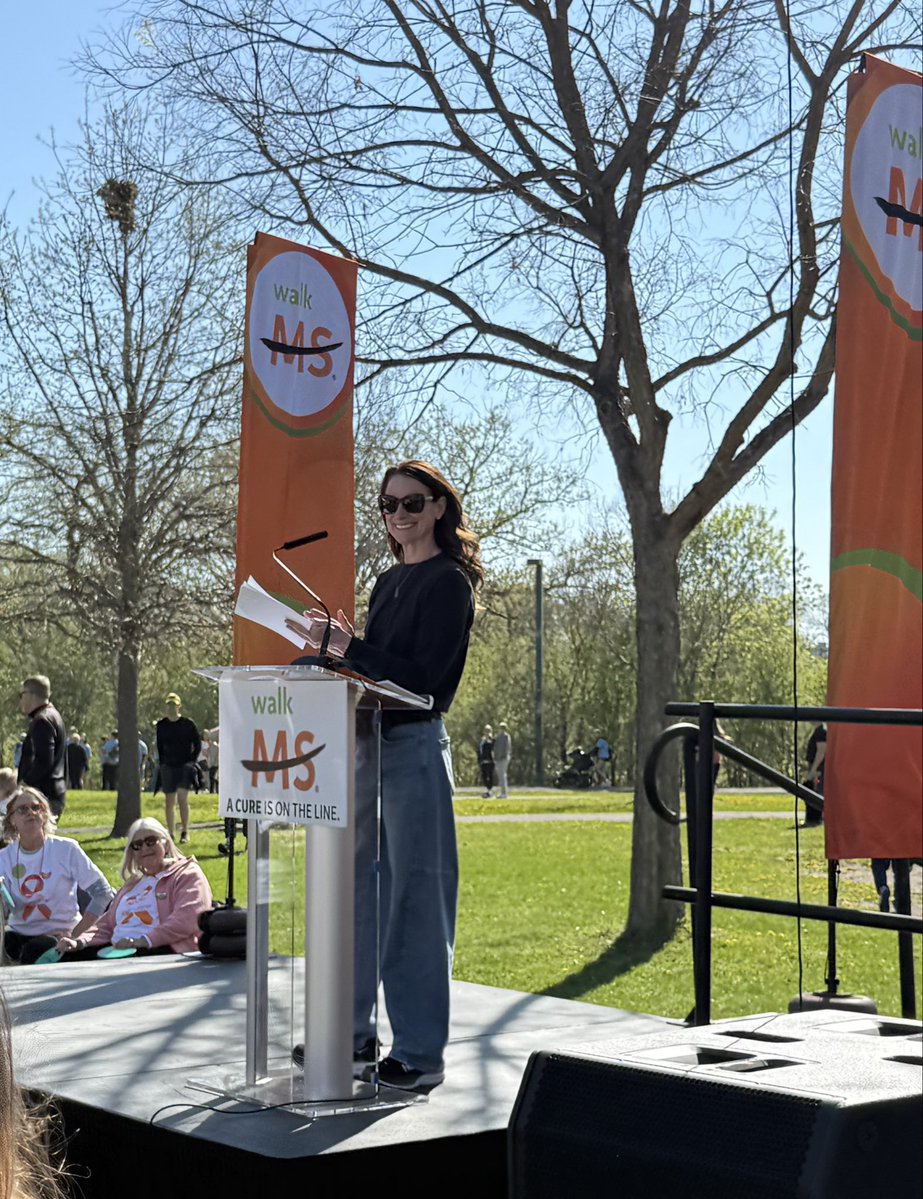
It was an honor to host Walk MS Twin Cities today with the National MS Society. They raised more than $537,000! MS ends with us. #WalkMs26#NeurologyProud
Only 10 days left to vote in the RACP 2026 President-Elect election (closes 28 April).
I’m standing for experienced, independent leadership — focused on unity, supporting trainees, and putting physicians & patients first.
I’d value your vote.
Check your CorpVote email.
#RACP #RACP2026 #PhysicianLeadership
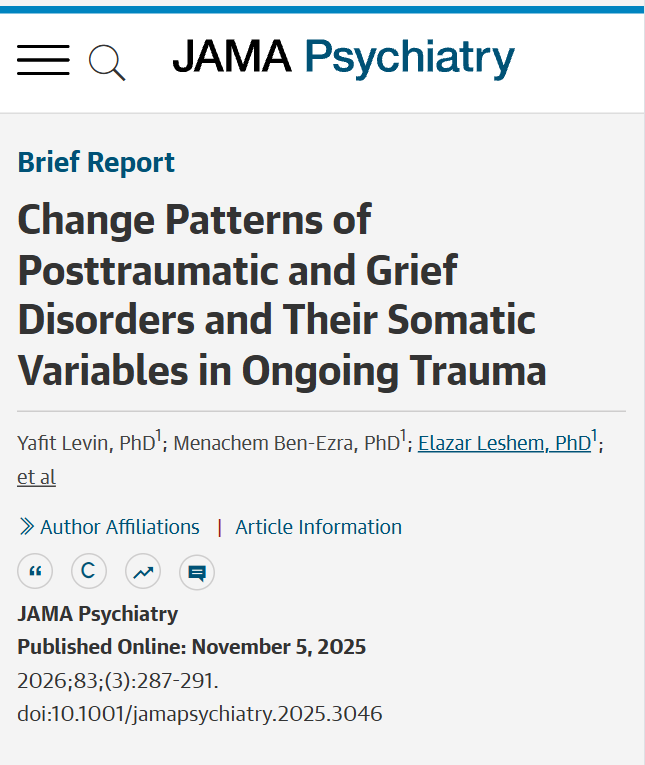
When people go through very hard or scary things, the stress can stay in their body for a long time.
It does not just affect how they feel — it can also make their body hurt, like headaches, stomach pain, or tiredness.
Sometimes these problems come and go, or change over time, but they are still real and important.
This is why we need to help the whole person —
not just the mind, and not just the body — but both together, with care, understanding, and support.
@MigraineFounda2
Chronic, delayed, and shifting patterns of PTSD, CPTSD, and PGD were linked to higher levels of somatization and pain, highlighting the need for integrated trauma-informed care addressing physical and psychological health. https://t.co/5ZXD0hPEtA
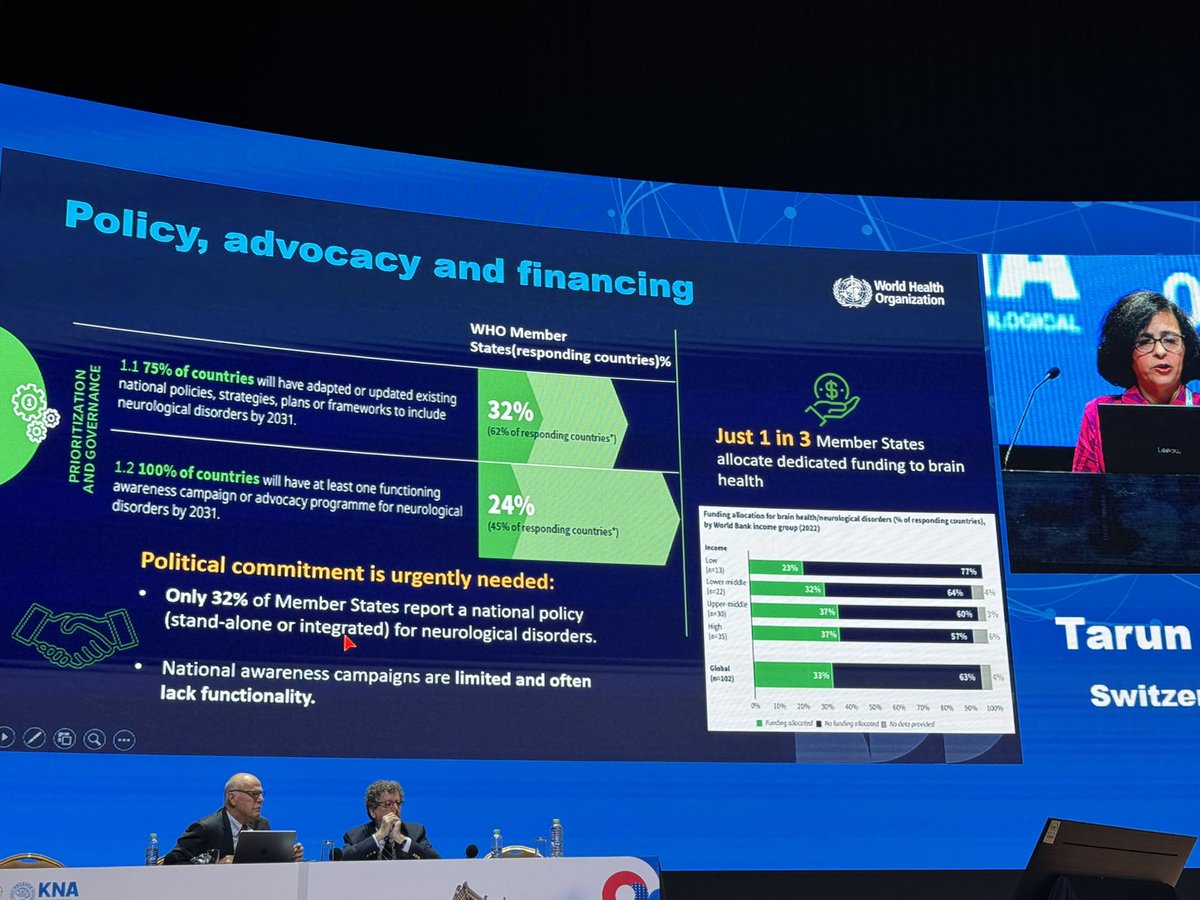
@nervecentrals Important work at a critical time for our health system. Dementia is now one of the defining challenges of our era, and it reinforces a broader truth — brain health must become a national priority.
Efforts that bring together awareness, prevention, early detection, and research are essential if we are to reduce the growing burden on individuals, families, and the health system. The recognition that a substantial proportion of dementia is potentially preventable highlights the opportunity we have to act earlier and more effectively across the life course.
Encouraging to see NeuRA leading this national conversation and advancing the science. There is much here that can help shape a more integrated, prevention-focused approach to brain health in Australia.@MigraineFounda2@wfneurology@TheRACP
Over the past year NeuRA has played a leading role in discussions around improving Australia's dementia awareness, prevention and treatment, including the Think Again campaign run by News Corp and aiming to spark a national conversation.
With dementia now Australia's leading cause of death, we're pleased everyone will be able to read these stories and others featuring our researchers for free this weekend, thanks to The Australian's Open House promotion.
Featuring the research of some of NeuRA's leading minds, NeuRA CEO Matthew Keirnan AM, Professor Carolyn Sue AM, Dr Claire Shepherd and Professor Kaarin Anstey.
Brain banks under strain due to scarce funding, competitive grants - https://t.co/LLaBKdI5yu
New blood test could detect dementia decades before symptoms appear - https://t.co/SXBTPD22qE
Dementia threatens to swamp health systems and devastate families, but almost half of cases are preventable - https://t.co/99W731KEhI
Inside the ‘groundbreaking’ trial to try to stop or reverse Parkinson’s disease - https://t.co/Ub1TNa2XKd
Dementia trial aims to prove memory decline can be slowed - https://t.co/Inn6zv6gLo
@nervecentrals@kaarin_anstey
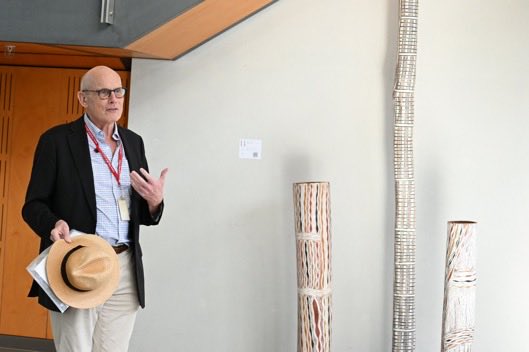
A deeply meaningful tribute to Professor Tony Broe’s remarkable legacy. His commitment to improving brain health outcomes for First Nations communities, particularly in ageing and dementia, has left an enduring impact.
Important work that continues to guide us all — thank you Matthew and the NeuRA team for carrying this forward.
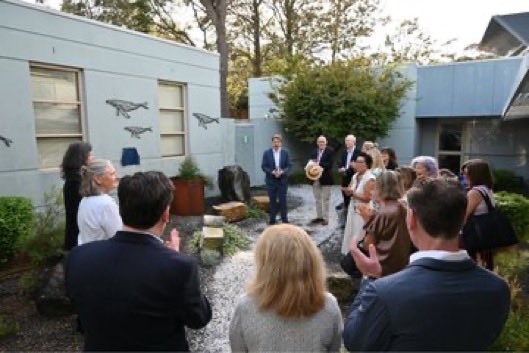
We were honoured to have Justice Hayley Bennett visit NeuRA and present a set of Aboriginal burial poles in honour of her husband, the late Professor Tony Broe.
Justice Bennett, NeuRA CEO Professor Matthew Kiernan and Professor Broe's former colleague, Dr Bill Brooks, spoke of the passion Professor Broe had in his work leading NeuRA's Aboriginal Health & Ageing Group.
In addition to the burial poles, a plaque was unveiled by Justice Bennett in NeuRA's Indigenous Garden, acknowledging Professor Broe's work addressing the disproportionate burden First Nations people bear in terms of ageing and dementia. That included his long service at NeuRA but also on expert advisory committees for the NHMRC and consulting to Government about National Action Plans and legislation.
@nervecentrals
Brain Health as Daily Practice
When we hear the phrase “brain health,” many of us think of complex medical research, expensive therapies, or advanced technologies. But in truth, brain health begins with the simplest of daily habits.
Think about sleep. A tired brain struggles to cope with stress, to make good decisions, to feel balanced. Good rest, on the other hand, restores resilience. Consider food. Nourishing meals steady both body and mind, while over-processed fuel leaves us anxious or flat. Even the thoughts we nurture each day — hopeful or harsh, grateful or critical — shape our mental wellbeing more than we realise.
Brain health is not about perfection. It’s about practice. About small choices repeated over time. Pausing before reacting in anger. Choosing to walk in the park instead of scrolling endlessly. Reaching for water instead of another coffee. Speaking kindly to a colleague or loved one.
These are small acts, but when we add them together, they form a powerful medicine.
Joy and clarity are not reserved for extraordinary people. They arise naturally when we respect the needs of our brain and cultivate daily habits that protect it.
So ask yourself: what is one small act you can commit to today that would nourish your brain? It might seem simple, but those choices, made day after day, change everything.