Parents play a critical role in shaping childcare systems. Beyond choosing a facility, parents have the power to ask questions, demand standards, and advocate for better policies.
Parents should feel empowered to ask about safety measures, caregiver training, daily routines, nutrition, and child protection policies. When parents engage collectively, through communities, schools, and policy platforms, they help drive accountability and reform.
Protecting children starts with protecting those entrusted with their care. A strong childcare system recognizes caregivers not as replaceable labor, but as professionals shaping the next generation.
Caregivers are the backbone of any childcare system. Yet they are often underpaid, undertrained, and overlooked. Expecting quality care without investing in caregivers puts both children and caregivers at risk.
An effective childcare system prioritizes caregiver training, mental health support, fair working conditions, and ongoing supervision. Caregivers who are supported are more responsive, attentive, and emotionally available to children.
When facilities operate within strong frameworks, caregivers are supported, parents are assured, and children are protected. Policy frameworks transform childcare from informal care into structured systems that nurture children’s potential.
Childcare facilities require more than buildings and goodwill; they need clear, enforceable frameworks that guide daily operations and long-term accountability.
Key frameworks should include:
- Child safeguarding policies to prevent abuse and neglect
- Caregiver-to-child ratios appropriate to age groups
- Health and hygiene standards to reduce illness and harm
- Learning and play frameworks that support development
- Monitoring and reporting mechanisms for accountability
Protecting children starts with protecting those entrusted with their care. A strong childcare system recognizes caregivers not as replaceable labor, but as professionals shaping the next generation.
Caregivers are the backbone of any childcare system. Yet they are often underpaid, undertrained, and overlooked in policy discussions. Expecting quality care without investing in caregivers puts both children and caregivers at risk.
Effective childcare policy must prioritize caregiver training, mental health support, fair working conditions, and ongoing supervision. Caregivers who are supported are more responsive, attentive, and emotionally available to children.
Policies must move beyond minimum survival standards and instead promote holistic child development. When childcare frameworks prioritize thriving, they contribute directly to healthier families, stronger communities, and better long-term outcomes for society.
What Does It Mean for a Child to Thrive in Care Facilities?
Quality childcare goes beyond keeping children safe, it enables them to thrive. Thriving means a child feels emotionally secure, physically safe, mentally stimulated, and socially supported.
A thriving childcare environment includes warm & responsive caregivers, structured routines, age-appropriate play & learning, proper nutrition, & safe physical spaces. Just as importantly, children need consistency, affection, & the freedom to explore in a protected environment.
At Community Initiatives Agenda, we believe childcare policy is not about control; it is about protection, equity, and dignity for every child, regardless of where they are born or who cares for them.
Childcare is often treated as a private family issue, yet it is one of the most critical public responsibilities of any society. When childcare is left unregulated, the quality of care a child receives depends on chance rather than standards.
When the media engages deeply with childcare issues, it strengthens accountability, awareness, and action.
Together, we are not just discussing challenges; we are identifying solutions for safer, nurturing environments for our children.
#ChildcareAdvocacy
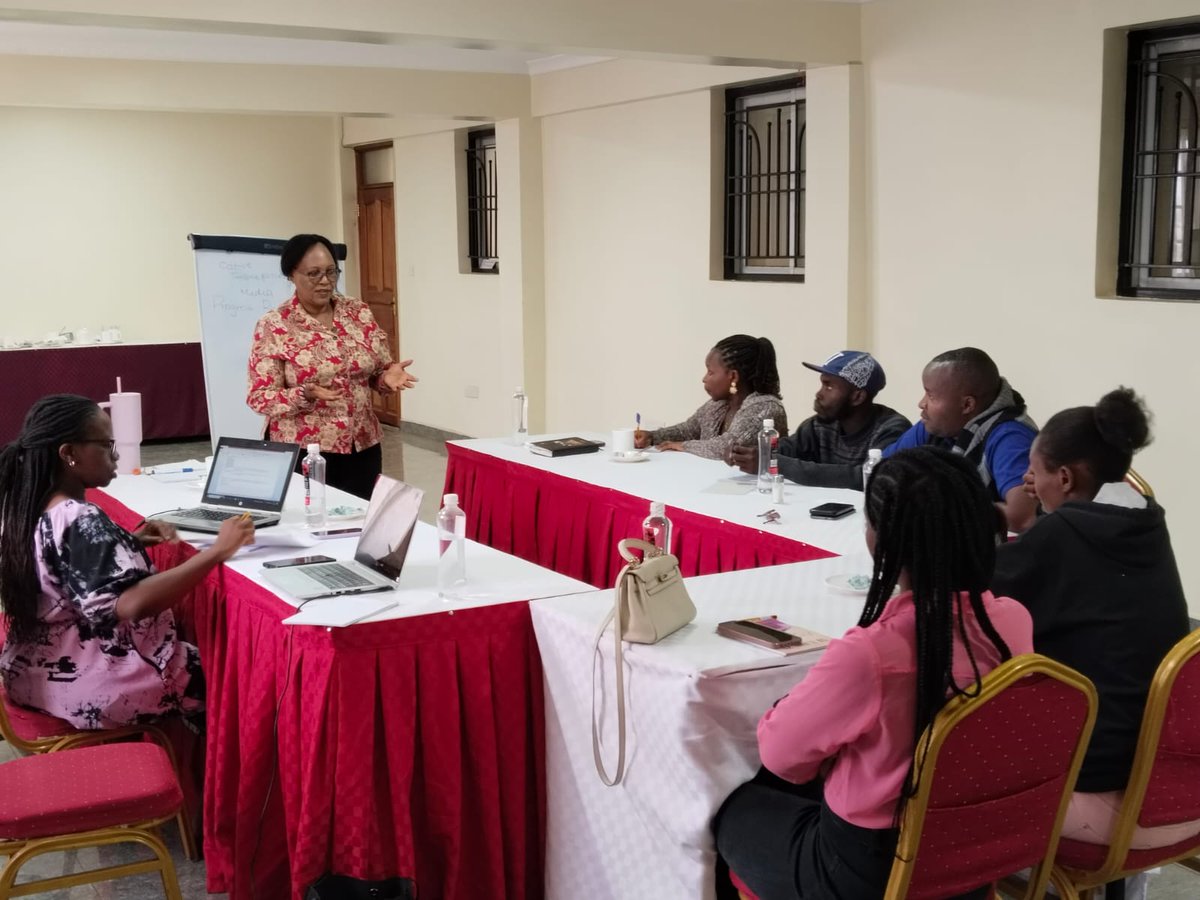
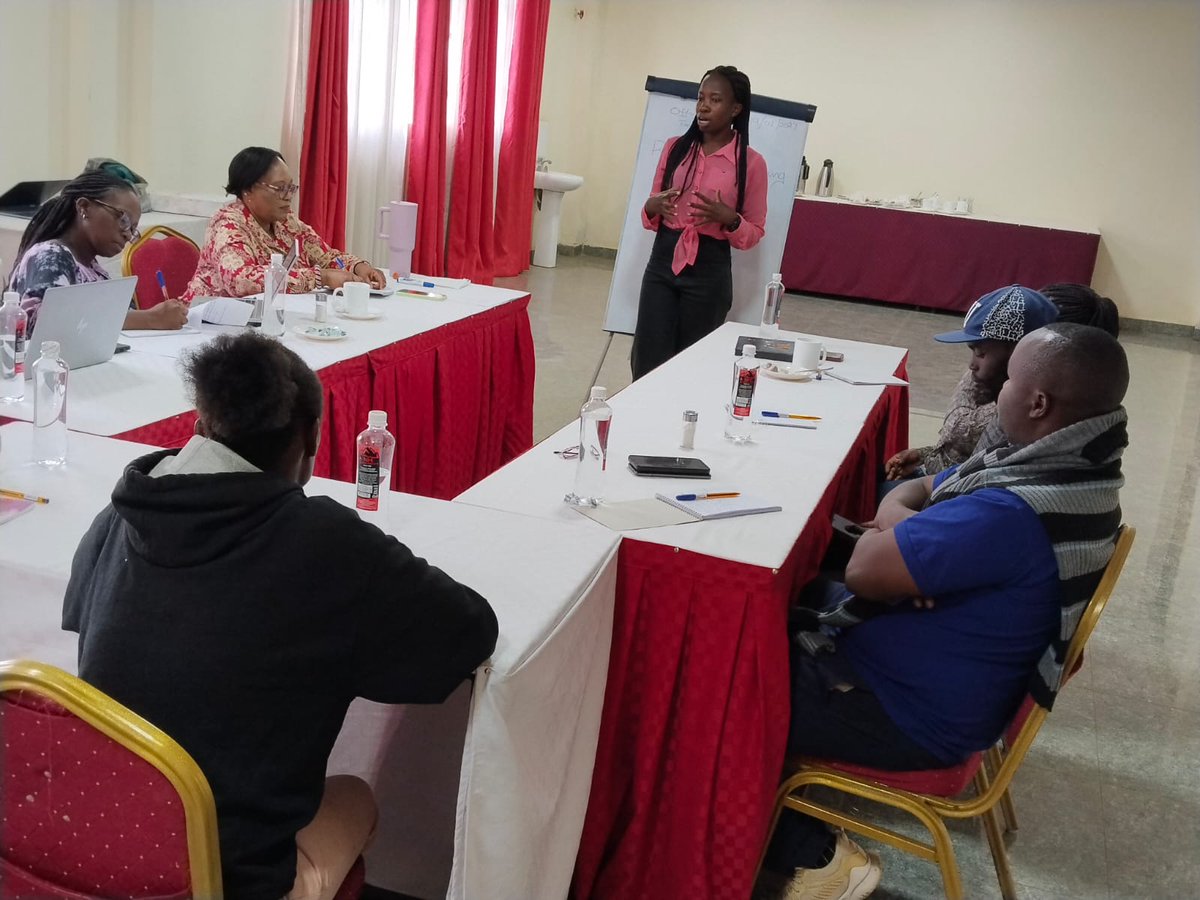
Our progress review meeting with Kajiado County media partners is currently underway.
Media personalities are sharing powerful feedback from their visits to childcare facilities and daycare centres across the county, highlighting:
-The current state of childcare centres
-Gaps and challenges observed
-The urgent need for education of parents, caregivers, and daycare owners
-What must be done to strengthen standards and implementation
These conversations are critical.