We just published our May Spotlight of eighteen emerging artists to put on your radar.
Every month we feature our favorite submissions from emerging artists in our audience of over 200k+ creatives.
If you're an artist or photographer looking for a platform, submissions are open for June.
Read the Spotlight here ↓
https://t.co/RtpR3CbSEq
Painted the year Zeng graduated in Wuhan, the triptych borrows from the format of a Christian altarpiece to frame a hospital ward as sacred space. Patients and doctors share the same distorted faces, oversized hands reaching across a claustrophobic composition where healer and sufferer are equally exposed.
Cucchiarra spent twelve days documenting a community of retired sunbathers on the coastline of Napoli, Italy. The series records a subculture built around daily ritual, leisurely rhythm of conversation, and proximity to the sea.
Paired with salon paintings in gold frames that similarly disappear above the ceiling line, these presences suggest the existence of a world the viewer has no access to, only what is perceivable at human scale.
The Giant by Ilya and Emilia Kabakov (2002)
This installation shows giant figures dressed in late nineteenth-century costume, visible only from the waist down, whose scale implies a ceiling that exists somewhere beyond the architecture of the room.
Flippo's series examines the mythology of the rural South, the traditions of lineage that define these small communities, and the reality those traditions often create. The photographs move between towns in decline and towns beginning to revive, following the people who call them home and the traces of those who have migrated elsewhere.
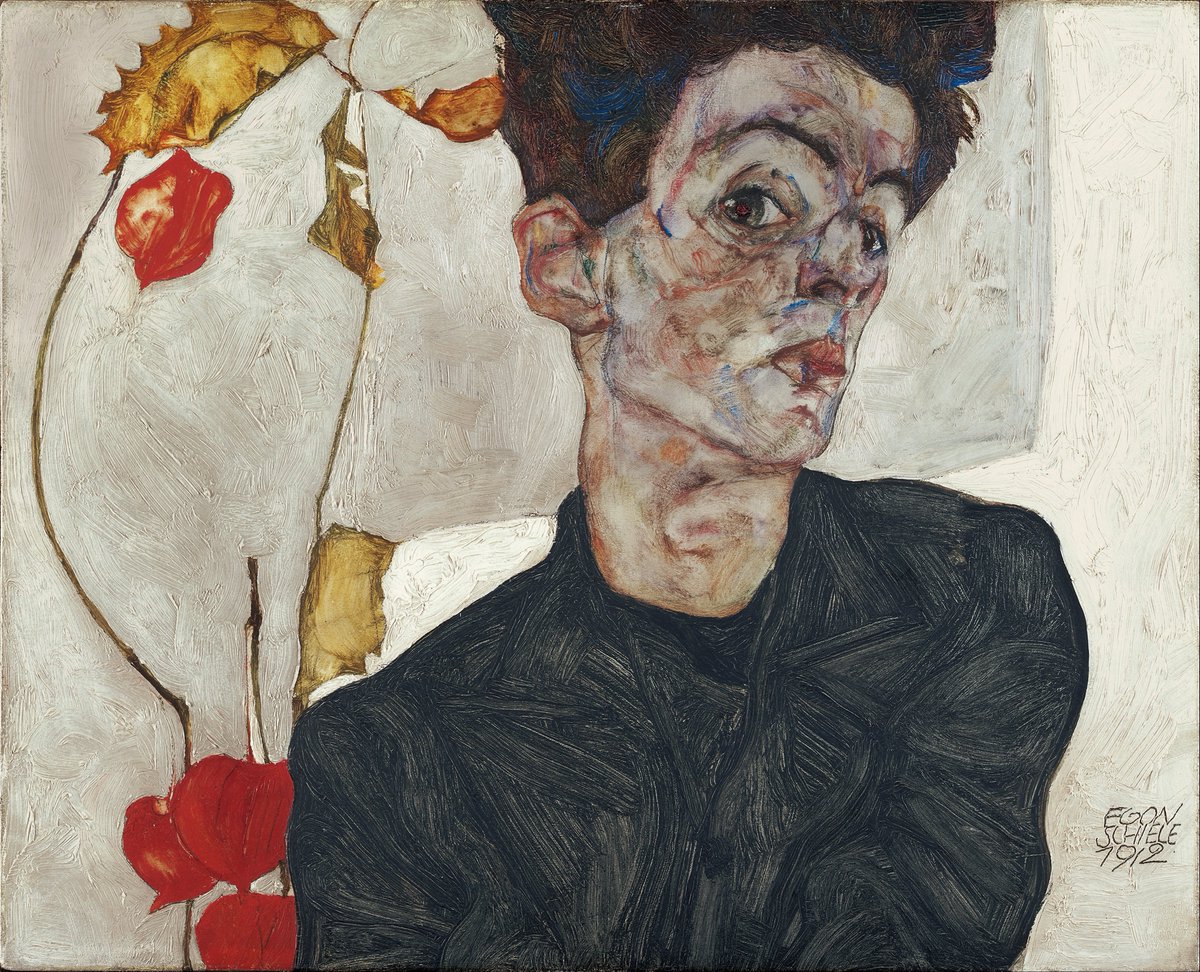
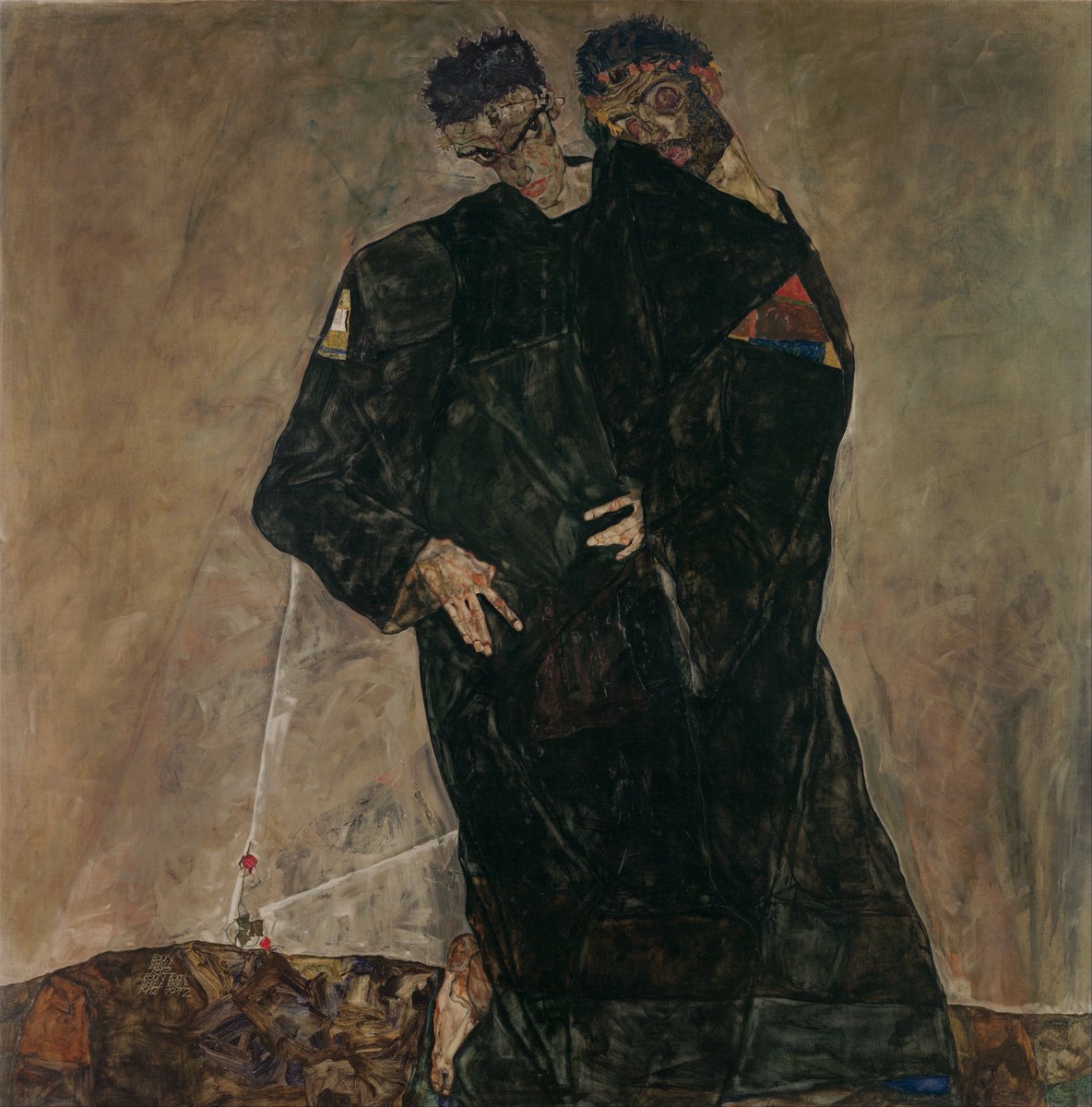
Over his short career, he became known for portraying himself and those closest to him with intensity. His figures are gaunt, contorted, rendered with exposed nerves and angular limbs that broke sharply from the academic tradition at the time.
Portraits by Egon Schiele (1910-1915)
Schiele died in 1918 at age 28 during the Spanish flu pandemic, three days after losing his wife Edith, who was six months pregnant.
Routte-Prieur is a Baltimore-based artist whose drawings engage the visual culture of 1990s and 2000s New York as subject matter and formal influence. Working his work renders fashion and place as interconnected systems, built from years spent among graffiti writers, skateboarders, and musicians in Lower Manhattan.
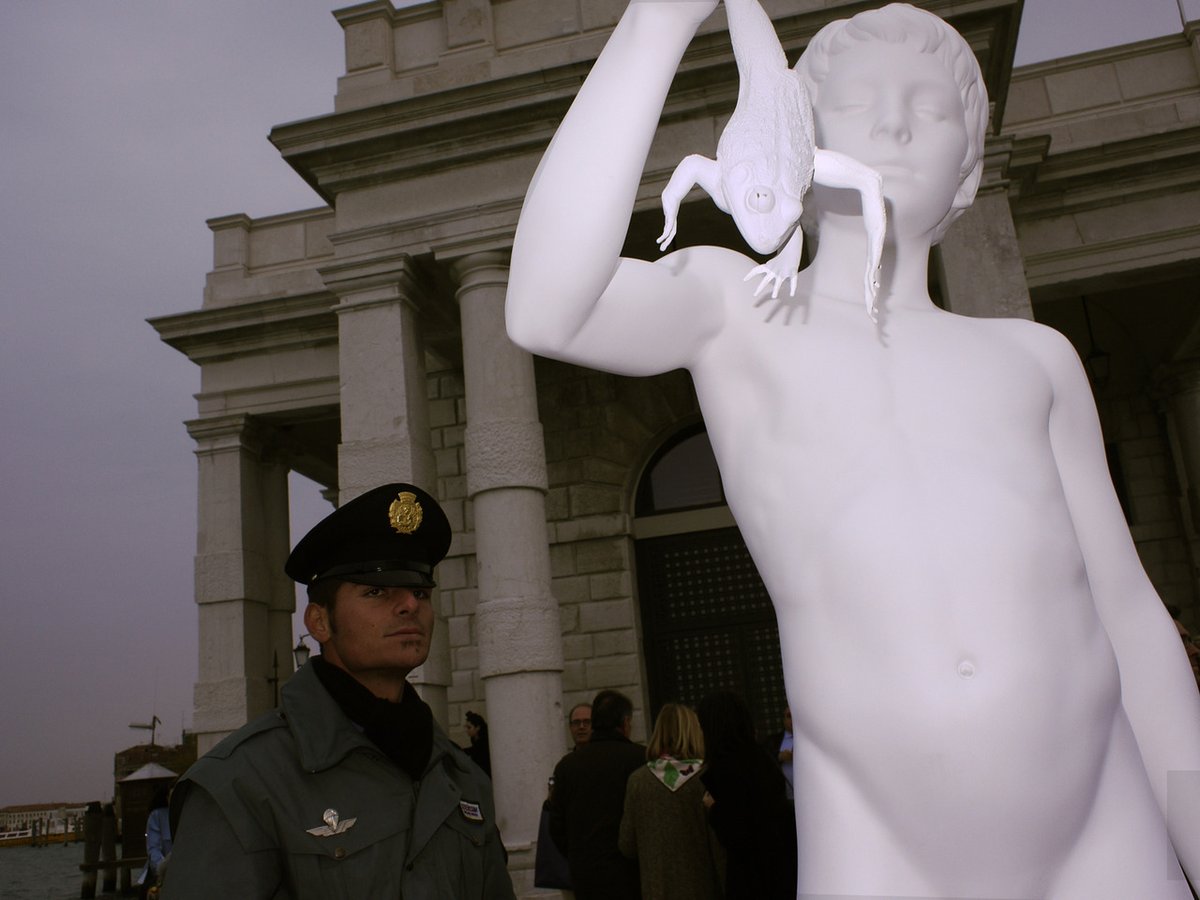
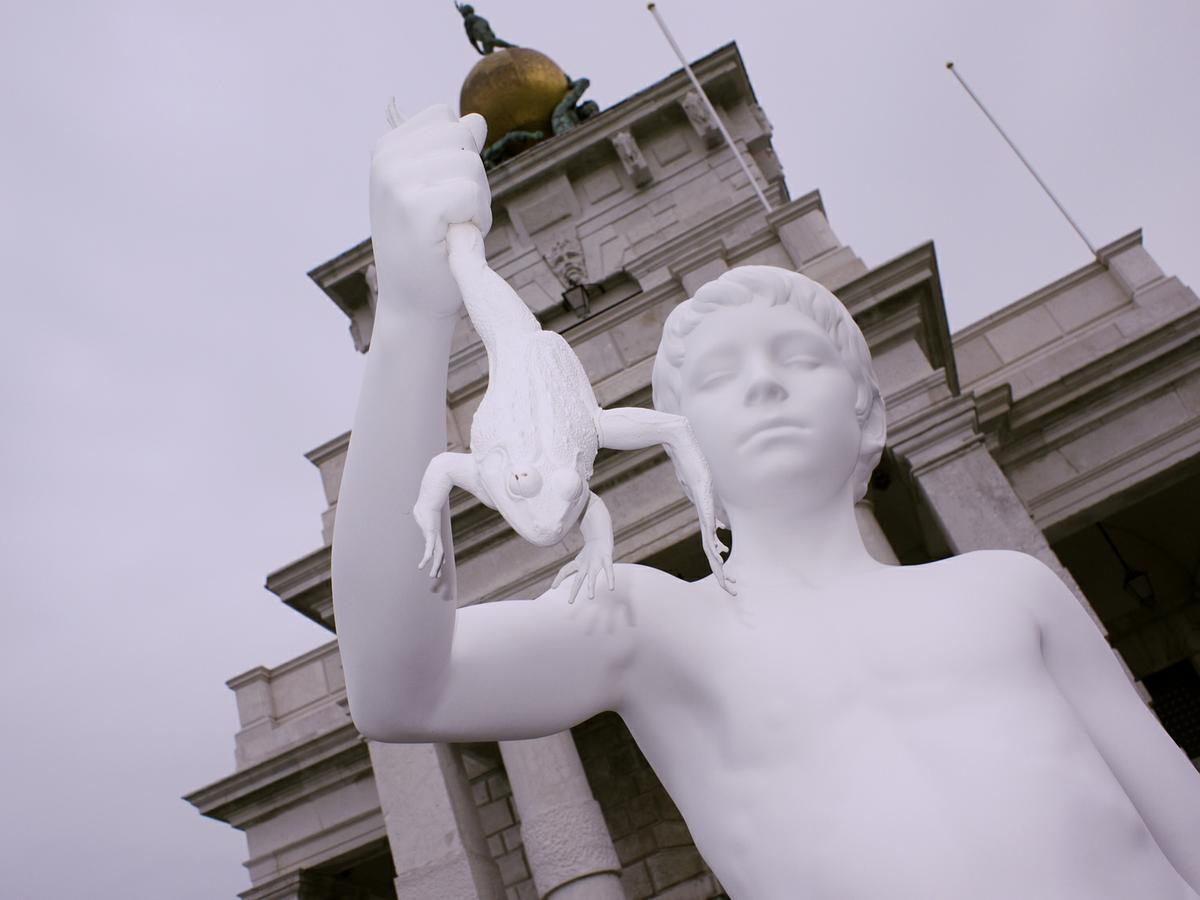
Commissioned by François Pinault for the Punta della Dogana in 2009, the figure stood at the tip of Venice for four years before the city removed it in 2013, citing an expired exhibition permit. The mayor who ordered its removal was arrested the following year in the Mose project corruption scandal.