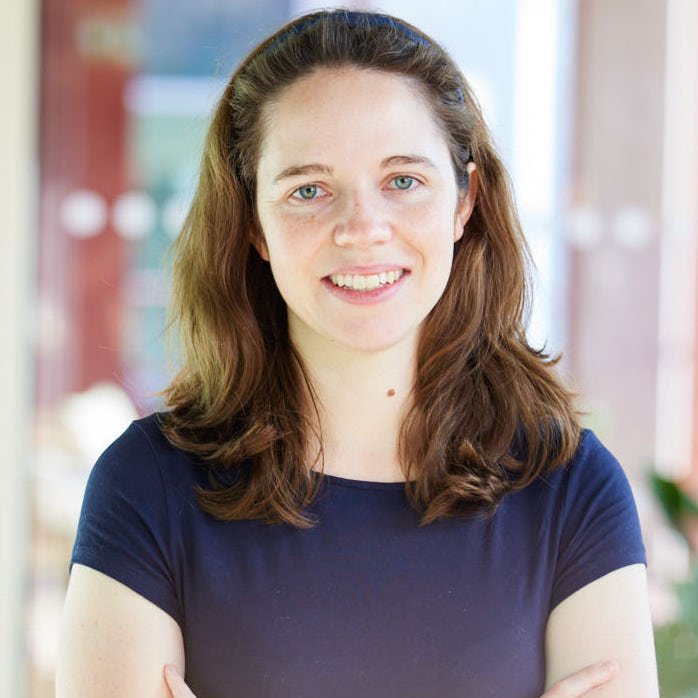
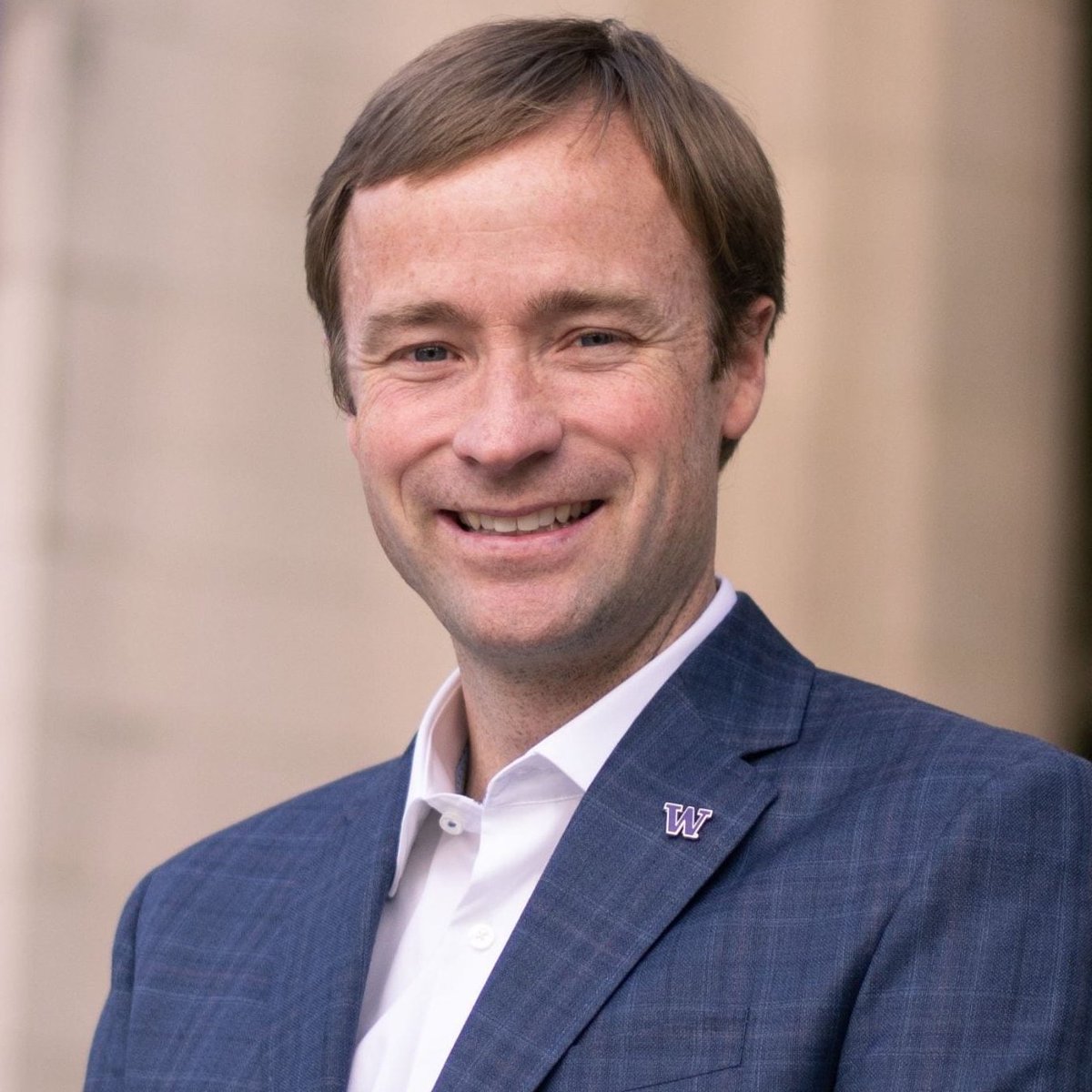
Come be my friend! We're hiring an Instructional Professor in Computational Social Science at the University of Chicago. We welcome candidates from the broad research and teaching areas of computational social science, computational psychology, information science, and data science. Potential areas of focus include but are not limited to machine learning, deep learning, digital experimentation, natural language processing, data science, and data mining. We especially welcome applications from members of underrepresented groups in computing. Professors will teach in the Master of Arts in Computational Social Science (MACSS), a two-year interdisciplinary MA program that trains students in the theory and methods of algorithmic, cutting-edge computational techniques. The IP is a professional track at the University of Chicago, open to rank (Assistant, Associate, or full Instructional Professor level). The teaching load consists of four courses and mentoring responsibilities within the program.
If you or a prospective applicant has any questions about the position, please contact me ([email protected]), my co-faculty director, Marc Berman ([email protected]), or our associate director, Jean Clipperton ([email protected]). Full listing here: https://t.co/LKGAB9Lu1p. Review begins February 15.
1/n Thrilled to announce that our chapter "Scientific Networks", led by @Elisabel76, is part of an incredible book featuring leading figures at the intersection of culture and social networks! #socialnetworks@SocNetAnalysts
🤩 #ICWSM24 has a great lineup of workshops covering various topics
🔗 You can find the links at https://t.co/0qOwKLm1XC
��And here is a thread of the CFPs:
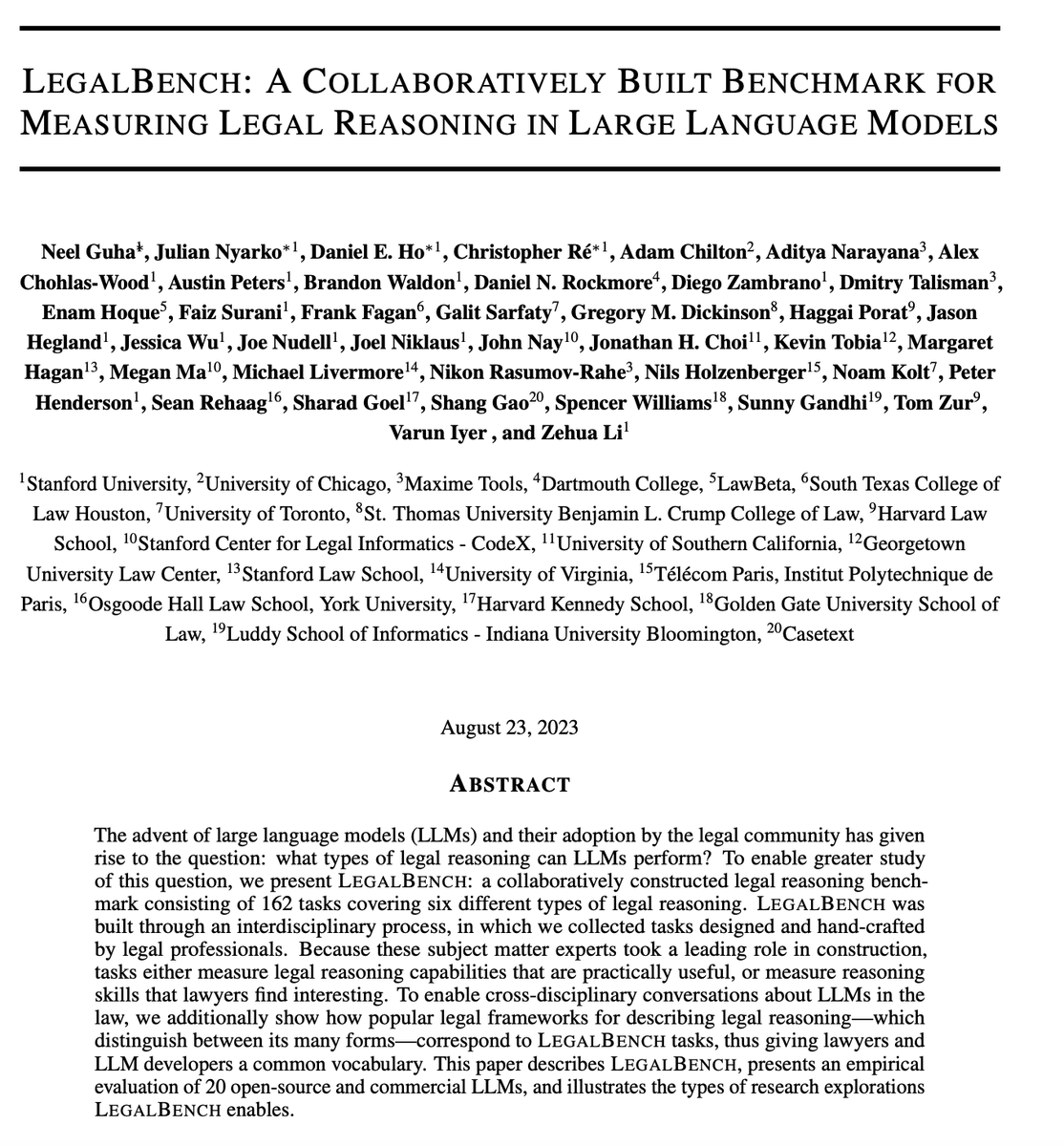
We’re beyond excited to share the first release of LegalBench–a collaboratively constructed open-source benchmark for evaluating legal reasoning in English large language models.
🔗https://t.co/7nnkjb2QJ0
📜https://t.co/FMX5ndirJ4
Thrilled to see that our paper on network interventions and minorities was highlighted in Nature Reviews Physics: https://t.co/JiWES43kCt /w @leoneuhaeuser@JanBachmann11@mstrohm Michael Schaub
The Louvain method was first published online in March 2008. 15 years later, it just received its 20,000th citation. It is great to think of the many research projects and results that have been built on it. Many thanks to @vincentblondel, Etienne Lefebvre and Jean-Loup Guillaume
Dept of Sociology at Notre Dame invites applications for an open rank (tenure-track or tenured) position set to begin in the fall of 2024. Seeking a candidate who studies the effects of technology on society. https://t.co/x7PfTpaklJ
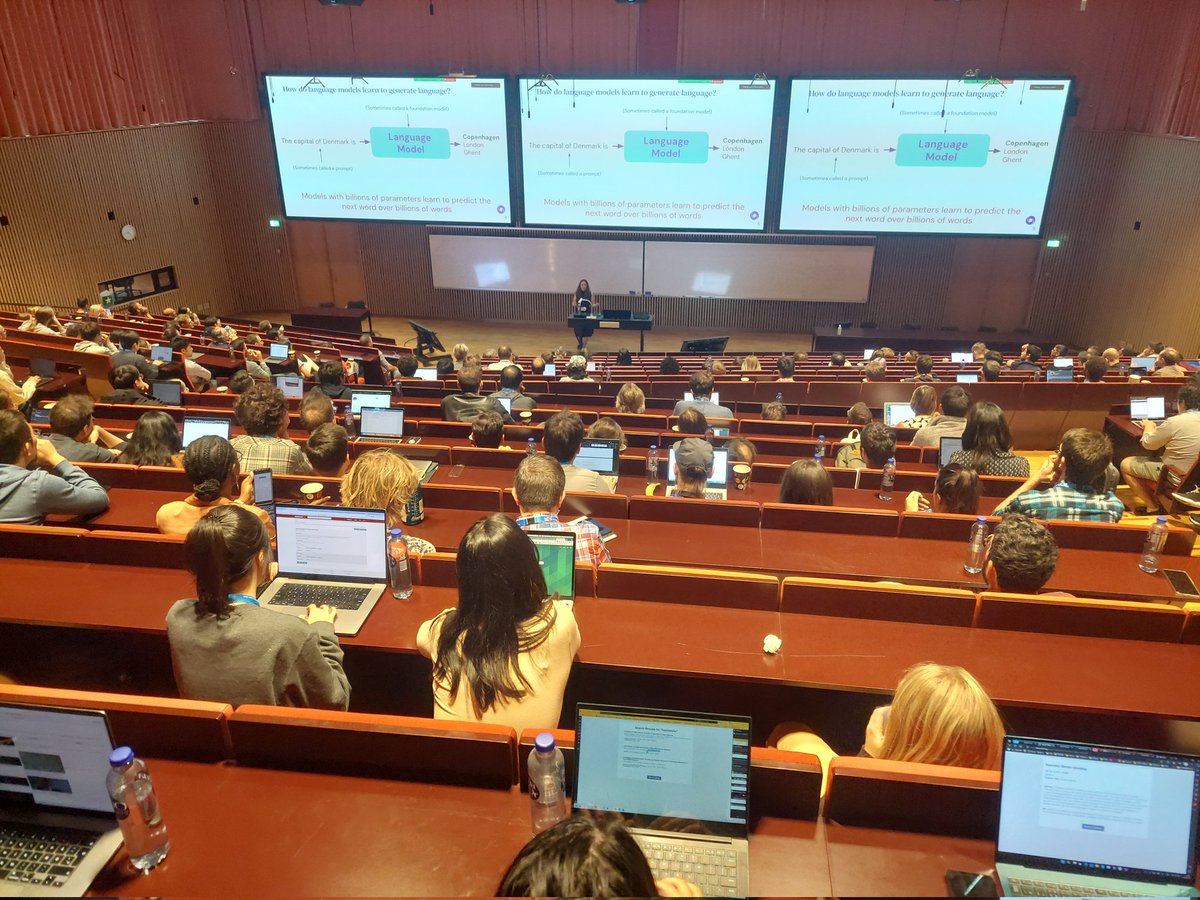
IC2S2'23 Extravaganza is contagious!
@suneman 's "Too lazy to read the paper" is packing everyone in.
Sparkling science in Room C!
https://t.co/zUF5y0A4Tn
W/ @clauwa@duncanjwatts@schichmax
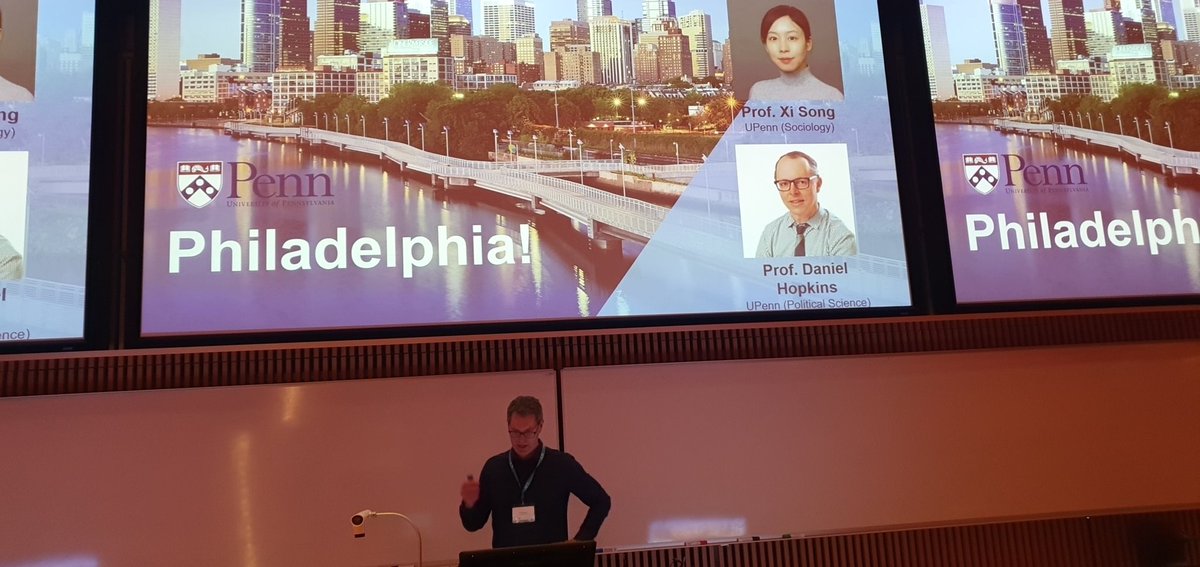
Are you at @IC2S2 and tied of randomly picking a #CommunityDetection algorithm and eyeballing the results on a network visualization? Join my #IC2S2 talk on July 20th at 12:15 at Room E where I'll present a comparison of 30 algorithms on standard LFR and ABCD benchmarks.
#IC2S2'23 BONUS EVENT😎
"CSS for the Sustainable Development Goals"
July 18, 1300-1400
What is CSS's potential for addressing the societal challenges of the 2030 SDGs?
@vedransekara will host a panel debate w/@elisa_omodei@KyriakiKalimeri@keltonminor @paddybrock
See you there!
New paper out w/@spfraib@michaelcbailey@deaneckles
https://t.co/tLzim5STjt
In this paper, we ask how long ties in networks are related to economic outcomes? What is the interplay between tie strength & range? What makes some people more likely to develop these valuable ties?
🗓️ June 20–22: The Schwartz Reisman Institute’s annual academic conference ABSOLUTELY INTERDISCIPLINARY returns for a wide range of stimulating discussions on how the next phase of AI development will transform our world.
Learn more and register: https://t.co/dOkyXMCG2O