Soak your rice in water add lemon and white vinegar leave for 10 mins before cooking. This increases the resistant starch and also removes any mold or arsenic in the rice
You are welcome.
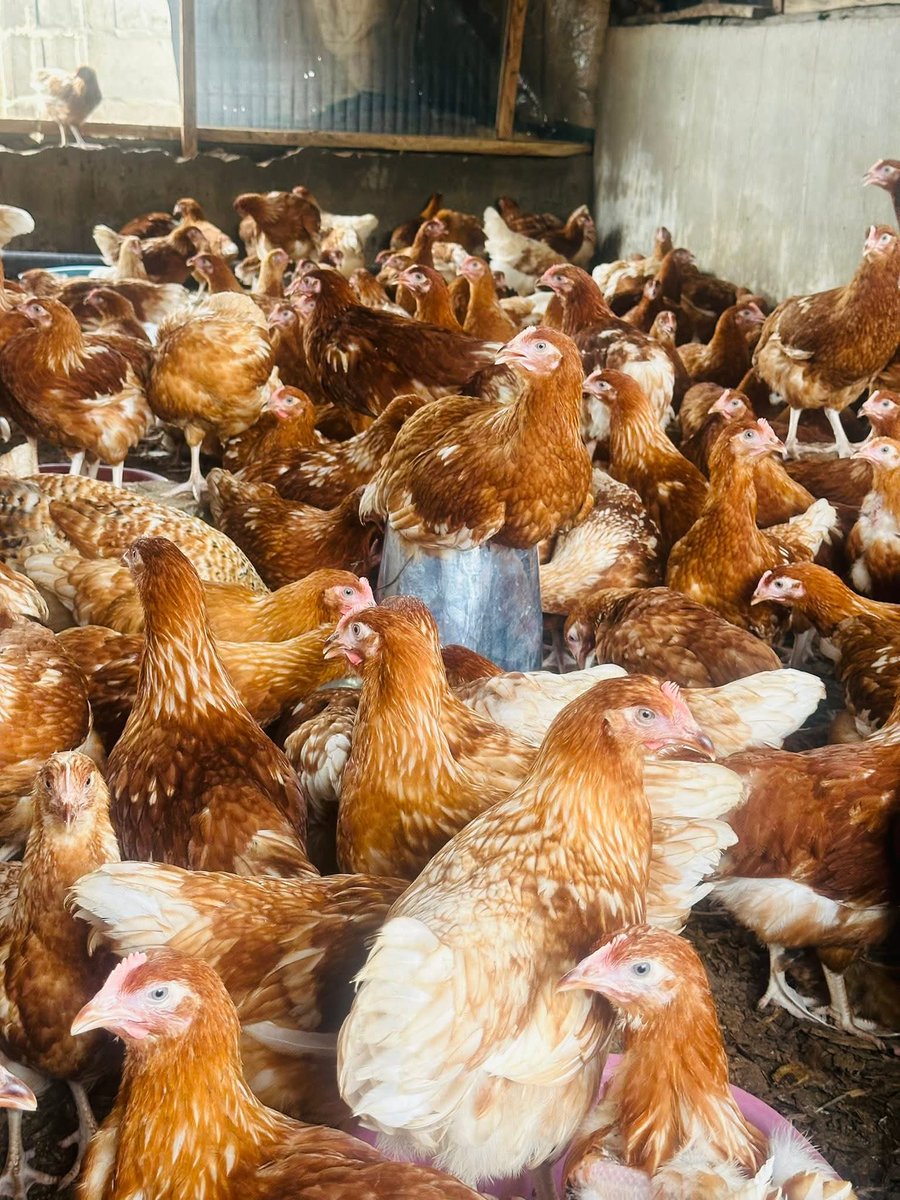
The chicken has officially promoted itself to farm supervisor. 😂🐔
Imagine going to collect eggs and one bird decides your back is the best place to stand.
Would you stay calm or run? 🤣👇
@joseph_yammin
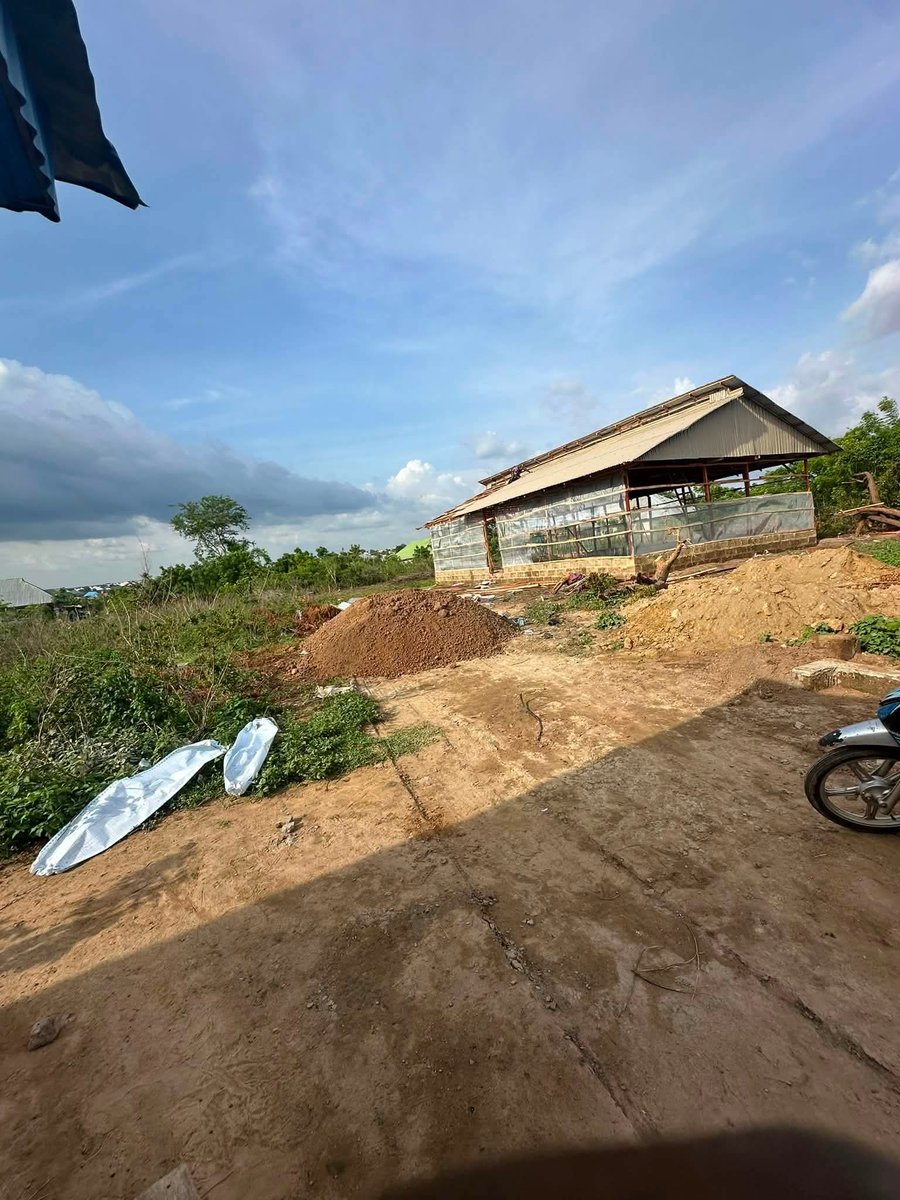
IF YOUR POULTRY FARM IS IN A RESIDENTIAL AREA, READ THIS BEFORE YOUR NEIGHBOURS REPORT YOU!
One of the biggest challenges many poultry farmers face is not disease.
It is not feed.
It is not even the cost of production.
It is living peacefully with neighbours.
Many poultry farms have been forced to shut down, not because the birds were not profitable, but because of repeated complaints from people living around them.
The painful part is that many of those neighbours moved into the area years after the farm was established.
Unfortunately, once an area begins to develop, you have to adapt.
You cannot keep farming the same way you did when the environment was still a bush.
If you refuse to adjust, you may eventually lose the farm you spent years building.
I also operate in a residential area, so I understand these challenges very well.
No matter how careful you are, there will always be someone who is not comfortable with your farm.
That is why you must not only raise healthy birds.
You must also become a good neighbour.
Here are some practical ways to reduce complaints and protect your poultry business.
1. CONTROL ODOUR BEFORE PEOPLE COMPLAIN
Smell is the number one reason many people report poultry farms.
If your farm smells every day, don't expect your neighbours to remain happy.
Preventing odour is far easier than defending yourself after complaints begin.
2. REMOVE MANURE QUICKLY
One of the biggest mistakes farmers make is allowing droppings to accumulate for days.
The longer manure stays, especially when it becomes wet, the stronger the ammonia smell.
If you use battery cages, make manure removal part of your routine.
Clean consistently instead of waiting until it becomes unbearable.
3. NEVER STORE FRESH MANURE INSIDE THE FARM COMPOUND
This is one mistake many farmers overlook.
After packing manure, don't leave it beside the poultry house waiting for buyers.
That alone can create serious odour.
On my farm, once manure is packed, it is transported immediately to another location far away from the residential area.
We have even assigned someone whose responsibility is to handle manure evacuation.
That single decision has helped us reduce unnecessary complaints.
4. KEEP THE LITTER DRY
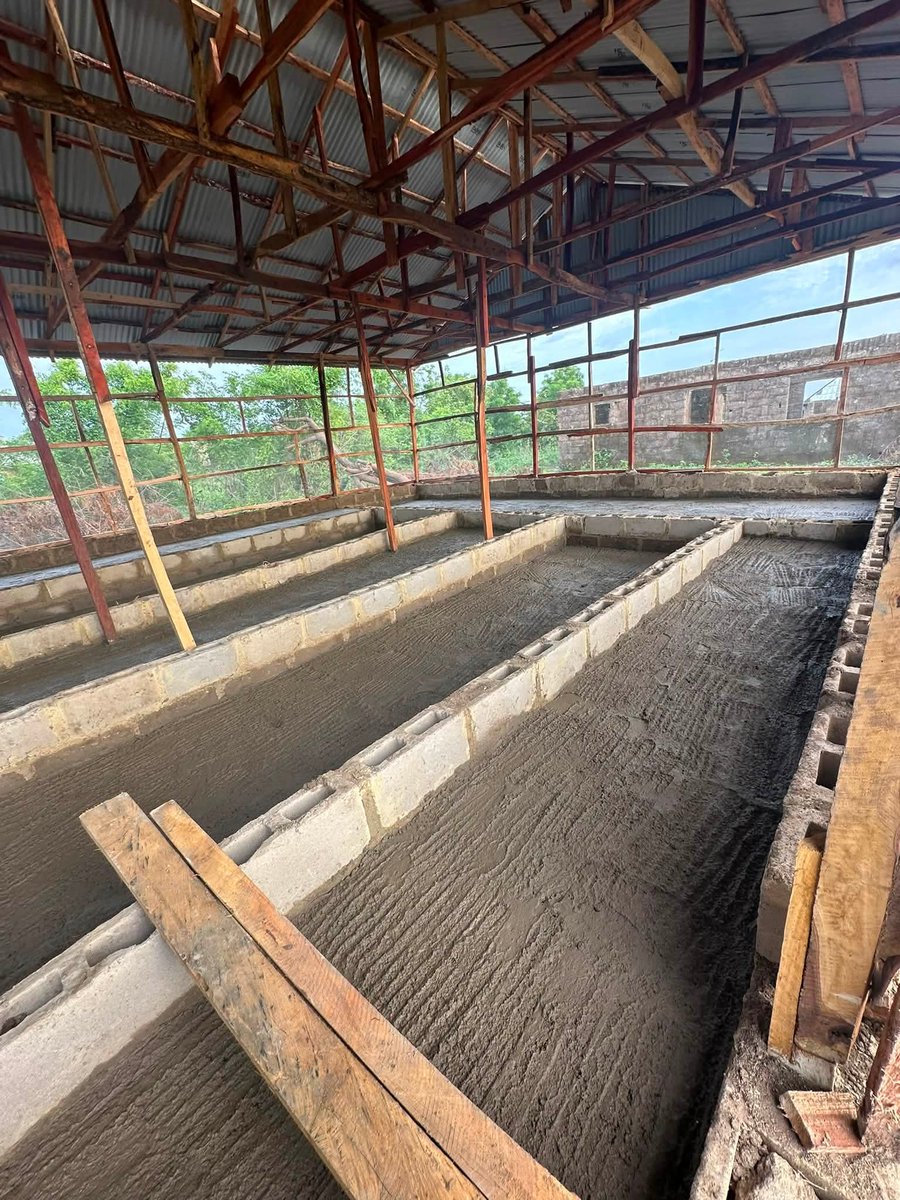
Whether you operate deep litter or battery cages, moisture is your enemy.
Wet litter produces more ammonia, attracts flies and creates offensive odour.
Repair leaking drinkers immediately.
Prevent water from spilling.
Good ventilation also helps the litter dry faster.
5. DEEP LITTER CAN WORK VERY WELL WHEN MANAGED PROPERLY
Many people believe deep litter automatically means bad smell.
That is not true.
A properly managed deep litter system can have very little odour.
Keep the litter dry.
Turn it regularly.
Avoid overcrowding.
Maintain good ventilation.
There are farms operating on deep litter in residential areas where many neighbours don't even realize birds are being raised there.
The difference is management.
6. IF YOU USE BATTERY CAGES, DON'T NEGLECT THEM
Battery cages are not magic.
They only work well when manure is removed regularly.
Leaving droppings underneath cages for several days defeats the purpose.
Cleanliness determines whether your neighbours enjoy your presence or wish you would leave.
7. PAY ATTENTION TO YOUR BIRDS' FEED
Healthy digestion often means less offensive droppings.
Some farmers also use feed additives or manure treatment products that help reduce ammonia production and improve litter quality.
Always use products according to the manufacturer's instructions and seek professional advice where necessary.
8. CONTROL FLIES
Where there are flies, complaints usually follow.
Remove waste promptly.
Keep vegetation around the poultry house under control.
Avoid stagnant water.
Good sanitation remains the most effective fly control strategy.
9. BUILD A GOOD RELATIONSHIP WITH YOUR COMMUNITY
1/2
In this video, I show exactly how we break ginger into rhizomes for planting and why choosing the wrong planting material can ruin a season before it even starts.
One small mistake at planting can cost you millions at harvest.
Have you ever planted supermarket ginger before?