Customer Service/Leadership/ Child Protection and Human Trafficking Consultant/. Peaceful campaigner/animals and children. Ex Concorde/VIP flight attendant
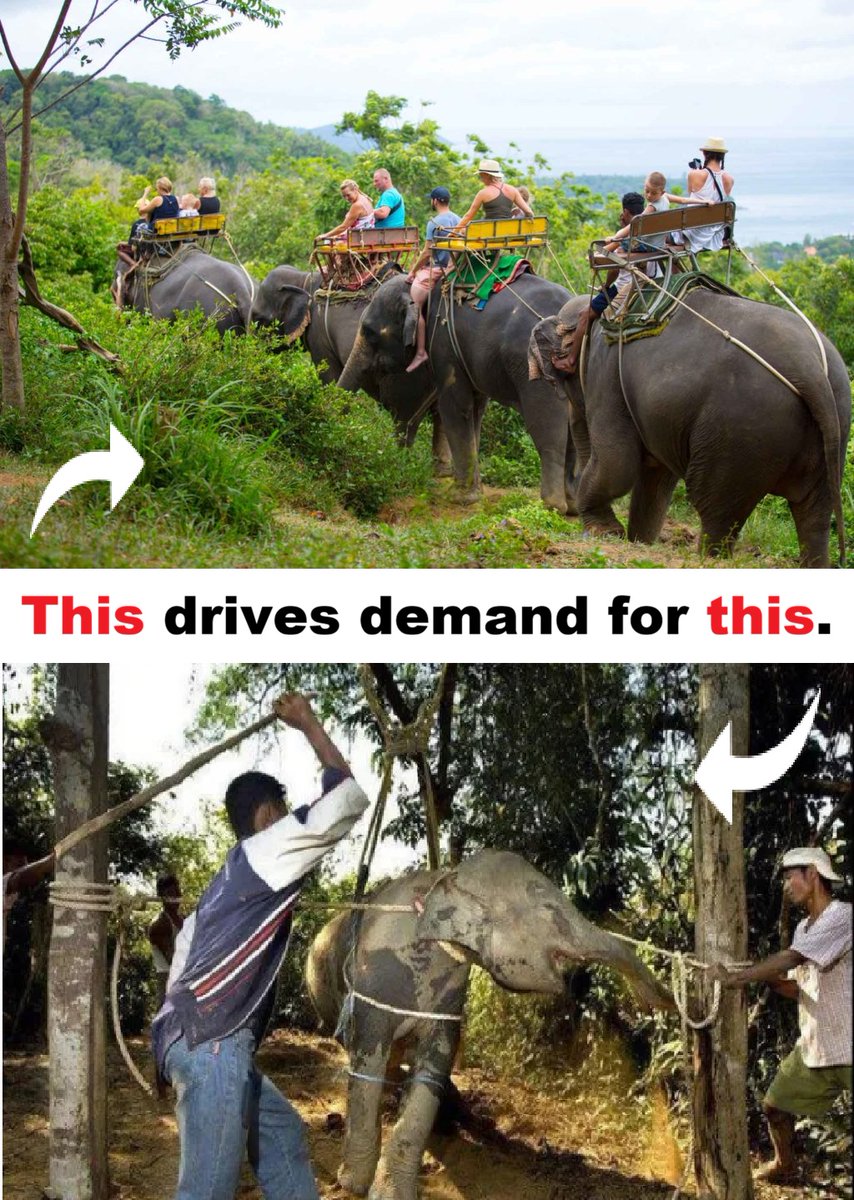
Miyako has spent over fifty years in solitary confinement in a tiny enclosure in Utsunomiya, Japan. Since she was brought to Japan aged 6 months, she has never had another Elephant as a companion.
Please sign this petition to retire Miyako to a sanctuary.
https://t.co/tXDBAiRrDI
Via: @stae_elephants 🐘.
@SimonDanczuk@Keir_Starmer represented the NCCL
Harriet Harman & Patricia Hewitt were employees of NCCL
The NCCL advocated on behalf of the Paedophile Information Exchange to reduce the age of consent
@UKLabour advocated for paedophiles 🤔
Why Reform UK Would Be Bad for Britain at Home and Abroad
Reform UK presents itself as a disruptive force that will “shake up” politics and stand up for ordinary people. In practice, its platform and behaviour point in the opposite direction. On policy, on competence, and on Britain’s standing in the world, Reform would make the country poorer, more divided, and less trusted.
Start with credibility. Reform is not a fresh movement driven by new ideas. It is largely a reassembly of failed Conservative figures and habits, carrying forward the same record that left public services depleted, living standards falling, and trust in politics damaged. Local government has already exposed the gap between slogans and delivery. Reform-run councils have raised council tax despite campaigning against it, cut services, and been dogged by resignations and suspensions. If a party struggles to manage basic local administration, voters are entitled to question its readiness for national power.
Economically, Reform’s approach would hit its own supporters hardest. The party talks up tax cuts and “freedom” while backing policies that weaken worker protections, reduce regulatory safeguards, and shrink the state’s capacity to provide universal services. That combination shifts costs from government onto households. When protections are stripped back, people on lower and middle incomes pay more for healthcare, legal help, transport, and local services. The wealthy can absorb those costs. Most people cannot.
The NHS illustrates the risk. Reform figures have repeatedly floated insurance-style healthcare models and spoken approvingly of systems where patients pay more directly. However softly this is phrased, the outcome is clear. Out-of-pocket costs rise, access becomes unequal, and health outcomes worsen for those without means. In a country where wages have lagged prices for years, that is not reform. It is regression.
On rights and the rule of law, Reform’s rhetoric is reckless. The party has signalled hostility to established human rights frameworks and legal protections, framing them as obstacles rather than safeguards. These frameworks exist to protect ordinary people from abuse of power, discrimination, and state overreach. Weakening them does not empower the public. It empowers those already at the top.
Then there is Britain’s reputation. Reform’s confrontational politics, culture-war messaging, and casual disregard for diplomatic norms would further erode the country’s standing with allies. At a moment when the UK needs cooperation on trade, security, climate, and science, Reform offers isolation and spectacle. Investors and partners value stability, predictability, and competence. They do not reward chaos.
The contradiction at the heart of Reform’s “Britain first” message is also impossible to ignore. The party rails against foreign influence while courting wealthy overseas interests and celebrating “investment” when it suits. It denounces elites while its leadership networks comfortably among them. This is not principled nationalism. It is opportunism.
Most damaging of all is the way Reform fuels division. Its politics relies on grievance and scapegoating rather than solutions. Immigration, minorities, and protest are blamed for problems created by years of economic mismanagement and political failure. This may generate clicks and applause, but it corrodes social cohesion and distracts from the hard work of governing.
Britain’s challenges are real. Living costs are high. Public services need repair. Trust must be rebuilt. None of that is achieved by louder slogans, weaker protections, or recycled failures. Reform UK offers a politics of anger without answers, and a programme that would leave the country poorer at home and diminished abroad.
That is not reform. It is retreat.