🚨Announcement 🚨
After 7 years on this site, it’s time to call it a day. We will be closing our account in the New Year.
Thank you to all our concrete-loving followers & anyone who has engaged with us over the years.
Wishing you all a Merry Christmas. 🎄
#OTD in 1824 Joseph Aspdin of Leeds was granted a patent for a “method of making a cement or artificial stone ... which I call Portland Cement”. It remains a
foundation document for the present #cement industry.
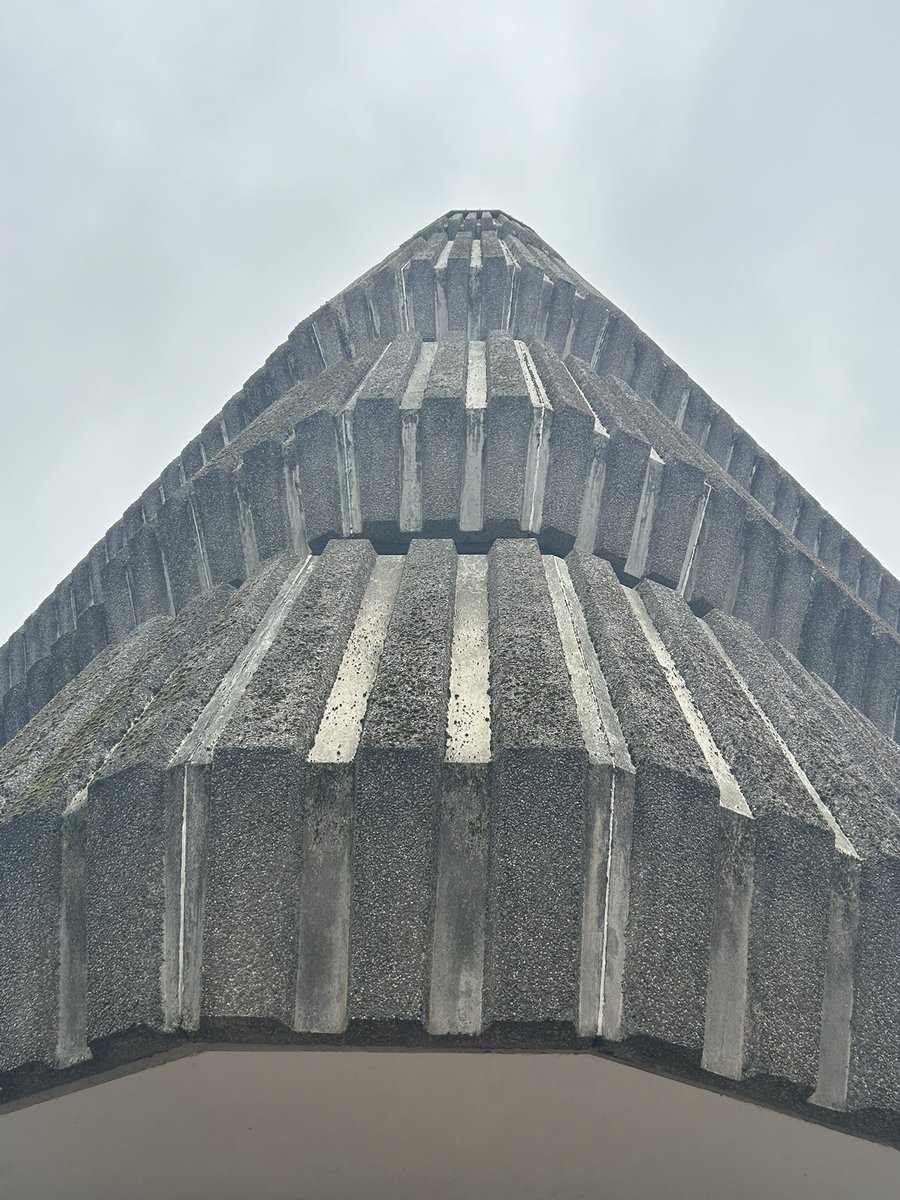
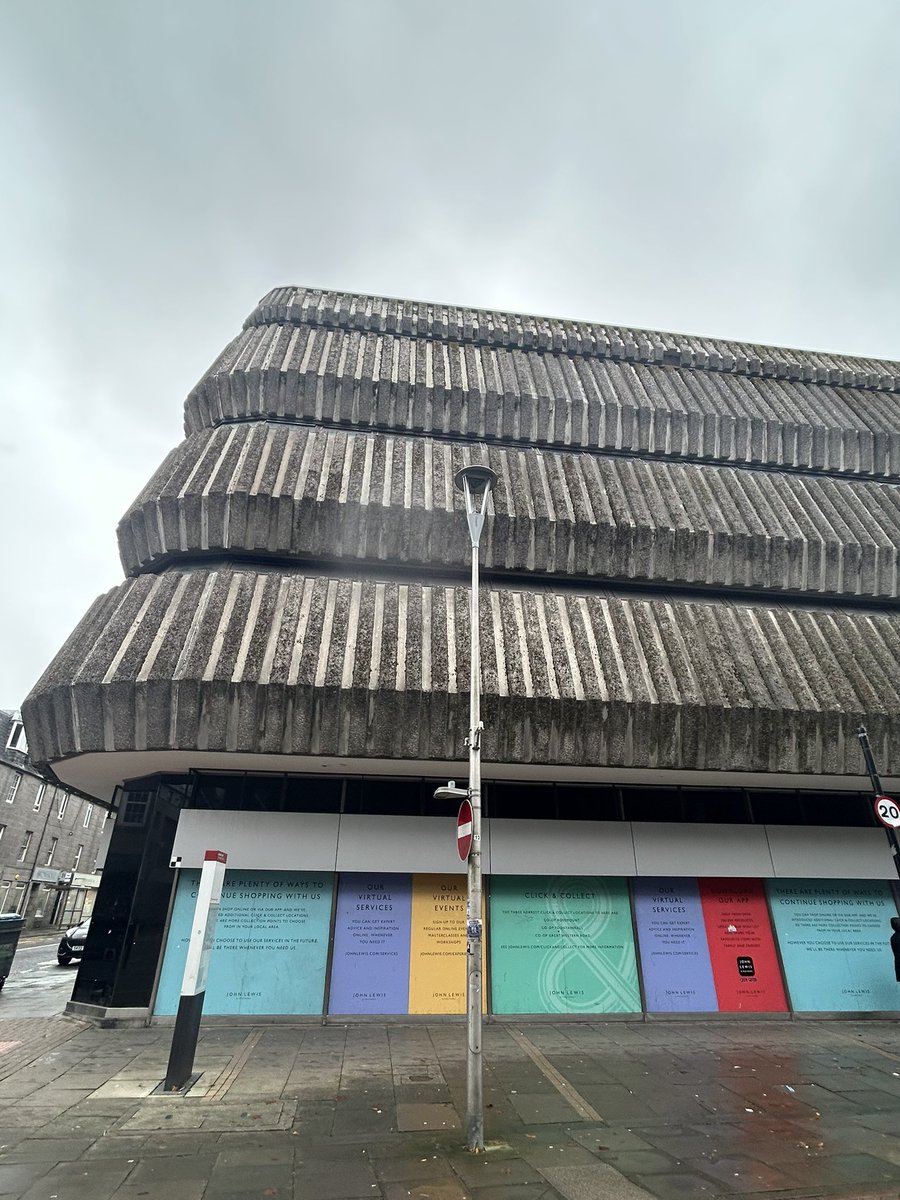
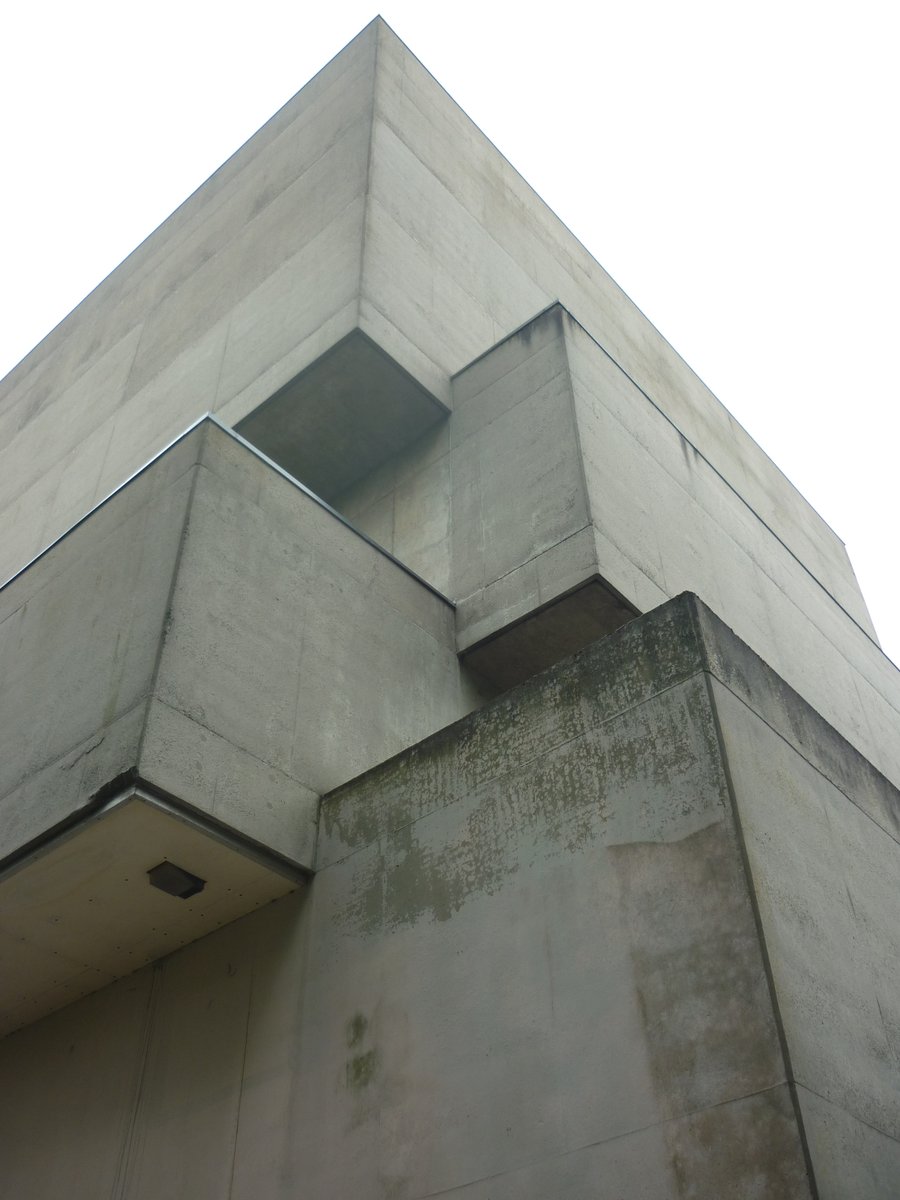
Designed by architects Troup & Steele, the Strand Building at @KingsCollegeLon was a #Brutalist statement when built in 1971. Its RC frame had a façade of #precast#concrete elements whose bush-hammered finish exposed the Cornish granite aggregate.
#Concrete was heavily promoted by the Cement & Concrete Association as an ideal material for air shelters, long before the Blitz of 1940-41. The example below is an all-concrete structure, one of many designs developed for private household’s use. #WWII
A seaside view at the end of summer: detail from the central sea walls at #Cromer#Norfolk. Concrete was used to construct the section adjacent to the pier when built in 1899-1902. With thanks to Des King for this image.
In a retrospective article from 1971, headed ‘A Brutalist’s Banquet’, the latest Concrete Quarterly features the Grade II-listed refectory at St Antony’s College #Oxford designed by architects HKPA. #Brutalism#concrete#architecture
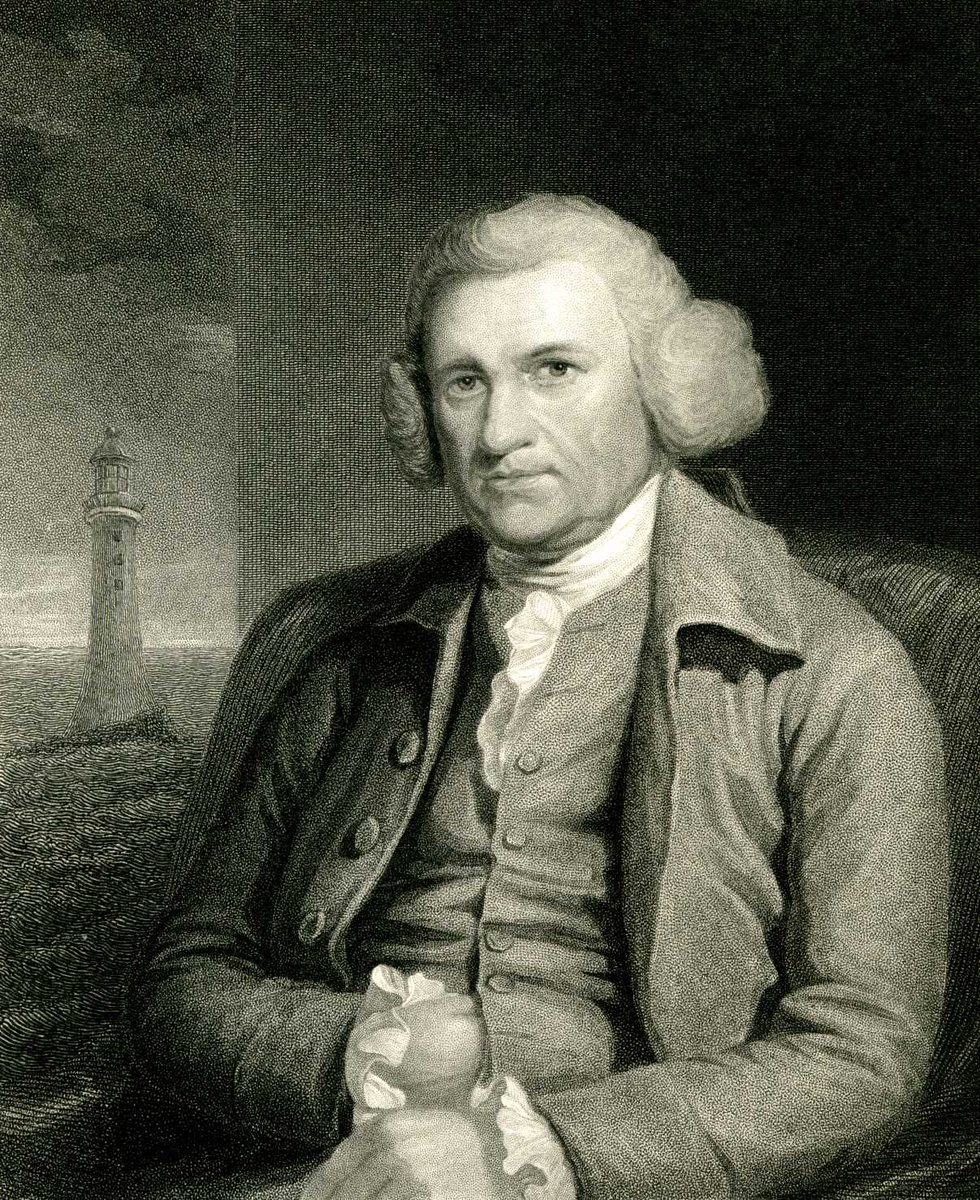
John Smeaton, born #OTD 1724, was the first to be called a ‘civil engineer’. Famously, when building the Eddystone Lighthouse, he discovered that the best hydraulic limes were those with an argillaceous admixture, a key step in the development of #cement.
Smeaton wrote an account of the construction of the Eddystone lighthouse including experiments with hydraulic mortar. His intention was that it might help with future repointing. #Smeaton300 https://t.co/TvDiaP2PMP
Birmingham New Street signal box by Bicknell & Hamilton, built in 1964-66, closed in 2022. Its #Brutalism is heightened by use of corrugated #precast cladding. Grade II-listed in 1995 as “a dramatic building of exceptional architectural quality with a strongly sculptural form”.
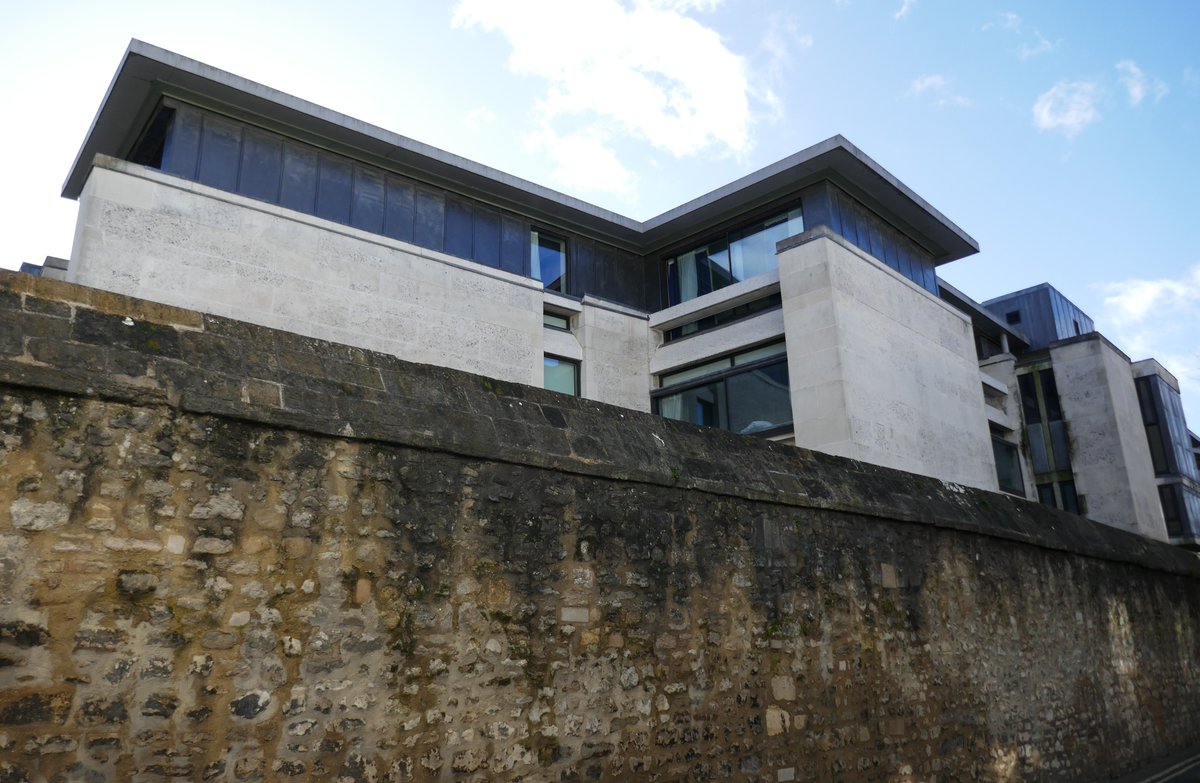
Blue Boar Quad at Christchurch College #Oxford is a seminal Modern design by Powell & Moya that dates from 1965-68. Built of bush-hammered #precast#concrete with Roach stone dressings, it is now listed Grade II*. Old and new viewed from Blue Boar Lane.
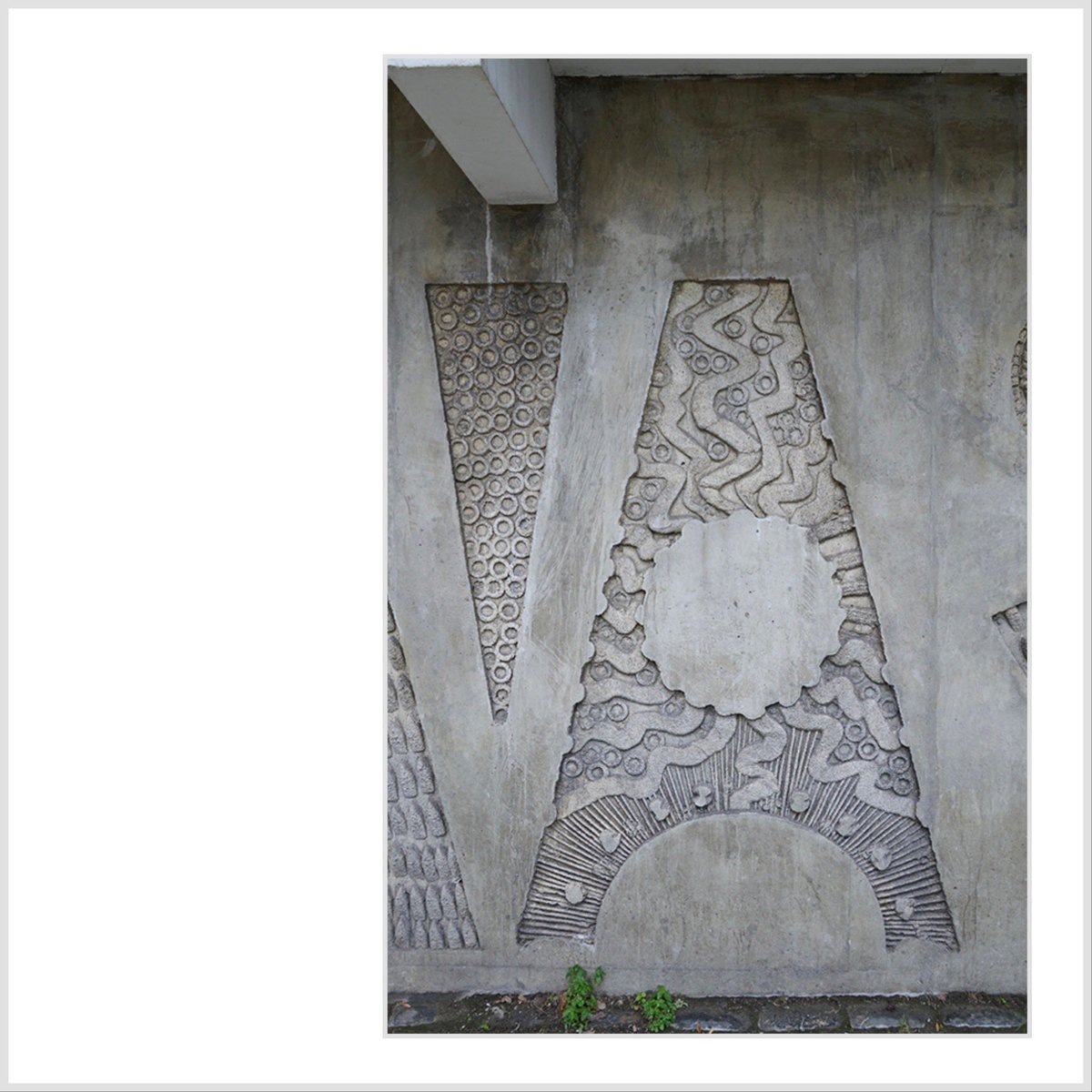
Have added the beautiful William Mitchell murals at Winstanley Estate, London to my ongoing Beautiful Brutalism photography project.
Photographs can be seen here - https://t.co/opUn2qfUNZ
#mondaysarebrutal#photography