Please keep in touch through our other active social media accounts: either on the Confronting Memories Facebook page or through the Civil Society Forum's official LinkedIn or Instagram accounts.
https://t.co/LeKeQZBlkn
https://t.co/blf7rtVW7r
(4/4)
We are leaving X (formerly Twitter).
Confronting Memories is a programme based on key goals: to strengthen multiperspectivity, attitude- and value-based education, dialogue and understanding as well as the development of critical thinking skills to detect disinformation.
(1/4)
For that reason, Civil Society Forum e.V. has decided to cease operations on the platform. We cannot in good conscience contribute to a platform that is fundamentally at odds with our work.
(3/4)
How has Confronting Memories shaped historical dialogue?
Check out @csfberlin's interview with Kristina Smolijaninovaite, Deputy Director & founder of the Confronting Memories programme, to find out more about our approach and what might be coming next!
https://t.co/ryl0q1ypMe
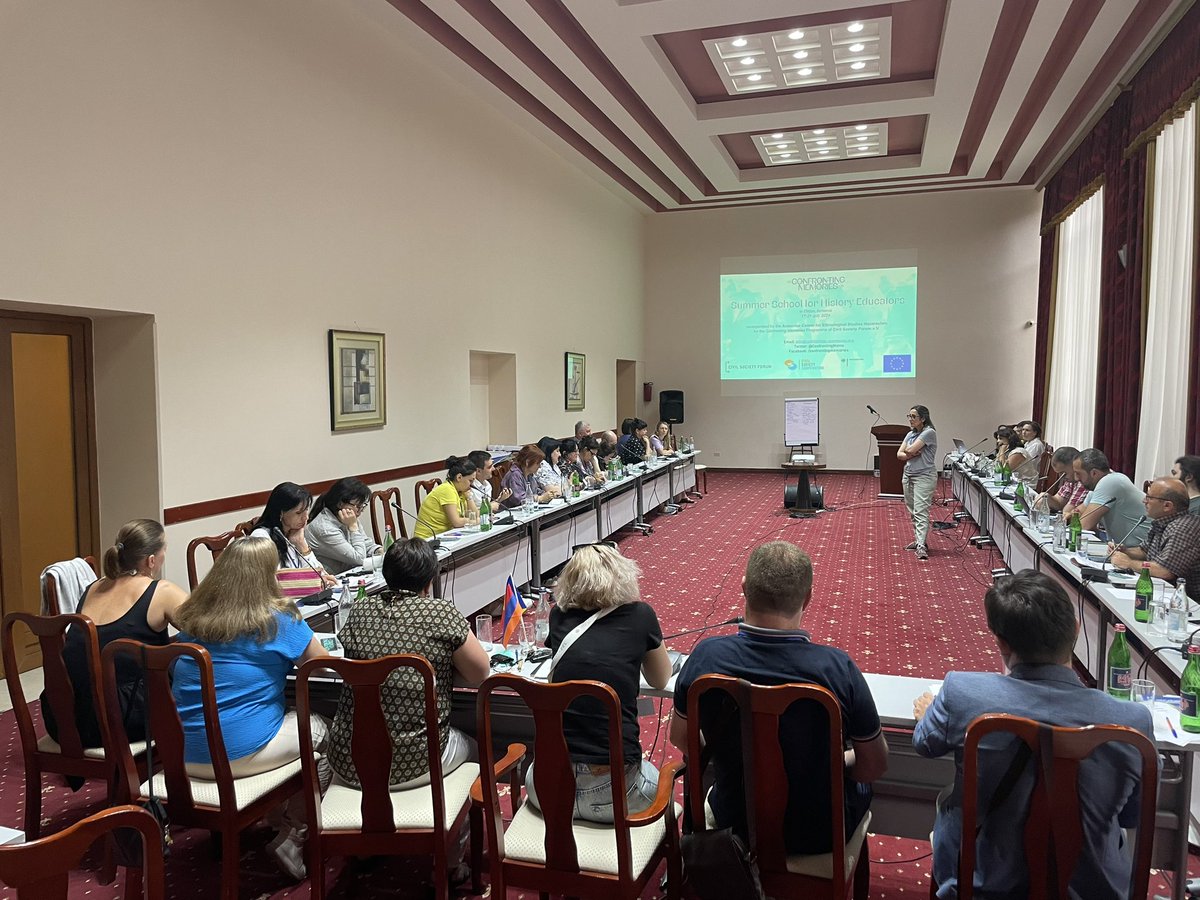
Participants applied multiperspective group work two case studies prepared by our expert trainers Bojana Dujkovic-Blagojevic and Dzintra Liepina; we are excited to explore Confronting Memories learning materials tomorrow, as well as discuss how best to apply them in schools!
Today marks the first of three days of our #ConfrontingMemories Summer School for History Educators in Dilijan, Armenia!
History educators from #Armenia, #Georgia, #Moldova, #Russia and #Ukraine arrived yesterday in Yerevan to travel to Dilijan together for our three-day event!
If you're an active #history teacher or educator, apply for the 3-day international #SummerSchool in Dilijan, #Armenia from 17-21 July 2024, organised by the #CSF programme #ConfrontingMemories. Details here: https://t.co/HXBt3BkF6O
We're excited to share the new Pedagogical Guide from the #CSF programme #ConfrontingMemories on teaching sensitive topics through conflicts in post-Soviet space. The Guide is now available to download as a lovely PDF here: https://t.co/VEoxyBFfeB #CivilSocietyCooperation
Swiss writer Adolf Muschg once wrote: “What holds Europe together and what divides it is essentially one thing: common memory.” Today, we present a pedagogical guide “Teaching history through the use of WWII memorials” by #CSF Programme #Confronting_Memories.
We're welcoming teachers from Armenia, Georgia, Germany, Moldova, Poland, Russia and Ukraine to our conference in Berlin today, looking forward to the exchange 🧑🎓
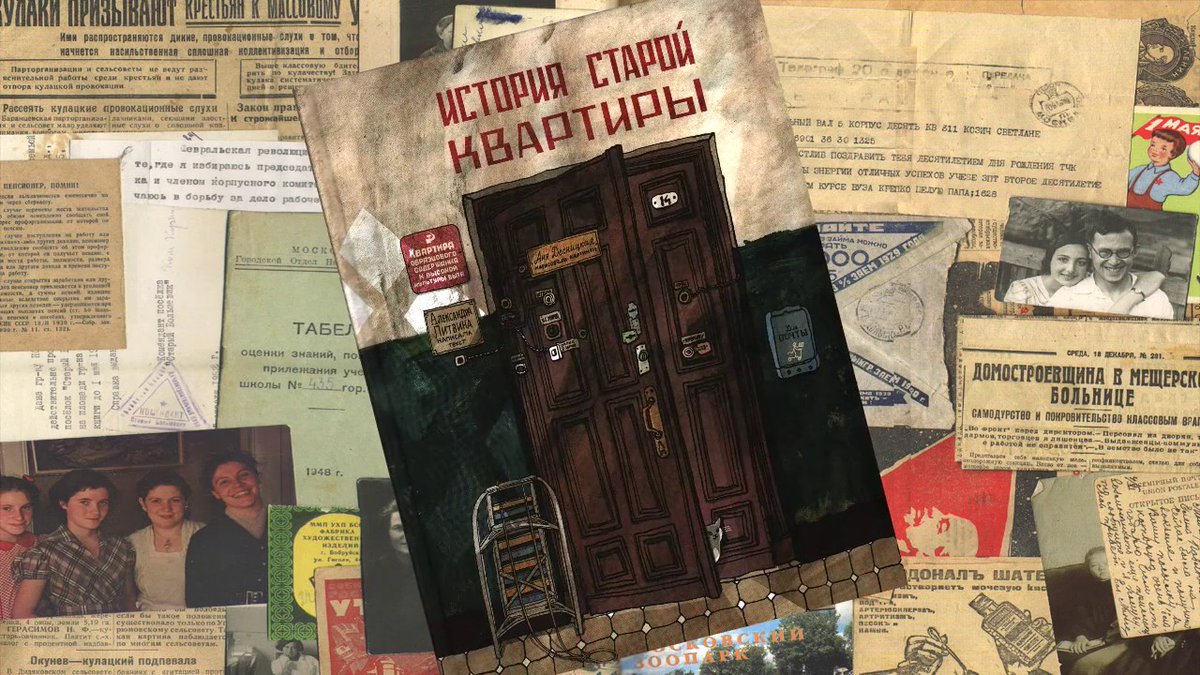
“Our book is about memory,” the authors say in their interview to @EnMemorial. - It is for everyone - adults and children of any age. This book is an invitation to talk about family history and the history of the country.” https://t.co/CcpRU1jB2J
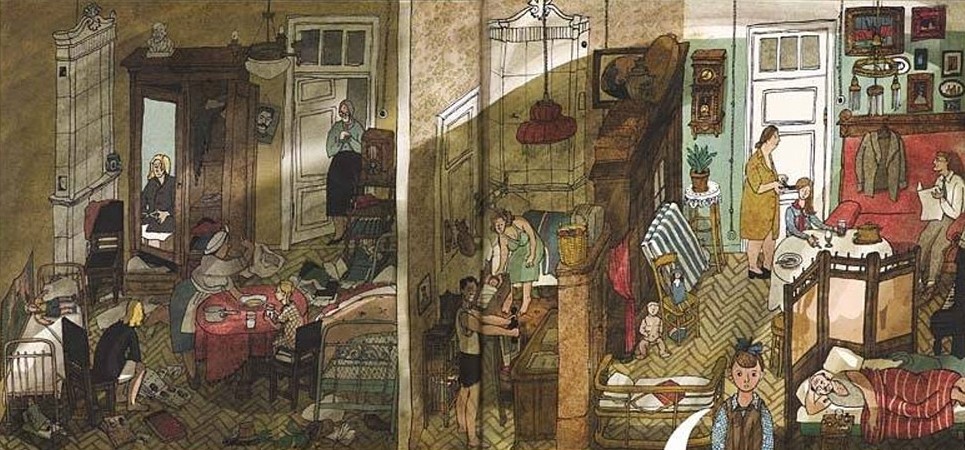
History isn't just about politics and wars; it's about people. A picture book can be a window into history through personal stories, revealing the impact of historical upheavals on individuals, fostering empathy and a deeper understanding of our shared past.
This is a spread from the picture book “The Apartment: A Century of Russian History” illustrated by the Russian artist Anna Desnitskaya. The book tells the story of the Muromtsev family, their Moscow apartment, and how it – and the whole country – changes over the 20th century.
Unsurprising but disturbing news from Russia: a new textbook which justifies the war in Ukraine as an effort to "demilitarise and denazify" the country.
https://t.co/zHXZ373RTr
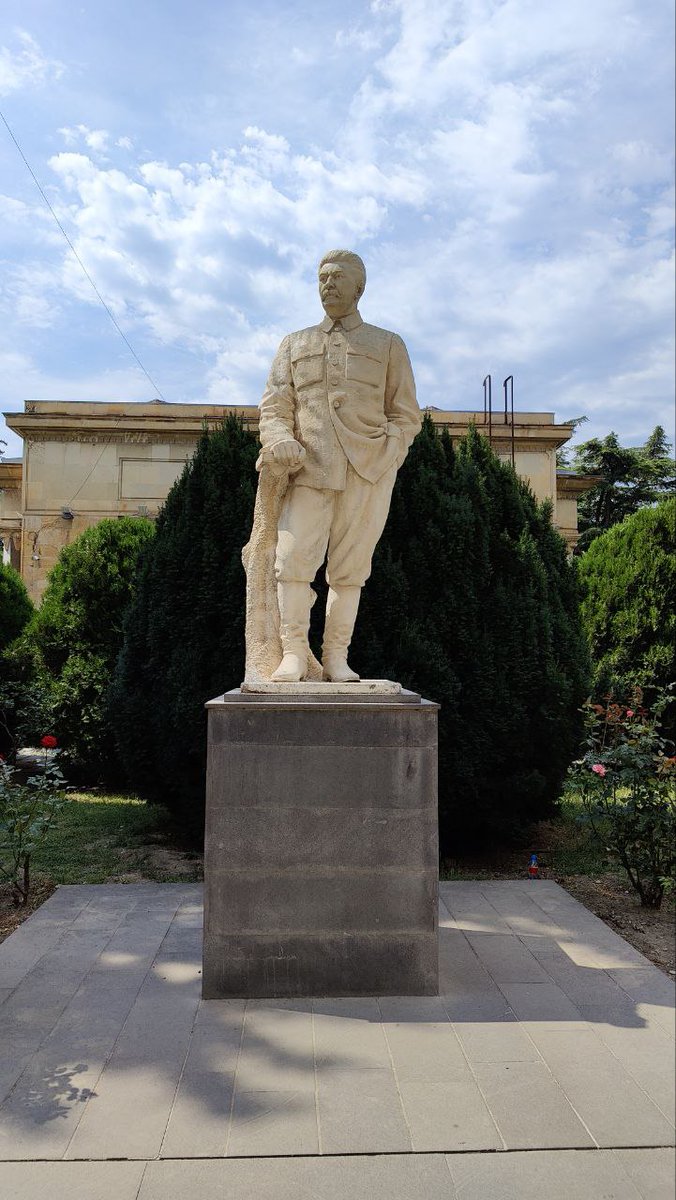
This of course is another fantastic example of the importance of multiperspectivity to get a balanced and nuanced view of history and historical figures.
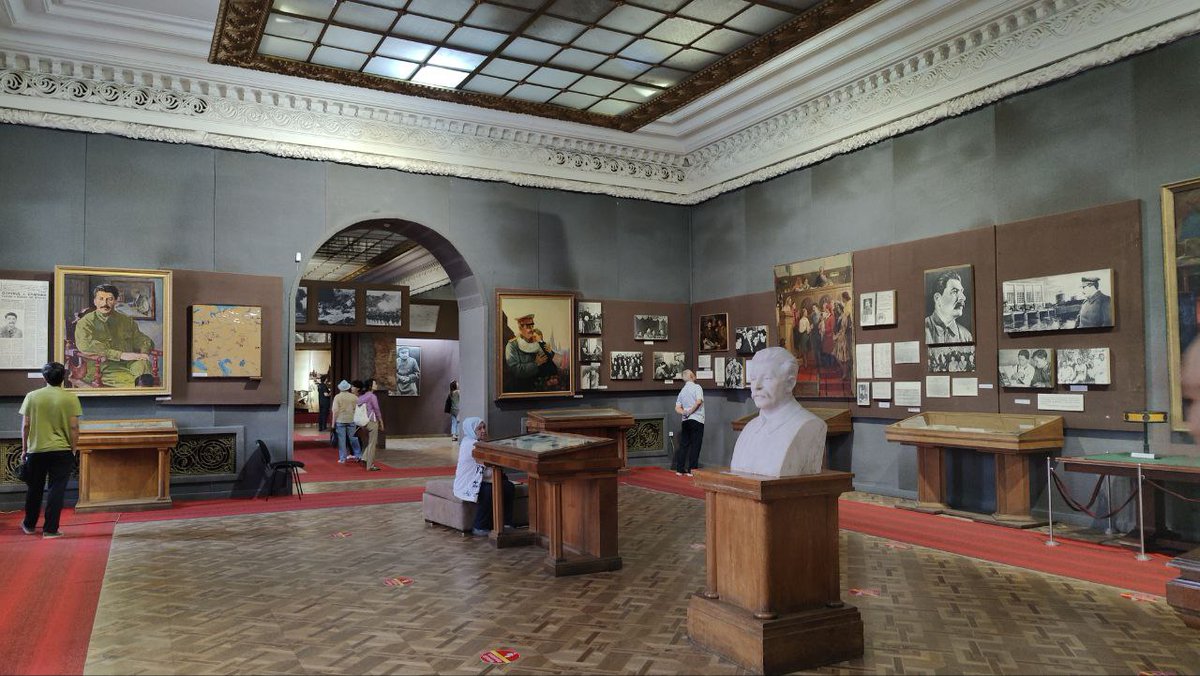
Sometimes it would be easier to be like these dogs, blissfully ignorant of the man whose museum they chose to relax next to.
When asked about the purpose of the museum in the year 2023, we were told it was to present the "facts", and that visitors should make up their own opinion about Stalin.
This is difficult when those facts are so selectively handed out.