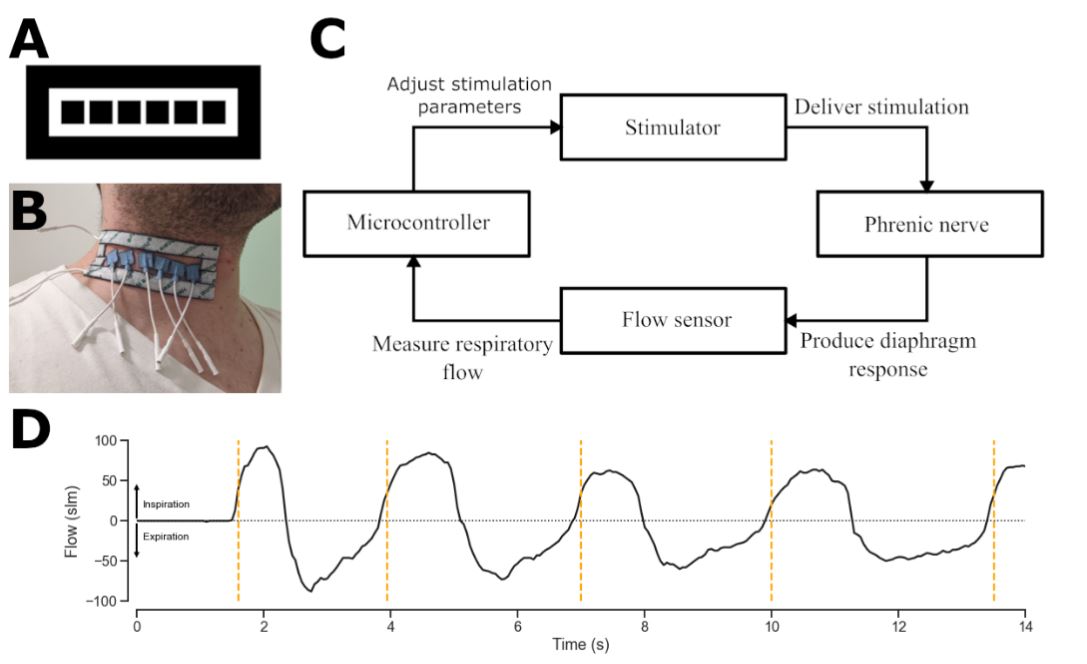
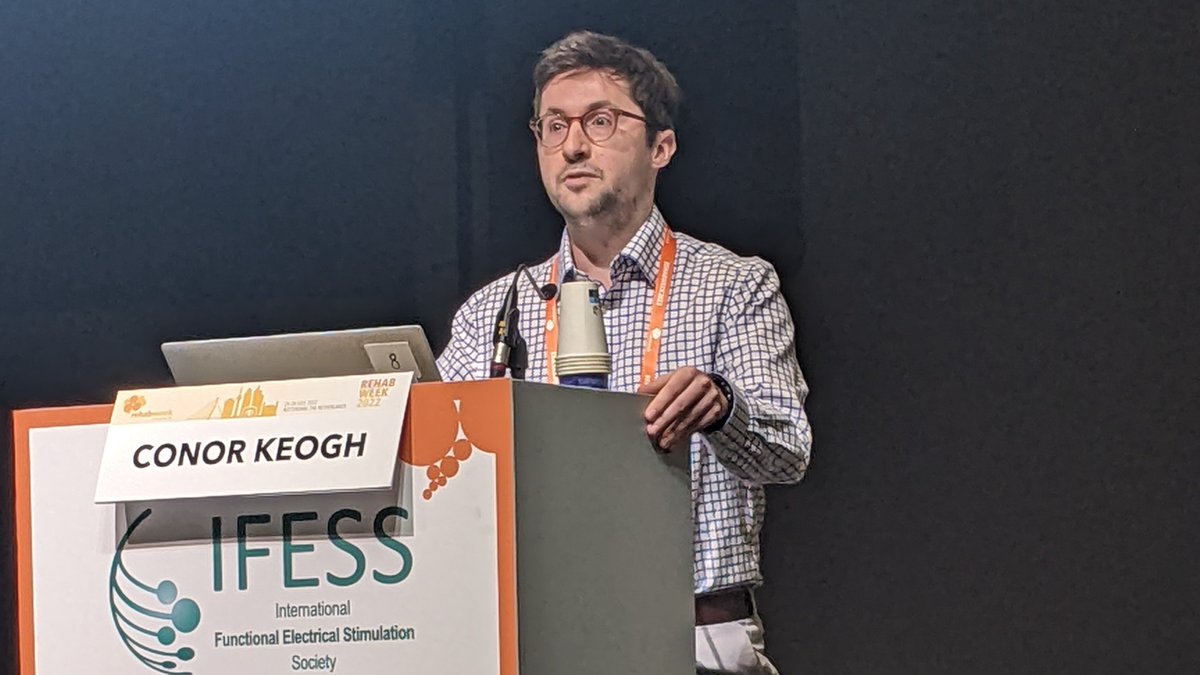
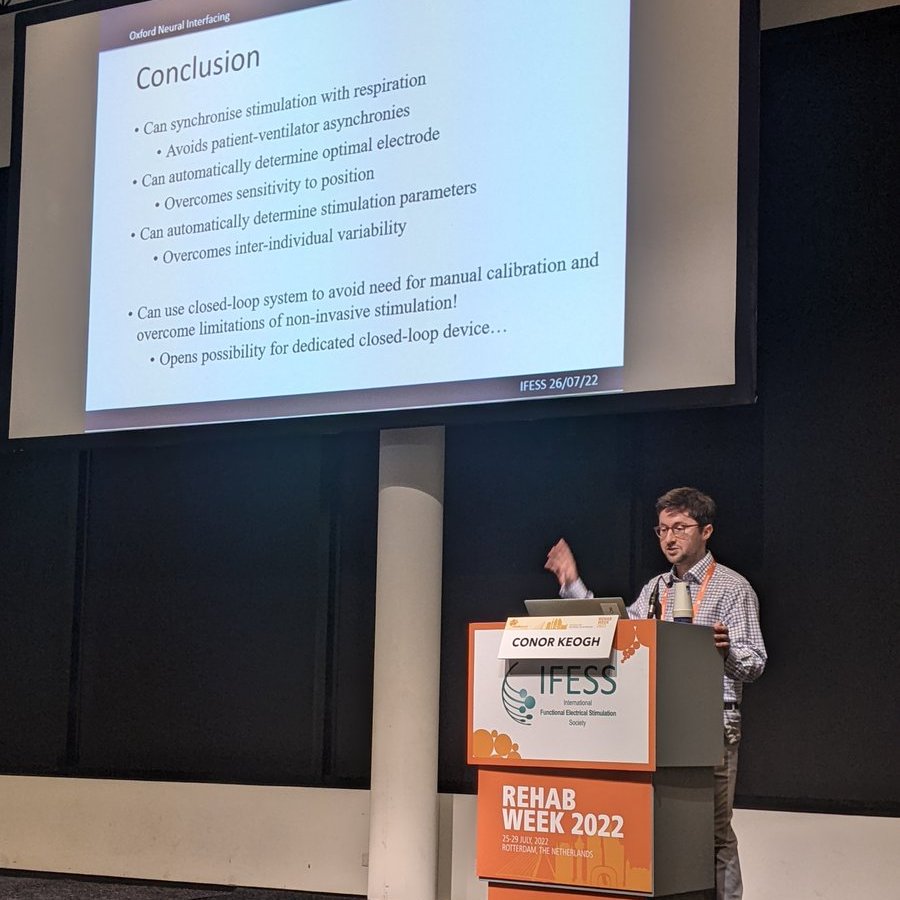
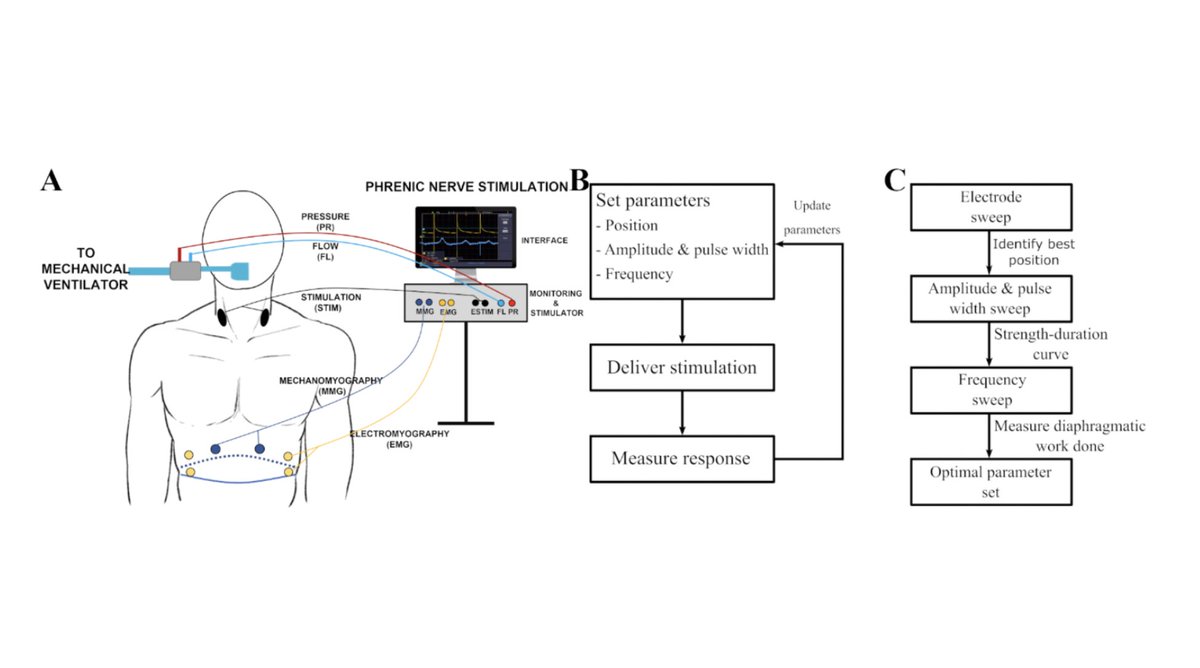
Our 3rd place Vodovnik award winner goes to @ConKeogh for his excellent work using non-invasive phrenic nerve stim for potential to wean ICU ventilated patients 🥳🙌🎉
#IFESS2022#RehabWeek2022
@markcnewry Thanks; very complementary approaches I think! A stable interface is not much use if we don’t understand what we’re interfacing with and what we’re trying to achieve. We can’t modulate tissue activity meaningfully if we don’t understand it in the first place!
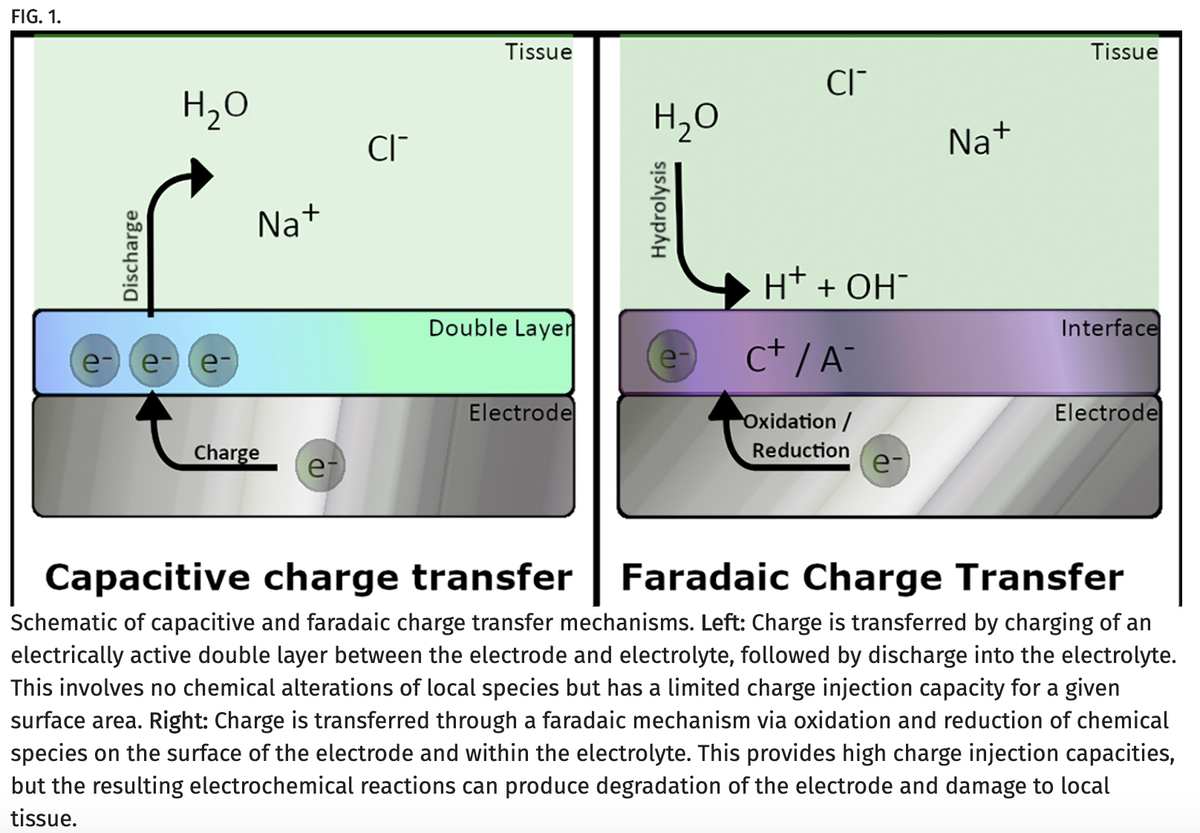
Understanding how electronic and biological systems interact can (I hope!) help clinicians evaluate what kind of interface characteristics would be best for their situation, potentially helping guide the development of novel, application-specific interfacing technologies!
Communicating with the nervous system using electronic systems has great potential to offer new approaches to a wide variety of pathologies – but it’s easier said than done! Many thanks to @TheJNS for supporting my work on this issue! (Short thread on neural interfacing…)
Neural interfacing is fast-moving area with new technologies emerging all the time – more biocompatible electrodes, simultaneous biological interventions and new stimulation paradigms continue to increase the range of techniques available to the motivated neural interfacer!
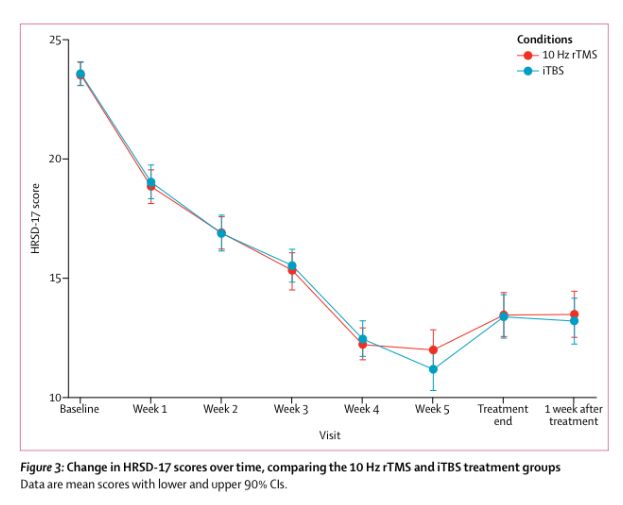
Intermittent theta-burst magnetic stimulation offers similar efficacy to standard rTMS in treatment-resistant depression, with much shorter treatment sessions - may facilitate increased uptake of TMS treatment in resistant depression
https://t.co/oQmgvVORgn
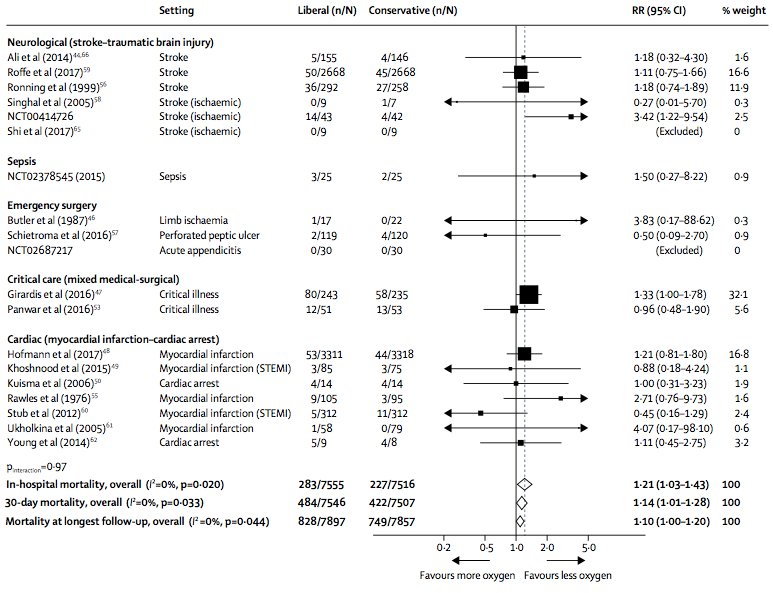
Administration of supplemental oxygen to acutely ill patients with normal oxygen saturations may increase mortality across a range of conditions - will be interesting to see if this is borne out in ongoing prospective trials
https://t.co/miZLUtu9ru
Despite strong evidence of efficacy, surgical treatment continues to be majorly under-utilised in the management of drug-resistant epilepsy. Misconceptions around the role of epilepsy surgery likely play a role in poor uptake of valuable treatment options
https://t.co/yOhNcnI3r4
And still only a tiny percentage of those that could benefit referred for surgical evaluation - need much greater appreciation of potential benefits in those not responding to medication https://t.co/Fhm2hbMMvx
Did you know that around 30% of people with epilepsy have seizures that cannot be controlled by medication? That's why we need more research - with your help we can transform the lives of people with epilepsy #1in103#epilepsyreasearch
Increasing investigation of the interactions between implants and tissues highlights the complexity of relationship between histology and electrophysiology. Improved integration with local tissues will be vital to allowing useful long-term recordings
https://t.co/LS3sHLpzXO