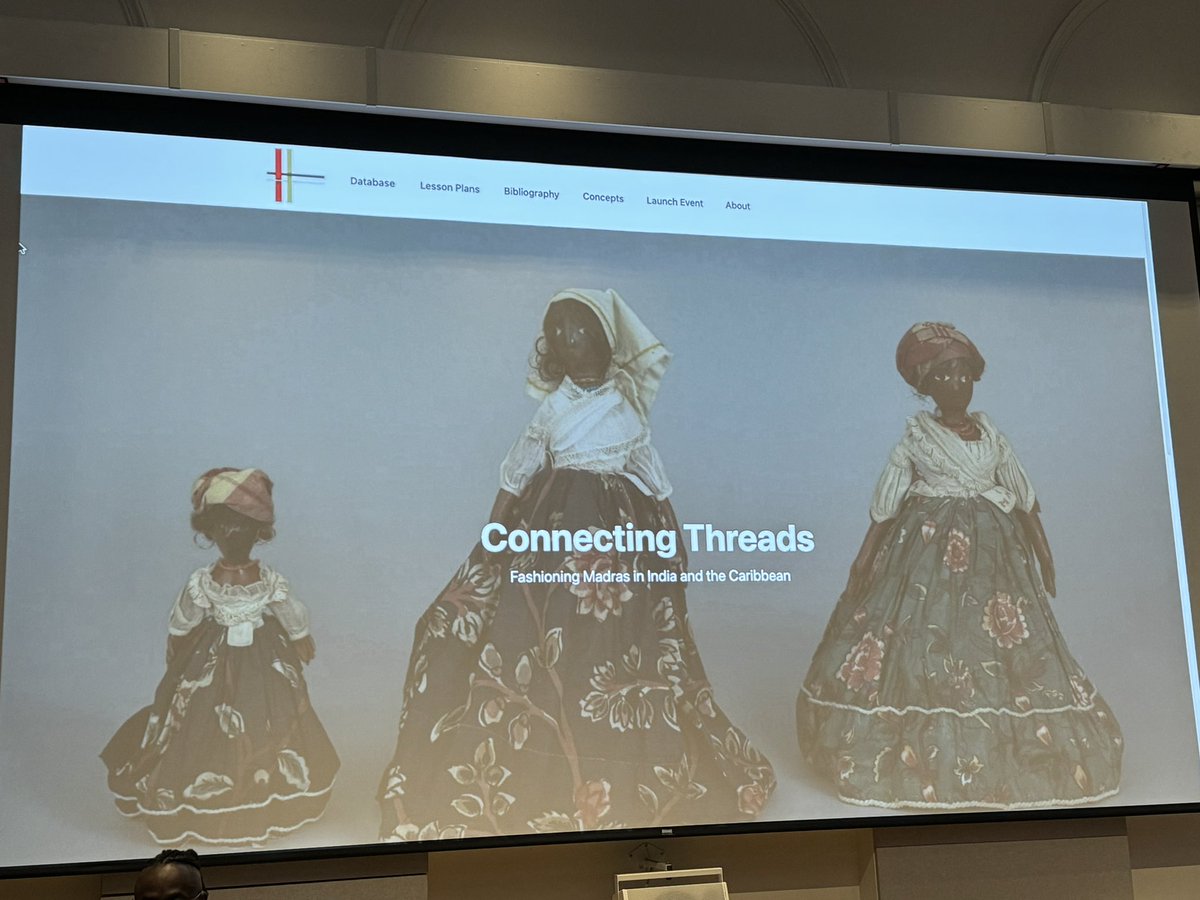
Hello! Welcome to the Connecting Threads project. This is a born digital project that explores the use of lesser-known Indian & Indian-imitation textiles by Afro-Caribbean and African-American communities in the 18th & 19th centuries.
In a few hours, I will begin my talk at the V&A with an analysis of this silk tartan turban. This turban is a representation of the romanticization and appropriation of Scottish dress at the turn of the eighteenth into the nineteenth century. George IV's 1822 visit to Edinburgh popularized tartans, leading to a broader European fascination with Highland culture. This trend not only manifested in fashion, but also coincided with the systemic displacement of Scots and the appropriation of their ancestral lands during the Highland Clearances. The turban connects this cultural fetishization with larger patterns of appropriation and the use of turbans and headwear by elite white women, demonstrating a recurring pattern of fascination and marginalization. It might be simply called cultural appropriation today, but during that period, elite white women borrowed liberally from newly encountered peoples—whether it was Scotsmen from the Highlands, Turks in the so-called “Orient,” or women of color in West Africa and the Americas. @connectthreads
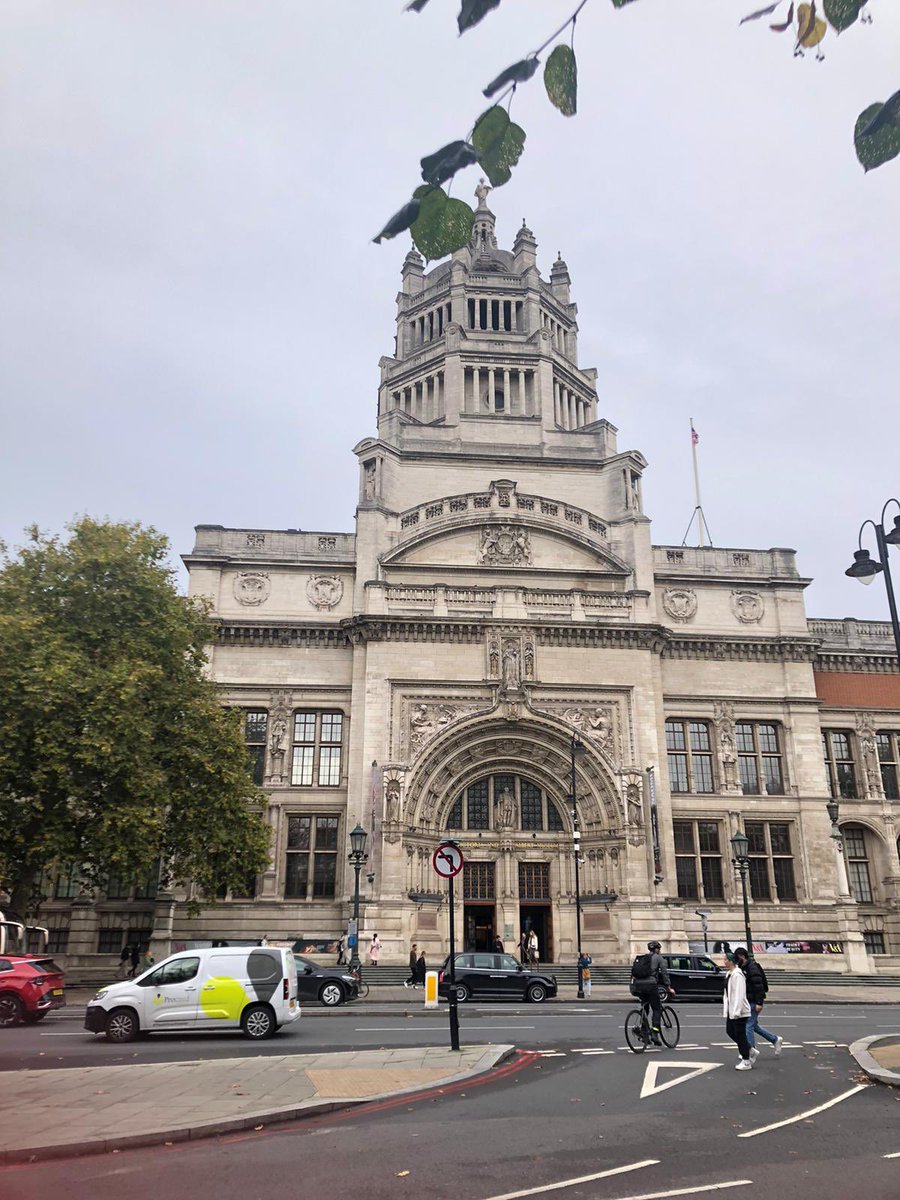
So good to be back @V_and_A for the @connectthreads event on Madras Textiles in the Caribbean! A great programme promised a great day of global textiles connections!
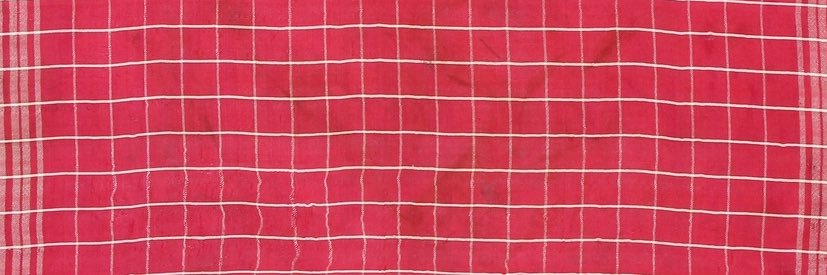
This madras headwrap, now housed in the permanent collection of @LaStateMuseum, was worn by Mary Franklin, an enslaved woman referred to as "Pinkie" by the donor's grandmother Marion Hoey Stem. Following the Civil War, Franklin remained with the donor's grandmother, and the headwrap was preserved, ostensibly as a memento of her imagined loyalty. Crafted from red, yellow, and green woven madras, the headwrap features two selvedge ends and two machine-stitched ends. I will explore the history of this headwrap anf similar objects in my upcoming talk on madras at the @connectthreads symposium at the V&A on October 11: https://t.co/4rNA6QzXcE...
Join me at the @V_and_A in London on October 11th for a symposium on the global history of a fascinating, yet understudied textile: madras. This event marks the launch of the website for @connectthreads, a project on which I had the honor of advising. https://t.co/V0RMRK72gh
Join us for an event on the history of Madras textiles in India and the Caribbean at the @V_and_A on October 11th! We will be launching @connectthreads project website with a great line-up of speakers. Join us in London or online:
https://t.co/kxKy4XIBLG
https://t.co/epqbvcg7Ik
Join us for the launch event and symposium on checked Indian textiles in India and the Caribbean on October 11 at @V_and_A. The symposium is in-person & online. Register here: https://t.co/U8WECyN73e Core team: @mehapri@drdeepthimurali @avfotheringham @v_de_lorenzo
What's the role of empathy in studying & teaching history, & for research? How might we categorise empathy in historical practice? What is history without empathy?
@sarahfoxhistory's article, 'Archival Intimacies', now available in 'Transactions @RoyalHistSoc' #twitterstorians
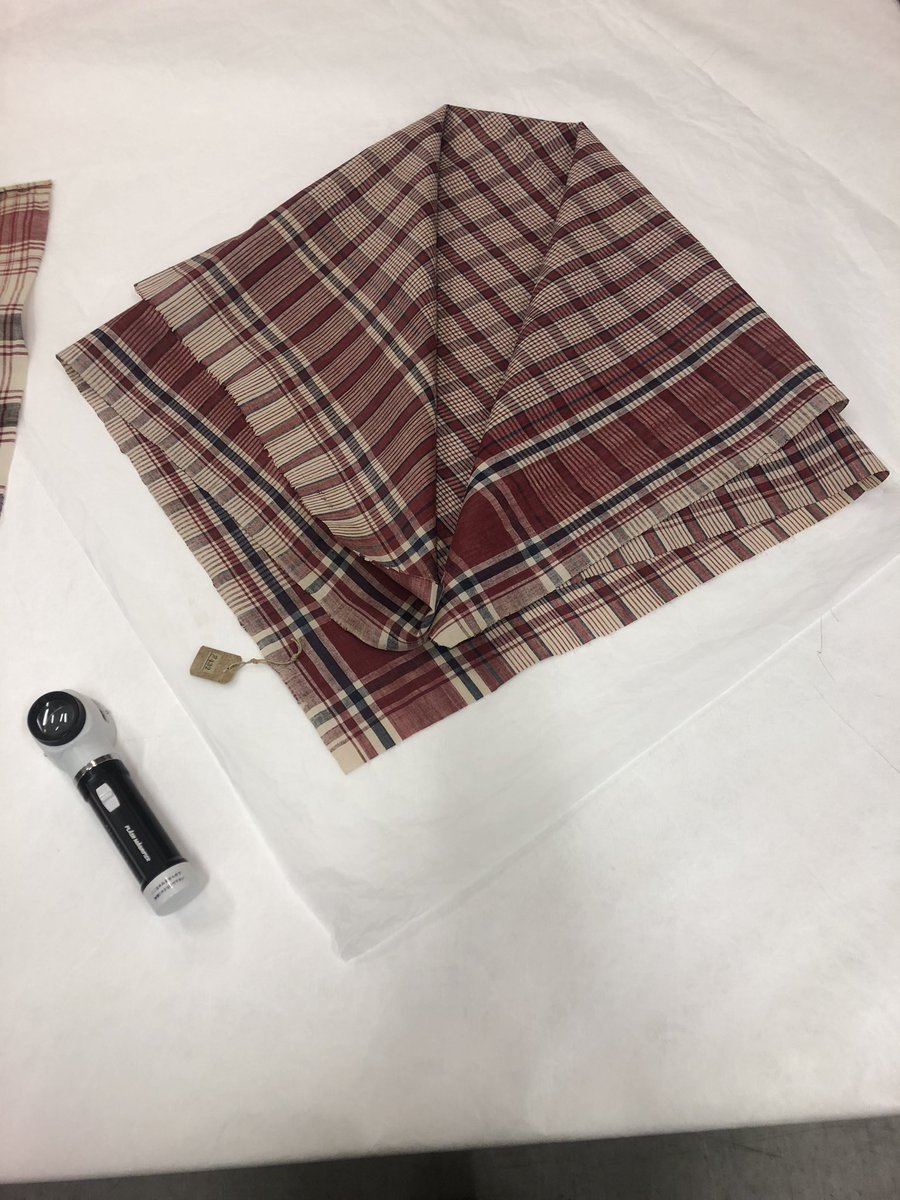
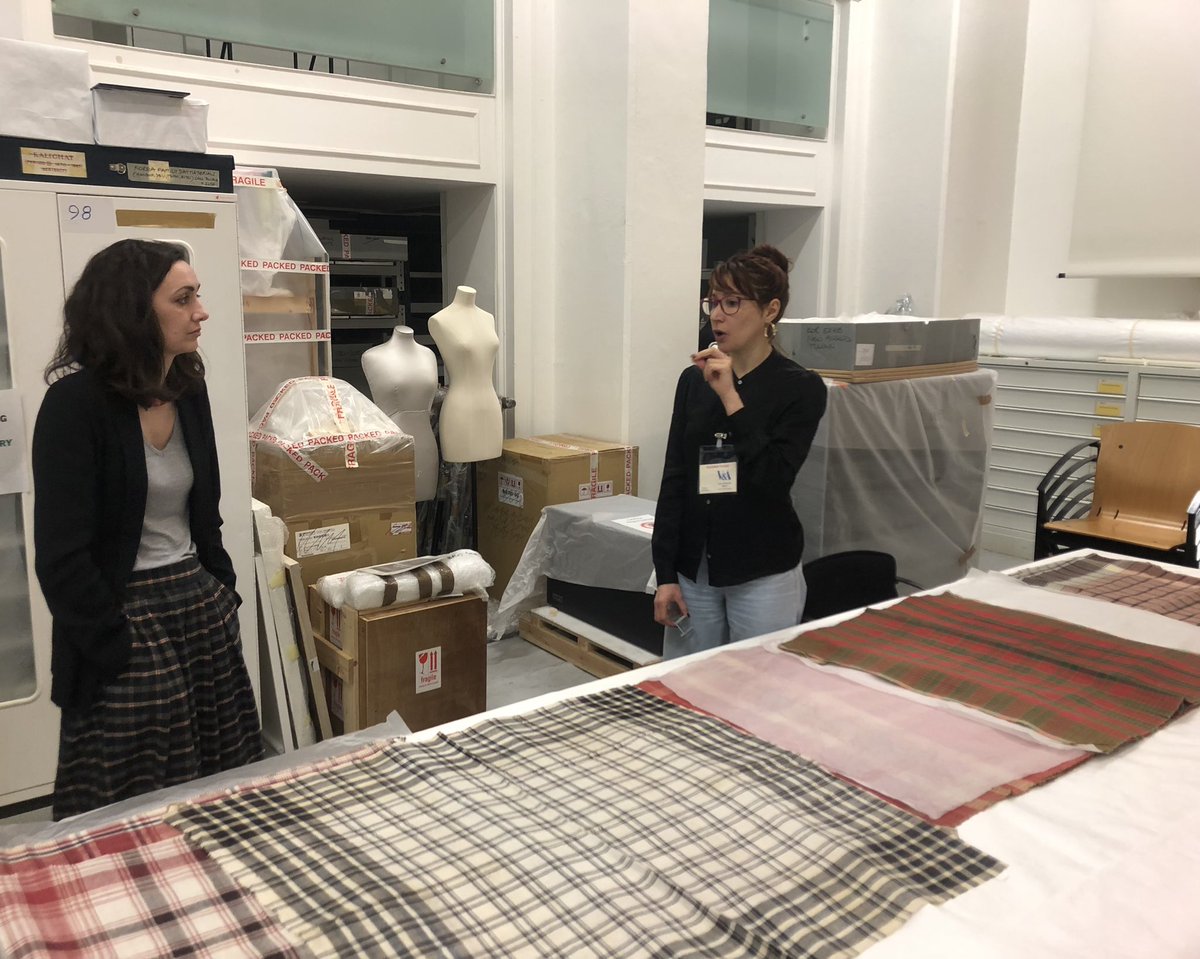
We had a great day looking at Madras kerchiefs yesterday for the @connectthreads project! In the evening @avfotheringham gave a fantastic lecture on our findings to the Indian Art Circle @SOAS organised by @mchidarazvi. #fashionhistory#globalhistory
Submit nominations by May 15 for the Roy Rosenzweig Prize for Creativity in Digital History, joint with the AHA and @chnm. This prize is awarded annually to honor and support work on a creative and freely available new media project. https://t.co/rrpJhxjinA
Today I visited the @MANNapoli and saw this fresco of the the baker Terentius Neo and his wife (who is not identified) that was excavated from the archaeological site at Pompeii. His wife is in the foreground, which is unusual and shows her potentially equal status in the marriage. She holds a stylus and wax tablet, emphasizing her education and literacy. It is also a sign that she handled the accounting for the bakery and household. Terentius Neo wears a toga, a signifier of Roman citizenship, and holds a rotulus, suggesting he is also involved in local public and/or cultural events. For many, this fresco is also evidence that Pompeii (and, by extension, ancient Rome) lied at a crossroads of many cultures. Terentius Neo's olive complexion is believed to represent a multiracial Roman Empire, in which people of diverse phenotypes and ethnicities coexisted.