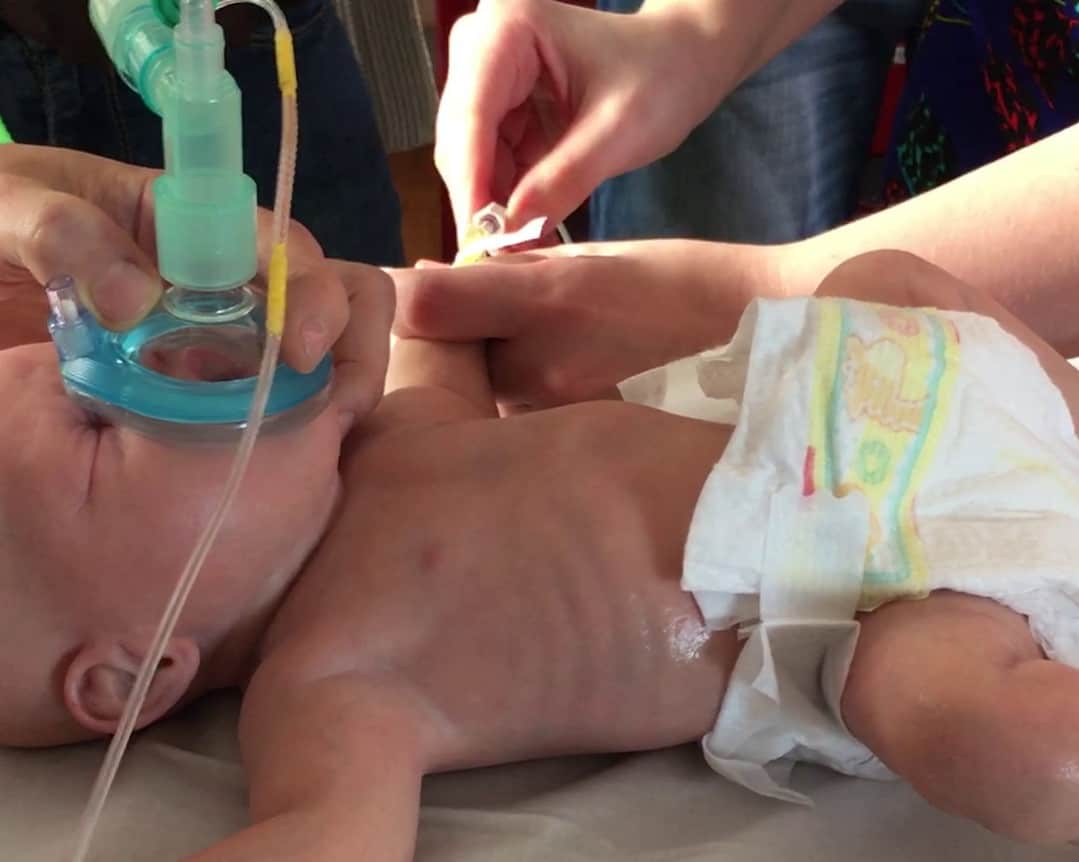
Last 2 places available on the Paediatric Emergencies Simulation Course on 1st May in Belfast. We will cover the management of the critically ill child before arrival of retrieval team with 8 cases each lasting 1 hour with expert faculty https://t.co/sjXQqRjVIn
@EmICUcanada advocating for some sensible CPR changes @IncrEMentuMconf
1. Using US for pulse checks,
2. A CPR coach (separate to team lead)
3. Nurse co-leader
@SaraCrager starting the “Surviving, surviving sepsis campaign” - 1. Ask is this shock really sepsis. 2. Don’t over focus and lactate and 3. Ensure source control/correct antibiotics.
Approx 73% of septic shock patients have a lactate <4. @IncrEMentuMconf
What. An. Experience.
IPEM25 brought together over 250 passionate delegates from around the world this March for three unforgettable days of Hands-On PEM.
From high-impact simulation to real-world skills and cutting-edge research, the energy was electric ⚡️
#ipem25 was one of the best medical events I’ve ever attended. Over two incredible days, it delivered the perfect blend of knowledge, fun, and fantastic people. It was a truly enriching experience, both professionally and personally.
Some pearls from the first session:
- A safe airway needs a safe system ⛑️
- Sepsis not responding to fluid - THINK MYOCARDITIS 🫀
- In a stressful situation slow is smooth and smooth is fast 💯
Irish Paediatric Emergency Medicine conference #IPEM2025 kicks off today with a huge number of delegates from Ireland and abroad.
Congratulations on the rapid growth and success of the Association 👏
@KangarooBeach Thanks for this Tim, it was more a reminder to consider cardiac arrest / arrhythmia in apparent “seizing” patients. Seizing, spontaneous movements & agonal breaths could be mistaken for signs of life but I agree with de-emphasising pulse checks for most! Oh the subtleties of X!😆
Congratulations to all our EM colleagues in Portugal which has officially recognised EM as a speciality.
Fabulous news for many amazing clinicians (and patients) in Portugal.
Surviving as a team leader in emergency medicine. Here are 10 learning objectives & strategies I recommend:
1. Develop a resuscitation mindset, taking responsibility for the critically ill patients under your care
- ownership is key