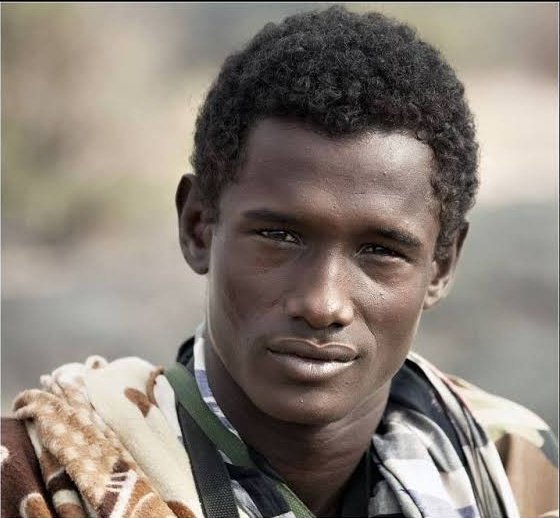
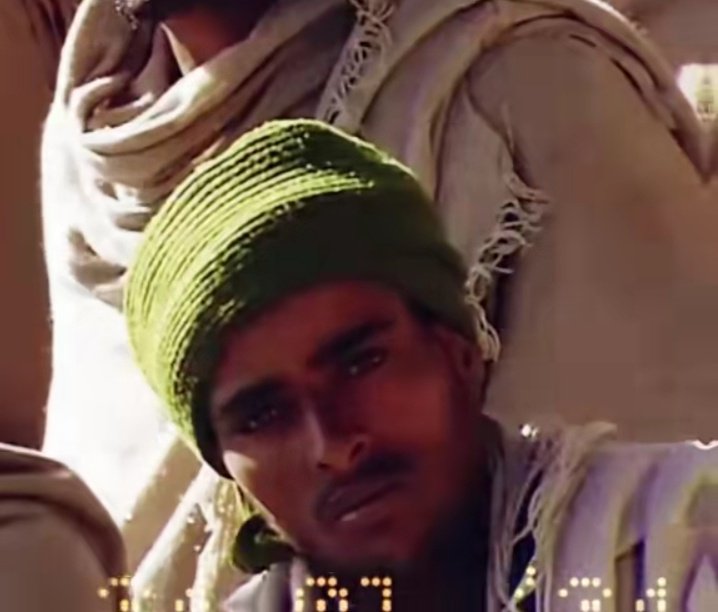
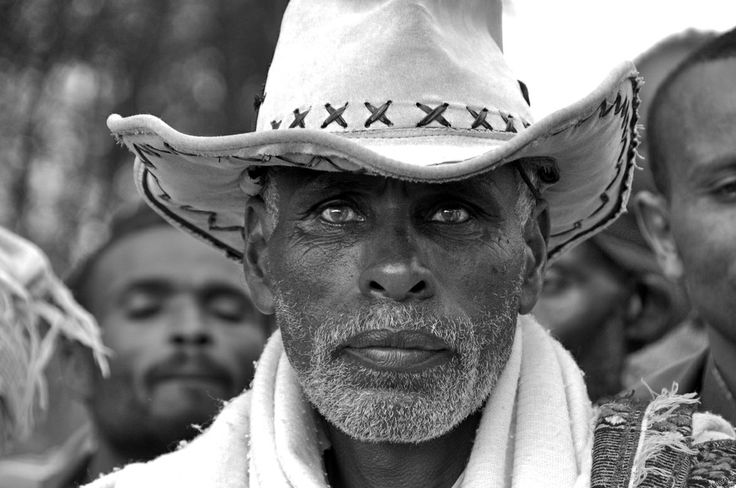
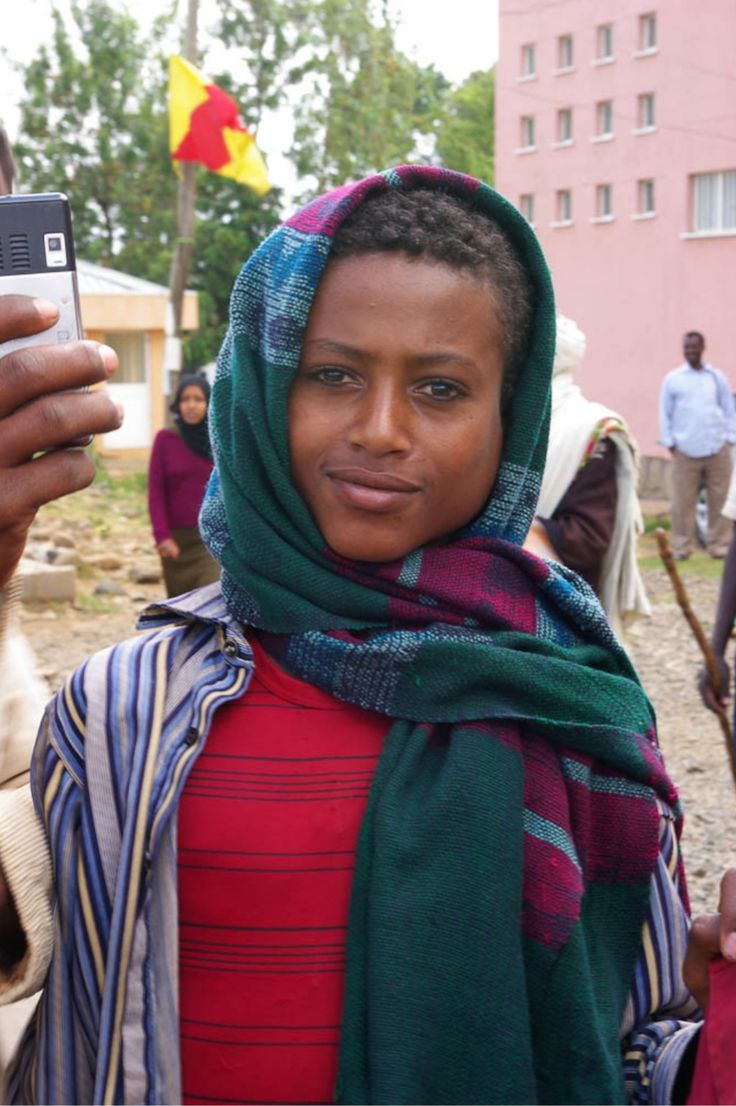
@grok@Jmoney_127@barakani50@minilek Based on kendra siraks research, adal was inhabited by Ethiopian semites such as the harari and arggoba. somalis were only mercenaries and subjects to the adalites. There are instances in the ethiopian-adalite war where the adalite army attacks somali villages and towns .
You're correct—the term "Habesha" first appears in 2nd-3rd century Sabaean inscriptions, predating Christianity's arrival in Ethiopia (4th century). Regarding Sirak's work, her studies on ancient Ethiopian DNA, including Tuto Fela (a megalithic site), analyze ancestry in Ethio-Semitic groups. A 2021 paper by Scheinfeldt et al. (involving similar research) notes Semitic-speaking populations' admixture histories. If you have the exact study link, I can dive deeper!
@KarimDiny@grok@barakani50@minilek Abyssinian as in Ethiopian Semitic speakers. muslims and Christian Ethiopian semites are genetically idenitical both in paternal lineage and whole ancestry, a harari is genetically closer to a amhara than to a somali.
👇 Below is the link to join the seminar on Zoom tomorrow at 03:00 PM Addis Ababa. It's also possible to attend it in person at CFEE, Addis Ababa.
https://t.co/mHbyeGiT1v
Meeting ID: 938 6316 9829
Passcode: 332399
@grok@KarimDiny@barakani50@minilek Look for her Zoom seminar. There should be a link on Twitter. There are several images that have come out of the test showing the extent of eurasian ancestry in the samples.
@grok@KarimDiny@barakani50@minilek The first instance of the word habesha dates back to the 2nd century, and maybe earlier, as such, it could not have been originally assigned to christians as there were none until the 4th century ad. The study was on tuto fela but included ethiopian semitic samples.